暴力催收

Search documents
“你我贷”为催收把采访电话都爆了 催收员怼警察:“爆通讯录怎么了?”
Xin Lang Cai Jing· 2026-01-30 01:52
Core Viewpoint - The article highlights the issue of aggressive debt collection practices, specifically focusing on a case where employees of a company in Jiangxi received numerous harassing messages related to debts owed on the "Youwo Dai" platform, leading to significant distress and disruption in their lives [3][11]. Group 1: Incident Overview - On January 16, a report detailed that employees of a Jiangxi company faced harassment due to debts owed on the "Youwo Dai" platform, resulting in frequent collection calls and messages [3][11]. - On January 26, the interview phone number used by the news outlet received 68 harassing messages within three hours, including 17 identical messages in just two minutes [3][7][10]. Group 2: Collection Practices - The debt collection was conducted by a group claiming to be the "Beijing Shuke Overdue Mediation Center," which was responsible for debts under 20,000 yuan [4][10]. - A specific message sent to the interview phone stated that failure to address the debt would lead to social embarrassment for the debtor's family, indicating a psychological tactic used in the collection process [6][19]. Group 3: Response from Authorities - After reporting the harassment to the police, the collection agency admitted to sending messages to third parties but did not see any wrongdoing in their actions [10][20]. - The police warned the collection personnel against sending messages to unrelated third parties, emphasizing the need for compliance with legal standards in debt collection practices [10][20]. Group 4: Debt Ownership and Legal Perspective - The debt in question was originally taken out through the "Youwo Dai" platform and has since been transferred to "Shanghai Gangyong Enterprise Management Center," which claimed that the debt collection was currently on hold [11][21]. - Legal experts indicated that sending frequent harassment messages to unrelated third parties could infringe on their right to peace, suggesting that affected individuals could file complaints against the collection agency or the lending platform [11][21].


违规催收?微粒贷2.6万条投诉背后:微众银行合作超280家催收机构
凤凰网财经· 2025-12-18 14:38
Group 1 - The article highlights the significant number of complaints against WeBank's "Weilidai" loan collection practices, with over 26,000 complaints reported on consumer platforms, indicating a serious issue with aggressive collection tactics [4][5]. - Complaints primarily focus on harassment of family members, privacy breaches, and unauthorized deductions, with many users reporting violent collection methods [5][7]. - Legal experts emphasize that collection agencies must adhere to strict compliance guidelines, only contacting emergency contacts when unable to reach the debtor directly and prohibiting the disclosure of specific debt details [7]. Group 2 - WeBank, established in 2014, is China's first private and internet bank, offering various financial products, including "Weilidai," "Weiche DAI," and "Xiao'e Huqian" [4]. - As of October 1, the "Assisted Loan New Regulations" were implemented, which clarify management rules for internet loan services, including interest rate caps and a whitelist for partner institutions [8]. - WeBank's partnership network includes 382 third-party institutions, with a significant majority (320) being collection agencies, reflecting the bank's reliance on aggressive collection strategies [8][9]. - The bank's 2024 annual report indicates that "Weilidai" has served over 70 million borrowers, with a daily average of 930,000 loans issued, but also reveals a rising non-performing loan rate from 1.44% to 1.57% [10]. - Despite a commitment to resolving complaints, the high volume of grievances suggests ongoing challenges in post-loan management and customer relationship governance [10].
民生银行转让51亿元不良资产,为何强调“禁止暴力催收”?
Xin Lang Cai Jing· 2025-11-26 02:11
Core Viewpoint - The recent announcement by Minsheng Bank regarding the prohibition of violent debt collection in its personal non-performing loan transfer has sparked significant industry discussion, reflecting a cautious approach towards debt collection methods in the banking sector [1][3][4]. Group 1: Non-Performing Loans Market - As the year-end approaches, the market for non-performing loan transfers is seeing a surge, with various commercial banks and consumer finance companies listing large non-performing asset packages, particularly in retail loans such as personal non-performing loans and credit card overdrafts [1][3]. - Minsheng Bank's latest personal non-performing loan transfer project involves a total unpaid principal of approximately 2.447 billion yuan and unpaid interest of about 2.695 billion yuan, totaling 5.142 billion yuan across 147,779 borrowers, with an average overdue period of 1,856.28 days [3][4]. Group 2: Debt Collection Practices - The announcement from Minsheng Bank includes a rare clause that prohibits violent debt collection and mandates that the assignee can only use legitimate means for asset disposal, reflecting the bank's cautious stance on collection methods [4][6]. - The trend of outsourcing debt collection to third-party companies has led to compliance issues, with instances of soft violent collection practices being reported, prompting regulatory scrutiny and penalties for banks like Zhejiang Wangshang Bank [6][7]. Group 3: Regulatory Environment - The regulatory environment surrounding debt collection has tightened, with numerous financial institutions facing penalties for improper collection practices, highlighting the ongoing challenges in managing outsourced collection operations [6][16]. - The introduction of national guidelines for post-loan collection practices aims to standardize and regulate the industry, providing a framework to identify and prevent violent collection behaviors [20].

M3阶段回款率低至3% 助贷平台催收困局待解 暴力催收仍存
Bei Jing Shang Bao· 2025-10-27 04:48
Core Viewpoint - The implementation of the new regulations on internet lending by commercial banks, effective from October 1, 2025, significantly alters the lending landscape, particularly by capping interest rates and enforcing stricter management of collection practices [1][2][13]. Group 1: Regulatory Changes - The new regulations, referred to as "助贷新规," establish a "white list" system for financial institutions engaging in lending, reducing the maximum interest rate from 24%-36% to below 24% [1][2]. - The regulations compel financial institutions to disclose their cooperative partners, with a notable emphasis on collection service providers, which constitute over 30% of the listed partners [1]. Group 2: Impact on Collection Practices - The new regulations have led to a significant reduction in profit margins for lending products, forcing platforms to focus on risk control and optimizing customer structures [2][12]. - Despite the regulations, aggressive collection practices, including threats and harassment, remain prevalent, with numerous complaints reported by borrowers [3][4][8]. - The collection process has become more complex, with platforms facing challenges in managing overdue accounts due to reduced willingness to repay among borrowers [1][5]. Group 3: Industry Response and Adaptation - The industry is witnessing a shift towards more civilized and compliant collection methods, moving away from aggressive tactics to negotiation and collaboration with borrowers [14][15]. - Platforms are increasingly focusing on establishing comprehensive risk management systems that integrate collection processes into the overall business strategy [15]. - The overall collection rate for overdue accounts, particularly those overdue for three months (M3), is reported to be as low as 3%-5%, indicating significant challenges in recovering debts [12]. Group 4: Future Outlook - The new regulations are expected to reshape the customer base of lending platforms, with a decline in willingness to lend to high-risk borrowers [13]. - The industry is under pressure to enhance compliance and improve the selection of collection agencies, ensuring they adhere to legal and regulatory standards [15].
M3阶段回款率低至3%,助贷平台催收困局待解,暴力催收仍存
Bei Jing Shang Bao· 2025-10-27 04:29
Core Viewpoint - The implementation of the new regulations on internet lending by commercial banks, effective from October 1, 2025, significantly restricts the profit margins of lending platforms and compels them to optimize risk control and pricing strategies [1][2]. Summary by Sections Regulatory Changes - The new regulations establish a "whitelist" system for financial institutions engaging in lending, with a cap on interest rates set below 24%, reducing the previous range of 24%-36% [1]. - The regulations have prompted financial institutions to accelerate the cleanup of their partnerships, with 31 licensed consumer finance companies disclosing their cooperative institutions by the deadline [1]. Collection Practices - Despite the new regulations, aggressive collection practices, including verbal abuse and threats, remain prevalent in the industry, leading to high levels of consumer complaints [4][8]. - A case study highlights a borrower receiving threatening messages that included personal information and intimidation tactics, indicating a continuation of violent collection methods [5][6]. Financial Impact - The new regulations have compressed the profit margins of lending products, forcing platforms to shift their focus towards risk management and optimizing customer structures [2][13]. - The industry is experiencing a decline in recovery rates, particularly for loans overdue by three months (M3), with current recovery rates estimated between 3% to 5% [9][12]. Industry Response - Lending platforms are increasingly focusing on negotiation and collaboration with overdue customers to find reasonable repayment solutions, moving away from aggressive collection tactics [14]. - The industry is witnessing a shift towards a more compliant and technology-driven approach to collections, emphasizing the need for a comprehensive risk management system [15]. Challenges and Recommendations - The presence of "black market" debt restructuring services complicates the collection landscape, as these services target distressed borrowers for high fees [14]. - Experts recommend that lending platforms enhance their compliance mechanisms and improve the selection process for collection agencies to ensure adherence to legal standards [15].

苏州一女子遭遇虚构法院案件信息暴力催收,警方已立行政案件
Xin Lang Cai Jing· 2025-09-30 04:19
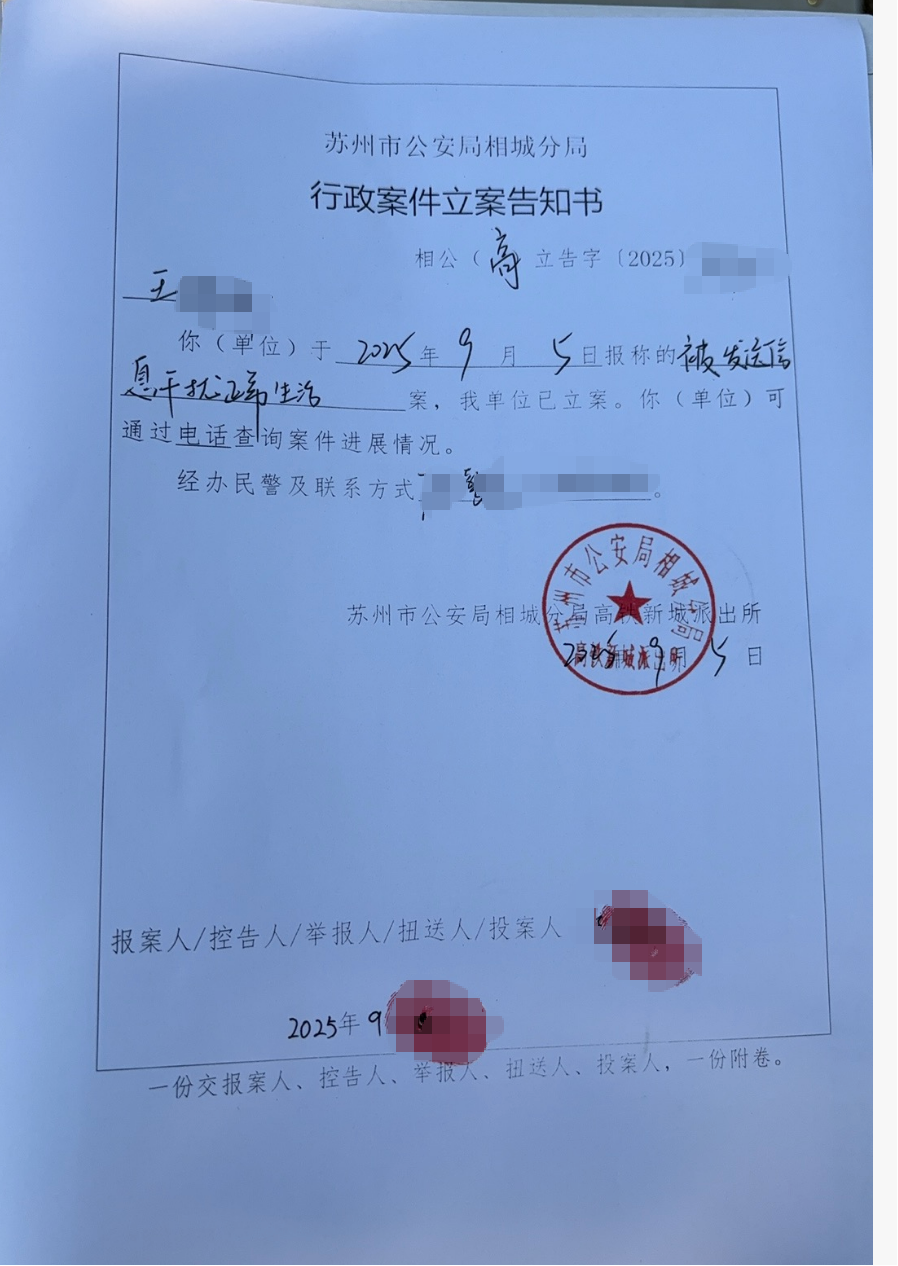
Core Viewpoint - The case of Ms. Wang highlights serious concerns regarding personal information security and illegal debt collection practices associated with Ping An Rongyi, a financing service brand under Ping An Group, as she experiences harassment and threats from unknown numbers after borrowing money from the platform [1][3][14]. Group 1: Incident Overview - Ms. Wang reported receiving frequent harassment and threatening messages from five private phone numbers after borrowing a total of 7,200 yuan from Ping An Rongyi, with a remaining principal of 2,355 yuan and an overdue period of 1,496 days [3][5]. - The harassment included messages claiming to be from a court, with fabricated case numbers and threats of travel restrictions due to unpaid debts [8][10]. Group 2: Company Response - Ping An Rongyi stated that they have suspended cooperation with the debt collection company involved and are actively addressing Ms. Wang's concerns [3][14]. - The company denied any leakage of personal information and claimed that they did not create fictitious court documents [14]. Group 3: Legal Implications - Legal experts indicated that the messages received by Ms. Wang could constitute forgery if they involve fabricated legal documents, and the debt collection companies could face civil liabilities for violating personal privacy rights [15].

暴力催收?海尔消金遭万人投诉,回应称“行业共性”
Hu Xiu· 2025-08-12 03:27
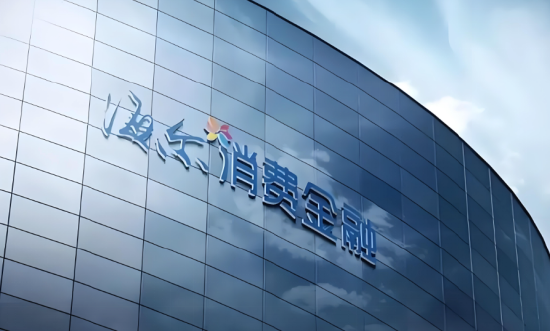
Core Viewpoint - Haier Consumer Finance has been fined 2.05 million yuan for exaggerated marketing, improper collection practices, and misappropriation of credit funds, marking the largest penalty in the consumer finance industry in the past three years [1][9]. Summary by Sections Regulatory Actions - The Qingdao Regulatory Bureau of the National Financial Supervision Administration imposed a fine of 2.05 million yuan on Haier Consumer Finance for various violations, including misleading marketing and improper collection practices [1][9]. - The company’s former general manager, Huang Yinghua, was fined and banned from holding office for two years due to these violations [1][9]. Company Response and Rectification - Haier Consumer Finance stated that the penalties were based on issues identified before 2021, and the company has taken corrective actions [2]. - Despite four years of rectification, numerous borrowers continue to complain about aggressive collection tactics and exaggerated marketing claims [2][4]. Customer Complaints - There are over 16,166 complaints on the Black Cat Complaints platform, primarily concerning "violent collection" and "threats" [3][6]. - Many borrowers report being harassed shortly after missing payments, with some receiving incessant calls and messages [5][6]. Legal Issues - As of now, Haier Consumer Finance has accumulated 100,400 lawsuits, with 98.93% of these cases being initiated by the company as plaintiffs, primarily related to financial loan contract disputes [19]. - Since the penalties were imposed in 2021, the company has faced over 55,500 lawsuits, many of which are self-initiated [19]. Industry Context - The issues faced by Haier Consumer Finance reflect broader problems within the consumer finance industry, particularly regarding collection practices [4]. - Legal experts emphasize the distinction between legal and illegal collection practices, noting that aggressive tactics are not permitted by regulators [8]. Financial Performance - Despite the legal challenges, Haier Consumer Finance has shown significant financial growth, with total assets increasing from 211.25 billion yuan in 2022 to 293.48 billion yuan in 2024, and net profits rising from 2.74 billion yuan to 4.45 billion yuan during the same period [18][19].
暴力催收?海尔消金遭万人投诉,回应称「行业共性」
Xin Lang Ke Ji· 2025-08-12 02:02
Core Viewpoint - Haier Consumer Finance has been fined 2.05 million yuan for exaggerated marketing, improper collection practices, and misappropriation of credit funds, marking the largest penalty in the consumer finance industry in the past three years [1][12]. Regulatory Actions - The Qingdao Regulatory Bureau of the National Financial Supervision Administration imposed a fine of 2.05 million yuan on Haier Consumer Finance for issues identified before 2021, including misleading marketing and improper collection practices [1][12]. - The company’s former general manager, Huang Yinghua, was fined and banned from holding office for two years due to these violations [1][12]. Customer Complaints - There have been over 16,166 complaints on the Black Cat Complaints platform, primarily concerning "violent collection" and "threats" [3][8]. - Many borrowers report harassment from collection agents, even after negotiating repayment extensions [5][7]. Legal Issues - Haier Consumer Finance has accumulated 100,400 lawsuits, with 98.93% of these cases being initiated by the company as plaintiffs, primarily related to financial loan contract disputes [16][18]. - The number of lawsuits surged from over 7,000 to more than 34,000 in a single year, indicating a significant increase in legal actions against the company [15][18]. Company Response and Industry Context - Haier Consumer Finance acknowledges the issues in its collection practices, stating that these problems are prevalent across the industry and that the company is committed to continuous improvement [4][10]. - The company claims that while "violent collection" is not permitted, legal collection practices are necessary for overdue accounts, although they cannot guarantee optimal solutions for every overdue borrower [3][10]. Financial Performance - Despite the legal challenges, Haier Consumer Finance reported significant growth in financial assets and net income from 2022 to 2024, with total assets increasing from 211.25 billion yuan to 293.48 billion yuan and net income rising from 17.1 million yuan to 31.68 million yuan [16][18].
暴力催收? 海尔消金遭万人投诉,回应称“行业共性” | BUG
Xin Lang Cai Jing· 2025-08-12 01:30
Core Viewpoint - Haier Consumer Finance has been fined 2.05 million yuan for exaggerated marketing, improper collection practices, and misappropriation of credit funds, marking the largest penalty in the consumer finance industry in the past three years [1] Summary by Sections Regulatory Actions - The Qingdao Regulatory Bureau of the National Financial Supervision Administration imposed a fine of 2.05 million yuan on Haier Consumer Finance for various violations, including exaggerated marketing and improper collection practices [1] - The former general manager, Huang Yinghua, was also fined and banned from holding positions for two years [1] Company Response - Haier Consumer Finance stated that the penalty relates to issues identified before 2021, and the company has taken corrective actions [1] - The company acknowledged the complaints regarding collection practices but emphasized that legal collection is their right [2] Customer Complaints - There are over 16,000 complaints on the Black Cat Complaints platform, primarily concerning "violent collection" and "threats" [1][5] - A borrower reported harassment from collection staff even after agreeing to a repayment extension, indicating a serious invasion of privacy [3] Industry Context - Haier Consumer Finance indicated that the issues in their collection practices reflect broader problems within the industry, and they are committed to continuous improvement [3]
“暴力催收”公司,人去楼空!关于催收,明确多条红线
21世纪经济报道· 2025-03-17 11:18
Core Viewpoint - The article discusses the recent implementation of the "Collection Risk Control Guidelines" in China, which aims to regulate the debt collection industry and address issues related to illegal and violent collection practices. This new national standard is expected to enhance the compliance and self-regulation of financial institutions in the debt collection sector [5][9][12]. Group 1: Background and Context - The "Collection Risk Control Guidelines" were approved and published by the National Standardization Administration on February 28, 2024, marking the first national-level standard focused on post-loan collection practices in China [5][6]. - The guidelines replace the previous industry standard issued in May 2024 and emphasize risk control and the responsibility of financial institutions in managing collection risks [5][6][12]. Group 2: Industry Impact - The implementation of the guidelines is seen as a critical step towards the healthy development of the debt collection industry, filling a long-standing regulatory gap and providing a basis for identifying illegal collection practices [5][9]. - The guidelines specify that collection activities should not occur between 10 PM and 8 AM, limit daily phone calls to three, and restrict contact to debtors only, not their contacts [10][12]. Group 3: Financial Data and Trends - As of the end of 2024, the total amount of overdue credit card loans reached 123.964 billion, a year-on-year increase of 26.31%, indicating a growing challenge for financial institutions in managing delinquent accounts [7]. - Complaints related to improper debt collection practices accounted for approximately 20.5% of total complaints against banks and credit card services, highlighting the need for improved collection practices [7]. Group 4: Future Outlook - Experts suggest that while the new guidelines will lead to better regulation of the collection industry, the current reliance on phone collection and mediation methods is likely to continue in the short term [14]. - The guidelines also enhance the disclosure obligations for third-party collection agencies and emphasize the use of artificial intelligence in managing collection processes, aiming to protect the legal rights of debtors [12][13].