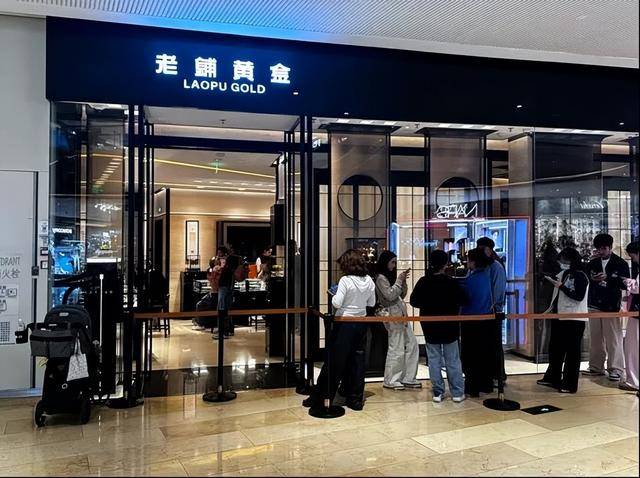
本土奢侈品品牌

Search documents
贝恩:2026年中国个人奢侈品市场将适度增长
Guo Ji Jin Rong Bao· 2026-01-29 15:16
Core Insights - The 2025 China Personal Luxury Goods Report by Bain & Company indicates a contraction of 3% to 5% in the mainland personal luxury goods market, showing a significant easing compared to the sharp decline in 2024 [1] - The report highlights a shift in consumer behavior towards high-cost performance products that balance quality, uniqueness, and practicality, with a preference for experiential consumption such as travel and health [1] - The report notes that the high-value customer (VIC) group remains the core driver of the luxury goods market, while younger potential consumers are entering the luxury market with a more cautious and delayed approach [1] Market Performance - Different luxury categories show varied performance: beauty and personal care products are recovering with a growth of 4% to 7%, while apparel is declining by 5% to 8%, leather goods by 8% to 11%, watches by 14% to 17%, and jewelry is expected to decline by 0% to 5% compared to 2024 [1] Consumption Trends - The share of overseas luxury goods consumption has significantly decreased in 2025, with 65% of luxury consumption occurring in mainland China and 35% abroad, indicating an increase in consumption return [2] - Mainland consumers' enthusiasm for outbound travel has not diminished their willingness to purchase luxury goods domestically, aided by reduced price gaps between mainland and major overseas markets [2] - The rise of local Chinese luxury brands, particularly in beauty and personal luxury categories, is emphasized, with these brands leveraging culturally relevant product designs and competitive pricing strategies [2] Competitive Advantages - Local brands are building differentiated advantages through a deeper understanding of local consumer preferences, implementing a "China-first" customer outreach strategy, and enhancing access to local quality resources and materials to establish price advantages [3] - Despite ongoing market volatility and uncertainty, Bain forecasts moderate growth for the Chinese personal luxury goods market in 2026, supported by the expanding middle-income group and improving consumer confidence [3]
爱马仕贵妇都去抢老铺黄金了
3 6 Ke· 2025-12-26 08:48
Core Insights - The article discusses the rise of Lao Pu Gold as a significant player in the high-end gold market, achieving a market value in the hundreds of billions and attracting a loyal customer base [2][4][10] - The brand has successfully positioned itself alongside luxury brands, creating a unique shopping experience that resonates with high-net-worth individuals [5][7][8] Sales Performance - Lao Pu Gold's sales at a single store in Beijing SKP exceeded 3 billion yuan annually, with projections of reaching 5 billion yuan by 2025 [2] - As of June 30, 2025, Lao Pu Gold reported revenue of over 12.35 billion yuan, a 251% year-on-year increase, and a net profit of 2.27 billion yuan, up 286% [8] Customer Base and Market Position - The brand has grown its membership to 480,000, a significant increase from 36,000 in 2021, indicating a strong appeal among luxury consumers [8] - Lao Pu Gold's consumer overlap with major luxury brands like Louis Vuitton and Hermès is reported at 77.3%, highlighting its competitive positioning in the luxury market [8] Expansion and Investment - Lao Pu Gold has expanded its store presence, reaching 41 self-operated stores in top-tier commercial centers by mid-2025 [12] - Other brands in the "Ancient Method Gold" segment, such as Lin Chao and Bao Lan, have also announced significant financing, indicating a growing interest from investors [10][11] Market Trends - The high-end gold jewelry market in China is experiencing rapid growth, with Lao Pu Gold's market share increasing from 10% in 2023 to 26% in 2024 [9] - The overall market for ancient method gold jewelry is projected to grow significantly, with a compound annual growth rate of 21.8% expected until 2028 [19] Challenges and Future Outlook - Despite its success, Lao Pu Gold faces challenges in establishing itself as a true luxury brand, particularly in terms of brand perception and pricing power [14][15] - The brand's current gross margin of approximately 40% is significantly lower than that of established luxury brands, which can reach up to 80% [15] - The company aims to strengthen its high-net-worth customer base and enhance brand loyalty to navigate potential market fluctuations [18]

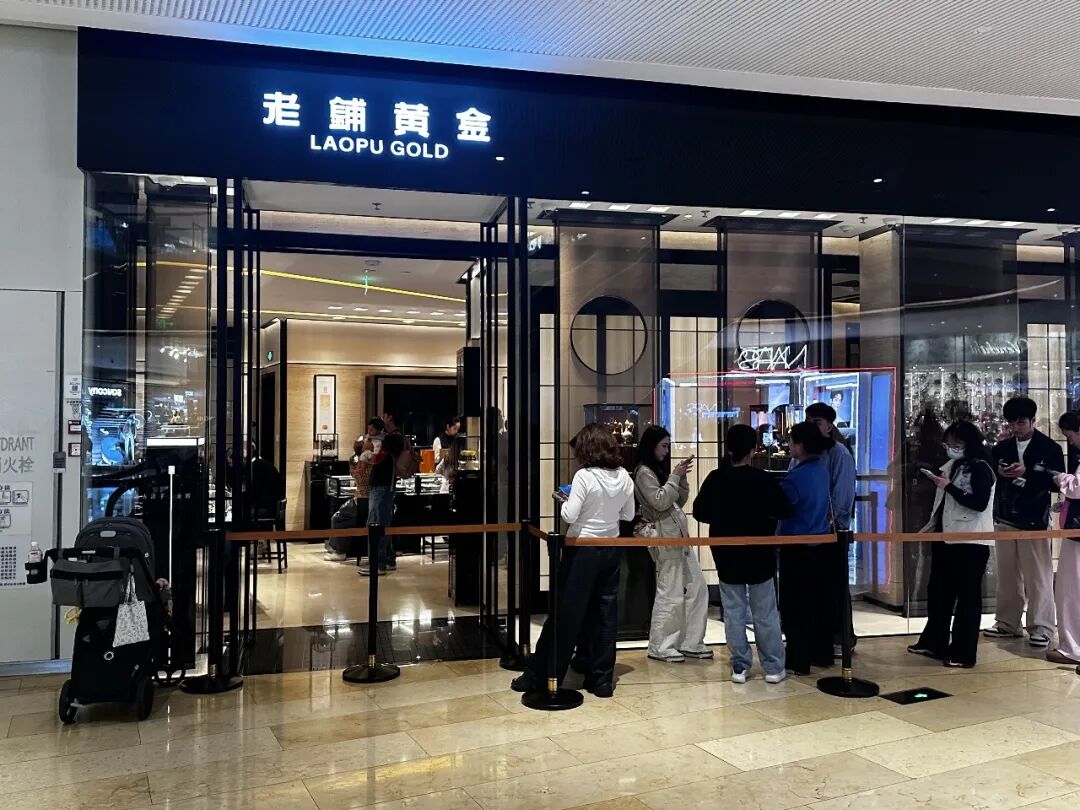
凌晨两点排队抢金,老铺黄金们正在抢爱马仕的顾客
Sou Hu Cai Jing· 2025-12-26 03:29
Core Insights - The article discusses the rise of traditional gold brands in China, particularly focusing on Laopu Gold, which has successfully entered the high-end luxury market, achieving a market valuation in the hundreds of billions [2][7][10]. Market Performance - Laopu Gold has seen significant growth, with revenue exceeding 123.5 billion yuan in the first half of 2025, marking a 251% year-on-year increase, and a net profit of 22.7 billion yuan, up 286% [6]. - The brand's market share in the high-end jewelry segment has surged from 10% in 2023 to 26% in 2024, while traditional luxury brands like Tiffany and Cartier have experienced declines [7]. Consumer Behavior - Laopu Gold has attracted a growing customer base, with membership increasing to 480,000 by mid-2025, up from 36,000 in 2021 [6]. - The brand's clientele overlaps significantly with consumers of luxury brands such as Louis Vuitton and Hermès, with a 77.3% overlap rate [6]. Retail Expansion - Laopu Gold has expanded its retail presence, opening five new stores in the first half of 2025, bringing the total to 41 locations in high-end shopping centers [10]. - Other brands in the traditional gold sector, such as Lin Chao and Bao Lan, are also expanding, indicating a trend towards increased competition in the luxury gold market [8][10]. Investment Trends - The success of Laopu Gold has sparked interest from investors, with Lin Chao and Bao Lan securing significant funding in late 2025 [8]. - Laopu Gold's stock performance has been remarkable, with its share price increasing over 2500% since its IPO, reflecting strong market confidence [9]. Brand Positioning - Despite its success, Laopu Gold is still perceived as not fully reaching the status of a luxury brand, lacking the emotional value and pricing power associated with established luxury brands like Hermès [11]. - The brand's gross margin is around 40%, significantly lower than the 70-80% margins of top luxury brands, indicating room for improvement in brand positioning and pricing strategy [11]. Future Outlook - The traditional gold jewelry market in China is projected to grow significantly, with an expected market size of approximately 421.4 billion yuan by 2028, indicating a robust future for brands like Laopu Gold [13]. - The challenge remains for these brands to transition from high-quality gold products to luxury items with cultural significance, requiring a focus on brand development and consumer loyalty [14].