核安全

Search documents
俄罗斯谴责以军
中国能源报· 2026-03-29 04:35
Group 1 - The Russian Foreign Ministry condemned the Israeli military's airstrikes on Iranian nuclear facilities, stating that these actions violate the Treaty on the Non-Proliferation of Nuclear Weapons and the Nuclear Safety Convention [1] - The spokesperson emphasized that the international community should respond "unambiguously and resolutely" to Israel's attacks on civilian nuclear facilities in Iran [1] - The head of Russia's state atomic energy corporation indicated that the airstrikes pose a "direct threat" to nuclear safety, particularly mentioning the Bushehr nuclear power plant [1] Group 2 - On July 27, Israeli forces deployed over 50 aircraft to strike multiple nuclear facilities and weapon bases in Iran, including the heavy water reactor in Khondab and facilities in Arak and Yazd [1] - The International Atomic Energy Agency reported receiving notifications from Iran about the attacks on the Bushehr nuclear power plant [1]


俄罗斯警告美国
第一财经· 2026-03-24 00:51
Group 1 - Russia warns the US about the potential consequences of attacking Iran's Bushehr nuclear facility, stating it could lead to "irreparable consequences" [1] - The Bushehr nuclear power plant is under the supervision of the United Nations and the International Atomic Energy Agency (IAEA), and Russia is in close dialogue with the IAEA regarding the situation [1] - The Iranian Atomic Energy Organization reported that on the 17th, an enemy projectile hit the Bushehr nuclear power plant area, but it did not cause any economic or technical damage, nor were there any casualties [2] Group 2 - Russia emphasizes that the only effective way to alleviate the "catastrophic" tensions in the Middle East is through political and diplomatic means [2]

美以袭击伊朗纳坦兹核设施
第一财经· 2026-03-21 10:01
Core Viewpoint - The article discusses the attack on Iran's Natanz nuclear facility by the United States and Israel, highlighting the violation of international laws, including the Treaty on the Non-Proliferation of Nuclear Weapons [1] Group 1 - The attack occurred on the morning of the 21st local time, targeting the Natanz nuclear facility in Iran [1] - Iran claims that the attack violates international laws and regulations [1] - Following the attack, Iran's nuclear safety system center conducted research on the potential leakage of radioactive materials [1] Group 2 - The research results indicated that there was no leakage of radioactive materials from the facility [1] - Surrounding residents were reported to be under no threat from the incident [1]
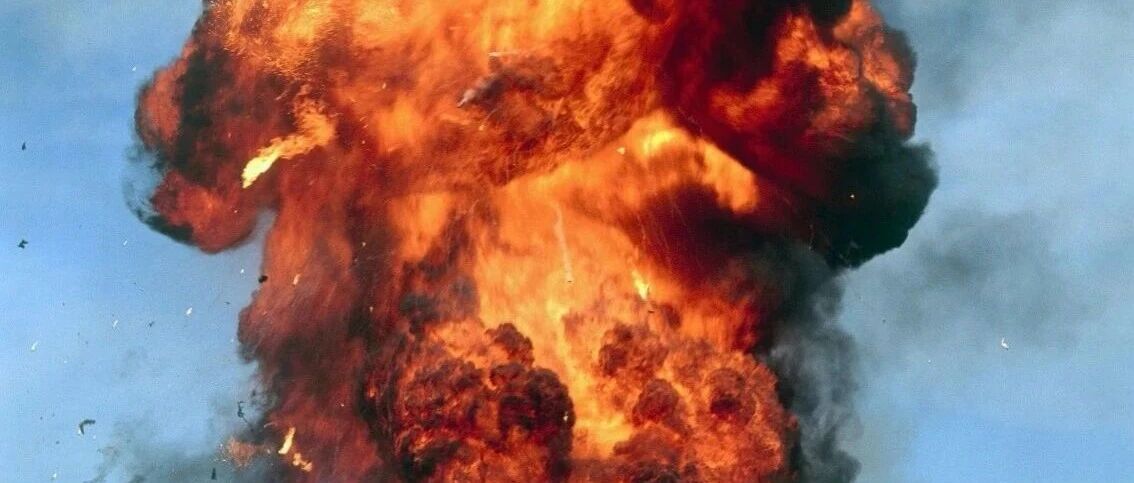
伊朗核电站遭袭
证券时报· 2026-03-18 08:13
Core Viewpoint - The International Atomic Energy Agency (IAEA) has received reports of an attack on Iran's Bushehr nuclear power plant, emphasizing the need for restraint to prevent nuclear accidents [2][4]. Group 1: Incident Details - On the evening of the 17th, a projectile hit the Bushehr nuclear power plant area, but no damage or casualties have been reported [2]. - The Iranian Atomic Energy Organization stated that the attack occurred around 19:00 local time and did not cause economic or technical damage to the facility [2]. - The IAEA's Director General Grossi urged all parties to exercise maximum restraint during the conflict to mitigate nuclear accident risks [2]. Group 2: Responses and Reactions - The Russian State Atomic Energy Corporation condemned the attack on the Bushehr nuclear power plant and called for de-escalation of the situation [4][5]. - CEO Alexey Likhachev of the Russian State Atomic Energy Corporation strongly denounced the attack and urged all parties involved to work towards cooling tensions around the Bushehr nuclear plant [5]. - The statement indicated that the attack occurred near a building within the plant area, close to the operational nuclear units, but radiation levels in the vicinity remain normal [6].

伊朗核电站遭袭
财联社· 2026-03-18 06:06
Core Viewpoint - The article discusses a recent incident involving a projectile hitting the Bushehr nuclear power plant in southern Iran, emphasizing the lack of damage or casualties reported and the potential risks associated with military actions against nuclear facilities [1][2]. Group 1 - The International Atomic Energy Agency (IAEA) received a report from Iran regarding a projectile hitting the Bushehr nuclear power plant on the evening of the 17th, with no reports of damage or casualties [1]. - IAEA Director General Grossi urged all parties to exercise maximum restraint during the conflict to prevent the risk of a nuclear accident [2]. - The Iranian Atomic Energy Organization stated that such attacks violate international regulations prohibiting military actions against peaceful nuclear facilities and could lead to irreversible consequences [3].
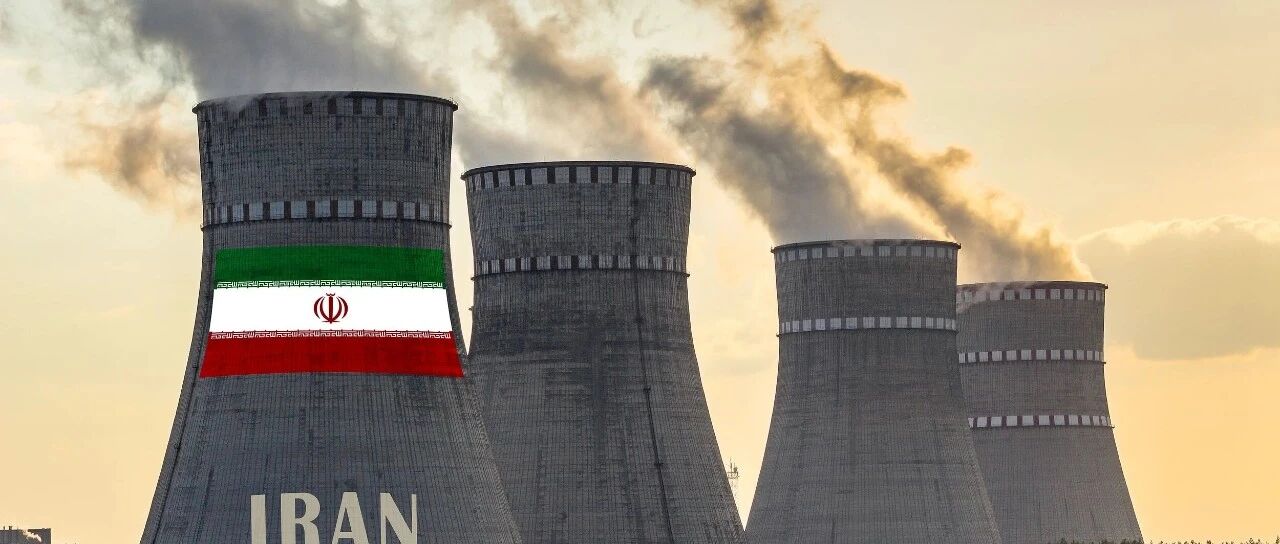
伊朗核电站遭袭
第一财经· 2026-03-18 05:45
Core Viewpoint - The article discusses a missile strike on Iran's Bushehr nuclear power plant, emphasizing the lack of reported damage or casualties, while highlighting international concerns regarding nuclear safety during conflicts [3][4]. Group 1: Incident Overview - On March 17, a missile struck the Bushehr nuclear power plant area in southern Iran, but no damage or casualties were reported [3]. - The International Atomic Energy Agency (IAEA) received notification from Iran about the incident and urged all parties to exercise maximum restraint to prevent nuclear accidents [3]. - Iran's Atomic Energy Organization condemned the attack as a violation of international regulations prohibiting military strikes on peaceful nuclear facilities, warning of potentially irreversible consequences [3]. Group 2: International Reactions - The Russian State Atomic Energy Corporation condemned the attack and called for de-escalation in the region surrounding the Bushehr nuclear plant [4]. - The CEO of the Russian State Atomic Energy Corporation expressed strong disapproval of the missile strike, noting its proximity to operational nuclear units and confirming that radiation levels in the area remain normal [4].
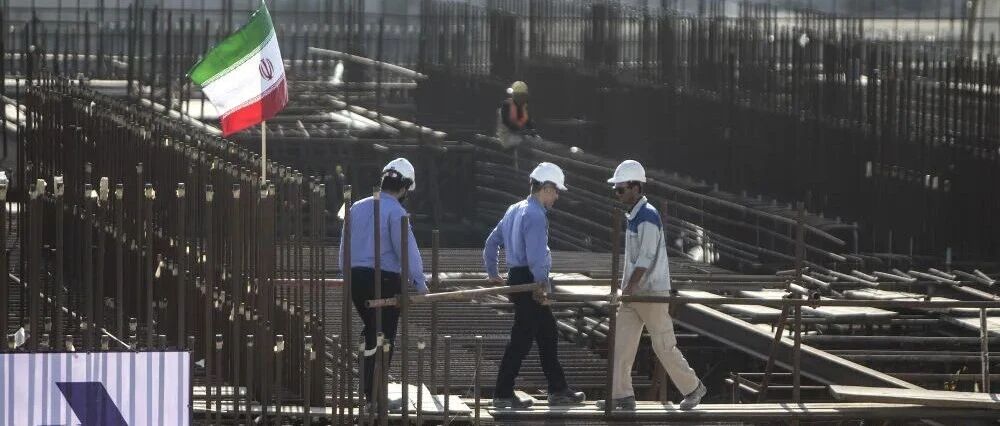
全国政协委员王明弹:巩固三代主流堆型优势,加快推进小堆和四代堆研发
中国能源报· 2026-03-04 08:38
Core Viewpoint - The article emphasizes the importance of nuclear power in establishing a strong energy nation, highlighting the need for high-quality development in the nuclear sector and the integration of safety, technology, and market mechanisms to enhance the nuclear energy system [2][3]. Group 1: Nuclear Power Development - Nuclear power is recognized as a significant indicator of national strength and competitiveness, with a focus on high-quality development as a necessity for building a strong energy nation [2]. - China has established a competitive advantage in the global nuclear power industry, with advanced models like "Guohe No. 1" and "Hualong No. 1" gaining international recognition for their technology, safety, and economic viability [2][3]. - As of January 2023, China has 101 operational and under-construction nuclear power units, with a strong safety record and no adverse impacts on the public or environment [3]. Group 2: Safety and Technology - Safety is deemed the lifeline of nuclear power, with China maintaining a rational and coordinated nuclear safety approach, supported by a robust regulatory framework [2][3]. - The "Guohe No. 1" model employs a "passive" safety design philosophy, ensuring absolute safety through comprehensive testing and advanced facilities [3]. - The integration of digital and intelligent technologies is expected to enhance the resilience and overall efficiency of the nuclear energy industry [3]. Group 3: Future Development Strategies - Five key recommendations are proposed for advancing the nuclear power sector: 1. Promote standardized and batch construction of nuclear power plants to enhance economic efficiency and safety [4]. 2. Accelerate the research and development of advanced small reactors and fourth-generation reactors, supported by national technology initiatives [4]. 3. Integrate nuclear power into green certificate trading systems to optimize energy structure and recognize its zero-carbon value [4]. 4. Strengthen top-level design and policy support for comprehensive nuclear energy utilization, including heating, desalination, and hydrogen production [5]. 5. Enhance public communication and education on nuclear safety to foster a supportive social environment for nuclear development [5].

日本民众集会反对重启柏崎刈羽核电站,福岛瑞穗称东电无资格运营
Xin Lang Cai Jing· 2026-02-21 03:53
Core Viewpoint - The article highlights public opposition in Japan against the restart of the Kashiwazaki-Kariwa Nuclear Power Plant, emphasizing concerns over safety and the unresolved issues stemming from the Fukushima nuclear disaster [1] Group 1: Public Sentiment - On February 20, Japanese citizens held a protest in front of the Prime Minister's office against the restart of the Kashiwazaki-Kariwa Nuclear Power Plant located in Niigata Prefecture [1] - Participants expressed that the government and Tokyo Electric Power Company (TEPCO) have not adequately addressed the aftermath of the Fukushima disaster, raising fears about the risks associated with restarting nuclear operations [1] Group 2: Company Actions - TEPCO restarted the Unit 6 of the Kashiwazaki-Kariwa Nuclear Power Plant on January 21, but an anomaly occurred, leading to a delay in the restart until February [1] - The leader of the Social Democratic Party, Mizuho Fukushima, stated that TEPCO lacks the qualifications to operate nuclear power plants due to the unresolved consequences of the Fukushima incident [1]
俄军精准打击乌克兰能源枢纽,核电外送中断,全境被迫陷入大停电
Sou Hu Cai Jing· 2026-02-08 13:10
Core Insights - A large-scale attack by Russian armed forces targeted Ukraine's energy infrastructure, launching 408 drones and 39 missiles [1][3] - The attack specifically aimed at 750 kV and 330 kV main transmission lines and key substations, which are critical for connecting nuclear power plants to the national grid [1] Group 1 - The assault disrupted the energy supply by damaging the transmission network rather than directly targeting nuclear power plants [3] - Ukraine's energy ministry reported a severe situation, leading to an emergency expansion of power outages across most regions due to damage to backbone nodes of the power grid [3] - The national energy company of Ukraine had to significantly reduce the output of operating nuclear units in the Kyiv control area, entering an "emergency production limit mode" [3] Group 2 - Some nuclear units temporarily disconnected from the grid due to protective measures triggered by severe fluctuations in grid frequency, resulting in extreme electricity shortages across the country [3] - The Director General of the International Atomic Energy Agency (IAEA) confirmed that military activities led to reduced power output from Ukrainian nuclear plants due to damage to substations and disrupted transmission lines [3] - The IAEA chief called for maximum restraint from all parties, emphasizing that the deteriorating energy system situation poses a substantial challenge to global nuclear safety [3]
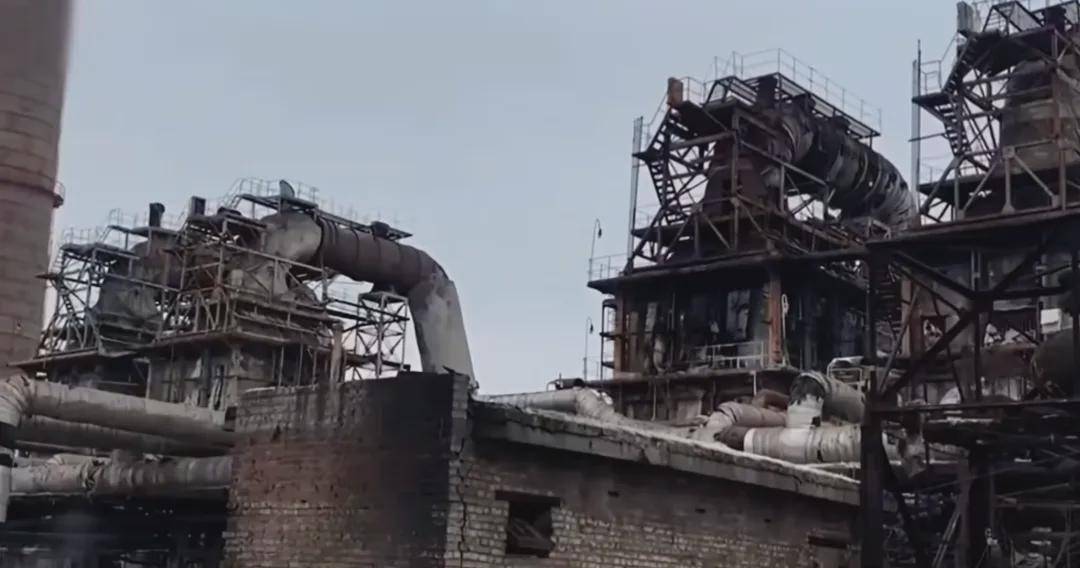
乌克兰电网再遭袭击
中国能源报· 2026-02-07 01:41
Core Viewpoint - The International Atomic Energy Agency (IAEA) reported that Ukraine's power grid has been severely impacted by military actions, affecting the operation of nuclear power plants [1][3]. Group 1: Impact on Nuclear Power Operations - Military actions have damaged multiple transmission lines in Ukraine, leading to a chain reaction of power outages within the country [1][3]. - One nuclear power plant experienced a unit disconnection and automatic shutdown due to voltage fluctuations, while other units were forced to operate at reduced power [1][3]. - The Chernobyl nuclear power plant temporarily lost all external power and relied solely on emergency diesel generators for about one hour [1][3]. Group 2: Safety and Repair Needs - The ongoing damage to the power grid poses a continuous threat to nuclear safety, necessitating large-scale repairs to enhance the reliability of power supply to nuclear plants [1][3]. - The IAEA Director General, Grossi, urged all parties to exercise restraint and adhere to the seven fundamental principles proposed by the IAEA to facilitate the necessary repair work [1][3].