楼市回归居住本质

Search documents
春节楼市“不打烊” 开发商从“拼价格”到“拼产品”
Zheng Quan Ri Bao· 2026-02-23 13:41
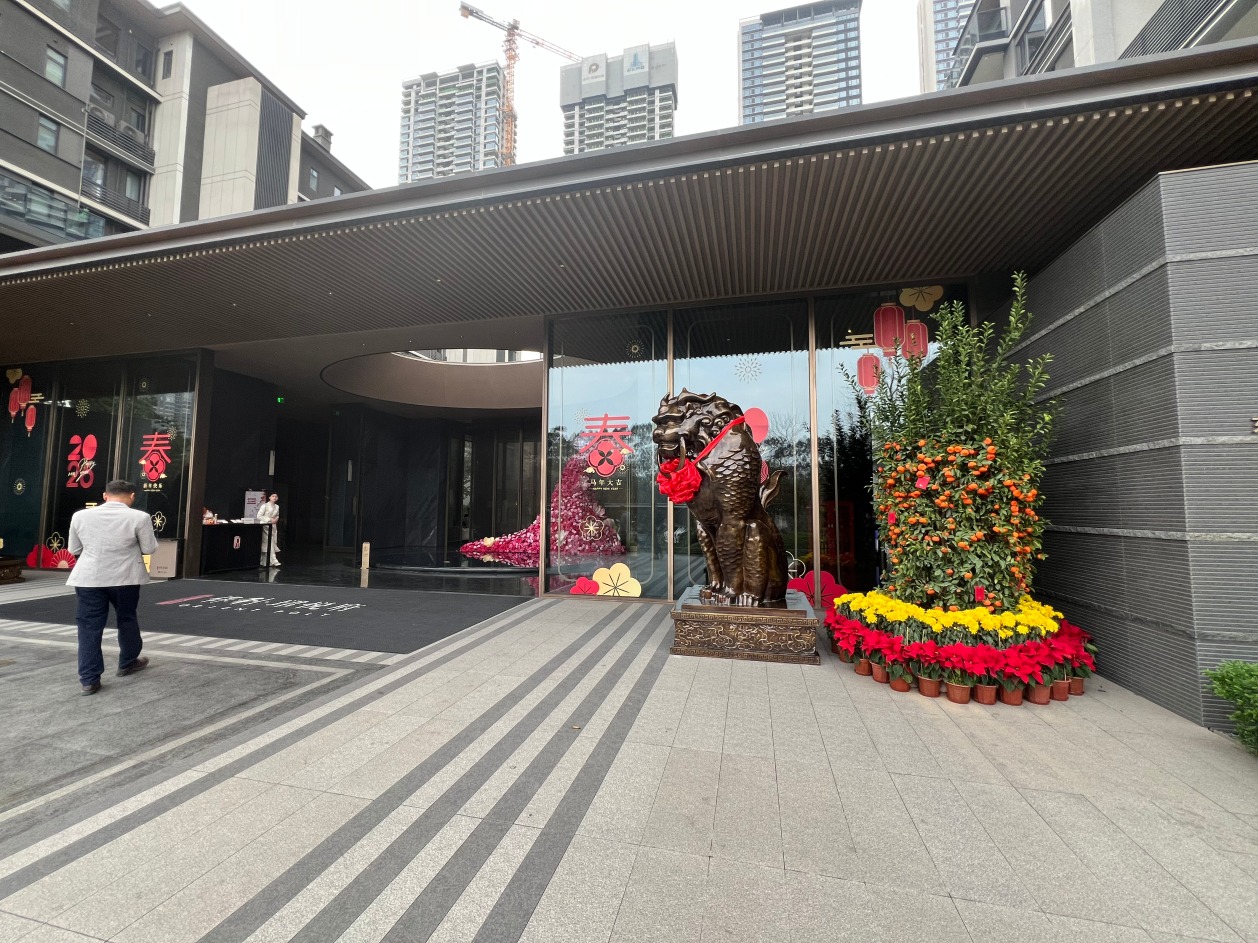
Core Viewpoint - The real estate market in Foshan is experiencing a shift during the Spring Festival, with developers not only offering discounts but also enhancing product quality to attract buyers [1][6]. Group 1: Market Activity - Many real estate projects in Foshan remain open during the Spring Festival, leveraging the festive atmosphere to capture potential buyers [1][2]. - The sales environment is festive, with decorations and interactive activities designed to engage families [2][5]. - The Green Town Jin Haitang project has seen significant interest, with a queue for viewings and a notable sales performance during the holiday period [5][6]. Group 2: Sales Strategies - Developers are moving from simple price cuts to focusing on product design and community engagement [7][8]. - Projects are offering special promotions, such as a 2% discount and unique gift packages for buyers during the festival [5][6]. - The market is seeing a structural differentiation, with an increase in demand for larger, improved housing options, as evidenced by a rise in the sales share of 140-200 square meter units from 8% in 2022 to 15% in 2025 [6]. Group 3: Product Development - Developers are investing in community features and unique architectural designs to enhance living experiences [8][11]. - The Green Town Jin Haitang project includes local cultural elements and community spaces aimed at fostering a shared living environment [8][11]. - New housing products are being designed with high efficiency, with some achieving over 100% usable area, indicating a trend towards more spacious living options [11]. Group 4: Pricing and Profitability - The pricing strategy for the Green Town Jin Haitang project is around 25,000 yuan per square meter, with a land cost of approximately 13,000 yuan per square meter, reflecting a strategy of "thin profit and quick sales" to improve cash flow [11]. - The overall market is not uniformly strong, but high-quality projects continue to perform well, indicating a shift towards a focus on living quality rather than rapid growth [11].

上海二手房挂牌量破37万套,过剩时代已来,谁在制造“房荒”焦虑
Sou Hu Cai Jing· 2025-11-22 11:42
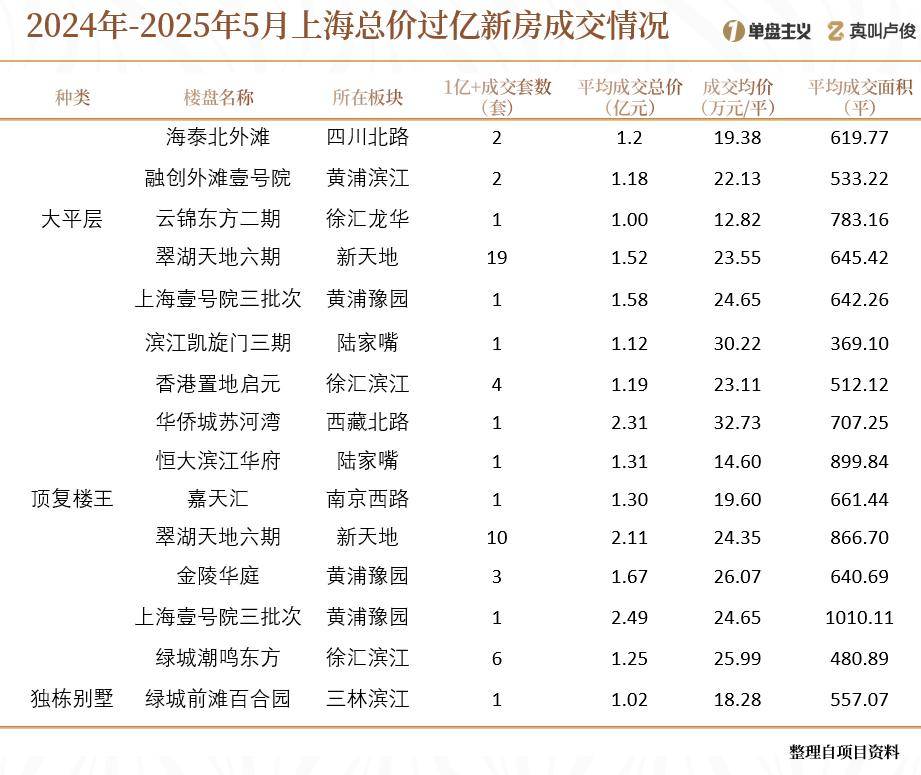
Core Viewpoint - The Shanghai real estate market is experiencing significant changes in the first half of 2025 due to the implementation of policies such as "沪九条" and "沪七条," leading to a differentiated performance between core and peripheral areas, with a focus on the importance of quality and location in property selection [1][5][20]. Group 1: Market Performance - In 2024, the second-hand housing market in Shanghai saw a total of 242,700 transactions, an increase of over 50,000 from 2023, marking a three-year high [2]. - The average transaction price for luxury properties in core areas remains strong, with notable sales such as a 434 square meter unit in Pudong selling for 335,700 yuan per square meter [2]. - The new housing market is characterized by a stark contrast, with luxury properties selling out quickly while demand for affordable housing in suburban areas remains weak, leading to a 24% decline in new home transactions compared to 2023 [8][10]. Group 2: Policy Impact - The "沪九条" policy, which relaxed restrictions for single buyers from outside the city, resulted in a 40% increase in transaction volume in the 联洋 area shortly after its implementation [5]. - The "沪七条" policy, which removed distinctions between ordinary and non-ordinary residential properties, led to a record monthly transaction volume of 29,700 units in December 2024 [5]. - The policies are seen as the most lenient in a decade, significantly stimulating both demand for first-time buyers and those looking to upgrade their living conditions [14]. Group 3: Market Dynamics - The differentiation in the market is evident, with older neighborhoods in Qingpu and Jiading seeing listing prices drop by over 3% year-on-year, while high-quality properties maintain their value [7]. - The average price of new homes in Shanghai reached 76,135 yuan per square meter in 2024, a 14.5% increase year-on-year, primarily driven by luxury properties [12]. - The market is moving away from speculative buying, with a shift towards more rational purchasing decisions among buyers, reflecting a return to the essence of housing needs [16][20].
银行跨界卖房,为什么?
Xin Jing Bao· 2025-11-11 10:58
Core Viewpoint - The recent surge in bank "fire sales" is primarily a response to the need for banks to dispose of defaulted loan collateral, rather than a strategic market entry, indicating a market-driven correction aimed at restoring the housing market to its fundamental purpose of providing shelter [1] Group 1 - Sichuan Rural Credit has listed 24,000 properties for sale as part of this trend [1] - Lanzhou Bank has seen a 60% increase in direct property sales, highlighting the urgency of asset liquidation [1] - This wave of asset sales is characterized as a self-rescue effort by banks to manage their non-performing loans [1]

专家说对了!我国二三十层电梯房,未来或将面临同一个结局
Sou Hu Cai Jing· 2025-05-05 19:54
Core Insights - The Chinese real estate market remains stagnant in 2025, with over 2 million second-hand homes listed nationwide and cities like Chongqing and Chengdu facing inventory backlogs exceeding 200,000 units [1] - In major cities like Beijing and Shanghai, old high-rise residential buildings have listing periods extending over two years, with transaction prices generally 15%-30% below market value [2] Group 1: Market Trends - High-rise apartments, once considered desirable, are rapidly depreciating in value, reflecting a shift in market perception [4] - The average price of elevator apartments in first-tier cities has dropped by 12% year-on-year in 2025, while step-up apartments have seen a 5% increase [8] Group 2: Structural Issues - High-rise buildings suffer from significant common area allocations, with only 70 square meters usable out of a 100 square meter purchase, leading to higher costs for residents [6] - Aging infrastructure poses a major concern, with elevators typically requiring major repairs after 8-10 years of heavy use, leading to increased maintenance costs for residents [7] Group 3: Safety and Maintenance Concerns - High-rise buildings face critical safety issues, particularly during emergencies, as fire escapes and elevators may become inoperable [7] - The lack of maintenance and deteriorating conditions in high-rise buildings can lead to a downward spiral, where poor living conditions further decrease property values [10] Group 4: Financial Implications - Banks are increasingly cautious, halving loan amounts for high-rise properties over 20 years old, pushing buyers towards full cash purchases [9] - The market for high-rise apartments is shrinking, with only 2 out of 30 listed units sold last year, indicating a significant lack of buyer interest [10]