
欧佩克+

Search documents
“欧佩克+”宣布继续暂停增产 不再提高3月原油产量
Yang Shi Xin Wen Ke Hu Duan· 2026-02-01 16:00
Core Viewpoint - The "OPEC+" organization has decided to maintain its current production levels, keeping oil output unchanged for March amid rising prices due to geopolitical tensions [1] Group 1 - "OPEC+" members agreed to keep March oil production levels unchanged [1] - Recent increases in oil prices are attributed to market concerns over potential military actions by the U.S. against Iran, a member of OPEC [1]
美国攻击委内瑞拉让OPEC面临逆风
日经中文网· 2026-01-13 02:23
Core Viewpoint - The potential development of Venezuela's oil reserves by the United States could significantly diminish OPEC's price control capabilities, leading to a shift in the global oil market dynamics [2][5]. Group 1: Oil Market Dynamics - Venezuela, a member of OPEC, has the largest oil reserves in the world, and the U.S. is the largest oil producer. If the U.S. develops Venezuela's oil, OPEC's influence may further decline [2]. - As of January 12, WTI crude oil futures were around $59 per barrel, only about 3% higher than before the U.S. attack on Venezuela, and significantly lower than the peak prices during the Ukraine crisis in 2022 [4]. - Morgan Stanley predicts that Venezuela's oil production could increase from over 800,000 barrels per day to 1.3-1.4 million barrels per day within two years, and potentially reach 2.5 million barrels per day in ten years [4]. Group 2: OPEC's Challenges - The shale revolution in the late 2000s revitalized the U.S. as an oil producer, overshadowing OPEC's influence. In 2016, OPEC formed the "OPEC+" framework with Russia to regain some price control [7]. - Post-COVID-19, non-OPEC countries like the U.S. and Guyana have steadily increased production, leading to a decline in OPEC+'s market share. Some OPEC+ countries plan to gradually lift production cuts starting April 2025 due to oversupply [8]. Group 3: Geopolitical Implications - Trump's administration aims to lower gasoline prices ahead of the 2026 midterm elections, which could be supported by increased Venezuelan production, keeping oil prices low and enhancing U.S. energy security [8]. - The short-term impact of U.S. actions may benefit Gulf Arab oil producers, as over half of Venezuela's oil exports go to China, potentially strengthening the negotiating power of Gulf countries seeking alternative supply sources [8].

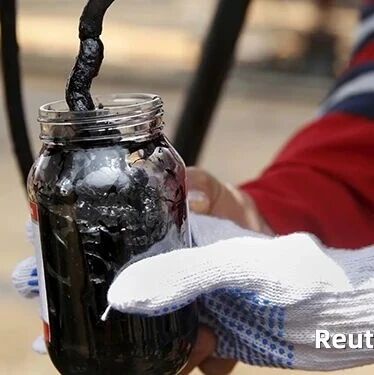
欧佩克+同意第一季度暂停增产
Di Yi Cai Jing· 2026-01-04 12:30
Group 1 - OPEC+ agreed to pause production increases in the first quarter during a meeting held on Sunday [1]
雷声大雨点小!特普会“口惠而实不至”,油市回归现实
Jin Shi Shu Ju· 2025-08-18 04:17
Core Insights - The meeting between President Trump and President Putin did not yield a decisive agreement on a ceasefire or the potential increase of Russian oil flow globally, leading to a decline in initial optimism [1][2] - Despite the lack of concrete outcomes, the meeting highlighted Russia's enduring strength in the global energy market, even amidst sanctions [1][2] Group 1: Meeting Outcomes - Trump described the meeting as "very productive" with some progress, but no agreements were reached [1] - Putin characterized the discussions as "constructive," indicating some consensus on certain issues without providing specifics [1] - The meeting was framed as a high-stakes confrontation that could potentially reshape the sanctions landscape favorably for Russia [1][2] Group 2: Oil Export Dynamics - According to the EIA, Russian oil exports have only seen a "moderate" decline since the onset of the Ukraine conflict, with an average daily export of 4.3 million barrels in the first half of the year [2] - The decrease in Russian oil exports to Europe has been offset by increased exports to Asia, maintaining Russia's position in the OPEC+ framework [2][3] Group 3: Future Energy Market Implications - The likelihood of a significant shift in global oil supply post-summit is considered "minimal" [3] - The ongoing conflict means that the oil market remains unchanged, with no immediate resolution in sight [4] - Long-term, the summit's implications extend beyond immediate energy flows to Russia's role in the global energy structure, with a need for Russia to establish itself as a reliable and low-cost energy supplier [4][5] Group 4: Market Reactions - The summit was not seen as a "magic lever" for supply changes due to existing production constraints from sanctions and OPEC+ quotas [5] - The meeting was characterized as a "tentative" encounter that generated optimism without binding commitments [5] - Market participants may react to the lingering premium in oil prices, but the summit did not provide a catalyst for a significant revaluation of energy security [5]
科威特石油部长:欧佩克+的决定是基于对产量、库存和未来预期的市场数据的全面分析。
news flash· 2025-08-03 20:20
Group 1 - The core viewpoint is that the decisions made by OPEC+ are based on a comprehensive analysis of market data regarding production, inventory, and future expectations [1]
据国际文传电讯社:考虑到补偿措施,预计9月份欧佩克+实际石油产量增幅可能达到52.8万桶/日。
news flash· 2025-08-03 11:56
Group 1 - The core viewpoint indicates that OPEC+ is expected to see an increase in actual oil production by 528,000 barrels per day in September, considering compensation measures [1]
消息人士:欧佩克+八国将于9月7日举行下一次会议。
news flash· 2025-08-03 11:24
Group 1 - OPEC+ countries will hold their next meeting on September 7 [1]
消息人士称,欧佩克+同意9月增产54.8万桶/日。(彭博)
news flash· 2025-08-03 11:21
Group 1 - OPEC+ has agreed to increase production by 548,000 barrels per day in September [1]
消息人士称,欧佩克+原则上已达成协议,9月将把石油日产量提高54.8万桶。
news flash· 2025-08-03 06:19
Core Viewpoint - OPEC+ has reached a preliminary agreement to increase oil production by 548,000 barrels per day starting in September [1] Group 1 - The decision reflects OPEC+'s strategy to adjust oil supply in response to market conditions [1] - The increase in production aims to stabilize global oil prices amid fluctuating demand [1] - This agreement may influence oil market dynamics and impact related industries [1]
据两名消息人士称,欧佩克+已原则上同意在9月份将石油产量提高54.8万桶/日。
news flash· 2025-08-03 06:18
Group 1 - OPEC+ has agreed in principle to increase oil production by 548,000 barrels per day in September [1]