
民俗传承

Search documents
拔河绳上的“乡愁”
Xin Lang Cai Jing· 2026-02-27 22:33
Group 1 - The article highlights a unique tug-of-war competition held in Yaopu Town, Anshun Economic Development Zone, which has become a significant cultural event for the local community, especially for young people returning home during the Spring Festival [1][2] - The tug-of-war tradition in Yaopu has historical roots, evolving from ancient practices and serving as a means for community bonding and cultural preservation, with participation from both local residents and returning migrants [2] - The event has been organized more systematically in recent years, allowing for broader participation across age groups, thus revitalizing the traditional custom and enhancing community spirit [2] Group 2 - The "Village Tug-of-War" competition aims to activate rural vitality and foster development through cultural engagement, with over 100,000 spectators participating both online and offline, indicating a significant boost to local tourism and economy [3] - Local officials emphasize the importance of leveraging cultural events like the tug-of-war to create a distinctive brand for the village, which can lead to increased income and prosperity for the community [3]
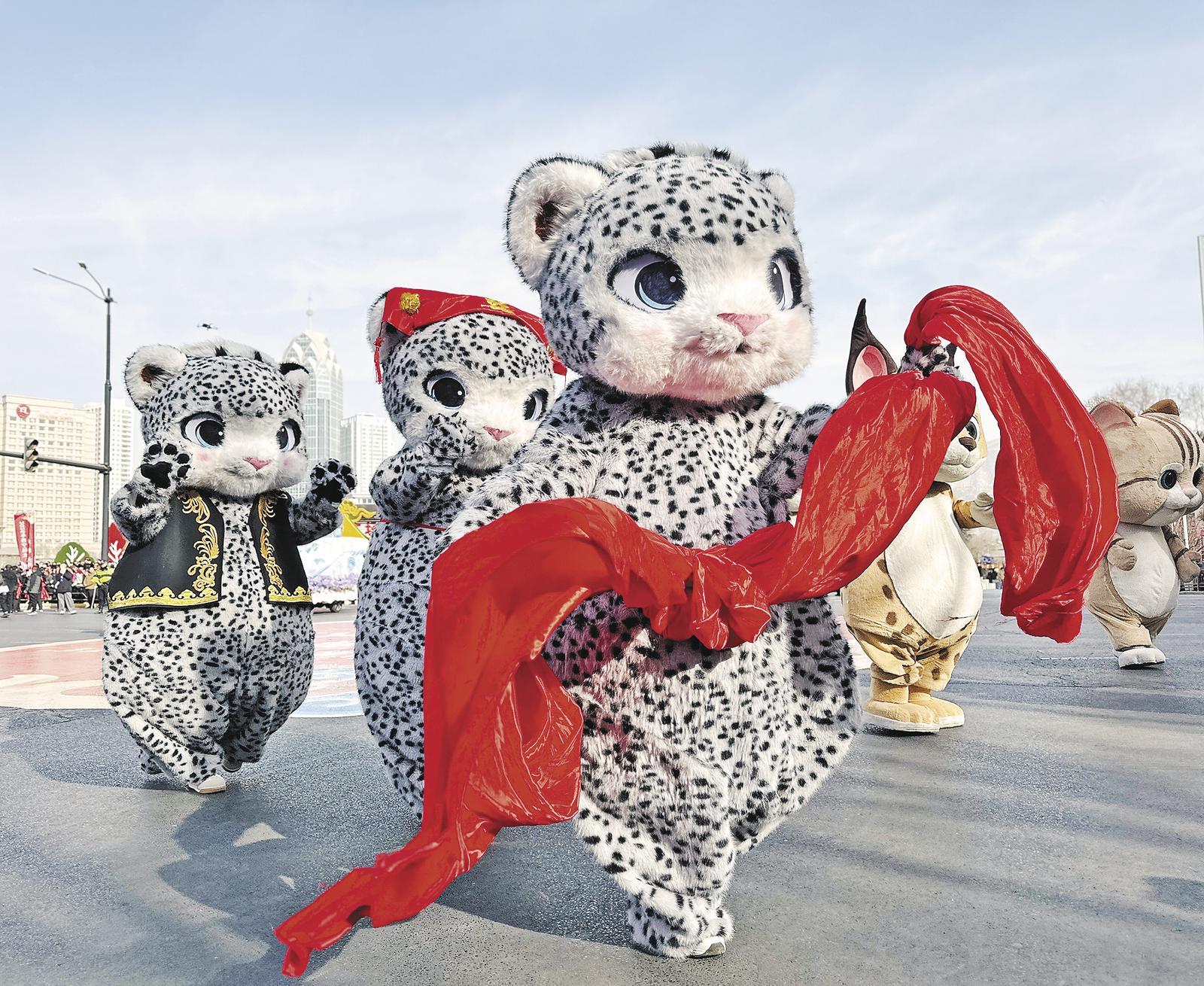
社火闹春年味浓 正月初十满城欢
Xin Lang Cai Jing· 2026-02-26 18:39
Core Viewpoint - The 2026 Xining Shouhuo Festival, themed "Leaping into the New Year," successfully integrated traditional cultural elements with modern interactive features, attracting significant public interest and participation [6][9]. Group 1: Event Highlights - The festival featured a grand opening with a performance titled "Leaping into the New Year," showcasing a theme float and various cultural performances, including traditional dances and modern interpretations [6][7]. - Over 90% of participants in a pre-event survey had previous experience attending the festival, with 70% expressing a desire for traditional elements to be incorporated into modern festivities [7]. - The event included diverse performances such as dragon and lion dances, high stilt performances, and a blend of Latin and street dance, appealing to both traditional and contemporary audiences [7][8]. Group 2: Community Engagement - The festival was shaped by community feedback, with extensive surveys conducted to ensure the program resonated with local tastes and preferences [7]. - Participants expressed a strong desire to engage with the festival, with 56.84% indicating they wanted to participate actively in the performances [7]. - The event fostered a sense of unity and cultural pride among attendees, as reflected in the emotional responses of both performers and spectators [8][9]. Group 3: Technological Integration - The incorporation of technology was evident, with performances featuring smart robots and 3D-printed costumes, enhancing the visual appeal and modernizing traditional elements [8]. - A "robot guide" became a focal point of the event, showcasing innovative costume design and performance art [8]. Group 4: Cultural Significance - The festival was described as a celebration of local culture, blending ancient traditions with contemporary expressions, symbolizing the vibrant spirit of Xining [9][10]. - The event resonated deeply with attendees, evoking nostalgia and a sense of belonging, particularly among those who had returned home for the celebrations [10].

家门口的年味
Xin Lang Cai Jing· 2026-02-24 20:22
Group 1 - The core viewpoint of the article highlights the vibrant celebration of traditional customs and consumer engagement through various New Year markets in Baotou City, which enhances community spirit and local economy [3][4] Group 2 - The community New Year market in Qingshan District features local delicacies such as oil cakes and spicy sauces, fostering neighborly connections and providing essential services like knife sharpening at symbolic charges [3] - The larger municipal New Year festival, "Cross-Year Consumption · Enjoy Baotou," showcases over 70 vendors, combining online and offline sales while ensuring strict safety standards for agricultural products [4] - The integration of community gatherings and city-wide exhibitions in Baotou's New Year celebrations serves as a platform for cultural heritage, emotional bonding, consumer stimulation, and public service, creating a warm and festive atmosphere [4]
潮涌新春 烟火市北!2026年青岛萝卜·元宵·糖球会正式启幕
Xin Lang Cai Jing· 2026-02-18 02:36
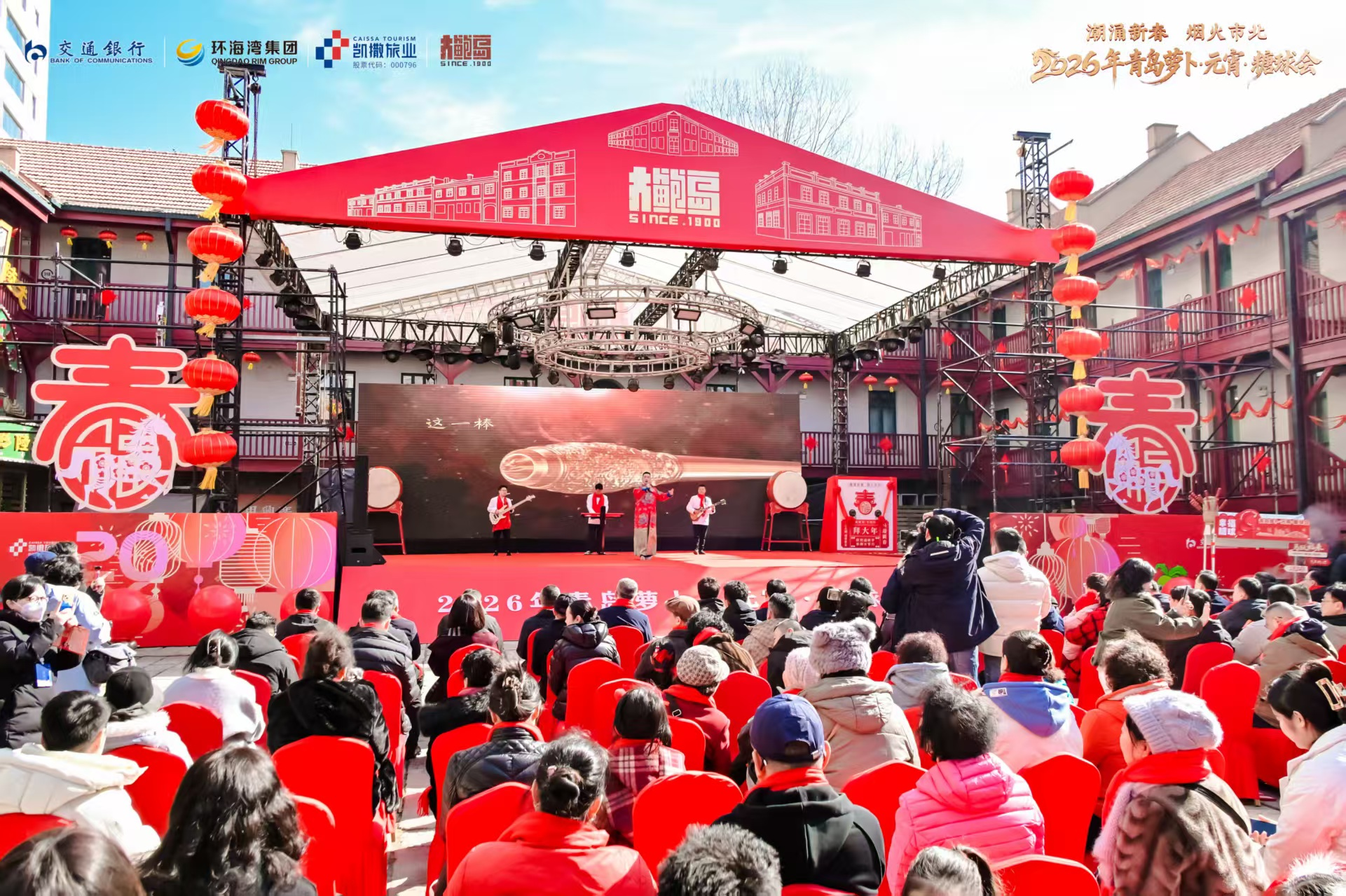
Core Viewpoint - The 2026 Qingdao Radish Lantern Festival officially commenced on February 17, 2026, in the culturally rich area of Dabaodao, showcasing a blend of traditional customs and modern innovations in a festive atmosphere [1][19]. Group 1: Event Overview - The event is organized by multiple governmental bodies including the Qingdao Municipal Bureau of Culture and Tourism and the Qingdao Municipal Bureau of Commerce, with support from various local organizations [1]. - The festival spans two major traditional holidays, Spring Festival and Lantern Festival, featuring two main venues: Dabaodao and Haiyun'an, optimizing both time and space for a comprehensive cultural experience [9][11]. Group 2: Cultural Performances - The opening ceremony featured a grand performance titled "Drum Music and Spring," followed by various artistic segments that included songs and traditional music, appealing to a wide audience [3][11]. - A highlight of the event was the performance "Happy Sugar Ball," which creatively depicted the making of sugar balls and the festive atmosphere, showcasing family warmth and cultural heritage [6]. Group 3: Technological Integration - The festival incorporates technology to enhance traditional customs, featuring digital mascots and interactive installations that engage visitors, such as light displays and robot demonstrations [15]. - Nighttime activities, including a lantern festival and various performances, aim to attract younger audiences while maintaining traditional cultural elements [15]. Group 4: Economic Impact - The event features over 400 unique food stalls, promoting local culinary traditions and stimulating consumer activity, with notable brands participating [17]. - Various promotional activities, including discounts and special offers from local businesses, are designed to enhance consumer engagement and boost local economy [17]. Group 5: Community Engagement - The festival encourages community participation through activities like dumpling-making events and cultural experiences, fostering a sense of unity among residents and visitors [17]. - Local streets and communities are involved in organizing traditional games and celebrations, ensuring widespread cultural engagement and enjoyment [17].
新春走基层|青春力量焕新彩 民俗传承谱新篇
Jing Ji Wang· 2026-02-12 07:20
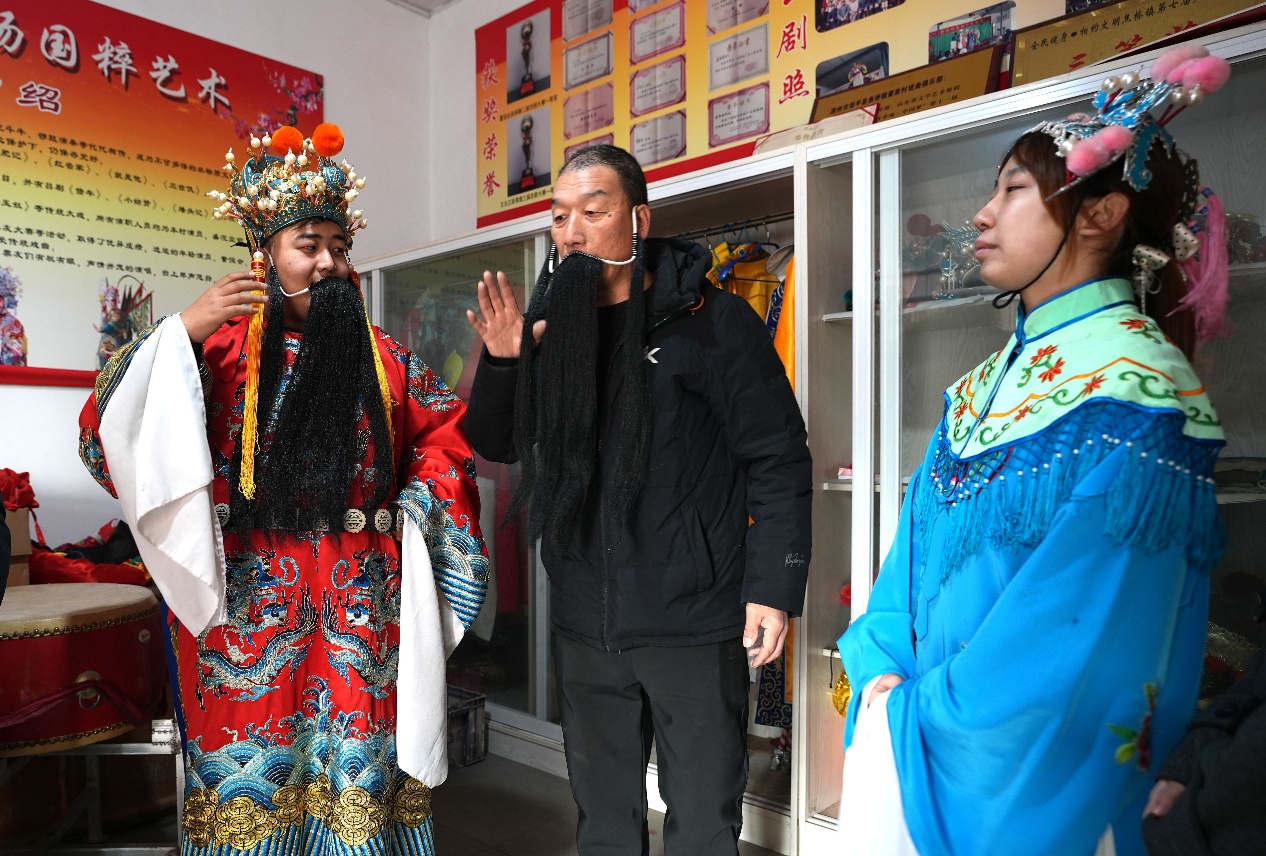
Core Viewpoint - The article highlights a cultural revival in rural Shandong, where returning university students are actively engaging in traditional folk arts, thereby rejuvenating local customs and enriching the festive atmosphere of the Spring Festival [1]. Group 1: Cultural Engagement - University students are returning to their hometowns and participating in local cultural activities, such as learning traditional opera and folk dances, which fosters a connection between the youth and their cultural heritage [1][8]. - The involvement of students like Dong Naiyuan in learning Peking opera from local masters demonstrates a personal commitment to preserving traditional arts [1][3]. Group 2: Traditional Arts and Practices - The article describes various traditional practices being revived, including Peking opera, dragon dance, and folk songs, with students actively participating and learning from experienced local artists [2][4][7]. - The dragon dance, led by students like Li Hongyi, showcases the physical and teamwork skills required, emphasizing the cultural significance and community spirit embedded in these traditions [4][8]. Group 3: Community and Cultural Legacy - The article emphasizes the importance of community involvement in cultural practices, as seen in the collaboration between students and local artisans, which helps to pass down these traditions to future generations [7][8]. - The revival of customs such as the car lantern dance in Dongyu Village illustrates the historical significance of these practices, rooted in local history and community celebrations [7].
蹄响弥陀 福沐新岁 弥陀寺巷新春游园会热闹开场
Zhen Jiang Ri Bao· 2026-02-08 23:48
Group 1 - The event "蹄响弥陀·福沐新岁" New Year Garden Party was held in a vibrant atmosphere, blending traditional elements with youthful creativity [1] - The event featured six interactive points scattered throughout the alley, providing various engaging activities for participants [1] - Visitors enjoyed activities such as "投壶雅趣" and "弹跳乒乓球," with many leaving with gifts like candy blind boxes and flowers [1] Group 2 - Citizens gathered at the event to collect stamps and open red envelope blind boxes containing merchant discount coupons, enhancing the experience [2] - The event was described as a combination of folk games and cultural engagement, revitalizing the street's economy and enriching residents' cultural lives [2] - The festive atmosphere created by the event is expected to continue, contributing positively to the upcoming Year of the Horse [2]
武侯祠小喜神上岗啦
Xin Lang Cai Jing· 2026-02-05 23:23
Core Viewpoint - The Chengdu Wuhou Shrine Museum is hosting the "Little Lucky God" selection event as part of the Chengdu Grand Temple Fair, aiming to engage children in cultural traditions and enhance the festive atmosphere of the Lunar New Year [1][3]. Group 1: Event Details - The "Little Lucky God" selection event features 55 children divided into three groups: "Fortune Little Lucky Gods," "International Little Lucky Gods," and "Prosperity Little Lucky Gods" [1]. - Children showcase their talents through poetry recitation, traditional music performances, and knowledge of customs, with notable performances including a Sichuan opera face-changing act [1][2]. - The event attracted many visitors, with participants expressing excitement and appreciation for the cultural experience [3]. Group 2: International Participation - The museum has recruited international participants, including mixed-heritage children, to represent global cultural diversity [2]. - Performances by international participants included jazz dance and Chinese poetry recitation, highlighting the event's inclusive nature [2]. Group 3: Training and Activities - Selected "Little Lucky Gods" will undergo systematic training in traditional customs, including Hanfu etiquette and performance rehearsals [3]. - During the Grand Temple Fair, they will engage in interactive activities and distribute souvenirs to visitors, enhancing the festive experience [3]. Group 4: Cultural Significance - The initiative aims to preserve and promote traditional customs among children, ensuring the cultural heritage of Chengdu is passed down [3]. - The event is set to officially open on February 13, 2026, promising to bring joy and a festive atmosphere to the community [3].
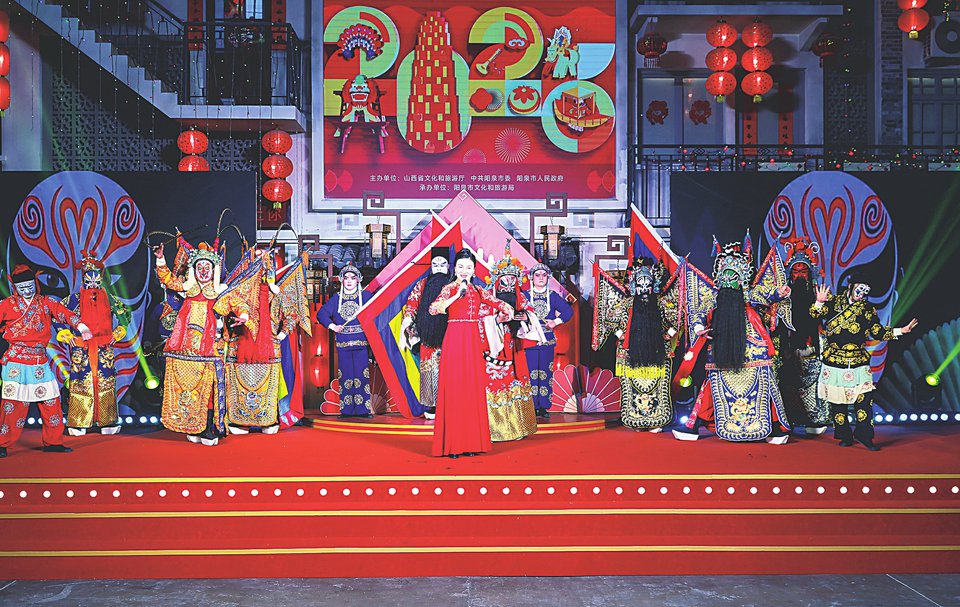
690项活动“晋”享地道中国年
Xin Lang Cai Jing· 2026-02-01 01:44
Core Viewpoint - The "2026 Year Flavor Shanxi" cultural tourism series activities were officially launched to showcase Shanxi's rich traditional customs and tourism resources, aiming to attract domestic and international tourists to experience authentic Chinese New Year celebrations [1][4]. Group 1: Event Overview - The event features an immersive nostalgic theme with a core content structure of "1+1+4," including a "Shanxi New Year Family Feast" launch ceremony, a "Yangquan Meal Ticket" themed activity, and four interactive sections: immersive performances, interactive scenes, themed games, and traditional customs experiences [3]. - Various nostalgic scenes such as a time postal office, karaoke hall, and disco hall were recreated, along with traditional games like rolling iron rings and flower rope flipping, and intangible cultural heritage experiences like making paper flowers and folding lanterns [3]. Group 2: Engagement and Promotion - The event included interactions with renowned science fiction writer Liu Cixin, who offered New Year blessings, and introduced the 3D naked-eye video of the Shanxi cultural tourism 2026 mascot "Er Xiao," symbolizing warmth and hospitality [3]. - The Shanxi Provincial Department of Culture and Tourism announced four special tourism routes for the 2026 Spring Festival, covering themes such as family outings and new year blessings, enhancing the immersive tourism experience [4]. Group 3: Broader Impact - A total of 690 New Year-themed activities will be launched across 11 cities in Shanxi around the 2026 Spring Festival, featuring folk performances, ice and snow hot springs, ancient town lantern festivals, and intangible cultural heritage experiences [4]. - The initiative aims to stimulate the winter tourism market and promote cultural tourism consumption upgrades, showcasing Shanxi's rich historical and cultural resources and unique regional New Year customs to the world [4].
灯火绵绵,何以相传? | 问俗兴宁上灯③
Nan Fang Nong Cun Bao· 2026-01-27 02:08
Core Viewpoint - The article discusses the cultural significance and continuity of the "Shangdeng" (Lantern Festival) tradition in Xingning, highlighting its role in family and community bonding, as well as the transmission of cultural heritage across generations [1]. Group 1: Cultural Significance - "Shangdeng" serves as a marker of time and a means of honoring ancestors, with rituals taking place from the seventh to the twenty-second day of the lunar new year [4][11]. - The festival encapsulates wishes for family prosperity and reunions, reflecting deep-rooted cultural values among the Hakka people of Xingning [10][12]. Group 2: Transmission of Tradition - The tradition is passed down through experiential learning rather than written rules, with younger generations observing and participating in rituals alongside elders [18][27]. - Community involvement is crucial, as seen in the active participation of families in organizing and executing the festival, which fosters a sense of belonging and responsibility [39][41]. Group 3: Craftsmanship and Artisanship - The craftsmanship of lantern-making is a vital aspect of the "Shangdeng" tradition, with artisans like Yuan Xiuyan and his daughter continuing the family legacy of creating traditional lanterns [56][59]. - The materials and designs used in lanterns carry symbolic meanings, reflecting cultural beliefs and wishes for prosperity and harmony [62][70]. Group 4: Modern Adaptations and Future Directions - The festival is evolving, with younger generations incorporating contemporary values and practices, such as recognizing the significance of daughters in family celebrations [99][100]. - There is a growing emphasis on transforming the "Shangdeng" tradition into a cultural industry, which could enhance its sustainability and relevance in modern society [118][120].
