汉服经济

Search documents
当男生们在洛阳穿上女装
Sou Hu Cai Jing· 2026-02-24 18:17
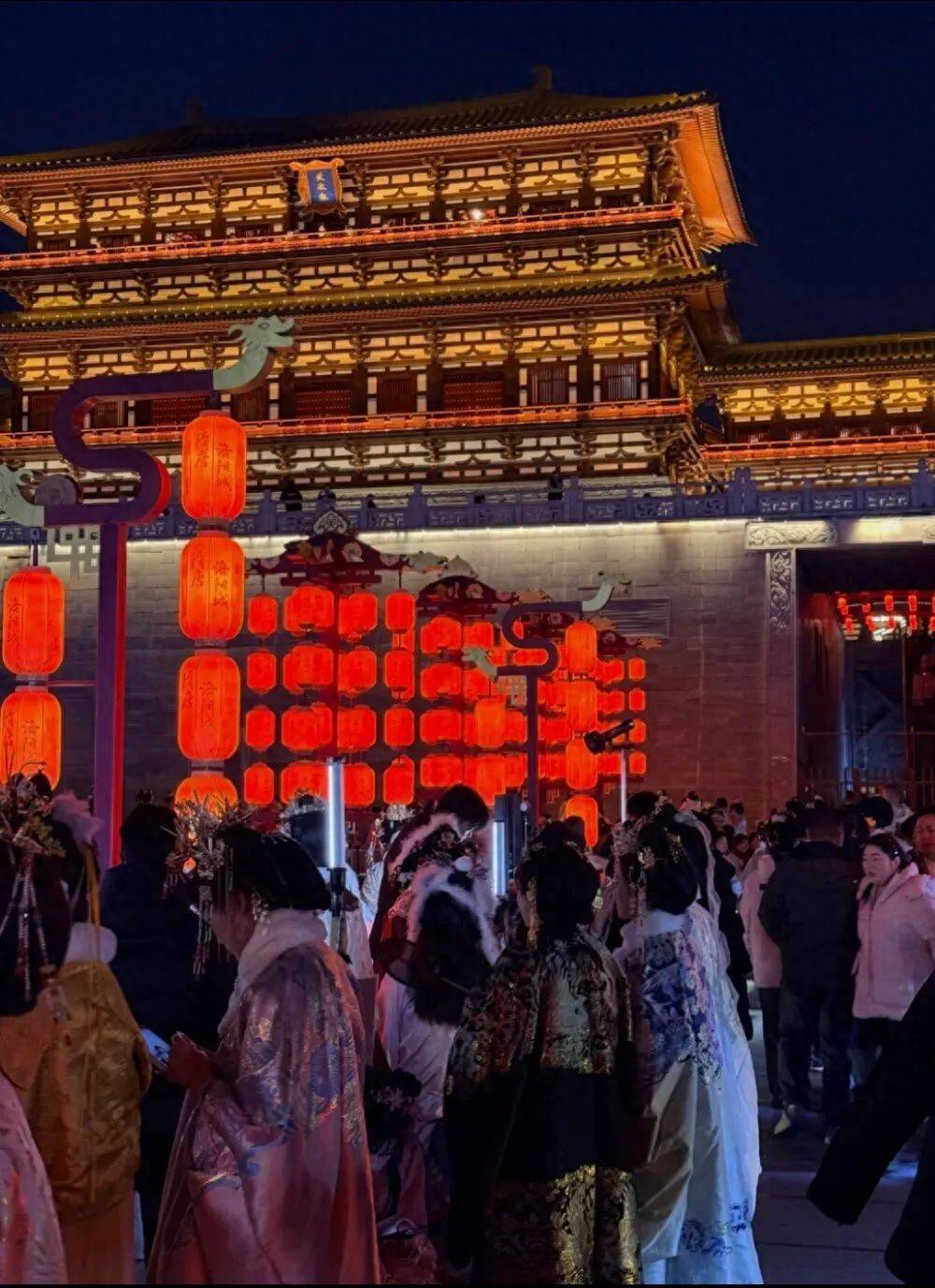
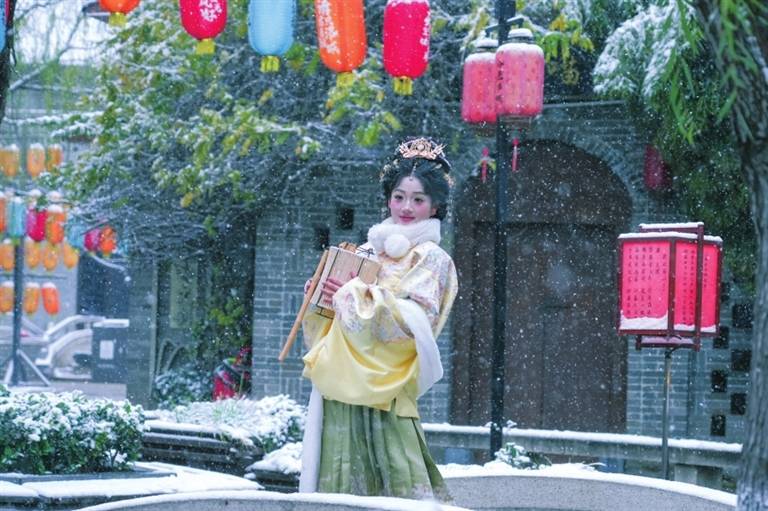
Core Insights - The article discusses the emerging trend of male cross-dressing in Hanfu attire during the Spring Festival in Luoyang, highlighting how this phenomenon has become a significant aspect of local tourism and cultural experiences [2][7][43] Group 1: Market Trends - The trend of male cross-dressing, referred to as "爆改" (explosive transformation), has gained popularity, with many young men participating in this cultural experience during their visits to Luoyang [9][12] - Hanfu shops in Luoyang have adapted their offerings, with over 30% of their inventory now consisting of larger-sized women's clothing specifically for male customers [14][23] - The demand for vibrant and colorful women's Hanfu among male customers has surged, with styles like the Tang dynasty attire being particularly favored for their flattering fit [12][14] Group 2: Social Media Influence - The rise of this trend has been significantly fueled by social media platforms like Douyin and Xiaohongshu, where videos showcasing male transformations have gone viral, attracting more participants [26][29] - Influencers and content creators have played a crucial role in popularizing the "爆改" trend, leading to a rapid increase in interest and participation among young men [36][43] Group 3: Cultural and Economic Impact - The phenomenon reflects a broader shift in male consumer behavior within the tourism sector, where men are increasingly taking on active roles as both participants and content creators in cultural experiences [36][43] - Luoyang's ability to integrate this trend into its tourism marketing strategy has enhanced its appeal, showcasing a progressive and inclusive city image [40][43] - The local Hanfu industry has demonstrated agility in responding to changing consumer preferences, ensuring that hygiene and service standards are maintained to accommodate this new demographic [14][40]

新华视点丨衣袂翩跹 汉服经济的破圈与新生
Xin Hua Wang· 2026-01-03 07:05
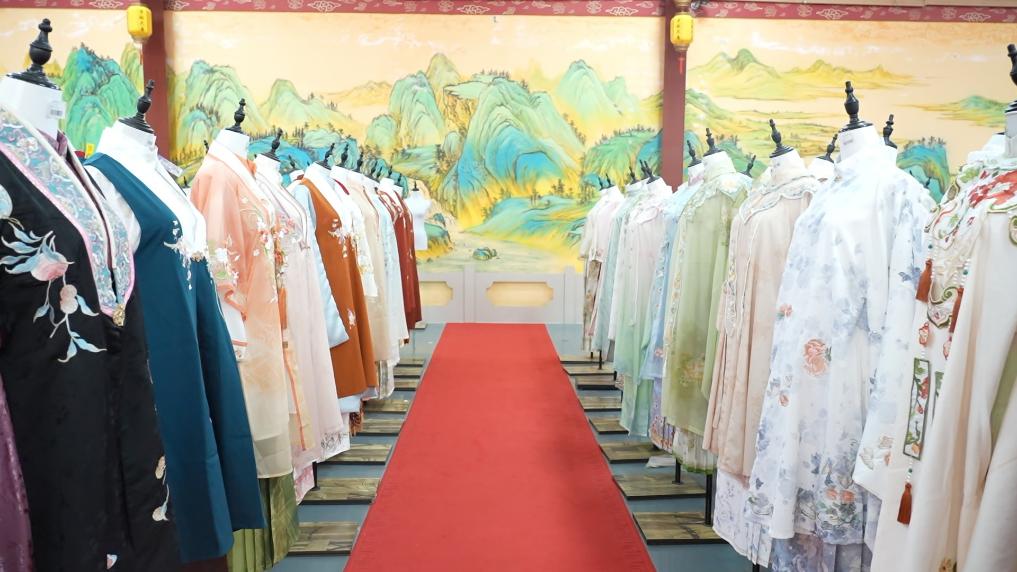
Core Insights - The rise of the "Hanfu economy" represents a contemporary revival of traditional culture and a profound transformation in the consumer market, evolving from a niche hobby to a billion-dollar industry, integrating traditional patterns with modern aesthetics and craftsmanship with industrial chains [1] Industry Overview - Shandong Caoxian is a significant production base for Hanfu, holding over half of the national market share, with a notable increase in demand for Ming-style Hanfu as the New Year approaches, leading to full-capacity operations in local manufacturing [1][2] - In 2025, from January to November, Caoxian's Hanfu sales are projected to exceed 11.97 billion yuan, marking a year-on-year growth of over 10%, with products being exported to more than 30 countries and regions, including the United States and Australia [2] Design and Innovation - Designers like Li Zhenzhen are blending traditional craftsmanship with modern design, creating unique pieces such as the "Hundred Birds Facing the Phoenix" Ming-style Hanfu, which employs techniques like symmetrical flower patterns to enhance aesthetic and artistic value [2][3] - Li Zhenzhen is transitioning from flat design to woven textile design, incorporating techniques from China's four famous brocades to bring intricate patterns to life in clothing [4] Cultural Integration - In Luoyang, Hanfu has transcended its role as a mere consumer product, becoming a cultural link between history and tourists, and a driving force in the tourism market through immersive experiences [5][6] - Luoyang's innovative approach combines Hanfu with immersive experiences, attracting more visitors and creating a new path for cultural tourism integration [6] Tourism and Experience - The local tourism department in Fengyang has launched initiatives allowing visitors to wear Hanfu for free entry to key historical sites, enhancing the cultural experience and stimulating consumer activity [7]
霓裳舞动 汉服经济激活消费新引擎
Sou Hu Cai Jing· 2025-12-24 03:46
Core Insights - The article highlights the booming Hanfu culture in Luoyang's old town, showcasing its integration with tourism and cultural experiences, which has become a significant economic driver [2][3]. Group 1: Hanfu Economy Growth - The number of Hanfu market entities in the old town surged from 18 at the end of 2022 to 1,360 currently, representing a nearly 75-fold increase in three years [2]. - Over 1.1 million visitors have experienced Hanfu since the beginning of 2023, with a peak of 150,000 visitors in a single day, contributing to a market consumption scale of 1.699 billion yuan [2]. Group 2: Employment and Industry Development - The Hanfu trend has not only revitalized core rental and sales sectors but has also created new job roles such as makeup artists, photographers, and stylists, engaging over 30,000 individuals in the cultural tourism sector [3]. - The number of guesthouses in the old town increased from 13 to 937 in just three years, a growth of 71 times, with an average occupancy rate exceeding 80% [3]. Group 3: Consumer Engagement and Marketing Strategies - The old town has implemented initiatives to enhance consumer experience, including the "Human Fireworks Consumption in the Old City" campaign, where local leaders participate in Hanfu experiences to promote spending [3]. - A total of over 400 market entities, including scenic spots, restaurants, and Hanfu shops, have responded to promotional activities, offering discounts on Hanfu experiences, dining, accommodation, and night tours [3]. Group 4: Long-term Development Plans - Since launching its investment promotion efforts in April 2024, the old town has signed 162 projects covering approximately 159,000 square meters, attracting over 1.28 billion yuan in social investment [4]. - The old town is focused on creating a high-quality cultural experience area, leveraging Hanfu as a medium to drive cultural consumption and enhance local livelihoods [4].
绾青丝着唐装、走进书中美景……传统文化生动“破圈”撬动消费澎湃活力
Yang Shi Wang· 2025-11-05 03:11
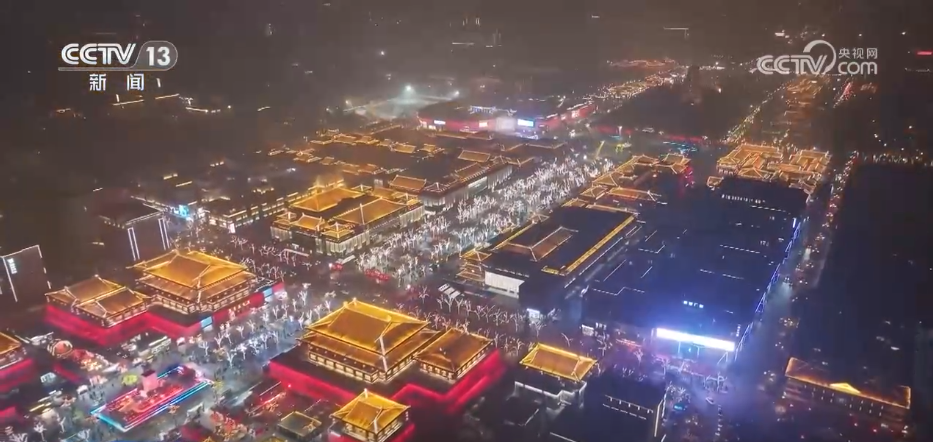
Group 1: Cultural and Tourism Trends - The article highlights a surge in cultural tourism consumption as people travel to enjoy autumn scenery, with many regions creating immersive theme parks that blend performance, scenery, and interactive experiences to enhance cultural engagement [1] - The Long'an Twelve Hours theme district in Xi'an has been revitalized, drawing inspiration from famous Tang Dynasty paintings to recreate the vibrant spring scenes of the era, showcasing a successful integration of art and tourism [3] - The performance "Tang Palace Music and Dance," which combines traditional Tang instruments and dance, is attracting significant tourist attention, indicating a growing interest in cultural performances [5] Group 2: Economic Impact of Cultural Tourism - The immersive experiences in cultural districts have spurred the growth of related industries, such as dining and traditional Hanfu clothing, with over 70% of visitors opting to wear Hanfu [8] - In the past three years, more than 500 Hanfu shops have opened in the vicinity, indicating a thriving "Hanfu economy" that includes rental services, makeup, and professional photography [8] Group 3: Literary Influence on Tourism - The article discusses how literary figures like Lao She and Shi Tiesheng have inspired tourists to explore Beijing's autumn through their writings, showcasing the connection between literature and cultural tourism [9][11] - The vivid descriptions of autumn in Beijing by these authors have led to increased visitor interest in locations that reflect their literary depictions, such as Lao She's former residence and the traditional hutongs [13] Group 4: Seasonal Aesthetics and Visitor Attraction - The autumn season in Beijing is characterized by vibrant colors from various tree species, creating picturesque landscapes that draw tourists [15] - The transformation of Beijing's autumn from pastoral imagery to urban symphony reflects the ongoing cultural significance and emotional resonance of the season [18]