汽车产业本地化

Search documents
东南亚出海解码:中国车企“卷”向东南亚,本土化成争夺新杠杆
3 6 Ke· 2026-02-02 08:22
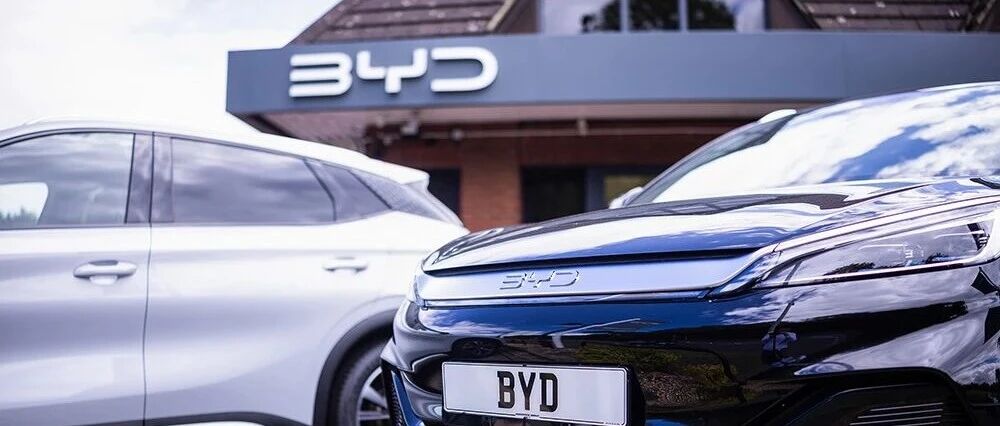
Core Insights - Southeast Asia's automotive industry is entering a policy adjustment window from late 2025 to early 2026, with Thailand significantly reducing electric vehicle (EV) tax rates and Malaysia ending tax exemptions for imported pure electric vehicles, shifting from broad consumer subsidies to more refined industrial guidance [1][2]. Policy Adjustments - Southeast Asian automotive markets are revising their industrial incentive policies, aiming to use tax and access regulations to attract international capital and technology [2]. - Thailand's new vehicle consumption tax will reduce the tax rate for pure electric vehicles to 2% by 2026, with conditions for plug-in hybrid vehicles to include local manufacturing of batteries and advanced driver-assistance systems (ADAS) [2]. - Malaysia has ended the road tax exemption for imported pure electric vehicles, implementing a tiered tax system based on motor power, encouraging local production while maintaining consumer interest [4]. Market Dynamics - Indonesia shows significant potential, with electric vehicle sales projected to grow by 49% in 2025, accounting for over 15% of total new car sales, making it the fourth largest export market for Chinese electric vehicles globally [5]. - By the end of 2025, 16 Chinese automotive brands will have entered the Indonesian market, surpassing Japanese brands, although Japanese brands still dominate in new car sales with Toyota holding a 31.6% market share [7]. - In Malaysia, Chinese brands are leading the electric vehicle market, with seven out of the top ten pure electric vehicle models being Chinese, and BYD emerging as the top-selling brand [7][8]. Competitive Landscape - The competition is shifting from product export to a comprehensive localization strategy that includes manufacturing, research and development, sales, and ecosystem integration [9]. - Geely aims for an export target of 640,000 vehicles by 2026, expanding its presence in Thailand with plans for new showrooms and service centers [11]. - Chery is establishing Malaysia as a regional production and export hub, investing 2.2 billion ringgit in a new factory with a capacity of 100,000 vehicles per year [11]. Future Outlook - The future of the Southeast Asian automotive market will be determined by refined policy guidance, infrastructure development, and the depth of localization by automotive companies [12]. - Chinese automotive companies will need to deepen their full industry chain localization to consolidate and expand their market share, moving beyond initial advantages gained through product cost-effectiveness and early electric vehicle adoption [12].


比亚迪“阳谋”押中欧盟考题
财富FORTUNE· 2026-01-17 13:13
Core Viewpoint - A significant breakthrough has been achieved in the trade dispute between the EU and China regarding electric vehicles, allowing Chinese automakers to submit a "price commitment" application to replace previously imposed high anti-subsidy taxes [1][3]. Group 1: EU-China Electric Vehicle Negotiations - The EU Commission initiated an anti-subsidy investigation into Chinese electric vehicles in the second half of 2023, leading to a consensus that Chinese exporters can apply for price commitments [1][3]. - The EU will issue guidelines for submitting price commitment applications, ensuring non-discriminatory treatment and adherence to WTO rules [3]. - The Chinese Chamber of Commerce for Import and Export of Machinery and Electronic Products described the negotiation outcome as a "soft landing" for the electric vehicle tariff dispute, but entering the European market remains challenging for Chinese automakers [3]. Group 2: BYD's Strategic Moves - BYD has shifted its focus overseas, increasing investments as the domestic electric vehicle market becomes saturated, leading to price cuts and declining domestic sales [4]. - BYD aims to surpass Volkswagen, Tesla, and Stellantis to become the largest electric vehicle seller in Europe by 2030, with plans for substantial investments in factories and distribution networks [5]. - Despite domestic sales pressures, BYD's pure electric vehicle sales are projected to exceed 2.257 million units in 2025, surpassing Tesla's 1.636 million units, making it the global sales leader [5]. Group 3: Local Production and Market Integration - BYD's early investments in Europe align with EU requirements, enhancing its ability to meet local market demands and regulations [6]. - The company plans to establish local production in Hungary, which will be the first passenger vehicle production base for a Chinese automaker in the EU, with production expected to start by the end of 2026 [6]. - BYD is negotiating with hundreds of European suppliers and aims to open over 1,000 stores across 32 European countries by the end of 2025 [6]. Group 4: Challenges and Market Dynamics - BYD faces challenges from external factors, including multiple recalls affecting over 200,000 vehicles due to battery issues, which could impact brand perception in overseas markets [7]. - The recent EU-China agreement is not a fixed standard, as geopolitical dynamics and tariff policies may change, requiring companies to adapt quickly to evolving rules [8]. - The current automotive landscape emphasizes rapid adaptation, with industry leaders needing to seize opportunities within the next three to five years to remain competitive [8].