腾势D9

Search documents
比亚迪(002594):海外业务多点开花,技术+产品迎来新周期
Huajin Securities· 2026-03-31 12:46
Investment Rating - The investment rating for BYD is maintained as "Buy" [2][3]. Core Insights - The report highlights that BYD's overseas business is experiencing significant growth, contributing to an increase in sales. In 2025, the company achieved a revenue of 803.97 billion yuan, a year-on-year increase of 3.46%, while the net profit attributable to shareholders was 32.62 billion yuan, a decrease of 18.97% [3]. - BYD's total sales reached 4.60 million units in 2025, representing an 8% increase year-on-year, with overseas sales reaching 1.05 million units, a remarkable 145% increase, accounting for approximately 24% of total sales [3]. - The gross margin for 2025 was reported at 17.74%, a decrease of 1.70 percentage points year-on-year, while the net margin was 4.20%, down by 1.15 percentage points [3]. - The report emphasizes the successful launch of new technologies, including the second-generation blade battery and fast-charging technology, which allows for charging from 10% to 97% in just 9 minutes. This technology is expected to drive a new cycle of product competitiveness [3]. - BYD's high-end brands, including Fangchengbao, Tengshi, and Yangwang, saw a combined sales increase of 109% in 2025, with their sales proportion rising from 4.5% in 2024 to 8.7% in 2025 [3]. Financial Data Summary - For the fiscal year 2025, BYD's revenue was 803.97 billion yuan, with a projected revenue of 922.54 billion yuan for 2026, reflecting a year-on-year growth of 14.7% [5]. - The net profit for 2026 is estimated to be 41.14 billion yuan, representing a 26.1% increase compared to 2025 [5]. - The earnings per share (EPS) for 2026 is projected at 4.51 yuan, with subsequent years showing continued growth [5]. - The gross margin is expected to improve to 18.5% in 2026, with a net margin of 4.5% [5].

比亚迪(002594):2025年年报点评:海外业务多点开花,技术+产品迎来新周期
Huajin Securities· 2026-03-31 11:08
Investment Rating - The investment rating for BYD is maintained as "Buy" [2][3] Core Insights - The company reported a revenue of 803.965 billion yuan for 2025, a year-on-year increase of 3.46%, while the net profit attributable to shareholders was 32.619 billion yuan, a decrease of 18.97% [3] - The overseas sales reached 1.0496 million units, a significant increase of 145% year-on-year, contributing to approximately 24% of total sales [3] - The gross margin for 2025 was 17.74%, a decrease of 1.70 percentage points year-on-year, while the net margin was 4.20%, down by 1.15 percentage points [3] - The company has expanded its overseas presence, covering 119 countries and regions, with notable market leadership in Thailand, Singapore, and Brazil [3] - The high-end brands, including Fangchengbao, Tengshi, and Yangwang, achieved a combined sales of 396,600 units, a growth of 109% year-on-year [3] - The introduction of the second-generation blade battery and flash charging technology is expected to enhance product competitiveness and drive a new cycle of growth [3] Financial Performance - Revenue projections for 2026, 2027, and 2028 are estimated at 922.540 billion yuan, 1,041.305 billion yuan, and 1,161.187 billion yuan, representing year-on-year growth rates of 14.7%, 12.9%, and 11.5% respectively [5] - The net profit for the same years is projected to be 41.135 billion yuan, 53.064 billion yuan, and 60.991 billion yuan, with growth rates of 26.1%, 29.0%, and 14.9% respectively [5] - The earnings per share (EPS) are expected to be 4.51 yuan, 5.82 yuan, and 6.69 yuan for 2026, 2027, and 2028 [5]
比亚迪:2025年年报点评:海外业务多点开花,技术+产品迎来新周期-20260331
Huajin Securities· 2026-03-31 10:24
Investment Rating - The investment rating for BYD is maintained as "Buy" [2][3] Core Insights - The company reported a revenue of 803.97 billion yuan for 2025, a year-on-year increase of 3.46%, while the net profit attributable to shareholders was 32.62 billion yuan, a decrease of 18.97% [3] - The overseas sales reached 1.05 million units, representing a significant year-on-year growth of 145%, contributing to approximately 24% of total sales [3] - The gross margin for 2025 was 17.74%, a decrease of 1.70 percentage points year-on-year, while the net margin was 4.20%, down by 1.15 percentage points [3] - The company has expanded its overseas presence, achieving sales in 119 countries and regions, with notable market leadership in Thailand, Singapore, and Brazil [3] - The high-end brands, including Fangchengbao, Tengshi, and Yangwang, saw a combined sales increase of 109%, with their market share rising from 4.5% in 2024 to 8.7% in 2025 [3] - The introduction of the second-generation blade battery and flash charging technology is expected to enhance product competitiveness, with plans to establish 20,000 flash charging stations by the end of the year [3] - Revenue projections for 2026-2028 are estimated at 922.54 billion yuan, 1,041.30 billion yuan, and 1,161.19 billion yuan, respectively, with corresponding net profits of 41.14 billion yuan, 53.06 billion yuan, and 60.99 billion yuan [3][5] Financial Data Summary - For 2025, the company achieved a revenue of 803.97 billion yuan and a net profit of 32.62 billion yuan, with a gross margin of 17.74% and a net margin of 4.20% [3][5] - The projected revenues for 2026, 2027, and 2028 are 922.54 billion yuan, 1,041.30 billion yuan, and 1,161.19 billion yuan, respectively, with net profits of 41.14 billion yuan, 53.06 billion yuan, and 60.99 billion yuan [5][6] - The earnings per share (EPS) for 2026, 2027, and 2028 are projected to be 4.51 yuan, 5.82 yuan, and 6.69 yuan, respectively [5][6]
MPV市场没有永恒的王者,只有时代的答卷
第一财经· 2026-03-30 04:38
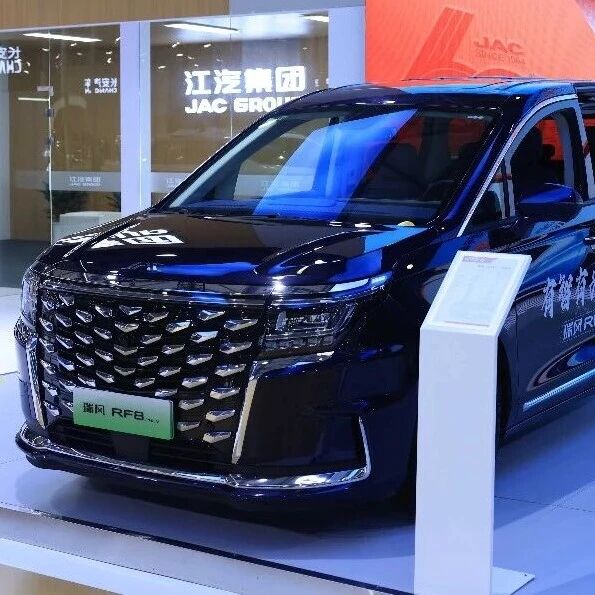
Core Viewpoint - The article discusses the competitive landscape of the MPV market in China, highlighting the challenges faced by traditional players like Jianghuai Ruifeng and the emergence of new contenders like Tengshi D9, emphasizing the shift in consumer preferences and market dynamics [3][5][9]. Group 1: Jianghuai Ruifeng's History and Challenges - Jianghuai Ruifeng, once a dominant player in the MPV market, celebrated its 25th anniversary and launched the RF8 series, aiming to regain market share [3][7]. - The MPV market was initially dominated by foreign brands until the early 2000s, when domestic brands began to emerge, with Jianghuai Ruifeng capturing 62% of the market share in its launch year [3][4]. - Post-2015, the MPV market saw increased competition and a shift in consumer demands towards more advanced and user-friendly features, leading to Jianghuai Ruifeng's decline [3][8]. Group 2: Tengshi D9's Rise and Current Position - Tengshi D9 capitalized on the transition to new energy vehicles, achieving nearly 120,000 sales in 2023, surpassing the Buick GL8 to become the top-selling MPV [5][6]. - Despite its initial success, Tengshi D9 has faced a significant decline in sales, with February 2026 figures showing a 57.32% year-on-year drop, indicating a loss of market position [6][8]. - The introduction of the second-generation Tengshi D9, featuring new battery technology, aims to revitalize its sales and compete effectively in the market [6][7]. Group 3: Market Dynamics and Competition - The MPV market is characterized by intense competition, with over 40 models vying for consumer attention, leading to fluctuating sales rankings among various brands [8][9]. - In early 2026, the sales distribution between fuel and new energy MPVs showed a shift, with new energy vehicles capturing a larger share of the top-selling models [8]. - The market is witnessing a clear trend where no single brand can maintain a dominant position, as consumer preferences evolve and competition intensifies [9].


2025 年比亚迪荣膺香港全品牌销冠 中国品牌首次登顶
Xin Lang Cai Jing· 2026-03-17 08:34
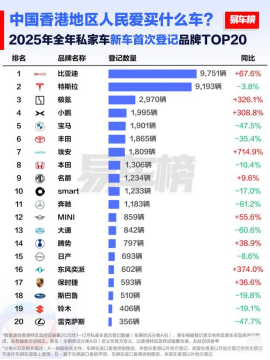
Core Insights - BYD achieved a historic performance in the Hong Kong car market in 2025, leading with a total of 9,751 vehicles sold, marking its first time as the overall sales champion in Hong Kong [1][6] - The Sea Lion 07EV was the best-selling model of the year, with 5,680 units sold, breaking the dominance of foreign brands in the market [1][6] Sales Performance - In 2025, BYD's new car registration reached 9,751 units, a 68% increase compared to 2024 [2][8] - In the first half of 2025, BYD sold 4,902 vehicles, surpassing Tesla's 3,889 units, achieving a market share of 26.71% [2][8] - The monthly sales in January 2025 were 849 units, placing BYD at the top of the monthly sales chart [2][8] Market Dynamics - BYD's success in Hong Kong is attributed to its strategic channel layout, with over 10 stores in key urban areas [4][10] - The introduction of models like the Sea Lion 07EV, Yuan PLUS, and Tengshi D9 caters to diverse consumer needs [4][10] - Government policies supporting electric vehicle adoption, such as tax reductions for first-time registrations, have created a favorable environment for BYD's growth [5][10] Future Outlook - BYD aims to maintain its leading position in the Hong Kong market through technological innovation and enhanced customer service [5][10] - The company is positioned as a key player in promoting the green transformation of the automotive industry in Hong Kong [11]
从比亚迪招聘2000个新岗窥见深汕产业跃升
Nan Fang Du Shi Bao· 2026-03-12 13:03
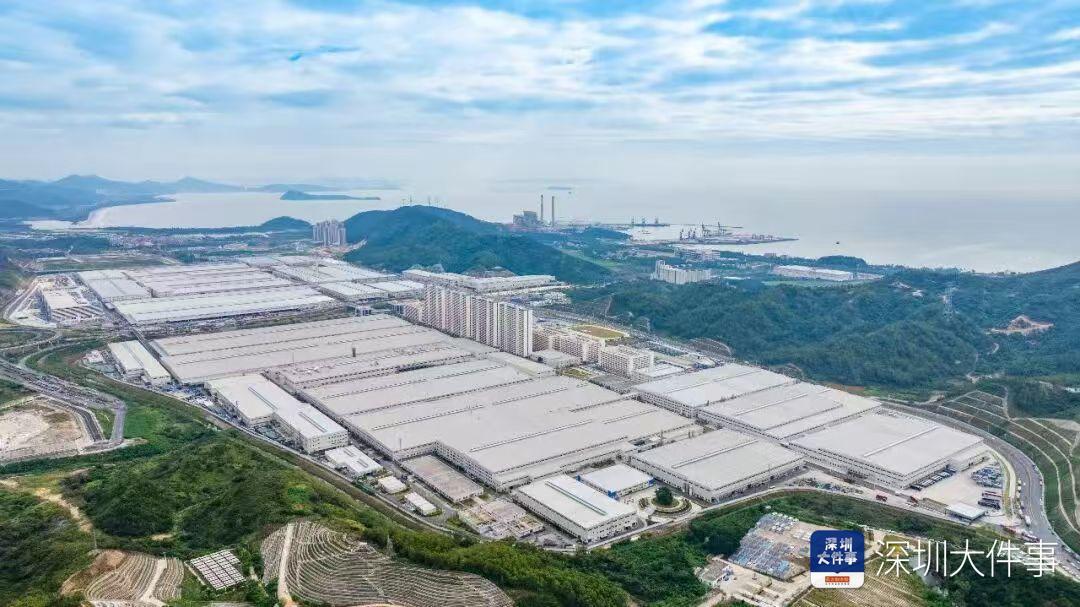
Core Insights - The article highlights the rapid development of the Deep-Shan BYD park, which is set to create over 2,000 technical jobs, emphasizing the region's commitment to becoming a leader in the electric vehicle (EV) sector [1][8] Group 1: Production and Capacity - The Deep-Shan area aims for an annual production capacity of 290,000 vehicles by 2025, with a projected output value exceeding 74 billion yuan [6] - Notable models produced in this region include the Fangcheng Leopard Ti 7, which achieved monthly sales of over 34,000 units, marking it as a significant success [3][4] - The BYD park has become a central hub for high-end manufacturing, with the 9 millionth to 13 millionth vehicles all produced in this location [7] Group 2: Infrastructure and Logistics - The integration of manufacturing and logistics is a key strength, with vehicles able to reach the Xiaomo International Logistics Port in just 5 minutes, streamlining the export process [10][11] - Since its opening in December 2021, Xiaomo Port has handled over 140,000 vehicles, with plans for expansion to accommodate a capacity of 1 million vehicles annually [12][13] Group 3: Community and Living Conditions - The recruitment announcement emphasizes not only job opportunities but also living conditions, including affordable housing and amenities such as sports facilities, indicating a focus on employee well-being [15] - The region is developing a comprehensive support system for education, healthcare, and housing, with plans for significant infrastructure improvements to support the growing workforce [15][16] Group 4: Future Goals - The strategic vision for the next five years includes transitioning from manufacturing to intelligent manufacturing, aiming to strengthen the EV industry and create a billion-level industrial cluster [16]
【快讯】每日快讯(2026年3月3日)
乘联分会· 2026-03-03 08:38
Domestic News - China has taken the lead in revising the international standard for intelligent vehicle headlights, marking a significant enhancement in its global automotive technology influence [4] - The China Automobile Dealers Association has initiated preparations to implement the "Automotive Industry Pricing Behavior Compliance Guidelines" to standardize pricing practices in the automotive sector [5] - XPeng Motors announced the launch of its second-generation VLA (Vision-Language-Action model), aiming to transition autonomous driving from niche to mainstream usage [6] - Xiaomi's robots have begun internships in automotive factories, with plans for mass deployment in the next five years [7][8] - Tengshi, a luxury brand under BYD, has officially entered the Philippine market with the opening of its first dealership [9] - Guoxuan High-Tech has completed the design of its 2GWh all-solid-state battery production line, with plans for pilot testing by mid-2025 [10] - SAIC-GM-Wuling has delivered the first batch of its Bingguo model to users in Malaysia [11] - Pony.ai's seventh-generation Robotaxi has achieved monthly profitability in Shenzhen, expanding its operational area significantly [12][13] International News - In February, new car sales in the U.S. are expected to reach 1.19 million units, a 3.4% decrease year-on-year but a 6.9% increase from January [14] - South Africa's new car sales grew by 11.4% year-on-year in February, reaching 53,455 units, marking the highest sales record for February since 2013 [15] - Vietnam will implement stricter vehicle emissions regulations starting March 1, 2026, to combat rising pollution levels [16] - Acura, Honda's luxury brand, will officially sell vehicles in Japan for the first time this year, marking a historic milestone for the brand [17] Commercial Vehicles - Five supercharging stations for heavy trucks have been launched in the Beijing-Tianjin-Hebei logistics corridor, featuring advanced charging capabilities [18] - New energy heavy truck manufacturer Zero One Automotive has completed its restructuring into a joint-stock company and plans to initiate a financing program for dealers in 2026 [19] - Yinchuan has released a management plan for testing and commercial demonstration of unmanned logistics delivery vehicles, aiming to reduce logistics costs [20][21] - FAW Jiefang's J7 model has successfully completed a 15,000-kilometer endurance test across diverse conditions in China [22]


锚定目标任务,坚定信心乘势而上
Chang Sha Wan Bao· 2026-02-24 23:46
Group 1 - Changsha is focusing on building "three high grounds" to accelerate high-quality development in 2026 [1] - Liuyang aims to become a leader in county-level economy by implementing the "three highs and four new" strategy, achieving significant project investments and industrial growth [3][4] - In 2025, Liuyang introduced 166 new projects with a total investment of 42.5 billion yuan, including two projects over 10 billion yuan [3] Group 2 - Changsha Economic Development Zone attracted 126 projects with a total investment of 54.69 billion yuan in 2025, including three projects over 10 billion yuan [7] - The zone aims for an 8.35% increase in industrial output value and a 9.9% increase in public budget revenue in 2025 [7] - The zone is focusing on emerging industries like artificial intelligence and has established several innovation centers [7][8] Group 3 - BYD's contribution to Changsha's automotive industry is significant, with 2025 sales of 2.257 million electric vehicles, marking a global sales leadership [11] - BYD has established six major bases in Changsha, providing over 60,000 jobs and achieving over 100 billion yuan in revenue for four consecutive years [11] - In 2025, BYD exported 82,000 vehicles from Changsha, a 135% increase year-on-year, showcasing the city's role in the company's growth [11] Group 4 - BYD plans to leverage its technological and manufacturing advantages in conjunction with Changsha's resources to enhance its global presence and brand strength [12] - The company aims to contribute to the acceleration of Changsha's automotive industry and support the creation of a significant advanced manufacturing hub in the country [12]
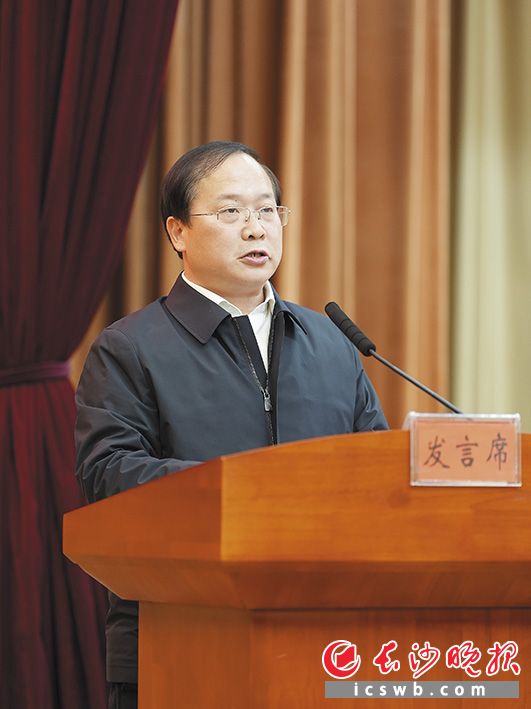
比亚迪股份有限公司湖南省总经理易珑:为助推长沙汽车产业加速进位争先贡献比亚迪力量
Chang Sha Wan Bao· 2026-02-24 09:34
Group 1 - In 2025, BYD achieved a historic milestone by becoming the world's top seller of pure electric vehicles with annual sales of 2.257 million units [1] - BYD's success is significantly attributed to its operations in Changsha, where it has established six major bases covering various aspects of the electric vehicle industry, including manufacturing, battery production, and components [1] - The company has created over 60,000 jobs in Changsha and has consistently generated revenue exceeding 100 billion yuan for four consecutive years [1] Group 2 - In 2026, BYD aims to enter a new phase of technological iteration, smart-electric integration, and globalization, leveraging its engineering spirit and combining its strengths with Changsha's innovation and resources [2] - The company plans to enhance its technology, products, and services while accelerating its global expansion to establish itself as a world-class Chinese brand [2] - BYD's achievements are supported by the local government and community, and the company is committed to advancing Changsha's automotive industry and contributing to the development of a significant manufacturing hub in China [2]
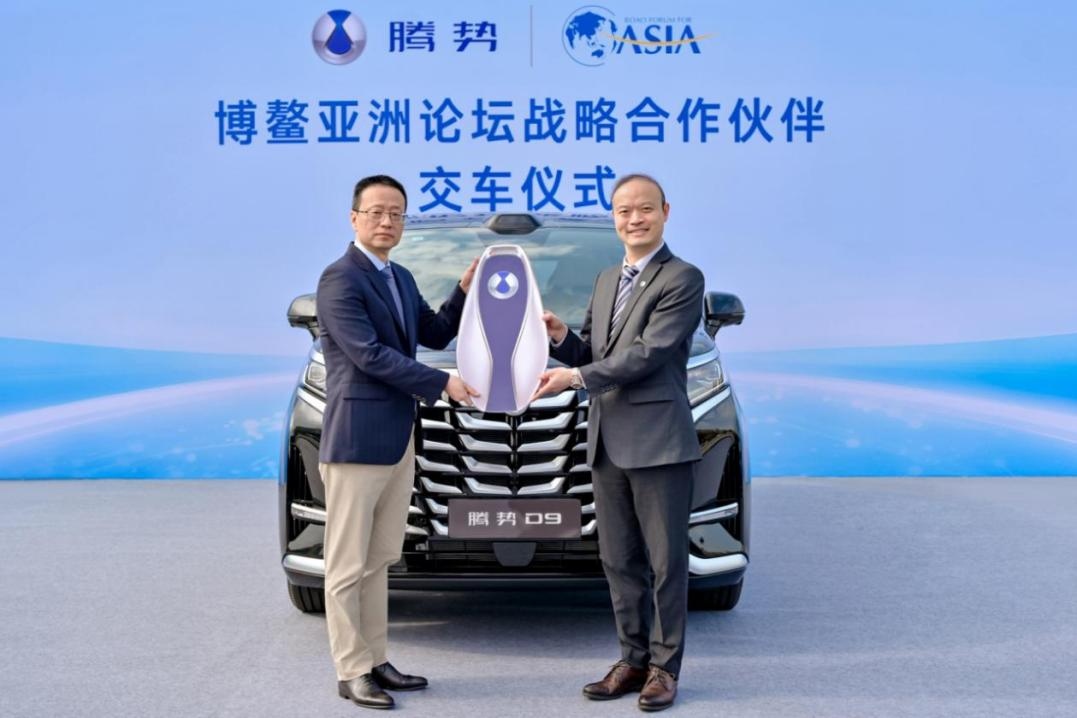
共绘全球绿色蓝图,腾势汽车与博鳌亚洲论坛达成战略合作
Jin Rong Jie· 2026-02-12 02:24
Group 1 - The core viewpoint of the news is the strategic partnership between Tengshi Automobile and the Boao Forum for Asia, highlighting the delivery of the Tengshi D9 as the official VIP vehicle for the forum, aimed at enhancing its influence in the high-end market [1][3] - The collaboration represents a significant practice in sustainable development within high-end transportation, injecting strong momentum into international exchanges and the global development of the new energy industry [1][3] - Tengshi D9 has been the sales champion in China's MPV market for three consecutive years and is the first new energy MPV to achieve a sales milestone of 300,000 units, showcasing its success in various countries and regions [3][6] Group 2 - The partnership is rooted in a shared commitment to green and sustainable development, reflecting high recognition of Tengshi's technological accumulation and brand value in the new energy sector [3][6] - Tengshi aims to leverage the Boao Forum as a platform to showcase China's technological strength and luxury concepts in new energy vehicles, promoting the "zero-carbon" event concept and contributing to global sustainable development [6]