汽车行业电动化转型

Search documents
谈崩的日系三巨头,搭伙闯美国
汽车商业评论· 2025-12-05 07:31
Core Viewpoint - Mitsubishi Motors is seriously considering relocating production back to the United States, actively pursuing collaboration with Nissan and Honda to jointly produce vehicles in the U.S. [3][6] Group 1: Current Situation and Challenges - Since closing its joint venture with Chrysler in Illinois in 2015, Mitsubishi has completely exited U.S. production, relying solely on imports for its sales in the market [4]. - This strategy has exposed Mitsubishi to multiple risks, including fluctuations in U.S. tariff policies and market demand, alongside high labor and material costs, leading to increasing pressure on its North American operations [4]. - In FY 2024, Mitsubishi's sales in the U.S. were only 113,000 units, about one-tenth of Nissan or Honda's sales during the same period, and the company reported business losses from April to September of that year [4]. Group 2: Collaboration with Nissan and Honda - The collaboration with Nissan and Honda is seen as a key pathway for Mitsubishi to break its reliance on imports and regain growth momentum in the competitive North American market [6]. - The core focus of this collaboration includes exploring joint assembly for mass production of cross-border vehicles and participating in the joint development of new models [6]. - Mitsubishi aims to finalize plans soon, with substantial progress expected before the announcement of its next mid-term plan, potentially as early as spring [6]. Group 3: Market Dynamics and Strategic Fit - The combined market share of Mitsubishi, Nissan, and Honda in the U.S. exceeds 15%, slightly surpassing Toyota, indicating that even small-scale joint production could significantly reduce costs and enhance market competitiveness [8]. - Nissan has assembly plants in Mississippi and Tennessee, but its capacity utilization has been declining due to weak market demand, while Honda's plants are operating at full capacity [8]. - Mitsubishi's lack of its own factories makes this collaboration a strategic fit to utilize Nissan's idle capacity and Honda's expansion needs [9][10]. Group 4: Historical Context and Future Prospects - The discussions for collaboration among Mitsubishi, Nissan, and Honda are not new, having been preceded by multiple rounds of negotiations [13]. - In March 2024, Nissan and Honda reached a preliminary agreement, laying the groundwork for future collaboration, which included sharing electric vehicle batteries and jointly developing autonomous driving software [14][15]. - However, Mitsubishi's participation in a proposed merger between Nissan and Honda faced challenges, leading to a shift towards a more open and pragmatic collaboration approach [19][21]. Group 5: Open Cooperation and Future Directions - The breakdown of the merger talks has not halted the collaboration process; instead, it has led to a more flexible cooperation model among the three companies [26]. - Nissan's new CEO has expressed an open attitude towards various forms of collaboration without touching on capital integration, emphasizing the importance of operational flexibility to meet market demands [28]. - Mitsubishi is also looking to expand its collaboration beyond production, with ongoing discussions about joint efforts in regions outside the U.S. [28].


特朗普宣布:将降低汽车燃油经济性标准
证券时报· 2025-12-04 10:01
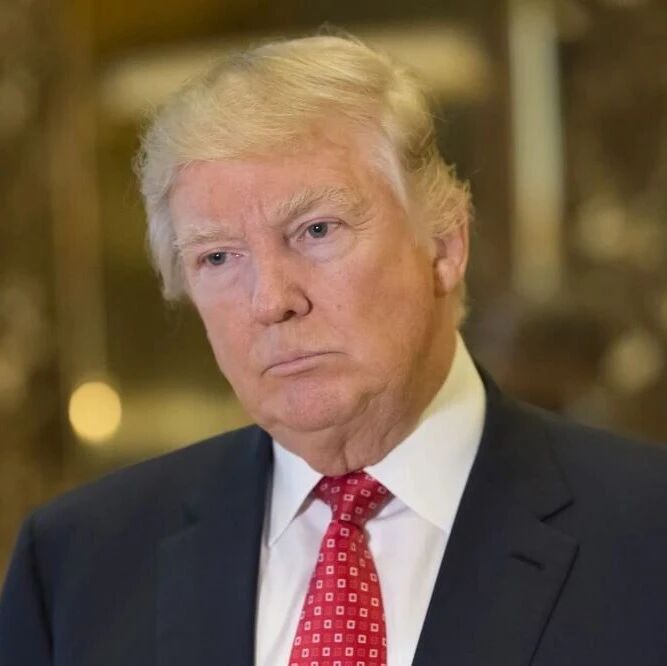
Core Viewpoint - The Trump administration announced a reduction in fuel economy standards for vehicles produced in the U.S., aiming to lower consumer costs and protect jobs in the automotive industry [2]. Group 1: Fuel Economy Standards - The new average fuel economy standard for light vehicles is set to reach approximately 34.5 miles per gallon (about 6.9 liters per 100 kilometers) by the 2031 model year, significantly lower than the current requirement of 50.4 miles per gallon (about 4.7 liters per 100 kilometers) [2]. - The U.S. Department of Transportation estimates that the new standards will save car buyers $109 billion over the next five years, with an average reduction of $1,000 in the purchase cost of new vehicles [2]. Group 2: Industry Reaction - Executives from major automakers, including Ford, General Motors, and Stellantis, attended the announcement, with Stellantis shares rising over 3% and Toyota shares increasing nearly 2% in pre-market trading [3]. - Ford and General Motors also saw slight increases in their stock prices during the same period [3].
大消息!特朗普突然宣布
中国基金报· 2025-12-04 09:28
Group 1 - The core viewpoint of the article is that the Trump administration announced a reduction in fuel economy standards for vehicles produced in the U.S., which is expected to lower costs for consumers and protect jobs in the automotive industry [1] - The new average fuel economy standard for light vehicles is set to reach approximately 34.5 miles per gallon (about 6.9 liters per 100 kilometers) by the 2031 model year, significantly lower than the current requirement of 50.4 miles per gallon (about 4.7 liters per 100 kilometers) [1] - The U.S. Department of Transportation estimates that the new standards will save car buyers $109 billion over the next five years, with an average reduction of $1,000 in the purchase cost of each new vehicle [1] Group 2 - The decision has faced opposition, with California Governor Newsom stating that lowering fuel economy standards will lead to higher fuel costs for Americans and increased air pollution [1] - Environmentalists argue that this move will exacerbate climate change and delay the transition to electric vehicles, potentially harming the automotive industry [1] - Trump criticized the Biden administration's previous decision to raise fuel economy standards, claiming it promoted electric vehicle sales [1]

欧盟举棋不定,瑞典车企急了:中国可不会停下
Guan Cha Zhe Wang· 2025-12-02 11:25
Core Viewpoint - Germany's push to delay the 2035 ban on combustion engine vehicles is seen as a desperate attempt to protect its automotive industry, which could hinder the adoption of electric vehicles in Europe and allow China to take the lead in the market [1][2]. Group 1: Industry Reactions - Executives from Volvo and Polestar criticize Germany's stance, arguing that delaying the 2035 target is a "terrible idea" that risks losing jobs and market share to China [1][2]. - Polestar CEO Michael Lohscheller expressed frustration over being excluded from EU discussions on the future of the automotive industry, highlighting a lack of engagement from EU officials [2]. - Volvo CEO Håkan Samuelsson compared the current resistance to electric vehicle adoption to past opposition to safety features like seat belts, emphasizing the need for regulatory support to drive innovation [2][5]. Group 2: Consumer Concerns - Samuelsson identified three main consumer concerns regarding electric vehicles: range (with Volvo's models achieving 310 to 370 miles), charging time (aiming for 15 to 20 minutes), and pricing [5][6]. - He believes that addressing these concerns is crucial for accelerating the adoption of electric vehicles and sees no reason to question the 2035 timeline [5]. Group 3: Political Landscape - The EU's 2023 regulation mandates a ban on new combustion engine vehicles starting in 2035 to reduce carbon emissions, but the automotive industry's transition has been slow [6][7]. - Various EU member states, including Italy and Slovakia, have expressed opposition to the 2035 ban, calling it unrealistic and advocating for more flexible regulations to support the automotive sector [6][7]. - France and Spain have urged the EU to maintain the electric vehicle transition, emphasizing the significant investments already made in the industry [7]. Group 4: Future Proposals - Reports suggest that the EU may propose a quota system for electric vehicle purchases at the member state level, allowing for more flexibility in meeting the 2035 targets [7].
27年传奇落幕 累计销量1200万的福特福克斯正式停产
Xi Niu Cai Jing· 2025-11-20 12:12
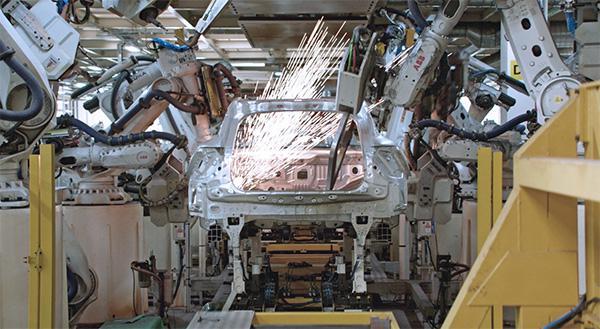
Core Insights - The Ford Focus, after 27 years and approximately 12 million units sold, has officially ceased production as of November 15 [1] - The decline in sales began with the fourth generation of the Focus, attributed to several factors including a misstep with the three-cylinder engine strategy, chip shortages, economic downturns, and competition from electric vehicles [1][2] - Ford's market position in Europe has significantly weakened, dropping from the second largest car brand in 2015 to the twelfth position last year, with market share nearly halved [1] Company Strategy - To revitalize its European operations, Ford has developed a strategic plan to return to mainstream sales, appointing Jim Baumbick as the first dedicated head of European operations in three years [2] - Baumbick's primary responsibility will be to create products that meet the needs of European consumers [2] Industry Context - The discontinuation of the Ford Focus reflects the broader trend of the automotive industry's shift towards electrification, highlighting the challenges faced by even previously successful models in adapting to market changes [2]

日·本没了?
汽车商业评论· 2025-02-05 14:36
编译 / 钱亚光 设计 / 琚 佳 来源 / www.nikkei.co.jp, www.asahi.com,www.ft.com 据《日经社》报道,日产汽车将暂停与本田汽车的合并谈判,因为两家日本汽车制造商未能就整合率等关键规定达成一致。 日产表示,双方仍有望在2月中旬之前提供有关谈判的最新情况。"这篇文章不是基于日产公布的信息。我们的目标是在2月中旬之前敲定我们的方向, 并将在那时宣布。"一位女发言人说。 据日本《朝日新闻》早些时候援引未具名消息人士的话报道,由于双方董事会会议进展缓慢,这两家公司可能会终止谈判。 去年 12 月,这两家汽车制造商曾表示,计划在 2026 年 8 月前成立一家合资控股公司,届时双方的股票都将退市。 之后,双方就合并事宜展开讨论,但仅仅 40 多天后,谈判就已恶化。据知情人士透露,在谈判初期,双方就股权比例和资产估值问题发生争执,紧张 局势随之出现。 本田面临着来自股东和内部的压力,要求其全面掌控日产,以扭转这家陷入困境的汽车制造商的局面。本田最新的提议,偏离了最初将两家公司置于一 家共同拥有的控股公司之下的计划,而这种结构本可以为保留日产的品牌和决策权提供空间。 日产汽车财 ...