沉浸式体验经济

Search documents
春节文旅市场“玩”出科技新花样 让“春节热”成“全年红”
Zheng Quan Ri Bao· 2026-02-23 23:48
Core Insights - The article highlights the revitalization of the cultural tourism market during the Spring Festival, showcasing innovative experiences and technology integration in various scenic spots across China [1][9]. Group 1: Market Trends - The cultural tourism market is experiencing a surge in visitor engagement through immersive experiences, such as NPC interactions and large-scale performances, which have become key attractions [2][3]. - The annual revenue of the Wansui Mountain Martial Arts City in Kaifeng is projected to increase from 80 million to 1.27 billion yuan from 2024 to 2025, indicating a significant growth in visitor numbers and engagement [2]. Group 2: Technological Integration - The use of advanced technologies, such as XR and multimedia projections, is enhancing traditional cultural expressions, allowing for a more dynamic and engaging visitor experience [6][8]. - The Pingyao Technology Art Museum, a key project in Pingyao, utilizes cutting-edge technology to create immersive experiences that blend local history with modern artistic expressions [6]. Group 3: Visitor Experience - The introduction of interactive elements, such as the "silver ticket" system in the Huangdi's Hometown park, enhances visitor engagement and provides a unique cultural experience [4][3]. - The average daily footfall during the Spring Festival at the Huangdi's Hometown park reached around 50,000, with 20,000 entering the park, showcasing the popularity of these new experiences [4]. Group 4: Future Outlook - The article emphasizes the need for the tourism industry to convert seasonal spikes in visitor numbers into sustained economic growth through continuous innovation and improved service offerings [9][10]. - Experts suggest that developing strong cultural IPs and enhancing cross-industry collaborations will be crucial for maintaining long-term visitor engagement and economic benefits [10].
沉浸式看“西游”,来六合金牛湖
Xin Lang Cai Jing· 2026-01-25 20:20
Core Viewpoint - The article highlights the launch of the 86 version of "Journey to the West" themed activities at the Jin Niu Lake Wild Animal Kingdom, aiming to enhance the cultural tourism experience through a new model combining themed IP, performances, and interactive elements, especially during the upcoming Spring Festival holiday [1] Group 1: Thematic Activities and Attractions - The theme park has created ten classic themed stages that include key storylines from "Journey to the West," with a total stage circuit length of approximately 1.1 kilometers, providing immersive storytelling experiences for visitors [2] - A professional performance team of around 80 members has been assembled, including actors and various support roles, all trained to faithfully represent the classic characters from the 86 version of "Journey to the West" [2][3] Group 2: Interactive Experiences and Local Culture - The park has introduced interactive experiences where visitors can engage with NPCs to complete tasks and earn silver tickets, which can be exchanged for prizes, enhancing visitor participation and immersion [3] - During the Spring Festival, the park will host a local market showcasing regional delicacies, allowing visitors to enjoy local culture while experiencing the themed attractions [3] Group 3: Strategic Partnerships and Marketing - The Jin Niu Lake Wild Animal Kingdom has formed a strategic partnership with the "He Jia Huan" team to officially license the 86 version of "Journey to the West," integrating this national cultural IP with the park's unique resources to create a competitive advantage [1] - A comprehensive new media promotional strategy has been established, utilizing various official accounts and collaborations with popular influencers to increase visibility and engagement on platforms like Douyin [2]
排队两小时,“年轻人的十字绣”为何火热?
Xin Lang Cai Jing· 2026-01-17 12:35
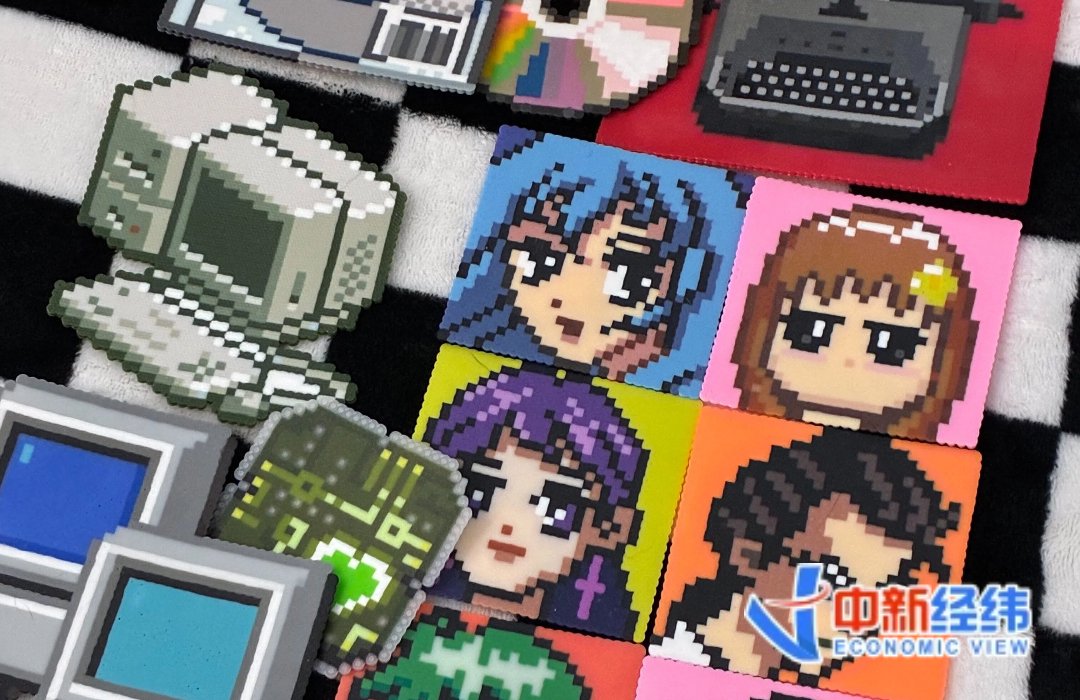
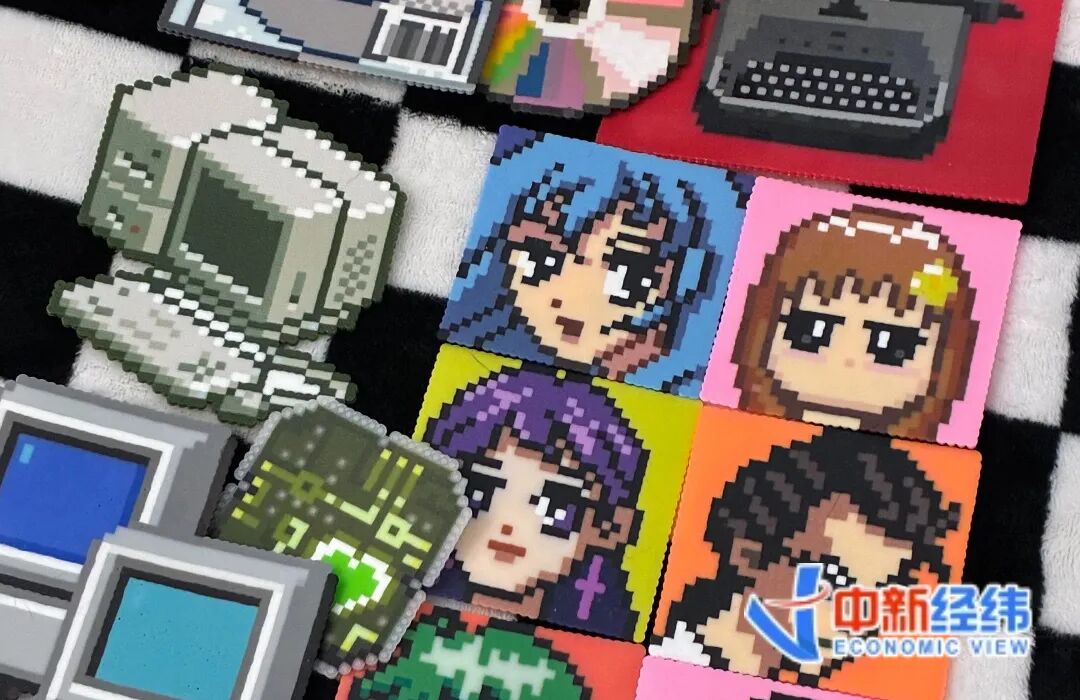
Core Insights - The popularity of "Pixel Beans" (拼豆) has surged on social media platforms, with the topic "I am addicted to Pixel Beans" garnering nearly 2.8 billion views on Xiaohongshu and over 8 billion views on Douyin [2][3] Group 1: Product Appeal and Consumer Behavior - Pixel Beans are colorful plastic tubes (2.6mm or 5mm) used to create pixel art, which can be transformed into flat or 3D designs through a heat application process [3] - The activity is described as addictive, with users expressing a strong emotional connection to the craft, often prioritizing it over other daily activities [3][5] - The appeal lies in its simplicity and the ability to create various items such as decorations, keychains, and fridge magnets, making it accessible to a wide audience [3][5] Group 2: Market Dynamics and Sales Growth - The cost of engaging in Pixel Beans is relatively low, with DIY setups costing around 100 yuan for basic supplies, while additional purchases for special colors can add to the expense [5][6] - Sales data indicates a significant increase in demand, with certain stores reporting sales of over 800,000 units and others exceeding 3 million units annually [7][8] - The market for Pixel Beans has seen a staggering 896.46% year-on-year growth in sales, reaching a total of 291 million yuan in 2025 [14] Group 3: Consumer Demographics and Trends - The primary consumer demographic includes Generation Z, who are drawn to the product for its stress-relieving qualities, creative expression, and social engagement [15][16] - The trend reflects a broader shift towards products that offer unique experiences and emotional satisfaction, rather than just functional benefits [15] - The low entry barrier and high potential for creative output make Pixel Beans an attractive option for consumers seeking personalized and engaging activities [16]

排队两小时,“拼豆”是啥?为啥这么火?
3 6 Ke· 2026-01-16 07:30
Core Insights - The popularity of "Pixel Beans" (拼豆) has surged on social media platforms, with the topic "I Got Hooked on Pixel Beans" reaching nearly 2.8 billion views on Xiaohongshu and over 8 billion views on Douyin [1][12] - The appeal of Pixel Beans lies in their simplicity and creativity, allowing users to create both flat and 3D designs by fusing colorful plastic beads with an iron [1][4] - The market for Pixel Beans has seen significant growth, with sales on major e-commerce platforms reaching 291 million yuan in 2025, marking a year-on-year increase of 896.46% [13] Market Dynamics - The DIY aspect of Pixel Beans is cost-effective, with basic supplies costing around 100 yuan for a set of beads and additional tools [4][5] - The demand for Pixel Beans has led to a phenomenon where consumers set alarms to purchase supplies, indicating high consumer engagement and urgency [5][6] - Physical stores offering Pixel Bean experiences are also thriving, with some charging by the hour and experiencing long wait times due to high customer traffic [6][8] Consumer Behavior - The target demographic for Pixel Beans is primarily Generation Z, who value personal expression, creativity, and low-barrier experiences [13][14] - Consumers are drawn to the therapeutic and social aspects of Pixel Beans, with many reporting that the activity provides a sense of relaxation and fulfillment [12][14] - The trend has led to a high repurchase rate, with many customers returning frequently to stores, indicating strong brand loyalty and community engagement [10][12] Business Opportunities - The business model for Pixel Bean stores is favorable, with low initial investment and high gross margins, allowing for quick return on investment [10] - Expansion plans are underway, with projections for significant growth in the number of stores, aiming to open at least 100 new locations by 2026 [10][12] - The integration of Pixel Beans into broader consumer trends, such as the "healing" and "immersive experience" economies, suggests a long-term viability for the product category [14]
明星演员与景区的适配性思考
Xin Lang Cai Jing· 2026-01-12 23:09
Core Viewpoint - The rise of the "star NPC" model in tourist attractions represents a significant shift in tourism consumption patterns, driven by a demand for interactive and immersive experiences rather than traditional sightseeing [1][2]. Group 1: Industry Trends - The tourism industry is undergoing a silent yet profound transformation, with visitors seeking emotional resonance and social value in their experiences [1]. - The introduction of star NPCs not only enhances visitor engagement but also reflects the diversification of the performing arts ecosystem, providing new income sources for actors [2]. Group 2: Challenges and Risks - The star NPC model, while generating immediate traffic, poses challenges such as maintaining boundaries between tourists and actors, which can lead to safety issues [3]. - There is a risk of content homogenization, where many attractions mimic successful star NPCs, leading to visitor fatigue and diminished experience value [3][4]. Group 3: Cultural Considerations - The implementation of star NPCs must align with local cultural narratives; otherwise, it risks diluting the unique cultural essence of the attractions [4]. - Attractions should avoid superficial adaptations that disconnect from local history and culture, as this can undermine the authenticity of the visitor experience [4]. Group 4: Strategic Recommendations - Attractions need to establish safety mechanisms for star NPC interactions, including clear boundaries and on-site supervision to ensure orderly engagement [5]. - A comprehensive storytelling ecosystem should be developed, integrating star NPCs into a broader narrative framework that includes local actors and unique cultural elements [6]. - The focus should be on creating sustainable models that prioritize cultural essence and innovative experiences, transforming short-term visitor interest into long-term value [6].
景区NPC抓住流量密码
3 6 Ke· 2025-11-28 05:45
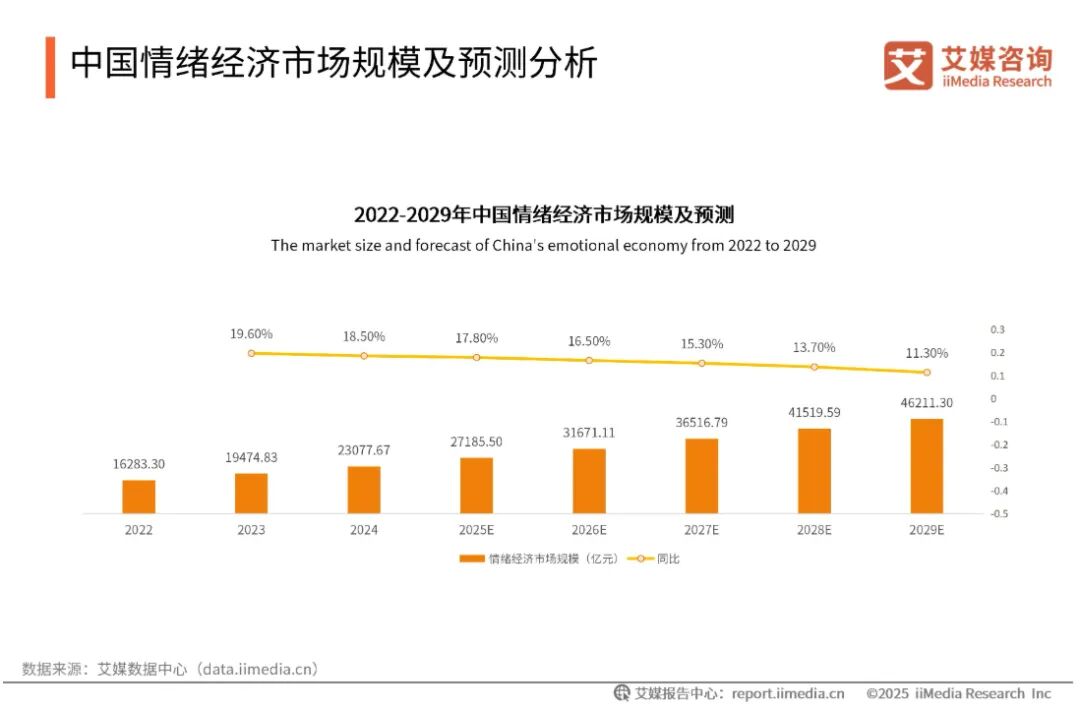
Core Insights - The rise of interactive NPC (non-player character) experiences in real-world settings is transforming tourism and entertainment, as seen in the "stealing sugarcane" game in Sichuan, which has garnered over 490 million views on platforms like Douyin and Kuaishou [1] - The emotional economy is growing rapidly in China, with projections indicating a market size of 2.31 trillion yuan in 2024, increasing to 4.62 trillion yuan by 2029, driven by immersive experiences like NPC interactions [3][6] - The integration of NPCs into tourism is creating a new model where visitors become active participants rather than passive observers, enhancing the overall experience [6] NPC Interaction and Popularity - NPCs are becoming central to the tourism experience, with examples like the "Snow Cake Monkey" in Changchun, which has gained significant popularity through social media, leading to increased visitor numbers [7][9] - The character's creator, Wang Tiezhu, has leveraged live streaming to maintain engagement, showcasing behind-the-scenes activities that resonate with fans [9] - The shift from traditional IP-based NPCs to those emphasizing personal charisma and real-time interaction reflects changing consumer preferences [14] Content Creation and Social Media - NPCs are adept at creating shareable content on social media, with many characters gaining fame through humorous and relatable interactions with visitors [16][20] - The phenomenon of "celebrity NPCs" is emerging, where actors known for their roles in popular media transition to interactive roles in tourist attractions, enhancing visitor engagement [16][19] - The integration of NPCs into broader content strategies at attractions, such as the Kaifeng Wansui Mountain Martial Arts City, showcases the potential for immersive storytelling and audience participation [21][23] Economic Impact and Future Trends - The NPC model is proving economically viable, with attractions like Wansui Mountain reporting over 17 million visitors and revenue exceeding 1.068 billion yuan in 2025 [23] - The low base salary for NPCs, combined with the exposure and popularity they gain, creates a mutually beneficial relationship between attractions and performers [24] - Government policies are increasingly supportive of innovative tourism models, indicating a shift towards emotional and experiential consumption in the industry [26]