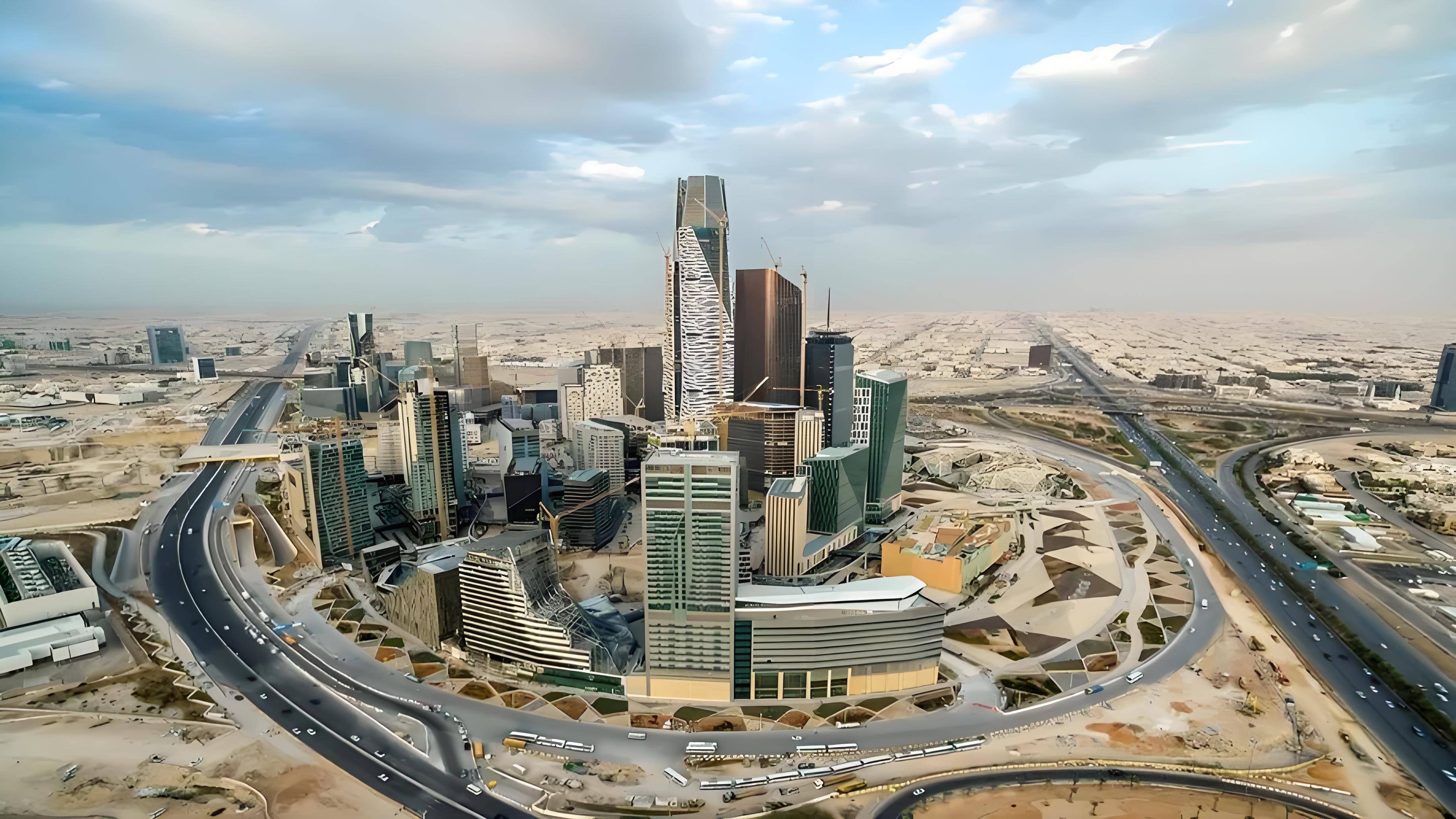
沙特愿景2030

Search documents
总投资711亿元!炼化一体化项目进入实质运营!
DT新材料· 2025-11-27 16:05
Core Viewpoint - The establishment of Fujian Zhong-A Refining and Chemical Co., Ltd. marks a significant milestone in Sino-Saudi energy cooperation, with a total investment of 71.1 billion RMB, indicating the project's transition into the operational phase [2][4]. Group 1: Company Overview - Fujian Zhong-A Refining and Chemical Co., Ltd. was officially registered on September 4, 2025, with a registered capital of 28.8 billion RMB. The ownership structure includes Fujian Refining holding 50%, Sinopec holding 25%, and Saudi Aramco's subsidiary holding 25% [6]. - The core operational project is the second phase of the Fujian Gulei integrated refining project, which is the largest single investment refining project by Sinopec and the largest industrial project in Fujian Province [6]. Group 2: Project Details - The Gulei refining phase II project plans to construct a refining capacity of 16 million tons per year, along with 1.5 million tons per year of ethylene and 2 million tons per year of paraxylene, supported by a 300,000-ton crude oil terminal [6]. - Upon completion, the project is expected to process 16 million tons of crude oil annually, producing 2.88 million tons of aviation fuel and marine fuel, as well as 12.7 million tons of polyolefins and other chemical products [6]. - The project aims to fill the raw material gap in Fujian's petrochemical industry and is projected to drive over 200 billion RMB in upstream and downstream investments, significantly boosting the Gulei petrochemical base's output value to over 300 billion RMB [6]. Group 3: Strategic Importance - The collaboration between Saudi Aramco and China has expanded to include partnerships with companies like Rongsheng Petrochemical and the establishment of HAPCO, reflecting a growing synergy in the energy sector [7]. - The increasing trade volume between China and Saudi Arabia, along with Saudi Arabia's public investment fund investing over 22 billion USD in China, highlights the strategic importance of energy cooperation as a core component of the Belt and Road Initiative and Saudi Vision 2030 [7].


寻求百亿美元贷款,中东油王日子不好过了
3 6 Ke· 2025-10-27 04:28
Core Viewpoint - Saudi Arabia is facing significant financial challenges, leading to a request for a $10 billion loan from major banks, marking a shift from its historically wealthy status [1][3]. Financial Situation - In Q1 2023, Saudi Arabia recorded a fiscal deficit exceeding $3.3 billion, continuing a trend projected to result in a total deficit of around $30 billion for the year [3]. - The decline in global oil prices, from over $80 per barrel to approximately $65 per barrel, has exacerbated the fiscal issues, as the country requires a price of $90 per barrel to balance its budget [3][5]. Oil Production and Market Dynamics - OPEC+ has attempted to stabilize oil prices through production cuts, but the market has not responded positively, leading to a consensus among member countries to increase production to maintain market share [5][6]. - Despite the increase in production, Saudi Arabia's financial situation remains precarious due to its reliance on oil revenue [6]. Vision 2030 and Economic Diversification - Crown Prince Mohammed bin Salman has initiated the "Vision 2030" plan aimed at diversifying the economy away from oil dependency, involving significant investments in various sectors including AI, chip manufacturing, and electric vehicles [6][10]. - The Public Investment Fund (PIF) has grown from $150 billion in 2015 to nearly $1 trillion, reflecting aggressive investment strategies under the Crown Prince's leadership [10]. NEOM Project Challenges - The NEOM project, a key component of Vision 2030, aims to create a futuristic city powered by renewable energy, with an initial investment of $500 billion, but has faced numerous logistical and environmental challenges [13][19]. - Initial assessments suggest that the project may take at least 50 years to complete, with costs potentially escalating to $8.8 trillion, significantly straining Saudi Arabia's financial resources [19][24]. Political and Economic Reforms - The Crown Prince has implemented reforms to centralize power and combat corruption, establishing new committees to oversee economic and political affairs [26][27]. - Efforts to internationalize Saudi capital and open the country to tourism have led to significant growth in the service sector, which now accounts for over 50% of GDP [29][31]. Future Outlook - Despite current financial pressures and challenges in executing Vision 2030, the Crown Prince's ambitious plans for economic transformation continue to progress, with the potential for significant long-term impacts on Saudi Arabia's economy and global standing [32].
凯德北京投资基金管理有限公司:沙特地产冲刺千亿美元市场的双面博弈
Sou Hu Cai Jing· 2025-07-20 15:05
Group 1 - The Saudi retail real estate sector is experiencing unprecedented growth opportunities due to significant infrastructure investments, ongoing large-scale projects, and the accelerated entry of international companies [1][4] - Urbanization in Saudi Arabia is driving a surge in demand for modern retail formats, with integrated complexes and high-end shopping centers becoming new urban landmarks [4] - The Saudi real estate market is projected to reach $1,016 billion by 2029, with an average annual growth rate of 8% from 2024 to 2029, supported by the Vision 2030 transformation strategy [4] Group 2 - Despite the growth, the Saudi retail real estate market faces severe challenges, including a looming oversupply, with retail space in Riyadh expected to increase by 50% and Jeddah by 75% by 2027 [6] - Changing consumer habits are shifting towards online shopping, diminishing the appeal of traditional department stores and large retailers, which may lead to downward pressure on rents [6] - The long-term potential of Saudi retail real estate remains strong, contingent on precise market positioning and careful planning, with comparisons drawn to the stable retail demand in the UAE [9]