消费代际革命

Search documents
在微光中寻找光源
Bei Jing Shang Bao· 2025-12-25 13:52
Core Insights - The decline in the wholesale price of Feitian Moutai below 2000 yuan in 2025 signals a significant adjustment in the Chinese liquor industry, influenced by a combination of policy changes, shifts in consumer behavior, and intense competition [1] - The industry experienced a drop in both volume and price, with production decreasing by 7.2% year-on-year in the first quarter, marking the eighth consecutive year of production decline [1] - Over half of the companies reported declines in both revenue and profit, with an average inventory turnover period of 900 days, indicating severe channel inventory issues [1] Market Dynamics - The price system reflects a widespread "price inversion" in the mid to high-end segments, particularly in the 800-1500 yuan range, due to weak terminal demand and high channel inventory [2] - The shift in consumer spending towards more affordable price ranges (100-300 yuan) signifies the end of an era driven by government consumption and investment attributes [2] - The emerging younger generations prioritize emotional value, personal expression, and health over traditional liquor culture, leading to a demand for "light" drinking experiences [2] Future Outlook - Despite the challenges, there are signs of nearing a cyclical bottom, with expectations for improvement in the industry as policy impacts diminish and consumption scenarios stabilize in 2026 [3] - The recovery will not be a simple V-shaped rebound but will focus on a return to value centered around quality, branding, and culture [3] Strategic Directions - The industry must embrace youthfulness and internationalization as essential strategies for survival and growth, requiring a shift from a top-down approach to genuine engagement and innovation [4] - Companies should develop products that resonate with younger consumers and leverage new marketing channels, such as live streaming and instant retail [4] - Internationalization involves moving from product export to brand and cultural export, necessitating long-term investments in product adaptation for overseas markets and effective storytelling about Chinese liquor [5] Industry Transformation - The deep adjustment in 2025 serves as a necessary catalyst for the maturation of the Chinese liquor industry, revealing the unsustainability of old models [6] - The future winners will be those who prioritize quality, empathize with the new generation of consumers, and possess the patience and wisdom to elevate Chinese liquor to a global narrative [6] - The next golden era for the industry will be built on genuine consumer recognition rather than being driven by channels and capital [6]
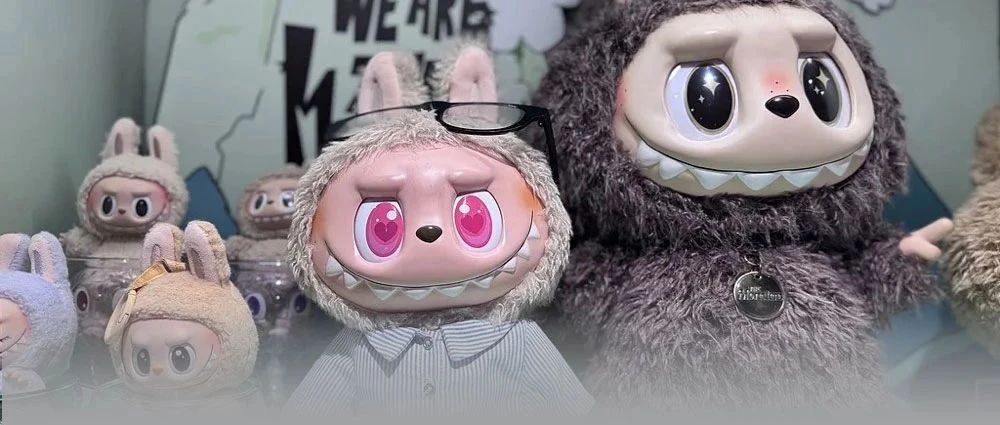
Labubu爆火助推市值暴涨 泡泡玛特撕裂基金经理的认知
经济观察报· 2025-06-15 09:12
Core Viewpoint - The article discusses the dramatic rise and fall of Pop Mart, a company known for its blind box toys, highlighting the shifting perceptions of fund managers and the broader implications for investment strategies in the new consumer era [1][6][49]. Group 1: Company Overview and Market Performance - Pop Mart, which gained fame through its blind box toys and the Labubu character, saw its stock price soar to 246 HKD, with a market capitalization exceeding 330 billion HKD [4][5]. - The company was listed on the Hong Kong Stock Exchange on December 11, 2020, with an initial stock price of 77.1 HKD, but faced a significant decline, dropping below 10 HKD by October 2022, representing a more than 90% decrease from its peak [8][9]. - By 2024, Pop Mart's stock price had increased over tenfold, driven by successful IP incubation and strong growth in overseas markets, with revenue reaching 13.04 billion RMB, a 106.9% year-on-year increase [20][30]. Group 2: Investment Sentiment and Fund Manager Perspectives - Fund managers experienced a cognitive dissonance regarding Pop Mart, transitioning from initial enthusiasm to skepticism and then back to renewed interest as the company's performance improved [6][12][41]. - Notable fund managers, such as Zhang Kun and Xiao Nan, initially invested in Pop Mart but exited due to stock volatility, reflecting a broader trend of uncertainty among investors regarding the company's business model [10][13]. - The article highlights a generational divide in investment strategies, with younger fund managers recognizing the potential of Pop Mart's unique IP and emotional value, while older managers remained cautious [36][50]. Group 3: Consumer Trends and Market Dynamics - The rise of the Z generation as a dominant consumer group has shifted market dynamics, emphasizing emotional value and personalized experiences, which Pop Mart's products cater to [36][49]. - The blind box model has become a new form of "social currency," appealing to younger consumers' desire for unique and collectible items [37][49]. - As traditional consumer sectors face growth challenges, new consumption trends are emerging, with companies like Pop Mart benefiting from innovative business models and global expansion strategies [27][48]. Group 4: Future Outlook and Challenges - Despite the impressive stock performance, concerns remain about Pop Mart's high valuation, with a dynamic PE exceeding 80 times, leading some fund managers to caution against potential market corrections [44][46]. - The company's ability to sustain growth through continuous product innovation and effective global partnerships will be critical for its long-term success [46][50]. - The article concludes that the investment landscape is evolving, requiring fund managers to balance traditional investment principles with an understanding of new consumer behaviors and market opportunities [51][52].