消费品属性

Search documents
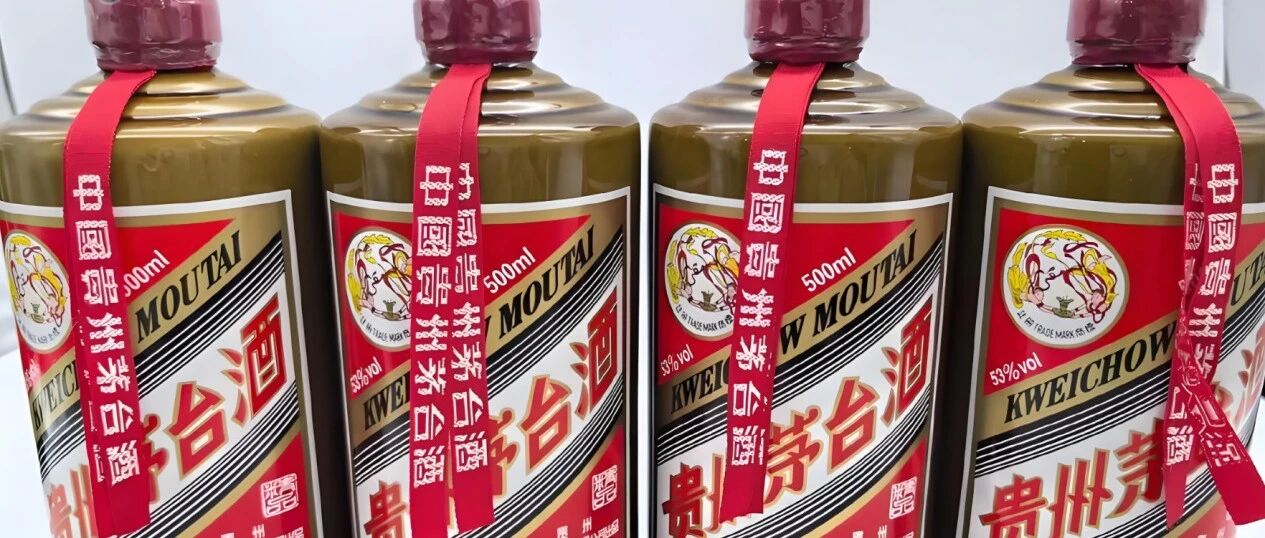
2299元精品茅台上线首日再秒空!已有黄牛退场,经销商开始转型
新浪财经· 2026-01-09 11:21
Core Viewpoint - The launch of iMoutai's new premium Moutai liquor at a price of 2299 yuan per bottle has significantly impacted the traditional resale market, leading to a decline in profits for scalpers and a shift in the role of distributors towards a more market-oriented approach [2][3][6]. Group 1: Impact on Scalpers - Traditional scalpers are facing a crisis as the direct sales model introduced by Moutai eliminates price discrepancies, leading to a loss of income for those relying on resale [2][6]. - The resale market for Moutai has become sluggish, with the buyback price for 2024-2026 Moutai hovering around 1400 yuan, which is below the market guidance price of 1499 yuan [6][8]. - Social media reflects this shift, with consumers expressing skepticism about the profitability of reselling Moutai, indicating a significant change in market dynamics [7]. Group 2: Changes for Distributors - Distributors are adapting to a market-oriented model, with some choosing to align their prices with Moutai's direct sales, selling the 2026 Moutai at 1499 yuan [3][8]. - Despite the lower profit margins, distributors are still able to earn from the sales, as the cost price is approximately 1169 yuan, allowing for a profit even at the new retail price [10]. - The transition towards a service-oriented model is being emphasized, with distributors focusing on customer service rather than solely on profit from sales [11][12]. Group 3: Market Dynamics and Future Outlook - The increased supply of Moutai through iMoutai has led to price fluctuations in the wholesale market, with some reports indicating prices dropping below the guidance price [12][15]. - Analysts express concerns that while increased volume may boost short-term performance, maintaining price levels is crucial for long-term sustainability [15]. - The shift from a luxury to a consumer product is evident, as Moutai aims to broaden its consumer base and adapt to changing market demands [15].


高品质住宅系列报告之四:三四线楼市新变化,结构性机会仍存
Ping An Securities· 2025-10-28 10:47
Investment Rating - The report maintains an "Outperform" rating for the real estate industry [1] Core Insights - The report highlights structural opportunities in the third and fourth-tier housing markets despite challenges such as inventory overhang and weak demand [6][8] - It emphasizes that the market for "good houses" is stabilizing, with a willingness to pay for quality increasing among consumers in lower-tier cities [6][8] Summary by Sections Market Overview - The inventory clearance cycle in third and fourth-tier cities is relatively stable, with a longer average clearance period of 50.5 months compared to 35.1 months in first-tier cities [11] - Price adjustments in these cities are gradually shrinking, indicating a stabilization in housing prices [11] Land Acquisition Trends - Land acquisition competition is weaker in third and fourth-tier cities, with fewer new entrants due to the exit of distressed developers [14][30] - The land transaction premium in third-tier cities has decreased by 0.7 percentage points compared to the previous year, indicating a more favorable environment for project profitability [14][30] Consumer Preferences - There is a noticeable trend towards larger units in third and fourth-tier cities, driven by family-oriented living arrangements and lower price thresholds [21][16] - The acceptance of "good houses" is higher in these markets, with consumers willing to pay a premium for quality [21][16] Competitive Landscape - The number of developers active in third and fourth-tier cities has significantly decreased, leading to a more favorable competitive environment for established players [30][31] - Companies that have maintained a presence in these markets, such as China Overseas Development and Greentown China, are likely to benefit from improved project margins [35][41] Implications for Higher-Tier Markets - The report suggests that the trends observed in third and fourth-tier cities may also apply to first and second-tier markets, where a differentiation and quality improvement trend is expected to continue [80] - Core areas in first-tier cities are anticipated to stabilize and potentially see price recovery, particularly for high-quality properties [80]