消费行业并购

Search documents
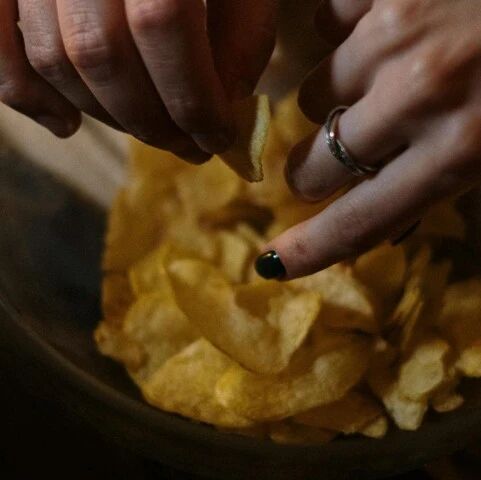
2500亿,网红薯片被卖了
36氪· 2025-12-17 15:18
Group 1 - Mars has completed the acquisition of Kellanova, the parent company of Pringles, for approximately $35.9 billion (about 253.4 billion RMB), marking the largest acquisition in the global food industry this year [4][9]. - The acquisition combines iconic brands, with Mars owning brands like Dove, Snickers, and M&M's, while Kellanova is known for Pringles and Kellogg's cereals [5][16]. - The merger is expected to generate annual revenue of $36 billion for Mars' snack food business, positioning it as the third-largest player in the global snack industry, behind PepsiCo and Mondelez [16]. Group 2 - The acquisition of Kellanova has been in the works since August of last year, with Mars announcing a cash offer of $83.50 per share [9]. - Kellanova's market value was approximately $29.03 billion (about 204.5 billion RMB) at the time of the acquisition's completion [9]. - Mars has a history of significant acquisitions, having completed over 10 deals in the past two years, including brands in the chocolate and pet food sectors [15][14]. Group 3 - The article highlights a broader trend in the consumer sector, with several brands, including Starbucks and Burger King, engaging in strategic partnerships and sales to adapt to increasing market competition [21][22]. - The consumer industry is viewed as resilient and attractive for capital investment, especially in the food and beverage sector, which is less affected by economic cycles [23]. - The ongoing reshuffling in the consumer market suggests that more significant deals are likely to follow [24].

680亿,一代“鞋王”卖身了
投中网· 2025-05-13 06:29
Core Viewpoint - The acquisition of Skechers by 3G Capital marks the largest merger deal in the footwear industry to date, with a transaction value of approximately $9.4 billion (around 68 billion RMB) at a cash price of $63 per share, expected to be completed in Q3 of this year [2][3]. Company Overview - Skechers, founded in 1992, focuses on affordable athletic and casual footwear, becoming the third-largest sports brand globally with sales of $8.97 billion in 2024, following Nike and Adidas [2][5]. - The company entered the Chinese market in 2007 and has localized its supply chain, with over 90% of products sold in China being "Made in China" [5]. Financial Performance - In 2024, Skechers achieved a sales revenue of $8.97 billion, a 12% year-on-year increase, marking a historical high, with revenue nearly doubling over the past five years [6]. - However, the company faces challenges, including a 16% decline in sales in China over two consecutive quarters and rising costs due to recent tariff policies affecting its supply chain [6]. Strategic Implications - The decision to go private is seen as a strategic move to mitigate pressures from public markets and to allow for business adjustments in response to trade uncertainties [6]. - 3G Capital's acquisition strategy typically involves identifying high-potential brands in struggling conditions, which aligns with Skechers' current situation [9]. Market Context - The global athletic footwear market is projected to grow at a compound annual growth rate of 5% from 2024 to 2029, indicating potential for further expansion [9]. - Skechers' current price-to-earnings ratio of 14 is significantly lower than that of its competitors, making it an attractive acquisition target for 3G Capital [9]. Acquisition Strategy - Unlike previous acquisitions, 3G Capital plans to retain Skechers' current CEO and management team, indicating a shift towards a more collaborative approach rather than aggressive restructuring [10]. - This acquisition reflects a broader trend in the consumer sector, where significant merger and acquisition activity is occurring across various industries, including food and beverage, apparel, and small appliances [12][16].