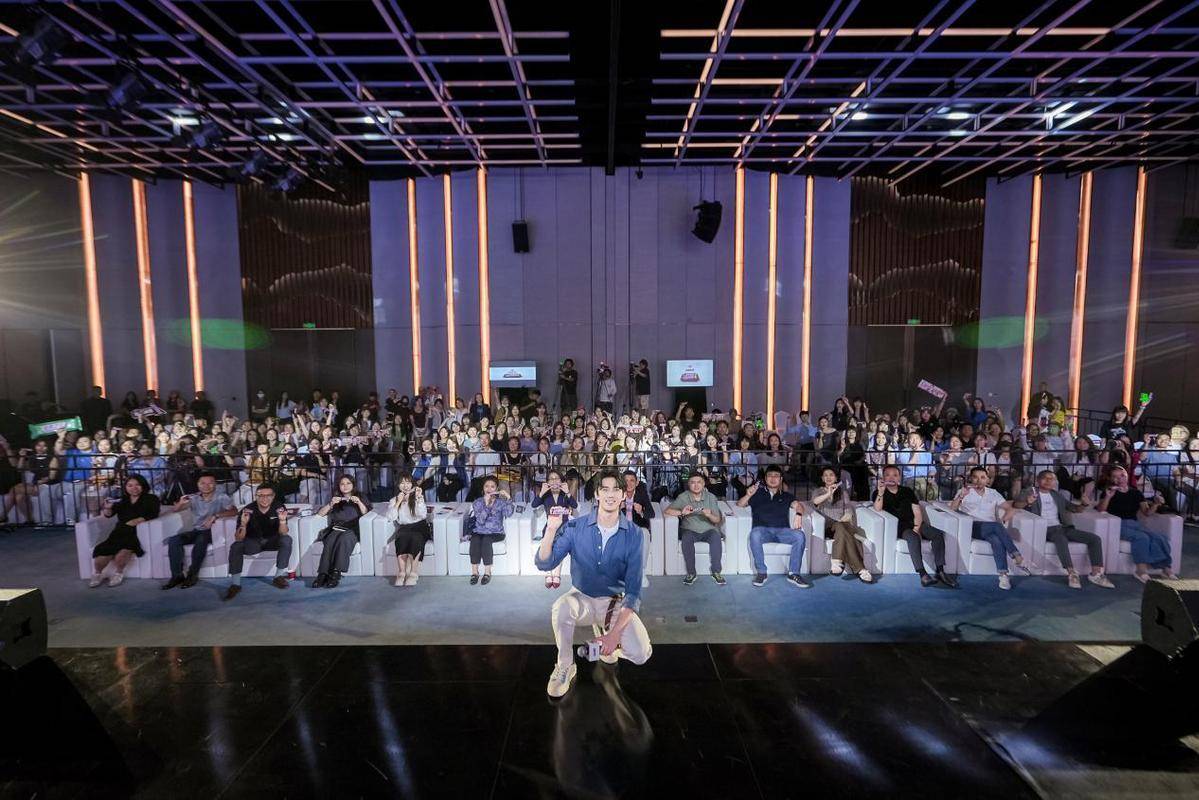
士力架

Search documents
交易对价约4.18亿元!金龙鱼清仓与家乐氏合资股权
Mei Ri Jing Ji Xin Wen· 2026-01-18 12:49
Core Viewpoint - The acquisition of Kellanova's Chinese operations by Mars China marks a significant shift in the management of the Pringles and Kellogg's brands in China, with Mars becoming the sole operator of these brands in the market [1][2]. Group 1: Transaction Details - Jinlongyu (Golden Fish) announced the transfer of its 50% stakes in two joint ventures, Kellogg's Shanghai and Kellogg's Kunshan, to Mars China for a total consideration of $60 million (approximately 418 million RMB) [1][5]. - This transaction is part of a broader strategy where Mars aims to fully integrate Kellanova's assets in China, enhancing its product portfolio in the snack and breakfast categories [6][7]. Group 2: Financial Performance - The latest financial disclosures reveal that Kellogg's Shanghai generated revenues of 289 million RMB and a net profit of 47.6 million RMB in 2024, while Kellogg's Kunshan had revenues of 127 million RMB and a net profit of 7.6 million RMB [3]. - Compared to 2019, both joint ventures have shown significant growth, with Kellogg's Shanghai's net assets improving from -125 million RMB to 101 million RMB [3]. Group 3: Strategic Implications - Jinlongyu's exit from the joint ventures allows it to focus on its core business in the grain and oil sector, which constitutes about 60% of its revenue [5]. - Mars's acquisition is seen as a strategic move to strengthen its market presence in China, particularly in the breakfast and snack food segments, amidst increasing competition from local brands [6][8]. Group 4: Future Challenges - Mars will face challenges in managing the integration of Kellogg's operations, particularly in adapting to the rapidly changing consumer preferences and the rise of domestic brands in the snack food market [7][8].
2025年零售圈十大收购事件发布
Tai Mei Ti A P P· 2026-01-06 13:14
Core Insights - The retail industry experienced a significant wave of mergers and acquisitions in 2025, indicating a major capital reshuffle within the sector [1][27] - Major companies are either divesting non-core assets to focus on their main businesses or acquiring new brands to expand their portfolios [1][27] - Private equity firms are playing a crucial role in driving brand transformation and expansion in the retail sector [1][27] Group 1: Major Mergers and Acquisitions - Alibaba divested its stake in Suning and Intime Retail, marking a strategic shift to optimize resource allocation [3][26] - Mars, Incorporated completed the acquisition of Kellanova for approximately $35.9 billion, creating a global snack empire [5][7] - KKR acquired an 85% stake in Vista International, which is linked to the domestic beverage brand Da Yao, enhancing its control over the Chinese soda market [9][10] Group 2: Strategic Adjustments and Performance - After KKR's acquisition, Gao Xin Retail reported a revenue of 71.55 billion yuan, with a net profit of 386 million yuan, marking a turnaround from previous losses [4] - The acquisition of Kellanova by Mars is one of the largest in the packaged food sector in the last decade, highlighting the trend of consolidation among food giants [7][8] - CPE Yuanfeng's acquisition of Burger King China aims to accelerate local expansion with a commitment to invest $350 million [16][17] Group 3: Industry Trends and Future Outlook - The retail sector is shifting from scale expansion to lean operations, focusing on supply chain and brand value [2][27] - The relationship between brands and capital is evolving from mere financial support to active operational involvement, indicating a search for sustainable growth [27] - The ongoing mergers and acquisitions signal a re-evaluation of the value of physical retail, with supply chain and product strength becoming central to competition [27]


2025全球家族财富榜出炉:沃尔顿家族以5134亿美元稳居第一
3 6 Ke· 2025-12-18 07:48
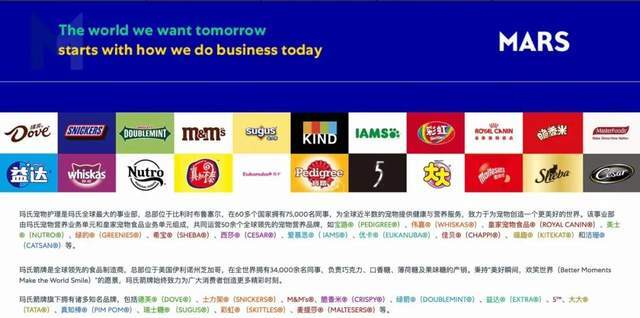
Group 1 - The Walton family, founders of Walmart, tops the global wealth list with a net worth of $513.4 billion, marking the first time their wealth exceeds $500 billion [1][7] - The total wealth of the top 25 richest families globally increased by $358.7 billion over the past year, reaching a combined net worth of $2.9 trillion [2] - The entry threshold for the list reached a historical high of $46.4 billion, an increase of $9.7 billion from the previous year [2] Group 2 - Walmart generated $681 billion in revenue from over 10,750 stores worldwide in the last fiscal year, serving 270 million customers weekly [4] - The Al Nahyan family, ruling in the UAE, has significant control over the country's oil wealth and has diversified investments, including in AI [6][9] - The Koch family, through Koch Industries, has a revenue of approximately $125 billion, managing their wealth through a family office [17][24] Group 3 - The Mars family, known for their candy and pet care products, has a wealth of $143.4 billion, with pet care now accounting for over half of their revenue [20][25] - The Ambani family, controlling Reliance Industries, has a net worth of $105.6 billion, with significant assets in oil refining [23][26] - The Ferrero family, with a wealth of $54.9 billion, has expanded their business through acquisitions, including the purchase of Kellogg's US candy business [57][60]


2500亿,网红薯片被卖了
36氪· 2025-12-17 15:18
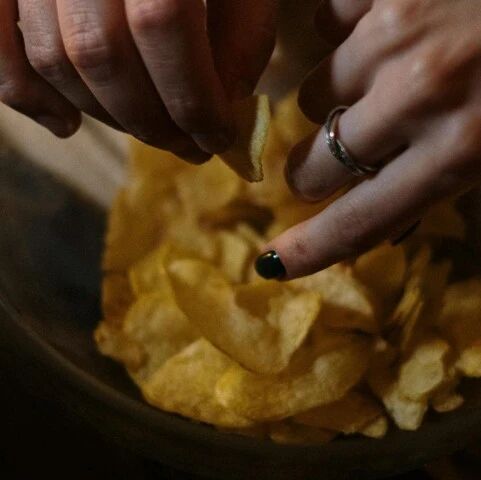
Group 1 - Mars has completed the acquisition of Kellanova, the parent company of Pringles, for approximately $35.9 billion (about 253.4 billion RMB), marking the largest acquisition in the global food industry this year [4][9]. - The acquisition combines iconic brands, with Mars owning brands like Dove, Snickers, and M&M's, while Kellanova is known for Pringles and Kellogg's cereals [5][16]. - The merger is expected to generate annual revenue of $36 billion for Mars' snack food business, positioning it as the third-largest player in the global snack industry, behind PepsiCo and Mondelez [16]. Group 2 - The acquisition of Kellanova has been in the works since August of last year, with Mars announcing a cash offer of $83.50 per share [9]. - Kellanova's market value was approximately $29.03 billion (about 204.5 billion RMB) at the time of the acquisition's completion [9]. - Mars has a history of significant acquisitions, having completed over 10 deals in the past two years, including brands in the chocolate and pet food sectors [15][14]. Group 3 - The article highlights a broader trend in the consumer sector, with several brands, including Starbucks and Burger King, engaging in strategic partnerships and sales to adapt to increasing market competition [21][22]. - The consumer industry is viewed as resilient and attractive for capital investment, especially in the food and beverage sector, which is less affected by economic cycles [23]. - The ongoing reshuffling in the consumer market suggests that more significant deals are likely to follow [24].
2500亿,网红薯片被卖了
3 6 Ke· 2025-12-13 08:30
Group 1 - Mars has completed the acquisition of Kellanova, the parent company of Pringles, for approximately $35.9 billion (about 253.4 billion RMB), marking the largest food industry acquisition of the year [1][4] - The acquisition was announced in August 2022 at a price of $83.50 per share, and regulatory approval was granted in December 2023, leading to Kellanova's delisting from the NYSE [4][5] - The merger combines iconic brands from both companies, with Mars CEO Poul Weihrauch emphasizing the opportunity for innovation and reaching more consumers globally [5][6] Group 2 - Pringles, launched in 1968, was the first canned chip brand and gained popularity through unique flavors and marketing strategies [3][4] - Kellanova, which includes brands like Pringles and Cheez-It, was formed after Procter & Gamble sold Pringles for $2.695 billion (about 18.8 billion RMB) in 2012, making Kellanova the second-largest snack company at that time [5][8] - The acquisition will elevate Mars' snack food business revenue to an estimated $36 billion, positioning it as the third-largest player in the global snack industry, behind PepsiCo and Mondelez [8] Group 3 - Mars has a history of significant acquisitions, with over 10 deals completed in the past two years, including brands in the chocolate and pet food sectors [7][8] - The company remains privately held and is one of the largest family-owned businesses globally, with annual sales exceeding $55 billion and over 150,000 employees [7] - The current trend in the consumer sector shows a wave of mergers and acquisitions, with companies adjusting strategies in response to intensified market competition [10][12]
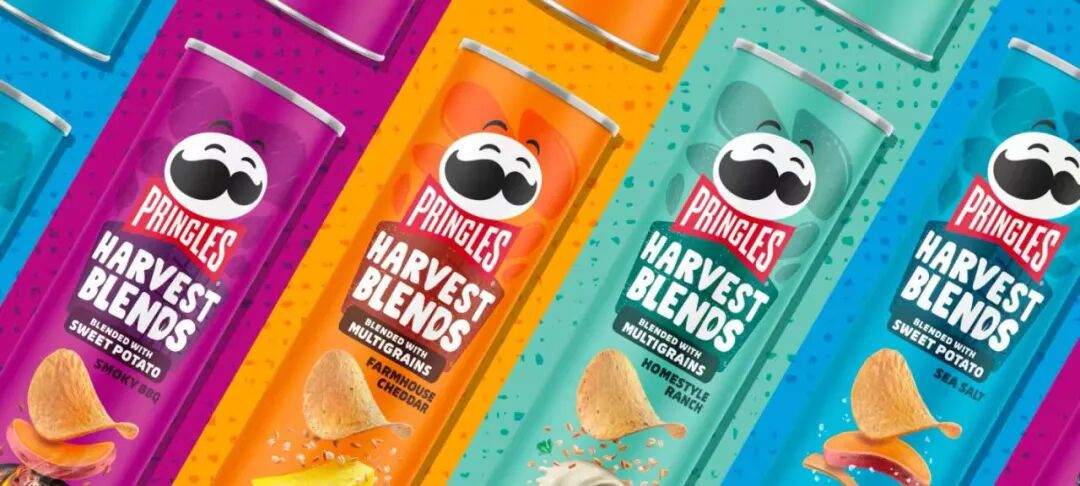
2500亿,网红薯片被卖了
投资界· 2025-12-13 07:39
Group 1 - Mars has completed the acquisition of Kellanova, the parent company of Pringles, for approximately $35.9 billion (about 253.4 billion RMB), marking the largest food industry acquisition of the year [2][5] - The acquisition signifies the merging of well-known brands, with Mars owning brands like Dove and Snickers, while Kellanova is recognized for Pringles and Kellogg's cereals [2][4] - The deal was in the works for a long time, with regulatory approval received in December, leading to Kellanova's delisting from the New York Stock Exchange [5][6] Group 2 - Pringles, launched in 1968, was the first canned potato chip brand and gained popularity through unique flavors and marketing strategies [4][6] - The brand initially struggled in sales but became a hit in the 1980s after taste adjustments and effective advertising [6] - Kellanova's history dates back to 1894, and it became the second-largest snack company globally after acquiring Pringles from Procter & Gamble for $26.95 billion (about 188 billion RMB) in 2012 [6][7] Group 3 - Mars CEO Paul Wehrrauch described the acquisition as historic, emphasizing the opportunity for innovation and reaching more consumers [7] - Mars is a well-known company with a diverse portfolio, including brands like M&M's and Skittles, and has a history of significant acquisitions [8][9] - The acquisition is expected to boost Mars' snack food business revenue to approximately $36 billion, positioning it as the third-largest player in the global snack industry [9] Group 4 - The article highlights a broader trend of mergers and acquisitions in the consumer sector, with companies like Starbucks and Burger King also engaging in strategic partnerships and sales [10][12] - The competitive landscape in the consumer market is prompting brands to adjust strategies, with many familiar brands choosing to sell parts of their businesses [13] - The food and beverage sector is viewed as resilient and attractive for investment, especially during economic fluctuations, leading to increased merger activity [13]

2534亿元,全球食品巨头收购案定了
Sou Hu Cai Jing· 2025-12-12 16:46
Core Insights - The acquisition of Kellanova by Mars has been finalized, marking one of the largest food acquisitions in history [1][3] - Mars aims to enhance its snack food business, projecting combined annual revenues of approximately $36 billion post-acquisition [5][6] Acquisition Details - Mars announced the acquisition agreement on August 14, 2024, at a price of $83.50 per share, totaling $35.9 billion (approximately ¥253.4 billion), representing a 44% premium over Kellanova's 30-day weighted average share price [3][4] - Kellanova's market capitalization before delisting was $29.03 billion, which was lower than the acquisition price [3][4] - The deal received approval from Kellanova's shareholders in November 2024 and all necessary regulatory approvals by December 2025 [3] Financial Performance - Kellanova reported organic sales of $13.81 billion for the full year 2024, a 5.6% year-over-year increase, with adjusted operating income of $1.9 billion, up 17.3% [4] - In the first three quarters of 2024, Kellanova's organic sales were $9.64 billion, showing only a 0.2% increase year-over-year, while adjusted operating income declined by 4.1% to $1.39 billion [4] Brand Integration - The acquisition allows Mars to incorporate Kellanova's brands, including Pringles, Cheez-It, and Pop-Tarts, into its snack food division [4][6] - Mars will now have nine brands with annual sales exceeding $1 billion, enhancing its market presence [5] Strategic Expansion - The acquisition is seen as a strategic move to diversify Mars' product offerings into categories such as cereals, chips, and healthy snacks, complementing its existing portfolio [6] - Mars has been actively pursuing acquisitions since 2020 to strengthen its snack business and expand into premium segments [6]
2534亿元,全球食品巨头收购案定了
21世纪经济报道· 2025-12-12 14:32
Core Viewpoint - The acquisition of Kellanova by Mars represents one of the largest food deals in history, enhancing Mars' position in the snack food industry and expanding its product portfolio significantly [1][2]. Group 1: Acquisition Details - Mars announced the acquisition of Kellanova for $83.50 per share, totaling approximately $35.9 billion (around 253.4 billion RMB), which is a 44% premium over Kellanova's 30-day weighted average share price prior to the announcement [2]. - Kellanova's market capitalization was $29.03 billion before its delisting, which is lower than the acquisition price [2]. - The deal was approved by Kellanova's shareholders in November 2024 and received all necessary regulatory approvals by December 2025 [2]. Group 2: Financial Performance - Kellanova reported an organic sales revenue of $13.81 billion for 2024, with a year-on-year growth of 5.6%, while its adjusted operating profit was $1.9 billion, up 17.3% [4]. - In the first three quarters of 2024, Kellanova's organic sales revenue was $9.64 billion, showing a modest growth of 0.2%, and its adjusted operating profit was $1.39 billion, down 4.1% year-on-year [4]. Group 3: Strategic Implications - The acquisition will increase Mars' snack business revenue to approximately $36 billion, with nine brands generating over $1 billion in annual sales, including Pringles, Cheez-It, and Kellanova's brands [5]. - The merger allows Mars to enter new categories such as cereals and healthy snacks, complementing its existing product lines, which include brands like Snickers, M&M's, and Dove [7]. - Mars aims to enhance its market coverage and competitiveness through this acquisition, leveraging the strengths of both companies to shape the future of the snack food industry [7]. Group 4: Recent Acquisitions - Since 2020, Mars has been actively expanding its snack business through several acquisitions, including KIND North America, Trü Frü, Nature's Bakery, Hotel Chocolat, and Kevin's Natural Foods [8]. - In the pet care sector, Mars has also acquired veterinary product suppliers to strengthen its service capabilities in pet health [9].
359亿美元天价收购案背后:玛氏构建零食超级“王国”
2 1 Shi Ji Jing Ji Bao Dao· 2025-12-12 11:37
Core Insights - The acquisition of Kellanova by Mars represents one of the largest food deals in history, with a total consideration of $35.9 billion, reflecting a 44% premium over Kellanova's average share price prior to the agreement [1][2] - The merger is expected to enhance Mars' snack business, increasing annual revenue to approximately $36 billion and adding nine brands with over $1 billion in annual sales [3][4] Company Overview - Mars is a well-known global food giant with annual sales exceeding $50 billion and operations in over 145 markets, employing around 150,000 people [2] - Kellanova, prior to its delisting, had a market capitalization of $29.03 billion and generated organic sales of $13.81 billion in 2024, with a 5.6% year-over-year growth [2][3] Strategic Implications - The acquisition allows Mars to enter complementary categories such as cereals and snacks, significantly enhancing its market coverage and competitiveness [4] - Mars has been actively expanding its snack business since 2020, with several key acquisitions aimed at enhancing its portfolio in the snack and pet care sectors [5]
玛氏公司士力架立足产品创新,拓展本土多元消费场景
Sou Hu Cai Jing· 2025-07-31 23:26
Core Insights - Mars launched the "Hunger Resistance New Energy" concept for its Snickers brand in China, aiming to innovate user positioning and diversify consumption scenarios to enhance sales performance in the market [1][2] - The new product, "Kettlebell Pack," is designed for fitness enthusiasts, providing energy replenishment before and after workouts, aligning with consumer needs for convenience and efficiency [1] - Snickers contains 8.6 grams of high-quality protein per 100 grams, catering to the demand for energy and nutritional supplements among Chinese consumers [1] Market Strategy - Mars is committed to deepening its presence in the Chinese market by introducing innovative products and expanding through various online and offline channels [2] - The brand emphasizes the importance of multi-scenario penetration, targeting common energy storage locations such as desks, backpacks, and refrigerators to meet the needs of young consumers [1]