
家乐氏麦片

Search documents
交易对价约4.18亿元!金龙鱼清仓与家乐氏合资股权
Mei Ri Jing Ji Xin Wen· 2026-01-18 12:49
Core Viewpoint - The acquisition of Kellanova's Chinese operations by Mars China marks a significant shift in the management of the Pringles and Kellogg's brands in China, with Mars becoming the sole operator of these brands in the market [1][2]. Group 1: Transaction Details - Jinlongyu (Golden Fish) announced the transfer of its 50% stakes in two joint ventures, Kellogg's Shanghai and Kellogg's Kunshan, to Mars China for a total consideration of $60 million (approximately 418 million RMB) [1][5]. - This transaction is part of a broader strategy where Mars aims to fully integrate Kellanova's assets in China, enhancing its product portfolio in the snack and breakfast categories [6][7]. Group 2: Financial Performance - The latest financial disclosures reveal that Kellogg's Shanghai generated revenues of 289 million RMB and a net profit of 47.6 million RMB in 2024, while Kellogg's Kunshan had revenues of 127 million RMB and a net profit of 7.6 million RMB [3]. - Compared to 2019, both joint ventures have shown significant growth, with Kellogg's Shanghai's net assets improving from -125 million RMB to 101 million RMB [3]. Group 3: Strategic Implications - Jinlongyu's exit from the joint ventures allows it to focus on its core business in the grain and oil sector, which constitutes about 60% of its revenue [5]. - Mars's acquisition is seen as a strategic move to strengthen its market presence in China, particularly in the breakfast and snack food segments, amidst increasing competition from local brands [6][8]. Group 4: Future Challenges - Mars will face challenges in managing the integration of Kellogg's operations, particularly in adapting to the rapidly changing consumer preferences and the rise of domestic brands in the snack food market [7][8].
2500亿,网红薯片被卖了
36氪· 2025-12-17 15:18
Group 1 - Mars has completed the acquisition of Kellanova, the parent company of Pringles, for approximately $35.9 billion (about 253.4 billion RMB), marking the largest acquisition in the global food industry this year [4][9]. - The acquisition combines iconic brands, with Mars owning brands like Dove, Snickers, and M&M's, while Kellanova is known for Pringles and Kellogg's cereals [5][16]. - The merger is expected to generate annual revenue of $36 billion for Mars' snack food business, positioning it as the third-largest player in the global snack industry, behind PepsiCo and Mondelez [16]. Group 2 - The acquisition of Kellanova has been in the works since August of last year, with Mars announcing a cash offer of $83.50 per share [9]. - Kellanova's market value was approximately $29.03 billion (about 204.5 billion RMB) at the time of the acquisition's completion [9]. - Mars has a history of significant acquisitions, having completed over 10 deals in the past two years, including brands in the chocolate and pet food sectors [15][14]. Group 3 - The article highlights a broader trend in the consumer sector, with several brands, including Starbucks and Burger King, engaging in strategic partnerships and sales to adapt to increasing market competition [21][22]. - The consumer industry is viewed as resilient and attractive for capital investment, especially in the food and beverage sector, which is less affected by economic cycles [23]. - The ongoing reshuffling in the consumer market suggests that more significant deals are likely to follow [24].

2500亿,网红薯片被卖了
3 6 Ke· 2025-12-13 08:30
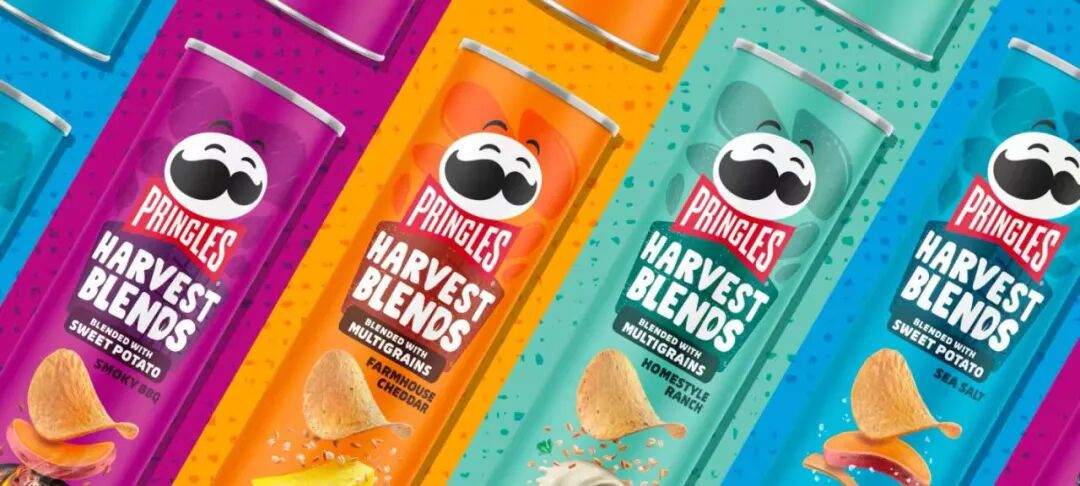
Group 1 - Mars has completed the acquisition of Kellanova, the parent company of Pringles, for approximately $35.9 billion (about 253.4 billion RMB), marking the largest food industry acquisition of the year [1][4] - The acquisition was announced in August 2022 at a price of $83.50 per share, and regulatory approval was granted in December 2023, leading to Kellanova's delisting from the NYSE [4][5] - The merger combines iconic brands from both companies, with Mars CEO Poul Weihrauch emphasizing the opportunity for innovation and reaching more consumers globally [5][6] Group 2 - Pringles, launched in 1968, was the first canned chip brand and gained popularity through unique flavors and marketing strategies [3][4] - Kellanova, which includes brands like Pringles and Cheez-It, was formed after Procter & Gamble sold Pringles for $2.695 billion (about 18.8 billion RMB) in 2012, making Kellanova the second-largest snack company at that time [5][8] - The acquisition will elevate Mars' snack food business revenue to an estimated $36 billion, positioning it as the third-largest player in the global snack industry, behind PepsiCo and Mondelez [8] Group 3 - Mars has a history of significant acquisitions, with over 10 deals completed in the past two years, including brands in the chocolate and pet food sectors [7][8] - The company remains privately held and is one of the largest family-owned businesses globally, with annual sales exceeding $55 billion and over 150,000 employees [7] - The current trend in the consumer sector shows a wave of mergers and acquisitions, with companies adjusting strategies in response to intensified market competition [10][12]
2500亿,网红薯片被卖了
投资界· 2025-12-13 07:39
Group 1 - Mars has completed the acquisition of Kellanova, the parent company of Pringles, for approximately $35.9 billion (about 253.4 billion RMB), marking the largest food industry acquisition of the year [2][5] - The acquisition signifies the merging of well-known brands, with Mars owning brands like Dove and Snickers, while Kellanova is recognized for Pringles and Kellogg's cereals [2][4] - The deal was in the works for a long time, with regulatory approval received in December, leading to Kellanova's delisting from the New York Stock Exchange [5][6] Group 2 - Pringles, launched in 1968, was the first canned potato chip brand and gained popularity through unique flavors and marketing strategies [4][6] - The brand initially struggled in sales but became a hit in the 1980s after taste adjustments and effective advertising [6] - Kellanova's history dates back to 1894, and it became the second-largest snack company globally after acquiring Pringles from Procter & Gamble for $26.95 billion (about 188 billion RMB) in 2012 [6][7] Group 3 - Mars CEO Paul Wehrrauch described the acquisition as historic, emphasizing the opportunity for innovation and reaching more consumers [7] - Mars is a well-known company with a diverse portfolio, including brands like M&M's and Skittles, and has a history of significant acquisitions [8][9] - The acquisition is expected to boost Mars' snack food business revenue to approximately $36 billion, positioning it as the third-largest player in the global snack industry [9] Group 4 - The article highlights a broader trend of mergers and acquisitions in the consumer sector, with companies like Starbucks and Burger King also engaging in strategic partnerships and sales [10][12] - The competitive landscape in the consumer market is prompting brands to adjust strategies, with many familiar brands choosing to sell parts of their businesses [13] - The food and beverage sector is viewed as resilient and attractive for investment, especially during economic fluctuations, leading to increased merger activity [13]
