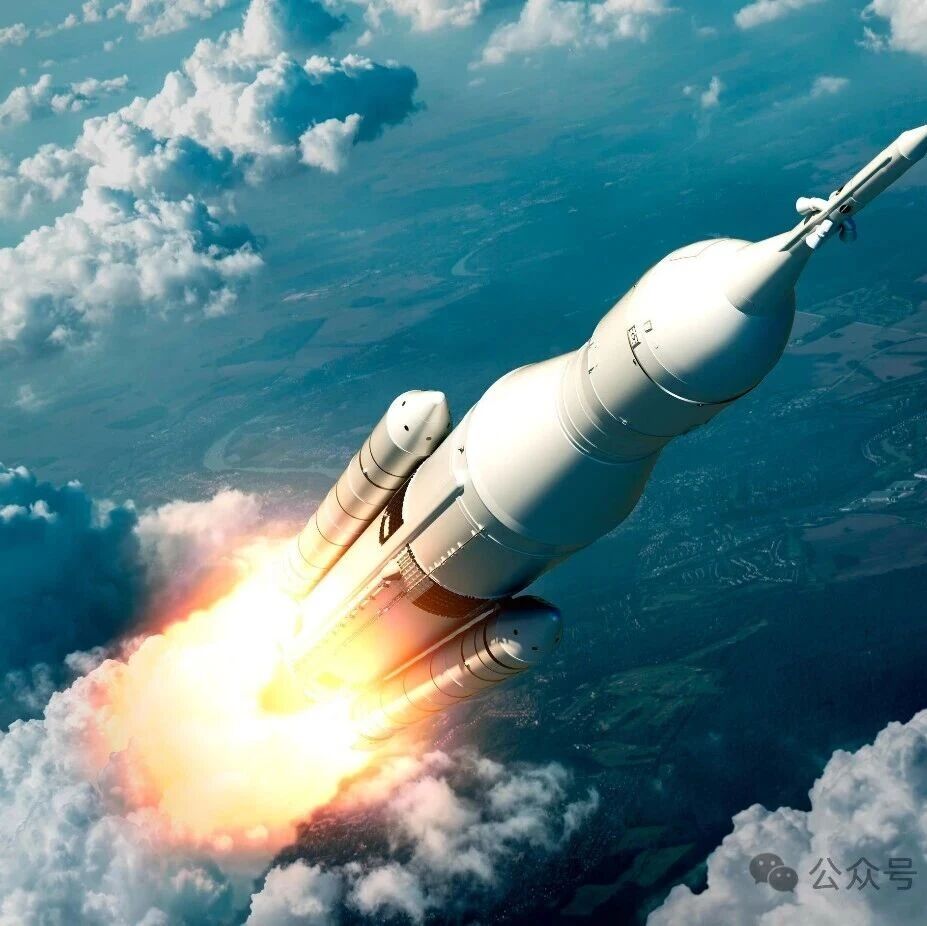
液氧甲烷燃料

Search documents
中国首款不锈钢火箭:朱雀三号将再次发射,马斯克:能超越猎鹰9
Sou Hu Cai Jing· 2026-02-27 03:10
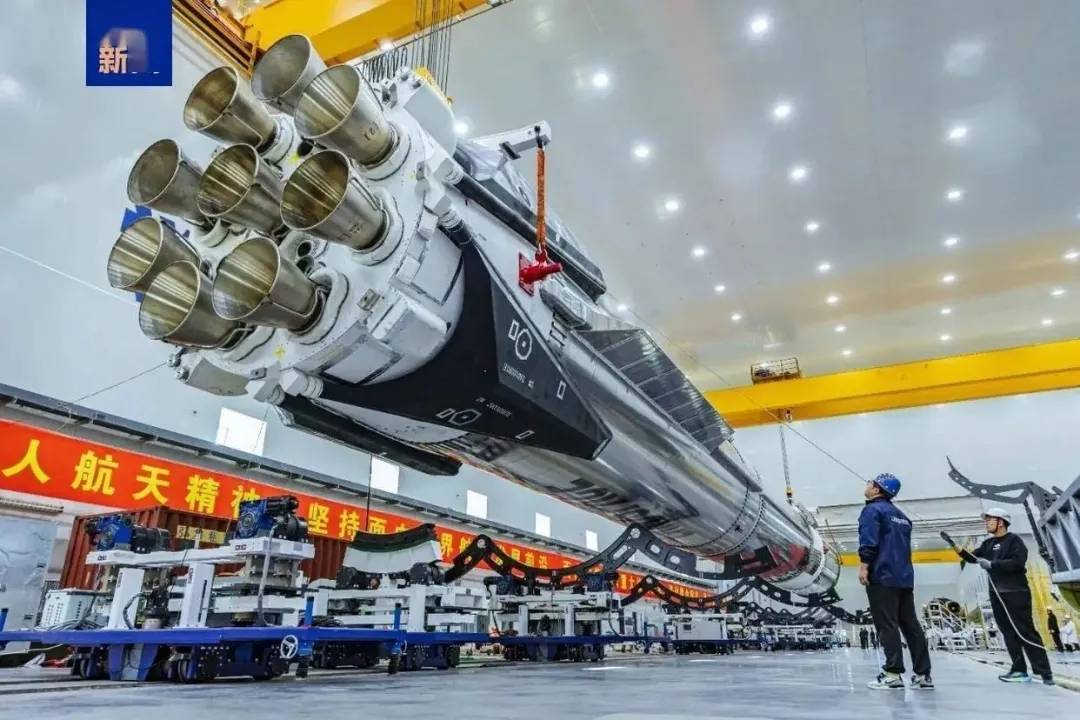
Core Viewpoint - The Zhuque-3 rocket, developed independently by China, is set to make another launch, showcasing advancements in reusable rocket technology and marking a significant breakthrough in the country's aerospace capabilities [1][3]. Group 1: Launch and Performance - The first launch of the Zhuque-3 rocket took place on December 3, 2025, and while it did not achieve complete success, it demonstrated several breakthroughs, including a successful orbital insertion and a 1400-second glide phase for the second stage [3][4]. - The rocket's recovery process faced challenges, particularly during the re-entry and landing phases, but it landed approximately 40 meters from the intended target, indicating potential for successful soft landings in future attempts [4][6]. Group 2: Future Plans and Developments - The development team is optimizing the landing process and plans to conduct a second recovery test in the second quarter of 2026, aiming for the first recovery and reuse flight in the fourth quarter of this year [4][13]. - The Zhuque-3 rocket's design allows for multiple uses, which could significantly reduce production costs compared to traditional expendable rockets [9][10]. Group 3: Technical Specifications and Comparisons - The Zhuque-3 rocket features a length of 66.1 meters, a launch weight of 570 tons, and a thrust exceeding 750 tons, with a low Earth orbit payload capacity of 21.3 tons [11][14]. - It utilizes environmentally friendly and cost-effective liquid oxygen-methane fuel, which enhances engine cleanliness and reduces maintenance costs [14]. Group 4: Strategic Importance - The Zhuque-3 rocket is positioned as a critical component in China's future space endeavors, complementing existing Long March rockets and enhancing the country's capabilities in launching satellites and space missions [6][7].

商业航天深度:技术收敛引爆“奇点”,蓝海市场破晓已至(附62页PPT)
材料汇· 2026-01-08 16:01
Group 1 - The article emphasizes the explosive growth of the commercial space industry driven by supportive policies and technological advancements [4][19] - The transition from traditional space (government-led) to commercial space (private sector-driven) is highlighted, showcasing the shift in funding and operational models [10][12] - The U.S. and China are establishing a bipolar competitive landscape in the space industry, with the U.S. leading in commercial launches and satellite deployments [24][28] Group 2 - Key sectors in the space industry include satellites, launch vehicles, ground equipment, and terminal applications, which are experiencing increased demand [3][29] - The competitive landscape is maturing, with significant advancements in technology such as reusable rockets and cost-effective satellite manufacturing [20][23] - Investment recommendations suggest focusing on companies that are well-positioned within the rapidly evolving commercial space ecosystem [3][39] Group 3 - The article outlines the historical development of commercial space, noting critical milestones from the 1980s to the present, including the rise of companies like SpaceX and Blue Origin [11][16] - The U.S. has shifted its procurement model from cost-plus contracts to fixed-price contracts, incentivizing cost reduction and innovation in the space sector [14][15] - China's commercial space sector is rapidly developing, with government initiatives aimed at fostering innovation and investment in the industry [19][27] Group 4 - The article discusses the structure of the space industry supply chain, which includes upstream (manufacturing), midstream (launch services), and downstream (applications) segments [30][32] - The total addressable market (TAM) for the space industry is projected to grow significantly, with commercial space revenues expected to dominate [39][40] - The article highlights the high barriers to entry in the space industry, particularly in the upstream segment, which contributes to high profit margins [41]