物理 AI

Search documents
西部证券晨会纪要-20260331
Western Securities· 2026-03-31 01:21
Group 1: Medical and Biological Sector - The core conclusion is that Yingke Medical (300677.SZ) is a global leader in disposable protective gloves, with significant cost, capacity, and financial advantages, leading in production and revenue scale in China and globally [6][7] - The disposable glove industry is experiencing a supply-demand improvement, with the company expanding nitrile glove production capacity, enhancing market share and profitability, leading to a strong growth outlook [6][7] - The company’s revenue for 2024 and Q1 2025 showed a year-on-year increase of 37.6% and 4.6%, respectively, with profits increasing by 282.6% and 34.5% [6] Group 2: Media Sector - Xindong Company (02400.HK) reported a revenue of 57.64 billion yuan for 2025, a year-on-year increase of 15.0%, and a net profit of 15.35 billion yuan, up 89.2% [9] - The gaming business revenue reached 37.96 billion yuan, growing by 10.5%, driven by several successful new games [9][10] - The TapTap platform revenue increased by 24.7% to 19.68 billion yuan, with user engagement metrics showing positive trends [10] Group 3: Construction and Decoration Sector - China Energy Construction (601868.SH) achieved a revenue of 4529.30 billion yuan in 2025, a year-on-year increase of 3.71%, but net profit decreased by 30.44% [12][13] - The company’s overseas business showed strong growth, with a 34.65% increase in revenue from international operations [12] - The company is focusing on hydrogen energy, energy storage, and computing power, with significant investments in these areas [13] Group 4: Non-ferrous Metals Sector - Luoyang Molybdenum (603993.SH) reported a revenue of 2066.8 billion yuan in 2025, a decrease of 3.0%, while net profit increased by 50.3% [16][17] - The company’s copper production reached 741,100 tons, a year-on-year increase of 14.0%, positioning it among the top ten copper producers globally [17] - The company is pursuing a dual-core strategy focusing on copper and gold, with significant acquisitions planned to enhance production capacity [18] Group 5: Automotive Sector - XPeng Motors (9868.HK) reported total revenue of 767.2 billion yuan in 2025, a year-on-year increase of 87.7%, with a significant improvement in gross margin [20][21] - The company achieved a delivery volume of 429,400 vehicles, a 125% increase year-on-year, contributing to a substantial rise in automotive sales revenue [20] - The service and other income reached 83.4 billion yuan, growing by 65.6%, driven by technology services and government subsidies [21] Group 6: Agriculture, Forestry, Animal Husbandry, and Fishery Sector - Muyuan Foods (002714.SZ) reported a revenue of 1441.45 billion yuan in 2025, a year-on-year increase of 4.49%, but net profit decreased by 13.39% [24][25] - The company’s pig production volume increased by 19.10% year-on-year, but low pig prices negatively impacted overall profitability [25][26] - The slaughtering business achieved its first annual profit, with a capacity utilization rate of 98.8% [25] Group 7: Non-bank Financial Sector - New China Life Insurance (601336.SH) reported a net profit of 362.8 billion yuan in 2025, a year-on-year increase of 38.3% [31][32] - The company’s new business value (NBV) increased by 57.4%, indicating strong growth in its insurance sales channels [31] - Total investment income rose by 30.9% to 104.3 billion yuan, significantly contributing to profitability [32] Group 8: Aluminum Sector - Yun Aluminum (000807.SZ) achieved a revenue of 600.43 billion yuan in 2025, a year-on-year increase of 10.27%, with net profit rising by 37.24% [35][36] - The company’s gross margin improved to 16.79%, reflecting enhanced operational efficiency [35] - The company plans to develop a full industrial chain focusing on green aluminum production, with production targets set for 2026 [37]




机器人行业周报:宇树IPO获受理拟融资42亿元,特斯拉年产千万台机器人得州工厂开工建设
GUOTAI HAITONG SECURITIES· 2026-03-29 02:45
Investment Rating - The report assigns an "Accumulate" rating for the robotics industry [4]. Core Insights - Yushu Technology's IPO has been accepted, aiming to raise 4.202 billion yuan, while Tesla's Texas factory for humanoid robots has commenced construction, targeting an annual production capacity of 10 million units by 2027 [2][4]. - The report emphasizes the importance of focusing on both complete robot manufacturers and core component suppliers within the robotics sector [4]. Industry News and Company Dynamics - **Overseas Developments**: NVIDIA's CEO reiterated the "Physical AI" strategy, highlighting significant opportunities in AI and robotics. The company has established a comprehensive support system for robot development [6]. Tesla has begun construction of a dedicated humanoid robot factory in Texas, with a long-term goal of producing 10 million units annually by 2027 [8][10]. BMW has introduced humanoid robots in its Leipzig factory to enhance smart manufacturing [11]. - **Domestic Developments**: The number of robotics-related companies in China has surpassed 1.1 million, with a significant increase in new registrations [15]. Automotive companies are accelerating their entry into humanoid robotics, with notable patents and innovations emerging [18]. Investment Recommendations - The report suggests focusing on complete robot manufacturers and core component suppliers, recommending companies such as: 1. Complete Robots: Recommended companies include UBTECH and Hangcha Group, with related companies like Woan Robot and Xizhi Jia [4]. 2. Actuators and Motors: Recommended companies include Zhaowei Electromechanical and Mingzhi Electric, with related companies like Weichuang Electric and Buke Co. [4]. 3. Gear Reducers: Related companies include Harmonic Drive, Keda Li, and others [4]. 4. Lead Screws: Recommended company is Hengli Hydraulic, with related companies like Zhejiang Rongtai and Best [4]. 5. Sensors: Recommended companies include Amperon and Hanwei Technology [4]. 6. Encoders: Related companies include Fengcai Technology and Yapu Co. [4]. 7. Joints and Hinge: Recommended company is Changying Precision [4]. 8. Structural Components: Related company is Ningbo Huaxiang [4]. 9. Equipment: Recommended companies include Jinsong Machine Tool and Bozhong Precision [4]. Financing Dynamics - Yushu Technology's IPO aims to raise 4.202 billion yuan for R&D and manufacturing base construction [32]. Other companies like Digua Robot and Ailite Robot have also secured significant funding rounds, indicating strong investor interest in the robotics sector [33][34].


人形机器人行业周报20260322:优必选与西门子签署战略协议,多家企业连获融资
Guolian Minsheng Securities· 2026-03-29 00:50
Investment Rating - The report suggests a focus on five key areas for investment opportunities in the humanoid robotics industry, emphasizing the importance of capitalizing on domestic supply chain opportunities and companies that can realize revenue and profit [4][23]. Core Insights - The humanoid robotics index experienced a decline of 5.87% from March 16 to March 20, while the Shanghai and Shenzhen 300 index fell by 2.19%. Year-to-date, the humanoid robotics index is down 5.58% [4][7]. - A strategic cooperation framework agreement was signed between UBTECH and Siemens, aimed at enhancing the production capacity of industrial humanoid robots [12]. - Huang Renxun announced a deep collaboration with global robotics leaders, including Zhiyuan Robotics, to deploy physical AI across various sectors [15]. - The Beijing Humanoid Robotics Innovation Center held a delivery ceremony for 15 general-purpose robots to several universities and partners [16]. Industry Dynamics - The humanoid robotics index's trading volume was 1,041 billion yuan, a decrease of 7.81% compared to the previous week [4]. - UBTECH's partnership with Siemens aims to improve the digitalization of the entire production process, enhancing efficiency and product quality [12]. - The collaboration with NVIDIA focuses on large-scale deployment of physical AI, enhancing the capabilities of robots in various applications [15]. - The delivery of robots to educational institutions aims to foster innovation and practical application of core technologies [16]. Financing Dynamics - DiGua Robotics completed a $120 million B1 round of financing, led by entities associated with ByteDance and other major investors, bringing total financing to $220 million [20]. - Qingtian Rental announced the completion of a significant angel round of financing, with a post-financing valuation of 3 billion yuan, focusing on commercializing robot leasing services [21]. - Ruisi Zhixin secured several hundred million yuan in B+ round financing, aimed at advancing AI visual sensor technology for robotics and autonomous driving applications [22]. Investment Recommendations - Emphasize opportunities in domestic supply chains that can achieve revenue and profit realization [23]. - Focus on hardware with cross-scenario and cross-form capabilities, as the technology landscape is still evolving [23]. - Pay attention to the rapid iteration of robot software models and the demand for high-quality sensory inputs [23]. - Monitor the military and special-purpose robotic dog sectors, which are experiencing increased demand due to advancements in intelligent and unmanned equipment [24]. - Consider the AMR sector, which is expected to see significant growth as logistics and warehousing become more intelligent [25].

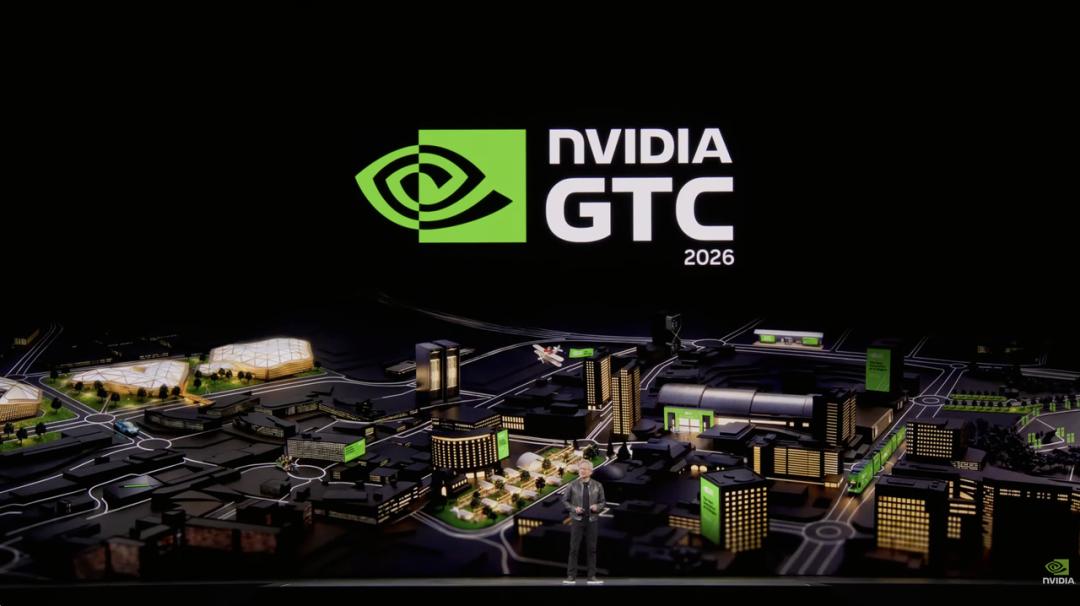
英伟达宣布全面转向物理AI,新一代AI算力技术亮相
GUOTAI HAITONG SECURITIES· 2026-03-23 02:55
Investment Rating - The report does not explicitly provide an investment rating for the AI industry Core Insights - The AI industry is experiencing significant advancements, particularly in computational power and model development, with major companies like Nvidia and Meta making substantial investments and announcements [10][14][17] - There is a growing focus on integrating AI into various sectors, including logistics, finance, and consumer electronics, indicating a trend towards practical applications of AI technology [27][28][30] - The emergence of new AI models and platforms, such as Xiaomi's MiMo-V2-Pro and Nvidia's Nemotron 3 Super, showcases the competitive landscape and innovation within the industry [17][24] Summary by Sections AI Industry Dynamics - The Shanghai Global Investment Promotion Conference introduced 31 new "quality elements" focusing on AI, providing comprehensive support from R&D to application [6] - The Ministry of Industry and Information Technology announced the first batch of cities for the National New Industrialization Demonstration Zone, emphasizing innovation and digital transformation [7] - Guangdong Province is encouraging local governments to subsidize AI model development, aiming to lower barriers for innovation [8] - Beijing's government issued measures to promote economic stability, including subsidies for AI application projects [9] AI Computational Power Insights - Nvidia announced a full transition to physical AI, unveiling a new generation of AI computing technology at the GTC 2026 conference, with a revenue target of $1 trillion [10] - Gongji Technology won the "Global Leading Elastic Computing Scheduling Platform" award, integrating idle computing resources into a unified pool [12] - Zhongke Shuguang launched a domestically developed 400G lossless high-speed network, enhancing the capabilities of large-scale computing clusters [13] - Meta signed a long-term agreement with Nebius for AI computing resources worth up to $27 billion [14] AI Model Insights - The 315 Gala exposed issues with AI model poisoning, highlighting the need for governance in AI content generation [16] - Xiaomi launched three self-developed models, with MiMo-V2-Pro ranking eighth globally [17] - Apple's LiTo model achieved breakthroughs in 3D reconstruction from single images [19] - MiniMax introduced the M2.7 model, featuring a self-evolution path for AI systems [20] AI Application Insights - Alibaba launched the "Wukong" AI-native work platform, integrating various business capabilities into a unified interface [27] - Dongyin Technology signed a contract with Guangjin Logistics to integrate AI digital employees into logistics operations [28] - AI technology is being integrated into kitchen appliances, with several companies showcasing innovative products at the AWE 2026 [30] AI Technology Frontiers - Zhiyuan Robotics collaborated with Tsinghua University and McGill University to advance embodied intelligence [32] - MIT developed a technology that allows robots to detect hidden objects using generative AI and wireless sensing [33]
刚刚,英伟达龙虾登场,黄仁勋暴论频出,「人车家天地芯」冲击万亿收入
3 6 Ke· 2026-03-17 00:50
Core Insights - The central theme of NVIDIA's GTC 2023 is the emergence of Agentic AI, with a focus on the new Vera Rubin architecture designed to enhance AI capabilities [1][4][10] Group 1: Agentic AI and Vera Rubin Architecture - The Vera Rubin architecture is specifically designed for Agentic AI, enabling machines to perform tasks rather than just process information [4][11] - NVIDIA introduced the Vera CPU, which is twice as efficient as traditional CPUs and offers a 50% speed increase, marking a significant advancement in processing capabilities [9][11] - The architecture includes seven chips and five rack systems, with a focus on high memory capacity and bandwidth, achieving 260 TB/s [10][13] Group 2: Performance Enhancements - The combination of Vera Rubin and Groq LPU allows for a 35-fold increase in performance at the high-end inference level, significantly improving throughput and efficiency [20][17] - NVIDIA's new software, Dynamo, integrates prefill and attention mechanisms to optimize AI inference, addressing the challenges of latency and throughput [17][15] Group 3: OpenClaw and Ecosystem Development - OpenClaw is introduced as a potential game-changer in the AI landscape, likened to Linux for its impact, enabling companies to develop Agent-as-a-Service models [21][22] - NVIDIA is building a comprehensive ecosystem around Agentic AI, with a focus on security and collaboration with top experts to ensure safe deployment [23][26] Group 4: Data Processing Innovations - NVIDIA is redefining data processing with cuDF and cuVS, which enhance the speed of handling structured and unstructured data, respectively [43][44] - The company emphasizes the importance of algorithms and libraries in its strategy, positioning itself as a key player in the AI infrastructure market [46][48] Group 5: Future Projections and Market Impact - NVIDIA anticipates that its Blackwell and Rubin chips will generate at least $1 trillion in revenue by the end of 2027, driven by increasing AI inference demands [50][52] - The company is also exploring opportunities in space with the development of radiation-hardened chips for satellite applications, indicating a broad vision for future AI capabilities [58][60] Group 6: Autonomous Driving and Physical AI - NVIDIA's partnerships with major automotive manufacturers for RoboTaxi Ready platforms signify a strong push into the autonomous driving sector [61][63] - The integration of AI in industrial robotics and heavy machinery showcases the company's commitment to advancing physical AI applications [63][64]

小鹏汽车-W:VLA2.0大模型、大算力、大数据,表现丝滑-20260311
GOLDEN SUN SECURITIES· 2026-03-11 00:24
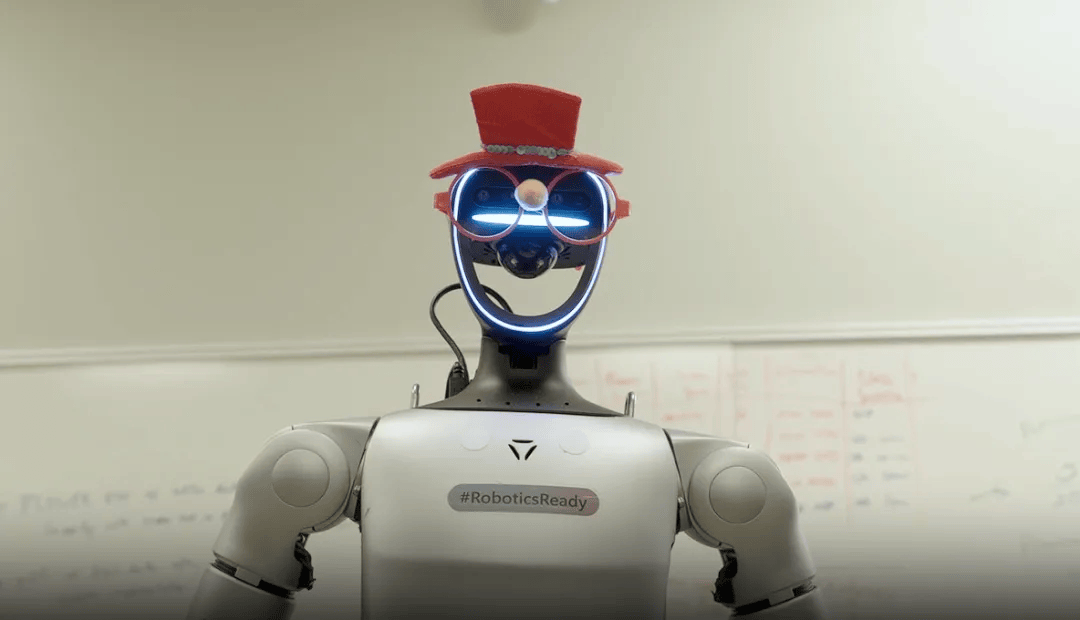
Investment Rating - The report maintains a "Buy" rating for the company [6]. Core Insights - The company is focused on enhancing its VLA 2.0 model, which is a native multimodal physical world model, aiming for significant advancements in autonomous driving capabilities by 2026 [1][3]. - The company plans to launch four new dual-energy models in 2026, including the GX SUV and two Mona SUVs, targeting both volume and premium segments [3]. - The report anticipates strong sales growth, projecting vehicle sales of approximately 430,000 units in 2025 and 566,000 units in 2026, with total revenue expected to reach 103.1 billion yuan in 2026 [4][13]. Financial Projections - Revenue is projected to grow from 30.7 billion yuan in 2023 to 103.1 billion yuan in 2026, reflecting a year-on-year growth rate of 84.1% in 2025 and 37.0% in 2026 [5][13]. - The company expects to achieve a non-GAAP net profit margin of 2.3% in 2026, with a projected net profit of 2.034 billion yuan [5][13]. - The report estimates a total valuation of 200 billion HKD for the company, with a target price of 105.7 HKD per share [4]. Model and Technology Development - The VLA 2.0 model is designed to handle continuous unstructured data and aims to improve reasoning efficiency by 32 times compared to traditional models [1][2]. - The company has achieved a significant increase in computational efficiency, with a utilization rate of 82.5% for its Turing chip, equating the effective computing power of one Turing chip to ten Orin X chips [2]. - The training data for each model version has reached 40 trillion tokens, with simulation testing equivalent to 30 million kilometers of real-world driving data per day [2]. Market Position and Competitive Landscape - The company aims to begin Robotaxi operations by the end of 2026, positioning itself as a leader in the transition from L2+ to L4 autonomous driving in China, directly competing with Tesla's FSD [3]. - The report highlights the potential for the company to capitalize on emerging business opportunities in robotics and autonomous driving, which could enhance its valuation as these initiatives commercialize [4].
从新加坡成功经验到北美解决方案:领鹊科技在 CONEXPO 发布首创移动喷涂机器人系列
Globenewswire· 2026-02-24 14:00
Core Insights - Legend Robot has launched the first series of autonomous renovation robots utilizing "physical AI" at CONEXPO-CON/AGG, aiming to modernize indoor commercial construction amidst a severe shortage of skilled labor and rising construction costs in North America [1][3]. Group 1: Industry Challenges - The North American construction industry is facing an unprecedented shortage of skilled labor, prompting the need for innovative solutions [3]. - Legend Robot's deployment of physical AI, which interacts directly with the physical environment and learns from it, aims to reduce reliance on human labor while enhancing safety in challenging work environments [3]. Group 2: Product Offerings - Legend Robot introduced two flagship models optimized for North American commercial construction sites: a 6.2-meter latex paint spraying robot and a 6.2-meter putty spraying robot [5]. - These robots utilize third-generation mobile continuous spraying technology, supported by proprietary physical AI and adaptive robotics, achieving a unified robotic ecosystem for smart construction [5]. Group 3: Market Positioning - Jason Liang, the Marketing Director, stated that the solutions aim to bridge the gap between robotic innovation and on-site execution, indicating a broader vision beyond just spraying [7]. - The updated 2026 product roadmap includes a multifunctional spraying series for both commercial and residential projects, establishing new industry standards [7]. Group 4: Technological Advancements - High-precision tile laying robots utilize LiDAR technology for accurate alignment and navigation in general construction environments [8]. - Heavy-duty floor grinding robots require minimal human oversight while providing consistent surface preparation, combining the precision of physical AI with robustness for various construction scenarios [9]. Group 5: Economic Impact - The mobile continuous spraying technology allows for uninterrupted movement during spraying, achieving seamless coverage of high ceilings and large commercial facades [11]. - The technology enhances efficiency by 50%, leading to significant returns on investment and has been proven to reduce construction costs by over 60% [11].
微软发布首个机器人 VLA+ 模型,触觉进入核心架构
Sou Hu Cai Jing· 2026-01-23 13:08
Core Insights - Microsoft has officially launched Rho-alpha, its first VLA+ model specifically designed for robotics, which aims to convert natural language commands into precise robot control signals [2] - Rho-alpha integrates visual, language, and tactile perception, enhancing the capabilities of traditional VLA models and allowing robots to perform complex physical tasks in dynamic environments [2][4] Technology and Innovation - The core innovation of Rho-alpha lies in its multi-modal perception and real-time action generation capabilities, emphasizing tactile input alongside visual and language data [4][5] - Rho-alpha can adjust robot actions based on feedback from tactile sensors, improving reliability when handling fragile or flexible objects, a limitation of conventional VLA models [6][7] - The model translates natural language prompts directly into low-level control actions, enabling more natural and flexible task execution compared to traditional planning methods [8] Learning and Adaptation - Microsoft is researching mechanisms for continuous learning, allowing robots to adapt to different user habits and enhance user trust over time [9] - Rho-alpha combines real machine data, simulation, and large-scale visual question-answering data for training, addressing data scarcity issues in the robotics industry [11][12] Industry Context - The release of Rho-alpha signifies Microsoft's extension of its AI expertise into complex robotic systems, aligning with the broader trend of physical AI as a core direction for future artificial intelligence [10][11] - The entry of major tech companies into the robotics field is expected to accelerate the development of autonomous capabilities in robots, marking Microsoft's involvement as a potential starting point for industry advancements [14]


每周工作100小时!谷歌DeepMind CEO揭秘:中国对手是字节跳动,断言谷歌是AI领域唯一全栈巨头
Sou Hu Cai Jing· 2026-01-23 12:01
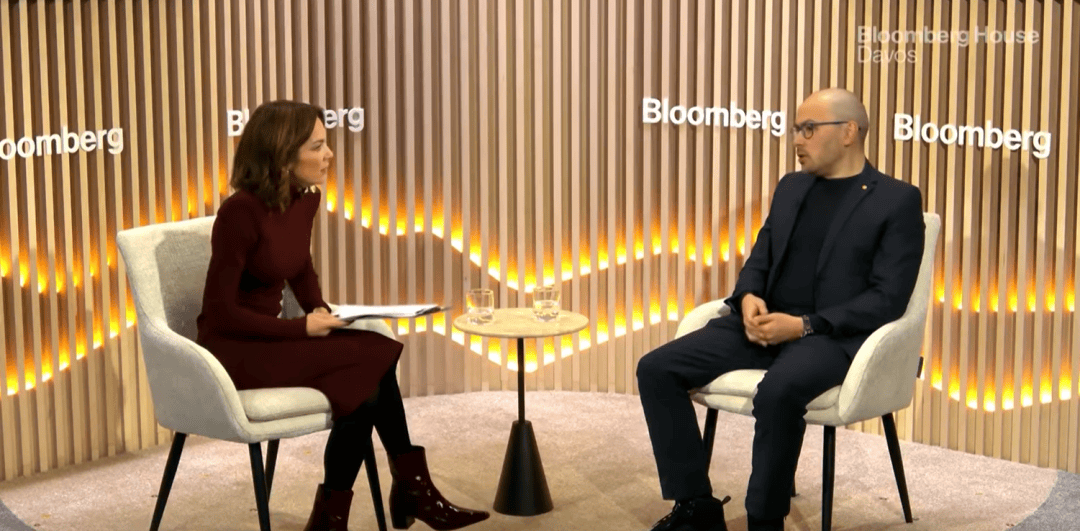
Core Insights - Google DeepMind's CEO Demis Hassabis emphasizes that Google has been in a constant state of high alert over the past few years, countering the narrative that the company has fallen behind in AI development [1][3][11] - The release of Gemini 3 is seen as a pivotal moment for Google to regain its leadership in the AI industry, with Hassabis asserting that Google possesses unique full-stack capabilities in AI [3][14] - Hassabis discusses the concept of Physical AI, indicating that significant breakthroughs are expected within the next 18 to 24 months, although challenges remain in algorithms, data, and hardware [4][20][24] Group 1: AI Development and Competition - Hassabis believes that approximately 90% of the breakthrough technologies in modern AI have originated from Google and DeepMind, including the Transformer architecture and deep reinforcement learning [12][33] - He acknowledges the rapid advancements of Chinese companies like ByteDance, stating they are only about six months behind the technological frontier, rather than one to two years [26][27] - The timeline for achieving Artificial General Intelligence (AGI) is set at 2030, with a 50% probability of realization, according to Hassabis [28][29] Group 2: Future of Work and Society - Hassabis introduces the idea of a "post-scarcity era," where AI will transform the nature of work, potentially replacing many jobs, but emphasizes that this transition will take time [9][37] - He expresses concern about how humanity will find meaning in life when work is no longer necessary, suggesting that new philosophical perspectives will be needed [10][46] - The potential for AI to solve fundamental problems, such as energy crises and material discovery, is highlighted as a significant opportunity in the future [9][39] Group 3: Technological Challenges and Innovations - Hassabis identifies several key technological breakthroughs needed to achieve AGI, including world models, continuous learning capabilities, and improved reasoning abilities [8][31][32] - He refutes claims that the Transformer architecture and large models have reached their limits, asserting that these technologies still hold significant practical value [30][33] - The collaboration with Boston Dynamics is noted as a step towards applying AI in robotics, with expectations for impressive results in the coming years [24][25]

何小鹏:用汽车标准研发的 ET1 版本第一台机器人已落地
Huan Qiu Wang Zi Xun· 2026-01-20 06:01
Core Viewpoint - Xiaopeng Motors is making significant strides in the development of robotics, with the successful launch of the first ET1 version robot, marking a key step towards mass production of high-level humanoid robots by 2026 [1] Group 1: Robotics Development - The chairman of Xiaopeng Motors, He Xiaopeng, announced the successful development of the first ET1 version robot, which was created using automotive standards [1] - The company is planning to transition from technology exploration to practical application, with a focus on mass production of humanoid robots and flying cars by 2026 [1] Group 2: Future Plans - Xiaopeng Motors aims to launch the second-generation VLA in the first quarter, which will initiate the operation of Robotaxi services [1] - The company is set to achieve significant milestones in the fields of robotics and AI, indicating a shift towards more advanced technological applications in the automotive industry [1]