环境计算

Search documents
一口气发4款新品,谷歌发布会被所有人低估了:AI野心显露
3 6 Ke· 2025-12-11 01:13
Core Insights - Google has unveiled its Android XR device roadmap and showcased a prototype AI glasses in collaboration with Samsung, marking a significant step in its XR strategy [1][3] - The event emphasized the integration of Gemini with Android XR, positioning it as a new computing platform rather than just an Android version for headsets [1][3] Product Lines - Google introduced four product lines: XR headsets, AI glasses, wired XR glasses, and future wireless XR glasses, all sharing the same system capabilities and development stack [4][6] - The XR headsets, represented by Samsung's Galaxy XR, serve as a platform anchor, providing a complete reference for Android XR's capabilities [6][10] Development Strategy - Google aims to avoid a top-down hardware approach like Apple's, instead opting for a collaborative model where hardware development is left to various manufacturers while Google defines the system [4][5] - The Android XR SDK is continuously updated, incorporating familiar tools for developers, allowing for a seamless transition into XR development without requiring a complete shift in focus [21][27] AI Integration - Gemini is positioned as a core component of the Android XR ecosystem, enhancing user interaction by understanding context and task states, rather than merely functioning as an application or assistant [14][15] - The integration of AI into the XR experience is designed to be intuitive, minimizing learning curves and allowing users to interact naturally with the system [15][27] Market Positioning - Google's conservative approach in not rushing to define a single hardware form factor allows Android XR to remain flexible and adaptable in a rapidly evolving market [20][28] - The strategy reflects a broader ambition to redefine Android itself, positioning AI as a central element across various devices and applications, not limited to XR [28]



谷歌收拾XR旧河山:AI重新定义的XR,将「吞噬」设备与OS
3 6 Ke· 2025-12-10 04:37
Core Insights - Google has unveiled its Android XR device roadmap and showcased a prototype AI glasses in collaboration with Samsung, marking a significant step in its XR strategy [1][5] - The event emphasized the integration of Gemini with Android XR, positioning it as a new computing platform rather than just an Android version for headsets [1][2] Group 1: Product Strategy - Google outlined four product lines: XR headsets, AI glasses, wired XR glasses, and future wireless XR glasses, all sharing the same system capabilities and development stack [3][6] - The strategy reflects a conservative approach, avoiding a top-down hardware convergence like Apple, and instead allowing hardware exploration by various manufacturers [3][5] - The XR headsets, particularly the Samsung Galaxy XR, serve as a platform anchor, providing a reference point for Android XR's capabilities [8][10] Group 2: AI Integration - Gemini is positioned as the default intelligent layer within Android XR, enhancing multimodal AI experiences across devices [2][15] - The interaction paradigm has shifted, with Gemini enabling users to manage windows and content through simple intent descriptions rather than complex commands [15][16] - AI glasses are highlighted as a key focus, emphasizing low interference and immediate understanding without complex interfaces [10][12] Group 3: Developer Ecosystem - Google aims to unify the development experience by integrating existing tools like Jetpack and ARCore into the XR ecosystem, allowing developers to create applications that extend across different device forms [23][28] - The Android XR framework does not require developers to choose between native applications for glasses or mobile extensions, promoting a cohesive development environment [28][29] - This strategy positions Android XR as a new operating environment within the Android ecosystem, facilitating a smoother transition for developers into XR [29][30]
Sam Altman的乔布斯式难题:为ChatGPT打造一款新硬件
3 6 Ke· 2025-06-03 00:02
Core Insights - OpenAI and Jony Ive are collaborating to create a new type of device centered around ChatGPT, which is not intended to be a smartphone or a direct competitor to existing products like the iPhone or Vision Pro [1][2][3] - The new device aims to establish a novel form of interaction between users and AI, moving away from traditional screen-based interfaces [9][11] - The investment of $6.5 billion in Jony Ive's team reflects a belief in the potential of AI to revolutionize hardware, similar to how the iPhone transformed the mobile landscape [2][6] Group 1 - The collaboration between OpenAI and Jony Ive is focused on developing a new device that leverages AI capabilities, rather than enhancing existing products like smartphones [1][2] - Jony Ive's design philosophy emphasizes creating an elegant shell for software, which in this case is ChatGPT, aiming to redefine user interaction with technology [6][8] - The concept of "environmental computing" is highlighted, where the device will adapt to user contexts and relationships, moving beyond the limitations of current mobile technology [11] Group 2 - The historical context of Apple's product development is referenced, noting that significant innovations often arise from a need to address shortcomings in existing technologies [3][4] - The current state of AI and its integration into consumer devices is still evolving, suggesting that the new product may initially modify existing formats before introducing entirely new paradigms [10] - The emphasis on personalization and context-aware computing indicates a shift in how devices will interact with users, potentially leading to a more intuitive experience [11]


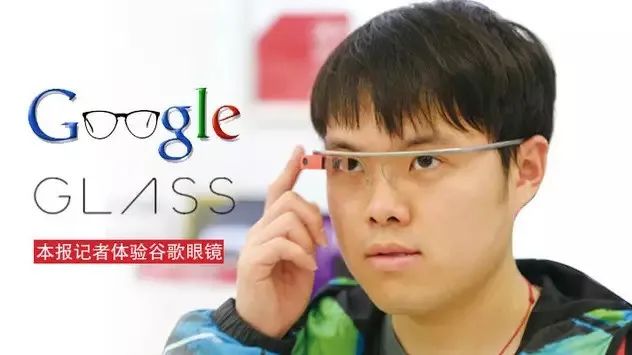
还记得13年前的谷歌眼镜吗?谷歌决定重启
3 6 Ke· 2025-05-22 12:33
Core Insights - Google I/O 2025 showcased significant advancements in AI and AR technologies, particularly with the introduction of the Gemini 2.5 Pro AI model and AI-enhanced search capabilities, positioning Google in direct competition with OpenAI [1][7] - The launch of a new generation of AI/AR glasses reflects Google's ambition to integrate digital and real-world experiences, despite past failures with Google Glass [1][4] Industry Overview - The AR/AI glasses market has evolved significantly since the initial launch of Google Glass, with competitors like Ray-Ban Meta Smart Glasses achieving nearly 2 million sales since their release [4] - Major Chinese brands and tech giants, including Huawei and Xiaomi, are entering the AR glasses market, indicating a competitive landscape [4] Technological Developments - Google has shifted its strategy by first releasing a development platform, Android XR, before introducing third-party devices, aiming to replicate the success of the Android operating system in the smartphone sector [4][6] - Advances in micro-LED and waveguide technologies have improved AR glasses' brightness, resolution, and energy efficiency, while new low-power chips enhance performance [6] User Experience and Market Challenges - The new AR/AI glasses aim to provide hands-free information access, environmental understanding, and seamless integration of digital content into the user's view, which could create new usage scenarios [7][9] - However, challenges remain in user acceptance, particularly regarding privacy concerns and the physical comfort of wearing glasses, which may hinder widespread adoption [9][10]
深度复盘AI Pin:爆款AI硬件的崛起与陨落
Hu Xiu· 2025-04-24 10:23
Group 1 - The AI Pin, created by Humane, was highly anticipated as a "next-generation computing platform" and "iPhone killer" due to its founders' backgrounds at Apple [2][5] - The product aimed to eliminate screen dependency and provide a more natural interaction with AI, addressing concerns about information overload and smartphone addiction [7][10] - However, the rapid decline of AI Pin reflects the challenges and harsh realities in the AI hardware exploration journey [3][4] Group 2 - AI Pin's ambitious vision was rooted in "ambient computing," allowing users to interact through voice, gestures, and laser projection [8][10] - The product's failure was partly due to its attempt to replace smartphones, which are deeply integrated into daily life, without offering sufficient unique value [14][30] - Historical examples of failed products, such as Microsoft Zune and Google Glass, highlight the difficulty of challenging established ecosystems without a compelling advantage [15][17] Group 3 - Post-launch reviews criticized AI Pin for poor performance, including inaccurate voice recognition and software instability [19][20] - The high price of $699 and a mandatory $24 monthly subscription deterred potential users, especially given the product's limited functionality compared to smartphones [24][25] - Humane's misjudgment of market readiness for such a novel interaction method contributed to the product's failure [28][29] Group 4 - The lessons from AI Pin's failure emphasize the need for innovation to respect user habits and market realities, suggesting that incremental innovation may be more effective [32][35] - The importance of understanding user needs and incorporating feedback into product development is highlighted as a critical factor for success [36] Group 5 - For a potential revival of AI Pin, it is suggested that the product should focus on clear value propositions, reliable interactions, and strong local processing capabilities [37][39] - Emphasizing user privacy and collaborating with existing app developers could enhance the product's market acceptance [40][45] - A flexible pricing strategy and improved supply chain management are recommended to lower barriers for consumer adoption [47][48]