
现代化城市体系

Search documents
准确把握以县城为重要载体的城镇化建设的新特征
Xin Lang Cai Jing· 2026-02-12 09:13
Core Viewpoint - The ongoing urbanization process centered around county towns is evolving into a profound social transformation aimed at optimizing modern urban systems, reducing urban-rural disparities, and enabling farmers to live urban lifestyles without migrating away from their homes [1] Spatial Dimension - The transition from "physical aggregation" to a "development-oriented, networked modern urban system" is being emphasized, promoting population concentration in county towns and preventing disorderly urban sprawl [2] - Many regions are focusing on multi-centered urban development, creating a county-level urbanization network that integrates county towns as leading nodes, central towns as key points, and rural areas as supportive hinterlands [2] Industrial Dimension - The shift from "single employment" to "cultivating characteristic industrial clusters and strengthening industrial chain clusters" is crucial for local economic development and job creation [3] - The integration of primary, secondary, and tertiary industries is being promoted to form a comprehensive industrial ecosystem, allowing rural areas to retain more value-added benefits locally [3] Population Dimension - The focus is shifting from "identity change" to "complete urbanization," emphasizing the need for services and development for the population rather than merely managing it [4] - Reforms in household registration and equalization of public services are essential for ensuring that rural migrants fully enjoy urban rights and services [4] Social and Cultural Dimension - The transition from "segregation or simple replacement" to "modernization through integration" addresses social issues while preserving local relationships and cultural identities [5] - The development of cultural tourism and the protection of local cultural resources are being highlighted as means to enhance community engagement and attract visitors [5] Governance Dimension - The shift from "management" to "multi-party collaborative governance" is necessary for effective social governance in urbanization, involving various stakeholders in the governance process [6] - Modern governance approaches are being adopted to address the complexities arising from population concentration, utilizing intelligent and refined governance methods [6]
海南加快构建与自贸港建设相适应的现代化城市体系
Zhong Guo Xin Wen Wang· 2025-12-02 03:11
Core Viewpoint - Hainan is accelerating the construction of a modern urban system that aligns with the development of the free trade port, emphasizing coordinated regional development and urban integration [1][2]. Group 1: Urban Development Strategy - Hainan aims to create a modern urban system that supports the free trade port, focusing on spatial layout, regional coordination, and urban-rural integration [1]. - The province plans to stimulate urban vitality through a multi-layered technological innovation system and carefully planned urban renewal projects [1]. - Hainan will enhance the livability of cities by integrating population, industry, urban, and transportation planning, while also improving basic public services [1]. Group 2: Economic Growth and Urbanization - From 2012 to 2024, Hainan's urbanization rate is projected to increase from 51.6% to 63.08%, with urban population rising from 4.575 million to 6.6128 million [3]. - The GDP of key cities like Haikou, Sanya, and Danzhou is expected to grow from 132.76 billion to 448.8 billion yuan, achieving an average annual growth rate of approximately 10.5% [3]. - Hainan has initiated the construction of 35.74 million units of affordable housing and has improved living conditions through various housing projects [3]. Group 3: Environmental and Cultural Initiatives - Hainan is committed to ecological protection alongside urban development, with a target of 99.4% of days having good air quality by 2024 [4]. - The province is implementing comprehensive water management strategies to enhance water quality and restore urban water ecosystems [4]. - Hainan aims to promote its unique cultural heritage and improve public cultural services to foster a civilized urban spirit [1][2].
海南:加快构建与自由贸易港建设相适应的现代化城市体系
Zheng Quan Shi Bao Wang· 2025-12-01 14:03
Core Viewpoint - The Hainan Provincial Urban Work Conference emphasizes the need to adapt to new circumstances and tasks in urban development, focusing on a coordinated approach to build a modern urban system compatible with the free trade port initiative [1] Group 1: Urban Development Strategy - The conference highlights the importance of a unified approach across the province, promoting the concept of "one chessboard for the whole province" and "island-wide urban integration" [1] - There is a strategic goal to accelerate the construction of a modern urban system that aligns with the free trade port development [1] Group 2: Spatial and Regional Coordination - The meeting calls for effective coordination of spatial layout, regional collaboration, and urban-rural integration [1] - Efforts will be made to create a modern city that showcases the unique characteristics and advantages of Hainan [1]
专访国家发展改革委专家高国力:“收缩型城市”今后面临撤并或整合可能
Mei Ri Jing Ji Xin Wen· 2025-09-02 23:50
Group 1 - The core viewpoint of the article is the release of the "Opinions on Promoting High-Quality Urban Development" by the Central Committee and the State Council, which outlines a roadmap for future urban development in China [2][3] - The document marks a significant shift in urban development strategy, indicating a transition from rapid growth to stable development and from large-scale expansion to quality and efficiency improvement [3][4] - The goal of modernizing cities is emphasized, aligning with the broader objective of achieving socialist modernization by 2035, while also focusing on the satisfaction of the people as a key measure of urban quality [3][4] Group 2 - The article discusses the differentiation in urban development, where some cities will continue to expand while others, particularly in the central and northeastern regions, may face population decline and resource idleness, potentially leading to consolidation or merging [4][5] - The need for cities to maintain reasonable scale and avoid over-expansion is highlighted, along with the importance of tailored responses for shrinking cities based on their future vitality [4][5] - The article points out that the reliance on land finance for urban development is unsustainable, necessitating a shift towards new development drivers, including upgrading traditional industries and optimizing urban structures [6][7] Group 3 - The article emphasizes the importance of urban renewal as a critical aspect of future urban development, focusing on the revitalization of existing assets and infrastructure to enhance living conditions [8][9] - It discusses the necessity of a differentiated approach to real estate management, considering the varying scales and urbanization levels across different cities [9][10] - The article outlines the principles of zoning, grading, and classification in constructing a modern urban system, recognizing the diverse conditions and needs of different regions and city types [10][11]

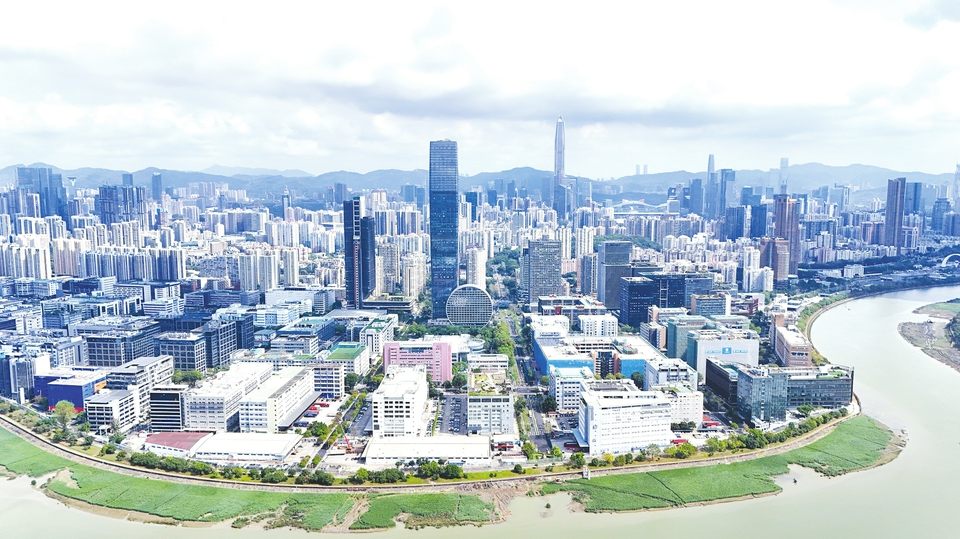
人口大量流失、土地闲置的城市要不要撤并?专访国家发改委专家高国力:未来不排除,目前没到这阶段
Mei Ri Jing Ji Xin Wen· 2025-09-02 07:31
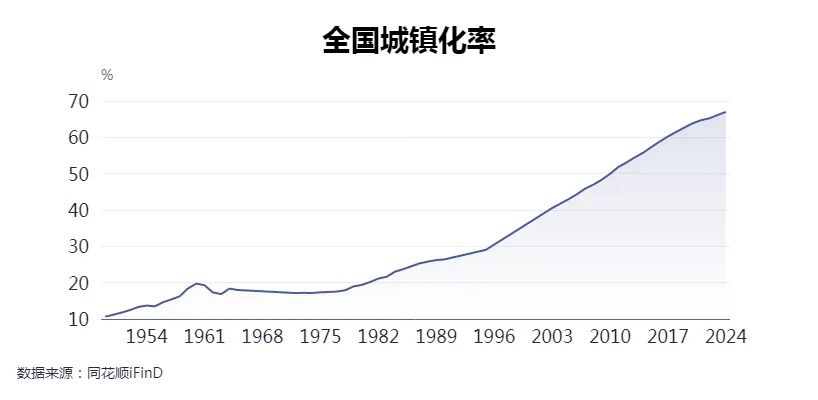
Group 1: Core Insights - The document outlines the new strategic direction for urban development in China, emphasizing a shift from rapid growth to stable development and from large-scale expansion to quality and efficiency improvements [2][3] - The goal of modernizing cities is highlighted, focusing on enhancing citizen satisfaction as a key measure of high-quality urban development [2] Group 2: Urban Development Trends - Cities are expected to experience differentiation, with some expanding and others facing population decline and potential consolidation [4][6] - The urbanization rate in China has reached 67%, indicating a significant level of urban development [6] Group 3: Economic Transition - The reliance on land finance for urban development is deemed unsustainable, necessitating a search for new development drivers [7][8] - Urban renewal is identified as a critical strategy for revitalizing cities, involving the optimization of existing spaces and the enhancement of living conditions [8][10] Group 4: Urban System Optimization - The need for a differentiated approach to urban planning is emphasized, taking into account regional disparities and the unique characteristics of different cities [12][13] - The document stresses the importance of balancing the development of mega cities with the needs of smaller towns and cities [13] Group 5: Historical Context and Future Outlook - The document reflects on the progress made over the past decade in addressing urban issues, while acknowledging that challenges remain [14][15] - It highlights the importance of sustainable urban planning to prevent issues such as urban sprawl and administrative boundary adjustments that do not align with practical needs [15]
详解城市高质量发展“路线图”
21世纪经济报道· 2025-09-01 00:16
Core Viewpoint - The article discusses the release of the "Opinions on Promoting High-Quality Urban Development," which outlines a roadmap for transforming urban development methods and enhancing urban quality by 2030 and 2035 [1][2]. Group 1: Urban Development Goals - By 2030, significant progress is expected in modernizing urban construction, with improvements in policy systems, quality of life, green transformation, safety, cultural appeal, and governance [1]. - By 2035, the basic establishment of modernized urban areas is anticipated [1]. Group 2: Key Tasks for Urban Development - The "Opinions" detail 23 specific tasks across seven areas, including optimizing urban systems, fostering new urban development dynamics, creating high-quality living spaces, promoting green transitions, enhancing urban safety, cultural prosperity, and improving governance capabilities [1][4]. - Specific tasks include promoting urban agglomeration integration, enhancing the competitiveness of mega cities, and improving the capacity of small and medium-sized cities and towns [1][4]. Group 3: Urban System Optimization - The optimization of the modern urban system is prioritized, focusing on three main tasks: promoting urban agglomeration integration, enhancing the competitiveness of mega cities, and improving the capacity of smaller cities [4][5]. - Support is provided for the development of world-class urban agglomerations in regions like Beijing-Tianjin-Hebei, Yangtze River Delta, and Guangdong-Hong Kong-Macau Greater Bay Area [4]. Group 4: Activation of Urban Resource Potential - The article emphasizes the need to activate existing urban resources, including real estate and infrastructure, to foster new urban development dynamics [8][10]. - It highlights the importance of avoiding homogenization in urban development and instead focusing on unique local characteristics [8][9]. Group 5: Sustainable Urban Financing - Establishing a sustainable urban construction and operation financing system is crucial, with an emphasis on attracting social capital and innovative financial policies [10][11]. - The article suggests that local governments should engage in public infrastructure projects while also seeking private investment for economically viable projects [11].
在体系重构中找准城市投资发展方向
2 1 Shi Ji Jing Ji Bao Dao· 2025-08-30 00:13
Core Insights - The document outlines the "Opinions on Promoting High-Quality Urban Development" issued by the Central Committee of the Communist Party of China and the State Council, which serves as a vision blueprint for China's urban system over the next decade and a directional guide for urban investment [1] Group 1: Urban Investment Opportunities - The urbanization rate in China is projected to reach 67% by the end of 2024, indicating significant potential for deep and high-quality urbanization [1] - The focus is on optimizing the modern urban system, emphasizing "urban clusters and metropolitan areas" as the main spatial forms, with super-large cities and small to medium-sized cities as key supports [1] - The "14th Five-Year Plan" is being developed, and the tasks outlined in the Opinions may be reflected in this plan, presenting potential investment opportunities [1] Group 2: Key Investment Areas - Investment will concentrate on world-class urban clusters, with the Beijing-Tianjin-Hebei, Yangtze River Delta, and Guangdong-Hong Kong-Macau Greater Bay Area expected to account for over 40% of the national GDP by 2024 [2] - The focus will also be on developing growth poles in central and western regions, such as the Chengdu-Chongqing and Yangtze River middle reaches urban clusters, which cover 150 million residents [2] - Projects that enhance urban efficiency and provide sustainable investment returns will be prioritized, including cross-city commuting networks and industrial cooperation parks [2] Group 3: Super-Large Cities Investment Logic - The investment logic for super-large cities has shifted from "scale expansion" to "function enhancement," with a focus on strengthening core functions like technological innovation in Beijing and financial openness in Shanghai [2] - Non-core functions are being relocated, creating opportunities for new industrial bases and collaborative facilities in areas that absorb these functions [2] - Provincial sub-centers are expected to be key investment areas, as seen in provinces like Hubei and Henan, where sub-center construction has been long planned [2] Group 4: Potential in Small Cities and Towns - Small cities and towns present significant investment potential, particularly in resource allocation for population influx areas, such as Zhejiang's counties experiencing over 50,000 residents growth in 2023 [3] - Investment opportunities also exist in functional integration around metropolitan areas, such as the connection between Kunshan and Shanghai [3] - Transformational projects in shrinking cities, like wind power development in Liaoning and eco-tourism in Heilongjiang, align with policy directions and offer long-term value [3] Group 5: Urban Development Pathways - The Opinions achieve multiple breakthroughs in urban development, emphasizing networked and coordinated growth rather than isolated expansion [3] - The focus is on high-end facilities in super-large cities and supporting infrastructure in small cities, moving beyond mere size competition [3] - The document stresses the importance of unique development to avoid homogenization and ineffective investments [3] Group 6: Investment Logic Reconstruction - The emphasis is on enhancing existing urban capabilities, with a focus on urban cluster integration and metropolitan area collaboration [4] - Investment in super-large cities will prioritize high-end resource allocation, while county-level projects will focus on public services and social benefits [4] - The shift towards "function adaptation and efficiency improvement" marks a new investment logic, aligning with the high-quality development theme [4]
中央发布重磅文件 明确城市高质量发展“路线图” 优化现代化城市体系 培育壮大城市发展新动能
Shang Hai Zheng Quan Bao· 2025-08-28 19:39
Core Viewpoint - The document outlines the "Opinions on Promoting High-Quality Urban Development" released by the Central Committee of the Communist Party of China and the State Council, emphasizing the need for significant progress in modern urban construction by 2030 and the establishment of a modern urban system by 2035 [1] Group 1: Key Tasks - The opinions focus on seven key tasks, including optimizing the modern urban system, fostering new urban development momentum, creating high-quality urban living spaces, promoting green and low-carbon urban transformation, enhancing urban safety resilience, fostering cultural prosperity, and improving urban governance capabilities [1] - The document advocates for the development of group-style and networked modern urban clusters, supporting world-class urban clusters in regions like Beijing-Tianjin-Hebei, Yangtze River Delta, and Guangdong-Hong Kong-Macao Greater Bay Area [1][2] Group 2: Urban Development Momentum - The opinions suggest enhancing urban development dynamics through tailored strategies, activating existing urban resources, establishing a sustainable urban construction and operation financing system, and improving urban openness and cooperation [2] - It emphasizes the need to implement national strategic emerging industry cluster development projects and to cultivate advanced manufacturing clusters [2] Group 3: Resource Activation and Financing - The document calls for a comprehensive inventory of urban assets, including buildings and land, and the renovation of old factories and inefficient buildings [3] - It proposes the establishment of a sustainable financing system for urban construction, involving local government responsibilities and innovative financial policies to attract social capital [3] Group 4: High-Quality Living Spaces - The opinions advocate for systematic promotion of quality housing and complete community construction, aiming to meet diverse housing needs and support the renovation of old residential areas [3] Group 5: Implementation and Impact - The opinions serve as a top-level design to implement the spirit of the Central Urban Work Conference, providing a clear roadmap for urban high-quality development, which is expected to drive urban structure optimization and quality enhancement [4]
专家学者支招南京都市圈高质量发展
Nan Jing Ri Bao· 2025-08-18 02:23
Group 1 - The event "Central Party School Experts' Nanjing Visit" focused on the goals of building a modern, innovative, livable, beautiful, resilient, civilized, and smart city as proposed in the Central Urban Work Conference [1] - Nanjing metropolitan area is transitioning from a traditional manufacturing-based urban area to a new type of urban area characterized by "integration of industry and city + consumption upgrade" [1] - High-quality development strategies include industry collaboration, innovation ecosystem construction, urban area collaborative governance, connectivity for resource sharing, and implementation support systems [1] Group 2 - The concept of urban development should include counties and towns as integral parts of the urban system, promoting a more inclusive modern urban development pattern [2] - The transformation of the industrial chain value ecosystem is essential, with a focus on ecological-driven development models and sustainable urban renewal [2] - Establishing differentiated development models based on resource endowments can help avoid the homogenization of smaller cities replicating larger ones [2] Group 3 - The traditional "industry-driven city" model faces challenges due to an imbalance between production systems and innovation capabilities, necessitating a new "industry-city mutual promotion" innovation-driven development framework [3] - Five transformations are proposed to stimulate urban endogenous power, including human-centered ideology, efficient methods, distinctive leadership, increased governance investment, and coordinated approaches [3] Group 4 - Experts visited key innovation sites in Nanjing, such as Qilin Science and Technology Innovation Park and China (Nanjing) Software Valley, to observe the integration of technological and industrial innovation [4] - The event included participation from renowned universities, research institutions, and think tanks, highlighting collaborative efforts in urban development and innovation [4]
着力优化现代化城市体系——深入贯彻落实中央城市工作会议精神述评之三
Xin Hua She· 2025-07-19 13:55
Group 1 - The central urban work conference in Beijing emphasized the importance of optimizing the modern urban system as a key task for future urban development [1] - The conference highlighted the need for coordinated urban development, focusing on enhancing the systematization and sustainability of urban work to promote high-quality urban growth [1] Group 2 - The development of modern urban clusters and metropolitan areas is crucial, with a focus on improving the comprehensive carrying capacity of cities for population and economic development [2] - The conference proposed a "group-style, networked" layout for urban clusters, aiming to alleviate traditional urban issues and enhance overall urban competitiveness [2][3] Group 3 - The conference called for promoting urbanization centered around county towns, recognizing their role as key nodes connecting urban and rural areas [4] - Various counties are encouraged to develop pillar industries and enhance employment levels to stimulate consumption and attract population [4] Group 4 - The conference stressed the importance of promoting urban-rural integration, facilitating the flow of people, capital, and technology between urban and rural areas [6] - It was noted that increasing the urbanization rate by 1 percentage point could generate over 200 billion yuan in new consumption demand annually [7]