甜品化

Search documents
新茶饮集体去美国开店
第一财经· 2025-12-25 14:40
Core Viewpoint - The new tea beverage industry in China is experiencing two main paths of breakthrough in 2025: expanding internationally towards stronger consumer markets in Europe and America, and innovating product forms by solidifying and sweetening beverages to broaden consumption scenarios [3][5]. Group 1: Market Expansion and Capital Trends - 2025 is marked as the "capital year" for Chinese tea beverages, with four companies going public, including popular brands like Mixue Ice City and Bawang Tea [5]. - The domestic new tea beverage market is expected to exceed 200 billion yuan in 2025, indicating significant growth in consumer demand [5]. - The market is shifting from incremental competition to stock competition, with a saturation of tea shops in urban areas, leading brands to seek differentiation [6]. Group 2: Product Innovation and Consumer Trends - Brands are increasingly introducing differentiated products such as Thai milk tea and solid desserts, responding to the saturated market and changing consumer preferences [6]. - The popularity of solid desserts like "solid mango sago" has surged, with sales exceeding 8 million cups since its launch, indicating a shift towards more visually appealing and substantial products [7]. - The trend of "light health" among younger consumers is driving the popularity of sugar water products, which are perceived as healthier alternatives compared to traditional milk teas [7]. Group 3: International Expansion Strategies - New tea brands are increasingly targeting North America for expansion, moving away from the highly competitive Southeast Asian market [10][11]. - The establishment of a robust overseas supply chain is identified as a significant challenge for brands looking to expand internationally [11]. - Successful internationalization requires understanding and catering to local consumer preferences, with a focus on creating a genuine global brand presence [12].



年终盘点 | 新茶饮“红海”中求生存:抢滩北美市场、产品从“喝”拓展到“吃”
Di Yi Cai Jing· 2025-12-25 11:37
Group 1: Industry Trends - The new tea beverage industry is experiencing a dual path of expansion and internal competition, with brands seeking global presence while innovating product offerings to differentiate themselves in a saturated market [1][2] - The market size for new tea beverages in China is expected to exceed 200 billion yuan in 2025, indicating significant growth potential despite increasing competition [2] - The trend of "solidifying" and "dessertifying" beverages is emerging, with products like solid mango sago and various dessert teas gaining popularity among consumers [3][4] Group 2: Market Dynamics - The competition in the tea beverage market is shifting from incremental growth to a focus on existing market share, leading to a proliferation of similar stores in close proximity [2] - Brands are increasingly introducing differentiated products, such as salty milk tea and dessert-style offerings, to attract consumers and stand out in a crowded market [2][3] - The popularity of solid dessert drinks is linked to a growing consumer preference for visually appealing and ingredient-rich products, reflecting a shift towards "light health" trends [4] Group 3: International Expansion - The North American market is becoming a preferred destination for Chinese tea brands, moving away from the previously favored Southeast Asian markets due to intense competition [7][8] - Companies like Mixue Ice City and Bawang Chaji are establishing their first stores in the U.S., indicating a strategic shift towards markets with higher consumer spending power [6][7] - Successful internationalization requires a comprehensive approach involving the entire supply chain, rather than just individual brands attempting to enter foreign markets [8]
视频|打破季节束缚 现代农业技术让“柑橘”经济再提速
Xin Lang Cai Jing· 2025-12-20 13:56
Core Viewpoint - The development of modern agricultural technology and improved supply chain logistics has enabled a diverse range of fruits, particularly citrus, to be available year-round in China, enhancing consumer experience during winter months [1] Group 1: Citrus Industry Overview - China has over 90 varieties of citrus planted on more than 10,000 acres, with advancements in cultivation and storage techniques allowing for year-round availability of fresh citrus fruits [1] - The citrus industry in Shunchang has reached a production value of nearly 700 million yuan, benefiting over 60,000 farming households [4] Group 2: Technological Innovations - The introduction of large payload drones has increased transportation efficiency by seven times, capable of carrying around 100 kilograms of fresh fruit at once, particularly beneficial for remote orchards [2] - Modern agricultural facilities, such as soil moisture monitoring stations and drip irrigation systems, have enabled precise and efficient management of citrus cultivation [3] Group 3: Market Trends and Consumer Engagement - The online search volume for citrus has increased by 25.8% since the beginning of winter, with consumer interaction and comments rising by 127.9%, indicating a growing interest in citrus products [8] - New trends in citrus consumption include the emergence of niche varieties and the integration of citrus flavors into beverages and desserts, such as "citrus latte" and "citrus yogurt" [8] Group 4: Sales and Distribution - The digitalization of the gold orange production in Guangxi has led to a comprehensive coverage of 12 townships, with an expected planting area of 231,000 acres and a total output of 287,000 tons by 2025 [7] - The online sales of Guangxi's gold orange, particularly the crispy honey variety, have been successful, with 80,000 units sold through live streaming by early December [7]
固体杨枝甘露一天卖出25万份!当液体讲不出新故事,茶饮卷向新赛道
第一财经· 2025-11-25 15:38
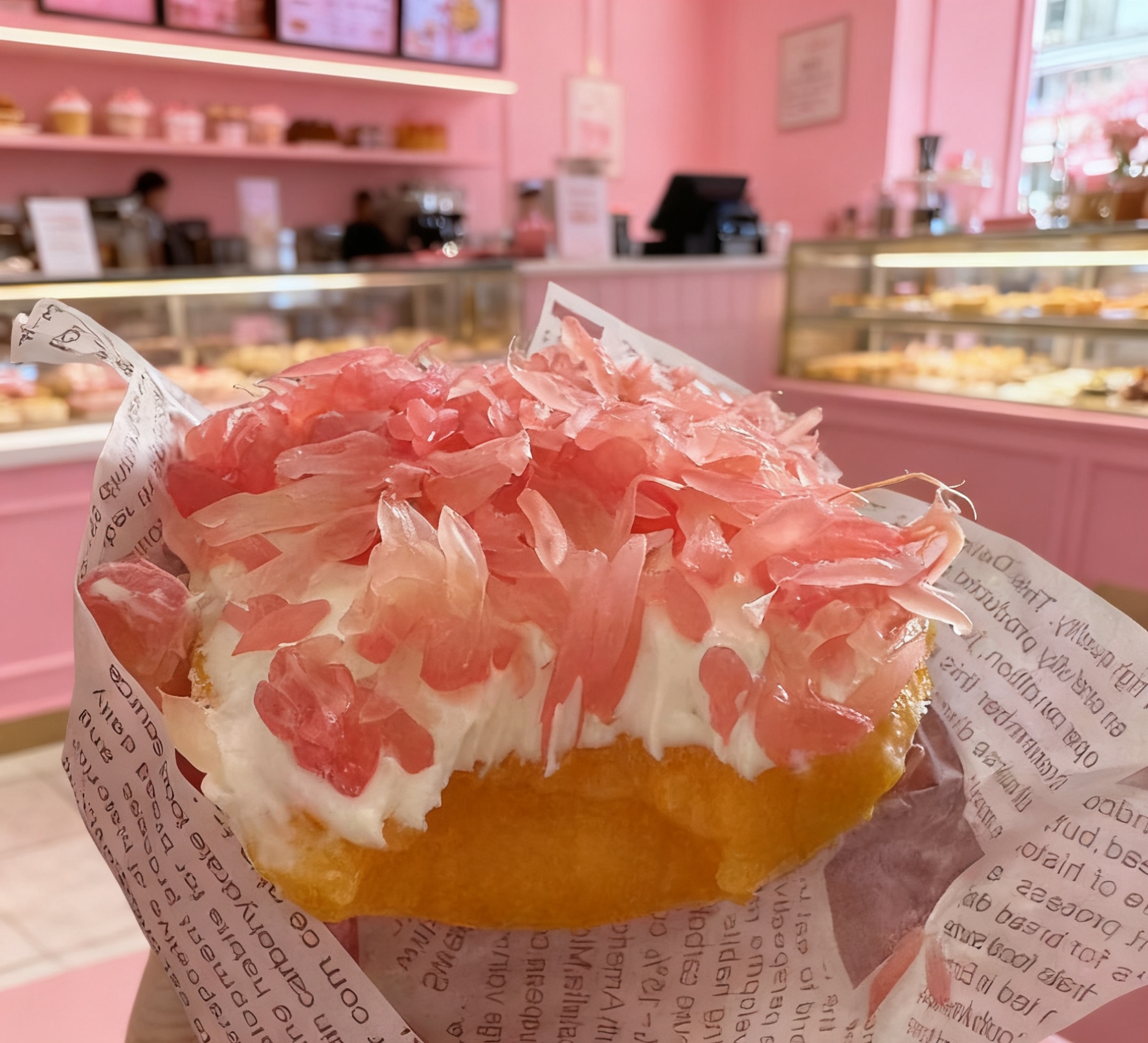
Core Viewpoint - The emergence of "solid mango sago" reflects the new tea beverage industry's struggle to differentiate itself in a saturated market, seeking new growth points through innovative product forms [3][5]. Industry Trends - The solid mango sago has gained significant popularity, with brands like Tea Baidao reporting sales of nearly 250,000 cups on its first day of launch [4]. - Various brands, including Tea Baidao, Hushang Ayi, and others, have introduced their versions of solid mango sago, indicating a trend of cross-industry collaboration and product diversification [4][5]. - The competition in the new tea beverage sector is intensifying, leading to a phenomenon of "old products with new forms" as brands innovate to capture consumer interest [5]. Product Innovation - The solid mango sago features fresh mango, live yogurt, and various toppings, enhancing the product's flavor profile and consumer appeal [4]. - The shift from liquid to solid forms is seen as a necessary evolution in a highly competitive market, allowing brands to extend their product offerings and create new consumption scenarios [5][9]. Market Dynamics - Despite the initial success, the profit margins for solid mango sago are relatively low, with costs associated with ingredients and preparation impacting profitability [7]. - Industry experts express caution regarding the solid mango sago trend, suggesting that while it may offer short-term benefits, it could dilute brand focus and quality in the long run [8][9]. - The transition to solid forms may complicate supply chains and operational efficiency, potentially leading to a decrease in scale advantages for brands [9].

固体杨枝甘露一天卖出25万份!当液体讲不出新故事 茶饮卷向新赛道
Di Yi Cai Jing· 2025-11-25 14:37
Core Insights - The emergence of "solid mango pomelo sago" has become a trending topic on social media, reflecting the new tea beverage industry's struggle for differentiation and growth in a saturated market [1][2] Industry Trends - The solid mango pomelo sago can sell 100-200 cups per day during peak times, with a total national sales volume of nearly 250,000 cups on its first day of launch [2] - Major brands such as Tea Baidao, Hushang Ayi, Yihe Tang, and others have introduced their versions of solid mango pomelo sago, indicating a trend of cross-industry participation [2] - The new product features fresh mango, live bacteria yogurt, and various toppings, enhancing the flavor profile and consumer experience [2] Market Dynamics - The new tea beverage sector is experiencing intensified competition, leading to a phenomenon of "old products with new forms" as brands seek to innovate [3] - The solidification and dessertification of beverages are seen as necessary evolutions in a highly competitive market, pushing brands to explore new growth points and differentiation [3][5] Profitability and Challenges - The profit margin for solid mango pomelo sago is relatively low, with initial pricing at 19 yuan and net earnings around 9-10 yuan per cup after discounts [4] - Concerns exist regarding the potential dilution of brand identity and product quality due to the rush to follow trends, which could impact core product development [5][6] Consumer Behavior - The solid version of mango pomelo sago is perceived as a creative solution to consumer fatigue with liquid beverages, transforming the consumption experience from drinking to eating [5][6] - The trend of sharing creative consumption experiences on social media is driving sales, but there are risks of losing repeat customers who may prefer traditional tea options [6]
固体杨枝甘露一天卖出25万份!当液体讲不出新故事,茶饮卷向新赛道
Di Yi Cai Jing· 2025-11-25 12:37
Core Insights - The emergence of "solid mango sago" as a trending dessert reflects the new tea beverage industry's struggle for differentiation and growth in a saturated market [2][4] - The product has gained significant popularity, with sales reaching approximately 250,000 cups on its first day of launch across the country [3] - Major brands, including Tea Baidao, have introduced their versions of solid mango sago, indicating a competitive rush to capitalize on this trend [3][4] Industry Trends - The new tea beverage sector is experiencing intensified competition, leading to a trend of "solidification" and "dessertization" of drinks as brands seek to innovate and differentiate [7][9] - The introduction of solid products is seen as a necessary evolution in a market where traditional liquid beverages struggle to tell new stories [9] - Analysts suggest that while the trend may dilute brand focus and quality in the short term, it represents a maturation and expansion of the tea beverage category [9] Market Dynamics - Solid mango sago has a relatively low profit margin, with initial pricing around 19 yuan, resulting in net earnings of 9-10 yuan per cup after discounts [8] - The complexity of producing solid products may lead to operational challenges, including increased training and supply chain costs, which could impact overall efficiency [9] - The risk of losing customer loyalty to traditional beverages exists if brands overly focus on solid products, potentially leading to a dilution of brand identity [9]