固体杨枝甘露

Search documents
餐饮行业热门赛道盘点:背后的爆款逻辑是什么?
虎嗅APP· 2026-03-06 09:59
Core Insights - The article discusses the trends and dynamics of the Chinese restaurant industry as it enters a phase of stock competition, with a focus on innovation in products and business models to adapt to changing consumer demands and market conditions [4][6]. Group 1: Industry Growth and Trends - In 2025, China's restaurant industry is projected to achieve a revenue of 5.8 trillion yuan, reflecting a year-on-year growth of 3.2%, with the revenue from large-scale dining units reaching 1.63 trillion yuan, up by 2.0% [6]. - The overall market size continues to expand, but the growth rate is slowing, indicating a shift from expansion-driven growth to a focus on efficiency and quality [6][11]. - The number of restaurant outlets in China is expected to exceed 7.7 million by the end of 2025, marking a 3.1% increase from the previous year [8]. Group 2: Popular Product Trends - In 2025, several popular food items are emerging, including butter rice cakes and milk skin sugar-coated hawthorn, which gained significant traction on social media platforms [16][17]. - The popularity of these products is rooted in their familiarity to consumers, allowing for quick understanding and acceptance, while brands enhance them through innovative ingredient combinations and presentation [17][21]. Group 3: Innovative Business Models - The rise of "beautiful meals" and "mountain wild" dining concepts reflects a growing consumer demand for visually appealing and health-oriented dining experiences [23][24]. - Self-service models are gaining traction, with brands expanding their offerings to include semi-self-service options, catering to consumer desires for diverse experiences and budget control [35]. - Large store formats are becoming a strategic focus for brands, shifting from merely selling products to offering immersive dining experiences that enhance brand value [32]. Group 4: Regional and Niche Market Growth - Jiangxi stir-fry is rapidly gaining popularity, with a 287.5% increase in related business registrations in 2025, and over 20,000 outlets nationwide [39][40]. - The fried chicken market is projected to reach 113 billion yuan by 2026, with a year-on-year growth of 20.2%, driven by a surge in brand expansion and consumer interest [42]. - Freshly made ice cream is experiencing significant growth, with brands leveraging local ingredients and high visual appeal to attract consumers [44]. - The "Benbang" noodle segment is also gaining traction, characterized by its fresh cooking methods and diverse toppings, with several brands achieving chain development [46]. Conclusion - The restaurant industry is evolving towards a more innovative and diversified landscape, where the ability to adapt to consumer preferences and enhance product offerings will be crucial for sustained competitiveness [49].

36氪研究院 | 2026全国连锁商家抖音经营报告
3 6 Ke· 2026-02-11 08:32
Core Insights - The chain industry in China is transitioning to a stable and efficient development phase, focusing on operational efficiency rather than rapid expansion, with an emphasis on single-store performance and overall growth certainty [1][11] - Local life services are becoming a new growth arena for chain merchants, driven by the shift in consumer behavior from "in-store decision-making" to "online decision-making and offline consumption" [2][21] - Douyin's life service platform is enhancing its ecosystem, facilitating efficient collaboration and growth potential for chain merchants through a comprehensive approach that integrates product supply, content dissemination, and offline operations [4][32] Group 1: Industry Overview - The growth rate of the chain industry, particularly in dining and retail, is stabilizing, with the focus shifting from rapid store openings to enhancing operational efficiency [14][11] - The chainization rate in the dining sector is projected to increase from 19% in 2019 to 23% in 2024, indicating a trend towards more efficient operations [14] - The industry is increasingly adopting digital transformation and multi-channel integration to create sustainable competitive advantages [14][11] Group 2: Consumer Behavior and Market Dynamics - The consumer decision-making process is evolving, with social media and content platforms becoming primary sources of information, leading to a shift towards online decision-making before offline purchases [25][28] - Policies supporting consumption and the integration of online and offline services are driving the rapid development of local life services [21][22] - The competition for consumer attention is intensifying as businesses shift their customer acquisition strategies online, focusing on cost-effective and efficient methods [17][18] Group 3: Douyin Life Service Ecosystem - Douyin's life service ecosystem is expanding, with steady growth in transaction volume, user base, and the number of chain merchants, creating a vibrant and diverse local service ecosystem [4][32] - The platform's transaction volume is expected to grow by 19% year-on-year, with a significant increase in the number of new chain merchants and active users [33] - Douyin is leveraging a four-step growth engine to create a closed-loop system that supports merchants from traffic acquisition to performance growth [38][32] Group 4: Operational Strategies for Chain Merchants - Chain merchants are integrating various resources, including traffic, content, and offline services, to explore new operational models and customer acquisition strategies [6][11] - The focus on product supply, content marketing, and offline operations is essential for achieving effective customer engagement and transaction conversion [4][38] - Successful strategies include creating "mindshare products," maintaining marketing consistency, and implementing a cyclical flow of traffic to enhance operational efficiency [38][41]

从“吃草”到“啃木头”,2025年奶茶爆品有多野?
Xin Lang Cai Jing· 2026-02-02 13:20
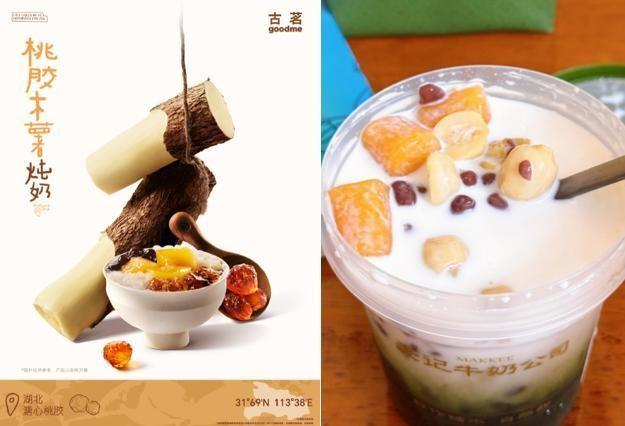
Core Insights - The beverage industry in 2025 continues to thrive on social media, with brands innovating to create surprising products that capture consumer interest [1][2] - The trends observed in 2025 provide a glimpse into the potential directions for 2026, highlighting a blend of nostalgia and modernity in product offerings [1][32] Group 1: Product Innovations - The return of traditional "sugar water" elements, particularly the rise of "tapioca," signifies a nostalgic trend in the beverage market, with brands like Gu Ming and Mai Ji Milk Company achieving significant sales through tapioca-based drinks [3][5][6] - Seasonal fruit competitions are evolving, with a shift from niche fruits to a focus on classic options like strawberries and cherries, emphasizing the importance of supply chain transparency and quality sourcing [7][9][10] - A "physical revolution" in beverage forms is occurring, blurring the lines between drinks and desserts, with products like liquid cakes and solidified versions of traditional drinks gaining popularity [11][12][13][16] Group 2: Health and Wellness Trends - The "super plant tea" category, which gained traction in 2024, continues to evolve in 2025, with an expanding range of ingredients and a focus on supply chain integrity, indicating a shift towards sustainable health-focused beverages [19][20] - The introduction of mushroom-infused drinks reflects a trend towards unique flavor profiles and regional cultural experiences, enhancing the diversity of offerings in the beverage market [20][22][24] Group 3: Market Dynamics - The emergence of "ice milk" drinks demonstrates a strategic return to familiar flavors, effectively meeting consumer demand for refreshing beverages during hot weather, while also creating a new product category [26][28] - The rise of "salty" flavors in beverages, such as cheese-infused teas, showcases a trend towards balanced flavor profiles that enhance the overall drinking experience [27][28] - The use of "dopamine colors" in product design and marketing is becoming a powerful tool for brands, enhancing visual appeal and consumer engagement through vibrant color schemes [29][31] Group 4: Future Outlook - The beverage industry is expected to continue exploring existing values and experiences to create the next generation of hit products, focusing on modern interpretations of traditional flavors and sensory experiences [32][33] - The competitive landscape in 2026 will favor brands that can not only generate short-term trends but also establish lasting connections with consumers through innovative and meaningful offerings [34]
年轻人的季节仪式感
Xin Lang Cai Jing· 2026-01-23 20:58
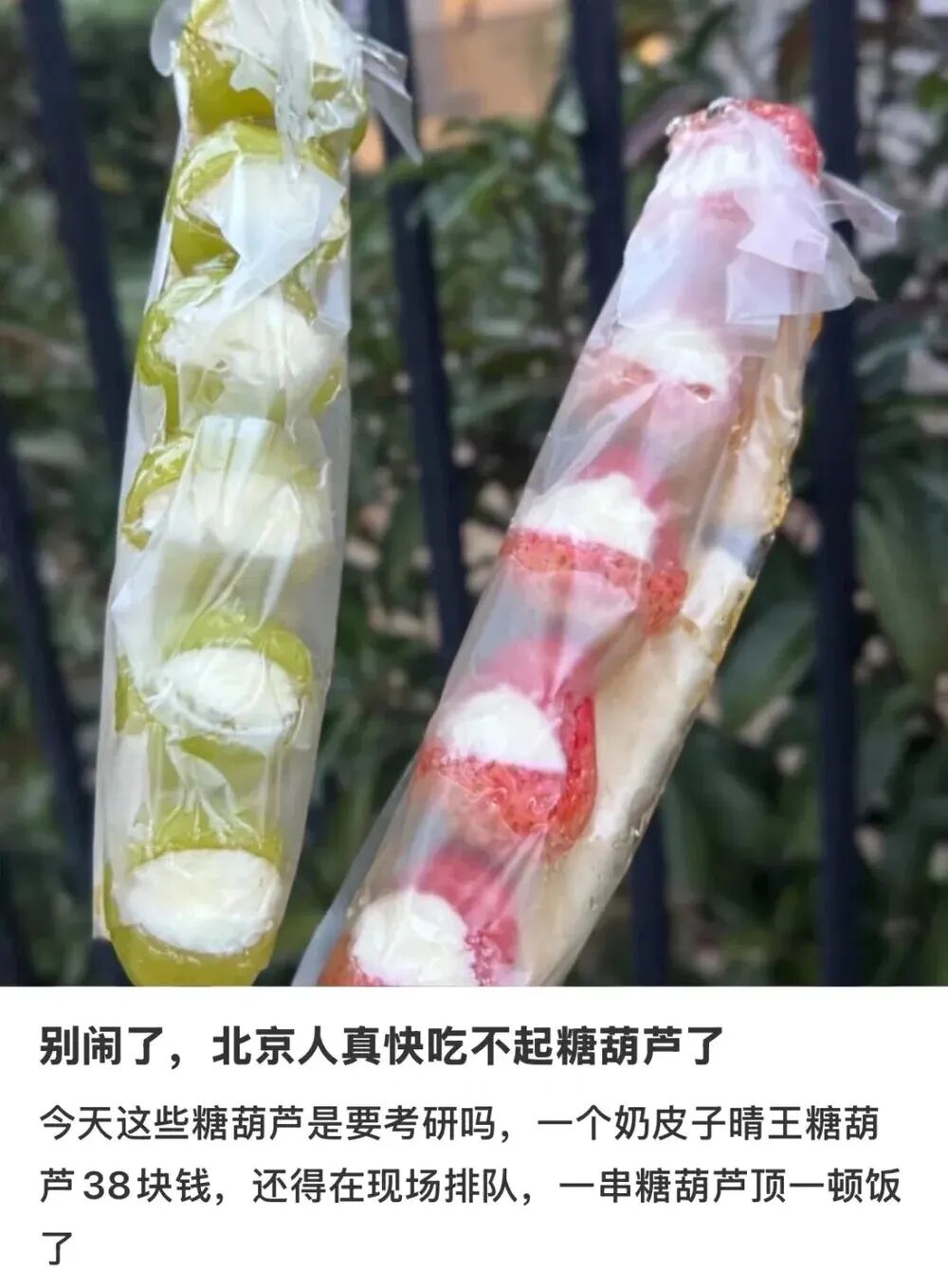
Core Insights - Seasonal internet-famous foods have become a significant trend in the consumer market, blending traditional snacks with regional ingredients to create innovative culinary experiences [1][2] - The popularity of these seasonal foods is driven by their ability to evoke emotional connections to the seasons, with social media amplifying their visibility and desirability [1][2] Group 1: Seasonal Food Trends - The "milk skin candied hawthorn" has gained immense popularity, with a single skewer priced around 30 yuan and related topics on Douyin surpassing 1.2 billion views, showcasing the vibrant consumer interest in seasonal internet-famous foods [1] - Previous seasonal food innovations include "oil-splashed spicy ice cream" in summer and "solid mango sago" in autumn, indicating a continuous trend of creative culinary offerings [1] - The combination of seasonal ingredients with classic food categories revitalizes traditional cuisine, enhancing flavor and appealing to consumers' seasonal nostalgia [1][2] Group 2: Consumer Behavior and Market Dynamics - Seasonal internet-famous foods serve as a means for young people to mark the seasons and enrich their lives, with each seasonal delicacy providing a sense of ritual and emotional satisfaction [2] - Brands are shifting from leading trends to amplifying them, effectively capturing consumer interests and pain points related to seasonal foods, which accelerates their popularity [2] - However, there are concerns regarding quality and pricing, with some vendors misrepresenting ingredients and charging excessively high prices, which can erode consumer trust [2] Group 3: Future Outlook - The trend of seasonal internet-famous foods reflects consumer vitality and innovation, suggesting that maintaining quality standards and reasonable pricing can lead to sustainable growth in this market [3] - The enjoyment of seasonal delicacies, such as the milk skin candied hawthorn, highlights the simple pleasures that consumers seek during colder months, emphasizing the importance of aligning products with seasonal themes [3]
当面包开始「奶茶化」
36氪· 2026-01-10 01:19
Core Viewpoint - The article discusses the trend of "milk tea-ification" in the baking industry, where traditional baked goods are increasingly incorporating popular ingredients from the milk tea sector to attract younger consumers and enhance product appeal [4][6][22]. Group 1: Milk Tea-ification in Baking - The baking industry is experiencing a transformation where products are no longer limited to traditional ingredients, with items like taro and glutinous rice becoming central components in baked goods [6][10]. - The trend reflects a broader consumer preference for visually appealing and flavorful products, as seen in the rise of items like "taro snow mountain buns" and "glutinous rice soft European bread" [8][10]. - The incorporation of diverse fillings and flavors is becoming a key selling point, with consumers increasingly valuing products that are rich in ingredients and visually attractive [11][13]. Group 2: Consumer Behavior and Market Dynamics - Despite a general trend of consumption downgrade, consumers are willing to pay a premium for innovative and high-quality baked goods, indicating a shift in spending habits towards frequent, enjoyable food experiences [22][25]. - The average price of baked goods has risen significantly, with items like bagels and ciabatta now commanding prices well above their previous levels, reflecting a willingness to invest in quality [22][28]. - Data shows that while luxury goods are seeing a decline in sales, the demand for high-quality baked products is increasing, with an average annual growth of 8% to 10% in the sector [28][29]. Group 3: Innovation and Product Development - The article highlights the innovative approaches taken by various baking brands, such as integrating local flavors and ingredients into traditional recipes, which enhances the appeal of products like ciabatta [18][20]. - The concept of "doing addition" in product development is emphasized, where brands are not just adding ingredients but also creating new culinary experiences that resonate with consumer preferences [29][31]. - The success of these products is attributed to their ability to balance flavors and meet the emotional needs of consumers, leading to a new wave of popular items in the market [31].

从黄油年糕到固体杨枝甘露,这些过气网红食物谁还爱
3 6 Ke· 2026-01-09 00:56
Group 1: Food Trends in 2025 - The emergence of "pro version" snacks like the milk skin candied hawthorn, which has become a high-demand item with prices exceeding 100 yuan per stick and over 600 million views on social media platforms [1][4] - The introduction of extravagant food items in university canteens, such as the 999 yuan king crab at Nanjing University, sparked debates about luxury and accessibility among students [5] - The solid mango pomelo sago dessert gained popularity by transforming a traditional drink into a handheld dessert, leading to various innovative versions [7][9] Group 2: Social Media Influence - The concept of "pretty meals" has gained traction, emphasizing aesthetic appeal and social media presence, with nearly 70% of consumers willing to try such dining experiences [9][10] - The revival of nostalgic food items like McDonald's milkshake, which saw a significant price increase on resale platforms, highlights the emotional connection consumers have with food from their childhood [17][18] Group 3: Innovative Food Products - The butter rice cake, a fusion dessert combining Western and Chinese elements, has become a popular item, especially during the Chinese New Year, appealing to consumers' cravings for indulgent treats [12][14] - The corn egg tart, featuring a sweet corn topping, has emerged as a new trend in the baking industry, showcasing the rapid evolution of popular baked goods [15] Group 4: Cultural and Culinary Impact - The cooking competition show "A Meal to Remember" has influenced food trends, with viewers eager to recreate dishes from the show, turning food into a social language [20][24] - The rise of Chinese medicinal bread reflects a growing interest in health-conscious eating among younger consumers, with various hospitals collaborating to create unique offerings [25][27]
当面包开始“奶茶化”
3 6 Ke· 2026-01-08 04:17
Core Insights - The trend of "milk tea-ification" in the baking industry reflects a shift towards incorporating popular milk tea ingredients like taro and glutinous rice into baked goods, appealing to younger consumers [2][3][5] - This trend is not merely a superficial addition of ingredients but represents a deeper strategy to attract young consumers by merging the successful elements of milk tea with traditional baked products [2][12] Industry Trends - The baking industry is experiencing a significant transformation, with products now featuring a variety of ingredients that were previously exclusive to milk tea, such as taro and glutinous rice, becoming central to baked goods [3][5][7] - The introduction of diverse fillings in baked products, such as cheese, cream, and various sweet and savory ingredients, is becoming a key selling point, with consumers increasingly favoring items that are rich in fillings [8][11] Consumer Behavior - Despite a general trend of consumption downgrade, consumers are willing to spend more on innovative and high-quality baked goods, indicating a shift in spending habits towards frequent, enjoyable food experiences [20][22] - The rise in prices for popular baked items, such as bagels and ciabatta, reflects a willingness among consumers to pay for perceived value and quality, with average prices increasing significantly [20][24] Product Innovation - The concept of "doing addition" in product development is prevalent, where traditional baked goods are enhanced with unexpected ingredients, creating new flavor profiles and experiences for consumers [12][14][17] - Localized adaptations of products, such as ciabatta incorporating regional flavors, demonstrate the industry's responsiveness to consumer preferences and the desire for unique culinary experiences [14][17] Market Dynamics - The baking sector is witnessing a rise in average customer spending, driven by a growing demand for quality and health-conscious products, with an annual growth rate of 8% to 10% in customer spending on baked goods [24][26] - The phenomenon of "milk tea-ification" is reshaping consumer perceptions of baked goods, leading to a broader acceptance of innovative and cross-category products in the food market [19][26]
2026消费前瞻:为「活人感」买单
投中网· 2026-01-05 07:32
Core Insights - The consumption market in 2025 cannot be simply categorized as "recovery" or "weakness," as it reflects a shift in consumer behavior towards price sensitivity and rational consumption, emphasizing the importance of "human experience" [5][22][25] Group 1: Dining Industry - The offline dining sector is facing a decline in foot traffic, with average monthly customer visits dropping to 5,681, a decrease of 0.66% year-on-year, and a more significant decline of 4.1% after June 2025 [8] - To attract customers, many dining brands are adopting price reduction strategies, with self-service hot pot and street food becoming representative categories of this approach [8] - Innovative dining experiences, such as "dining + performance" concepts, are emerging to create new reasons for customers to visit, enhancing the atmosphere and encouraging social sharing [9] - Street food stalls have gained popularity, offering affordable home-style dishes priced between 10-30 yuan, effectively capturing additional customer flow and expanding revenue channels for restaurants [10] Group 2: New Tea Beverage Market - The new tea beverage market in 2025 is stabilizing, with a market size of 374.93 billion yuan, growing by 5.7% year-on-year, a slowdown from 6.4% in 2024 [12] - The total number of tea beverage stores has exceeded 415,000, but the net number of new openings is lower than closures, resulting in a decrease of 39,000 stores [12] - Major brands like Mixue Ice City and Bawang Tea Ji are expanding rapidly, while others like Heytea are experiencing significant store closures, with a reduction of 711 stores, or 15.41% year-on-year [13] - Consumer preferences are shifting towards fresh, health-oriented products, with a growing demand for fresh fruit and low-calorie options [14][15] Group 3: Cultural and Tourism Market - The cultural and tourism market is experiencing significant growth, with domestic travel reaching 4.998 billion trips in the first three quarters of 2025, an increase of 18% year-on-year [17] - Total spending on domestic travel reached 4.85 trillion yuan, reflecting a year-on-year increase of 11.5% [18] - Innovative experiences, such as city walks and rural tourism, are gaining traction, providing consumers with engaging and authentic experiences [20][19]

2026消费前瞻:为“活人感”买单
虎嗅APP· 2026-01-02 09:36
Core Viewpoint - The consumption market in 2025 cannot be simply categorized as "recovery" or "weakness," as it reflects a transformation in consumer behavior, emphasizing "human feeling" as a core element of consumption [4][24]. Group 1: Eating - A Fine Calculation of Experience - The offline dining industry faces significant challenges, with a decline in foot traffic, as evidenced by a 0.66% decrease in average monthly customer visits in the first eight months of 2025, which worsened to a 4.1% decline after June [6][12]. - To attract customers, many dining brands are resorting to price reductions, with self-service hot pot and street food becoming representative categories of this strategy [7]. - A new approach to finding growth is the "dining + performance" model, which enhances the dining experience through entertainment, creating a compelling reason for customers to visit [8][12]. - Street vending has gained popularity since July 2025, with well-known brands setting up stalls, offering affordable home-style dishes priced between 10 to 30 yuan, thus broadening revenue channels [9][10][12]. Group 2: Drinking - Adding More Sweetness to Life - The new tea beverage market in 2025 is stabilizing, with a market size of 374.93 billion yuan, reflecting a growth rate of 5.7%, down from 6.4% in 2024 [14]. - The total number of tea beverage stores exceeded 415,000, but the net number of new openings was lower than closures, resulting in a decrease of 39,000 stores [14]. - The market is witnessing a shift in consumer preferences towards healthier options, with products like fresh fruit teas gaining popularity [15][17]. - The competition in the new tea beverage sector will increasingly focus on creating perceived value for consumers, as loyalty to specific brands diminishes [17][24]. Group 3: Entertainment - Experience Over Arrival - The cultural tourism market is thriving, with domestic travel reaching 4.998 billion trips in the first three quarters of 2025, a year-on-year increase of 18% [19]. - This surge in travel has stimulated significant consumer spending, with total expenditures reaching 4.85 trillion yuan, up 11.5% from the previous year [19]. - Innovative experiential offerings, such as city walks and interactive theme parks, are emerging to attract tourists, emphasizing engagement and participation [20][21]. Group 4: Summary - The overall consumption market in 2025 is stable, with retail sales expected to exceed 50 trillion yuan, maintaining a contribution rate of around 60% to GDP growth [23]. - Consumers are increasingly selective, rejecting products that lack emotional resonance, indicating a shift from accumulating assets to seeking meaningful experiences [24][25]. - The focus on "human feeling" reflects a collective return to valuing real experiences and immediate feedback in an uncertain economic environment [26].

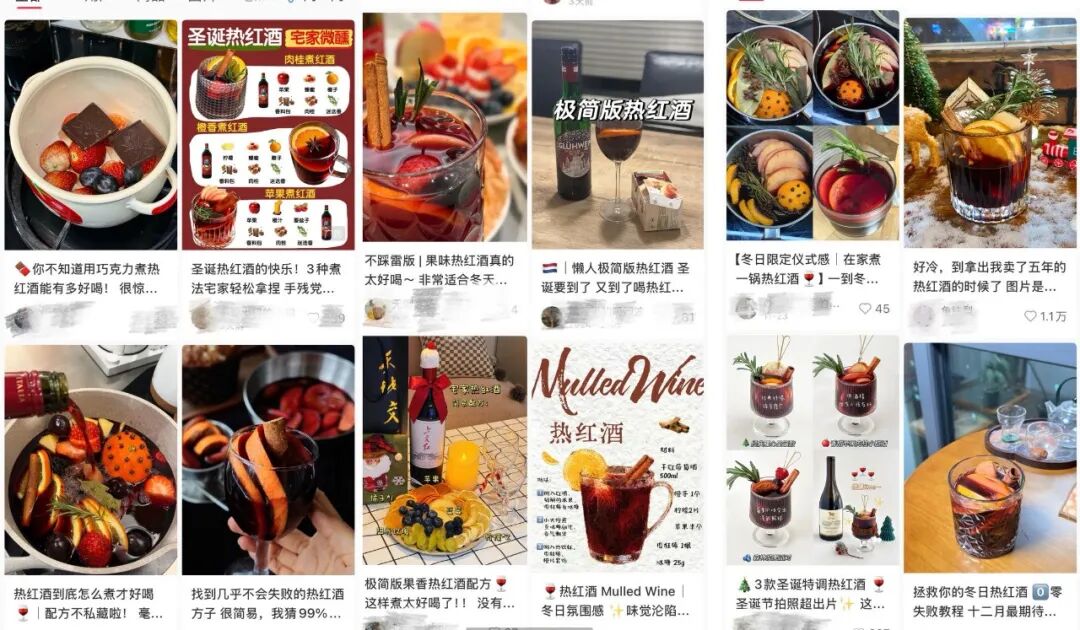
“懒人热红酒”刷屏社交平台,蜜雪冰城意外躺赚?
3 6 Ke· 2025-12-27 03:46
Core Insights - The "lazy version" of mulled wine has gained significant popularity, with related topics reaching over 3 million views on social media platforms [1][3] - This trend reflects a broader movement in the beverage industry towards simplified, DIY drink recipes that resonate with consumers [2][11] Group 1: Product Trends - The "lazy version" of mulled wine involves mixing red wine with orange juice, which is easier and quicker than traditional recipes that require complex spices [8][10] - Social media has played a crucial role in popularizing this drink, with users sharing their own simplified recipes and experiences [3][10] - Other brands have also launched similar products, such as holiday-themed drinks, indicating a trend towards seasonal offerings in the beverage market [3][11] Group 2: Consumer Behavior - Consumers are increasingly favoring low-cost, easy-to-make drinks that still provide a sense of occasion, as seen with the rise of DIY beverage trends [11][24] - The success of these "lazy" drinks is attributed to their accessibility and the low risk of trial, making them highly shareable on social media [24] - Brands that quickly adapt to these trends can capitalize on the resulting consumer interest and engagement [11][24] Group 3: Market Opportunities - The emergence of "lazy" drinks like mulled wine presents opportunities for brands to innovate and create standardized products based on popular DIY recipes [11][24] - The beverage industry is witnessing a shift towards products that are not only easy to make but also visually appealing, which enhances their shareability on social media [18][23] - Brands that can effectively engage with consumer trends and leverage user-generated content are likely to gain a competitive edge in the market [24]