生态壁垒

Search documents
春节AI红包战愈演愈烈
财联社· 2026-02-10 13:19
Core Viewpoint - The article discusses the intense competition among major internet giants Tencent, ByteDance, and Alibaba in the AI sector during the upcoming Spring Festival, focusing on their unique strategies for user engagement and traffic acquisition [3][16]. Tencent's Strategy - Tencent's AI product, Yuanbao, has upgraded its features to allow users to trigger a red envelope drop by simply typing "Yuanbao" in WeChat chats, enhancing user engagement and compliance with platform rules [4][7]. - The new feature aims to leverage WeChat's vast user base, facilitating low-cost traffic acquisition while avoiding previous issues with link sharing and marketing compliance [7][11]. - Yuanbao's strategy includes creating "Yuanbao groups" for social interaction, where users can participate in activities to win red envelopes, thus fostering community engagement [8][11]. ByteDance's Entry - ByteDance's AI application, Doubao, announced its participation in the Spring Festival red envelope competition, with activities planned in two phases, including a collaboration with the Spring Festival Gala for user interaction [12][16]. - Doubao's strategy combines cash rewards with technology products, aiming to attract users through a differentiated offering [16]. Alibaba's Challenges - Alibaba's AI product, Tongyi Qianwen, faced significant operational challenges during its Spring Festival campaign, which included a 30 billion yuan subsidy and a rapid influx of user traffic that overwhelmed its system [13][14]. - Despite efforts to expand server capacity and extend the validity of promotional offers, users continued to experience issues with the app, highlighting the difficulties in managing high demand [14]. Competitive Landscape - The article highlights the distinct strategies of the three companies: Tencent focuses on social engagement through WeChat, ByteDance leverages public traffic and high-profile events, while Alibaba aims to integrate AI into consumer habits [16]. - As of now, Tongyi Qianwen ranks first in the iOS free app chart, with Yuanbao and Doubao following closely, indicating a competitive landscape among these AI applications [17]. Future Outlook - According to industry experts, ecological barriers will be crucial in the AI assistant market by 2026, emphasizing the importance of unique technology and valuable user scenarios for sustaining competitive advantages [18].




时报观察丨科技巨头密集并购 抢占技术人才生态高地
Zheng Quan Shi Bao· 2025-12-31 00:46
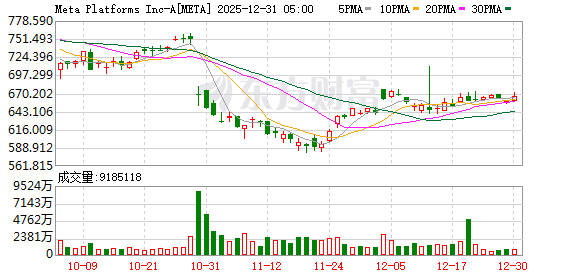
Group 1 - Meta announced the acquisition of AI startup Manus for several billion dollars, following its $15 billion acquisition of Scale AI six months prior, indicating a strategic focus on AI through mergers and acquisitions [2] - The core logic of these acquisitions is to use capital to overcome innovation bottlenecks, with Scale AI providing essential infrastructure for training large models and Manus offering scalable capabilities in general AI Agent technology [2] - The acquisitions aim to secure technology, talent, and ecosystem advantages, positioning Meta to effectively counter competitors like Microsoft and Google [3] Group 2 - The talent acquisition aspect is a critical motivation behind these mergers, as acquiring companies directly brings in top teams and leaders, bypassing traditional recruitment inefficiencies [3] - Meta's strategy includes building ecological barriers, with the two acquisitions forming a complementary strategy to resist competitive pressures and control key technological nodes [3] - The success of these large-scale acquisitions hinges on the ability to integrate the acquired companies effectively, as this will determine the overall success of the investments in the evolving AI landscape [3]

科技巨头密集并购 抢占技术人才生态高地
Xin Lang Cai Jing· 2025-12-30 19:09
Core Viewpoint - The article discusses Meta's recent acquisition of AI startup Manus for several billion dollars, following its earlier $15 billion acquisition of Scale AI, highlighting a trend among tech giants to acquire companies in the AI sector to secure technology, talent, and ecosystem advantages [1][2]. Group 1: Acquisition Strategy - Meta's acquisition of Scale AI is aimed at addressing its shortfall in high-quality data supply, as Scale AI provides essential infrastructure for training large models through its integrated approach of human labeling, AI quality inspection, and synthetic data [1]. - The acquisition of Manus brings in its general AI Agent technology, which has the capability to process 147 trillion tokens, filling gaps in Meta's consumer and enterprise-level smart tools [1]. Group 2: Talent Acquisition - The ongoing AI talent shortage makes acquisitions an efficient method for securing top talent, as seen with Meta's acquisition of Scale AI, which included bringing in its 28-year-old founder, Alexander Wang, to lead a superintelligence project [2]. - The acquisition of Manus also retained its founder, Xiao Hong, and core R&D team, appointing him as Vice President, exemplifying a "recruitment through acquisition" strategy that bypasses traditional recruitment inefficiencies [2]. Group 3: Strategic Intent - The acquisitions are part of a broader strategy to build ecological barriers, as the competition in AI has shifted from individual technology to ecosystem-level confrontations, allowing Meta to effectively counter competitors like Microsoft and Google [2]. - By controlling key technological nodes through these acquisitions, Meta aims to avoid being in a vulnerable position where it could be "choked" by competitors [2]. Group 4: Integration Challenges - The article notes that large-scale acquisitions are not guaranteed successes, emphasizing that the ability to integrate acquired companies is crucial for determining the success of these investments [2]. - The essence of this strategy is to use capital to secure future technological directions and core talent, aiming to occupy an irreplaceable ecological position in the rapidly evolving AI landscape [2].

时报观察 | 科技巨头密集并购 抢占技术人才生态高地
Zheng Quan Shi Bao· 2025-12-30 18:19
Group 1 - Meta announced the acquisition of AI startup Manus for several billion dollars, following its $15 billion acquisition of Scale AI six months prior, indicating a strategic focus on AI through mergers and acquisitions [1] - The core logic of these acquisitions is to use capital to overcome innovation bottlenecks, with Scale AI providing essential infrastructure for training large models and Manus offering scalable capabilities in general AI Agent technology [1][2] - The acquisitions aim to secure technology, talent, and ecosystem advantages, positioning Meta to effectively counter competitors like Microsoft and Google [2] Group 2 - The talent acquisition aspect is a critical motivation behind these mergers, as acquiring companies directly brings in top-tier teams, bypassing traditional recruitment inefficiencies [2] - Meta's strategy includes building ecological barriers, with the acquisitions forming a complementary strategy to resist competitive pressures and avoid being vulnerable to supply chain disruptions [2] - The success of these large-scale acquisitions hinges on the ability to integrate the acquired companies effectively, as this will determine the long-term viability of the investments [2]
2025年,那些活下来的AI硬件,都做对了一件事
3 6 Ke· 2025-12-30 11:29
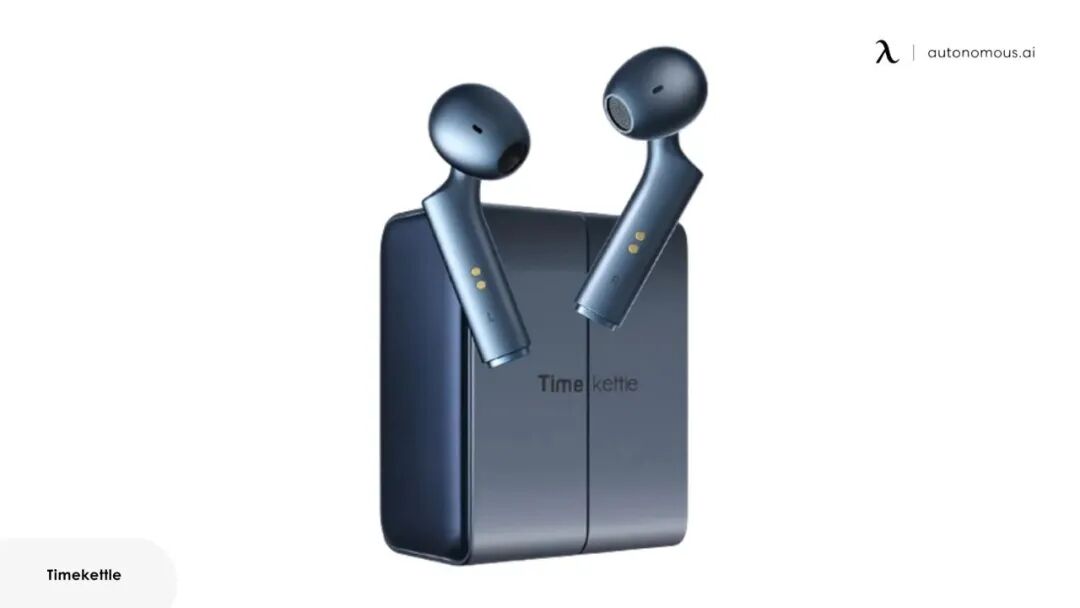
Core Insights - The article discusses the evolution of AI hardware, highlighting the shift from universal solutions to specialized products that address specific user needs in various environments [1][2][4]. Group 1: Scene Revolution - Chinese AI hardware is focusing on niche markets, such as translation-specific devices, rather than attempting to create all-encompassing products [1][2]. - The Timekettle W4 utilizes bone conduction technology and dual microphone noise reduction algorithms to achieve 93% accuracy in noisy environments, such as trade shows [1]. - The Anker Soundcore Aerofit 2 is designed for comfort during long wear and supports real-time translation in over 100 languages, catering to both business and travel needs [1]. Group 2: Function Evolution - The evolution of robotic vacuum cleaners is marked by advancements that transform them from mere cleaning tools to home assistants [4]. - The Roborock G30 Space features a bionic arm that can pick up scattered objects, indicating a shift in product positioning [4]. - The Ecovacs X30 Pro employs advanced AI technology to recognize over 30 household items and create a home map, enhancing its operational efficiency [4]. Group 3: Ecological Barriers - Overseas giants are strengthening their competitive advantages through integrated ecosystems, making it difficult for single-product solutions to compete [6][7]. - Meta's smart glasses create a seamless user experience by integrating with its AI assistant and social media platforms, enhancing user engagement [6]. - Samsung's smart ring connects with its ecosystem of devices, allowing for comprehensive health data monitoring and user interaction [6]. Group 4: Lessons from Failures - The downfall of products like the Humane Ai Pin illustrates the risks of relying on unproven technology without solid user value [9]. - The Rabbit R1's failure highlights the importance of functionality over novelty, as users found it lacking in practical applications [9]. - The acquisition of Limitless by Meta underscores the challenges faced by smaller companies in a market dominated by larger players [9]. Group 5: Core Challenges - The AI hardware market faces a paradox where software evolves rapidly while hardware updates remain slow due to physical constraints [11]. - Some companies are exploring modular designs and cloud-based computing to keep pace with software advancements [11]. - The future of AI hardware may focus on the ability to update and adapt rather than merely achieving peak performance [11].
假如,字节的豆包AI手机是腾讯的 | 马上评
Tai Mei Ti A P P· 2025-12-09 02:20
Core Insights - The emergence of AI smartphones is facing significant challenges, particularly highlighted by the collaboration between ByteDance and ZTE, which encountered operational issues due to system-level permission conflicts with major applications like WeChat [1][4][5] - The competition for AI integration in mobile devices is intensifying, with questions about how new entrants can gain trust within established ecosystems dominated by giants like Tencent [2][6] Technical Challenges - The AI assistant, Doubao, attempted to utilize system-level permissions, allowing it to simulate user actions across applications, which triggered security alerts from popular apps [4][5] - This capability effectively positioned Doubao as an invasive entity within the mobile ecosystem, raising concerns about user data privacy and security [5][6] Ecosystem Dynamics - The conflict is not merely technical but rooted in the competitive dynamics between ByteDance and Tencent, where trust and data security are paramount [6][9] - Doubao's intent to streamline user interactions across multiple applications poses a direct threat to the existing flow of traffic and user engagement for established platforms like WeChat and Alibaba [7][8] Strategic Implications for Tencent - Tencent is likely to adopt a more integrated approach by leveraging its existing ecosystem, potentially creating an AI assistant that seamlessly integrates with WeChat, thus enhancing user experience without compromising security [13][14] - The strategy may involve deep partnerships with manufacturers that lack strong ecosystems, allowing Tencent to maintain control over the software and user interactions [11][12] Market Reactions and Future Outlook - The response from existing applications to Tencent's potential AI assistant will be critical, as many rely heavily on WeChat for user engagement and transactions [21][22] - Tencent's approach may involve a combination of incentives and pressures to ensure cooperation from third-party applications, thereby reinforcing its ecosystem dominance [23][24] - The future of AI smartphones may hinge on whether they can navigate existing ecosystem barriers or if they will need to align with established players to succeed [26]

iPhone 17大热,苹果王者归来
格隆汇APP· 2025-09-17 10:33
Core Viewpoint - The extended delivery times for the iPhone 17 series indicate strong demand and highlight potential supply chain challenges, particularly in the Chinese market, which is experiencing the longest wait times [2][4][19]. Demand Side - The delivery times for the iPhone 17 series have increased significantly compared to the iPhone 16, with the base model's delivery time extending by 8 days and the Pro Max by 8 days as well [5]. - By Day 4 of pre-orders, the base model's delivery time had further increased, indicating sustained demand rather than a short-term spike [6]. - The demand is supported by a large installed base in China, with over 200 million devices, leading to millions of upgrades each year [10]. Supply Side - Apple plans to increase production of the iPhone 17 series by 25%, yet this is still insufficient to meet the growing demand, particularly for high-end models [6][14]. - The high demand for Pro and Pro Max models is attributed to Apple's successful high-end strategy, with new features and colors driving consumer interest [6][14]. Regional Insights - China has the longest delivery times for the iPhone 17 series, with the base and Pro models taking 5 weeks, compared to shorter wait times in other markets [9]. - The delay in the iPhone Air's launch due to eSIM regulations is expected to further impact demand for other models in China [10]. Industry Perspective - Apple's 25% production increase will benefit various suppliers across the supply chain, but the degree of benefit will vary by segment [12][13]. - Core components such as screens, batteries, and chips are expected to see significant profit increases due to their technical barriers and higher margins [15]. Long-term Outlook - The iPhone 17's strong demand signals a positive outlook for Apple's revenue in the upcoming fiscal year, with expectations of an 8%-10% increase in iPhone revenue [16]. - Apple's long-term value lies in its ecosystem, which includes a growing service revenue stream that is expected to contribute significantly to future growth [17][19]. Investment Focus - The Apple supply chain, particularly companies like Luxshare Precision, remains a key area for investors to watch due to the anticipated growth driven by the iPhone 17 series [20].


“后搜索时代”来临,谷歌能否重塑辉煌?
贝塔投资智库· 2025-08-27 04:00
Core Viewpoint - The article discusses Alphabet's resilience and growth in the AI era, contrasting it with concerns about its traditional search business being replaced by AI technologies. It highlights Alphabet's strategic advancements and financial performance, indicating that the company is not being left behind but is instead adapting and thriving in the new landscape [1][4]. Company Overview - Alphabet, formed in 2015 as a parent company of Google, operates as a diversified technology giant with a focus on managing both core internet businesses and innovative projects [5]. Business Segments - **Google Services**: This segment accounts for over 70% of Alphabet's total revenue, providing substantial cash flow and user data support. Key components include advertising, search, Chrome, Android, YouTube, and hardware [6]. - **Google Cloud**: Positioned as Alphabet's second growth engine, Google Cloud generated over $50 billion in annual revenue, with a backlog of $106 billion, driven by demand for AI infrastructure [7]. - **Other Bets**: This includes ventures like Waymo and Verily, which are in early exploration stages but show potential for future growth [8]. Competitive Advantages - **Ecosystem**: Alphabet's extensive product ecosystem creates a strong competitive moat, with a 63% global search market share and a 42% share of global video traffic through YouTube [9]. - **Technical Capability**: Alphabet possesses advanced AI technology, with its Gemini models outperforming competitors in various benchmarks, supported by proprietary TPU chips for efficient computing [10][11]. - **Future Strategy**: The company is investing in quantum computing and edge AI, positioning itself for long-term growth [13]. - **Capital Expenditure**: Alphabet has increased its capital expenditure for AI infrastructure, indicating a commitment to maintaining its competitive edge [14]. Financial Analysis - **Overall Revenue and Growth**: In Q2 2025, Alphabet reported total revenue of $96.428 billion, a 14% year-over-year increase, exceeding market expectations [16]. - **Segment Performance**: - **Google Advertising**: Revenue reached $54.19 billion, up 12% year-over-year, driven by strong demand in retail and finance [17]. - **Google Cloud**: Revenue surged 32% to $13.624 billion, reflecting robust demand for AI solutions [18]. - **Subscription and Devices**: Revenue grew approximately 20% to $11.203 billion, supported by YouTube and Pixel products [19]. - **Regional Performance**: All major markets showed growth, with the Asia-Pacific region growing the fastest at 19% [20]. Valuation Analysis - As of August 27, 2025, Alphabet's stock price was $207.14, with a market capitalization of approximately $2.53 trillion. The current dynamic P/E ratio is 22.08, indicating a favorable valuation compared to industry peers [21]. Institutional Ratings - Various financial institutions have maintained or adjusted their ratings for Alphabet, with target prices ranging from $202 to $234, suggesting an upside potential of approximately 12.96% from the current stock price [22].