生态文旅融合

Search documents
玉树市打造三江源生态文旅融合范例
Xin Lang Cai Jing· 2026-01-20 19:55
Group 1 - The core viewpoint highlights the significant growth of the tourism industry in Yushu City, with a total of 5.89 million visitors and a tourism revenue of 3.9 billion yuan over the past five years [1] - Yushu City has been recognized with multiple awards, including the "2024 Non-Heritage and Tourism Integration Innovation Development Case" and the "2025 China Tourism Characteristic Product Competition Gold Award" [1] - The city has implemented measures to promote high-quality development, focusing on ecological and cultural integration, and has established itself as a regional model for ecological tourism development in the Sanjiangyuan area [1] Group 2 - An investment of 55.86 million yuan has been made to develop the tourism route from Lebagou to the Wencheng Princess Temple, optimizing local scenic routes and creating themed tourism lines such as "Cultural Research" and "Ecological Health" [2] - A total of 210 million yuan has been allocated for core area renovations, including community improvements, landscape bridges, smart zebra crossings, and the construction of rural service stations [2] - The city has invested 103 million yuan to plant 1.258 million trees, enhancing urban greening and creating a "one street, one scene" landscape [2]
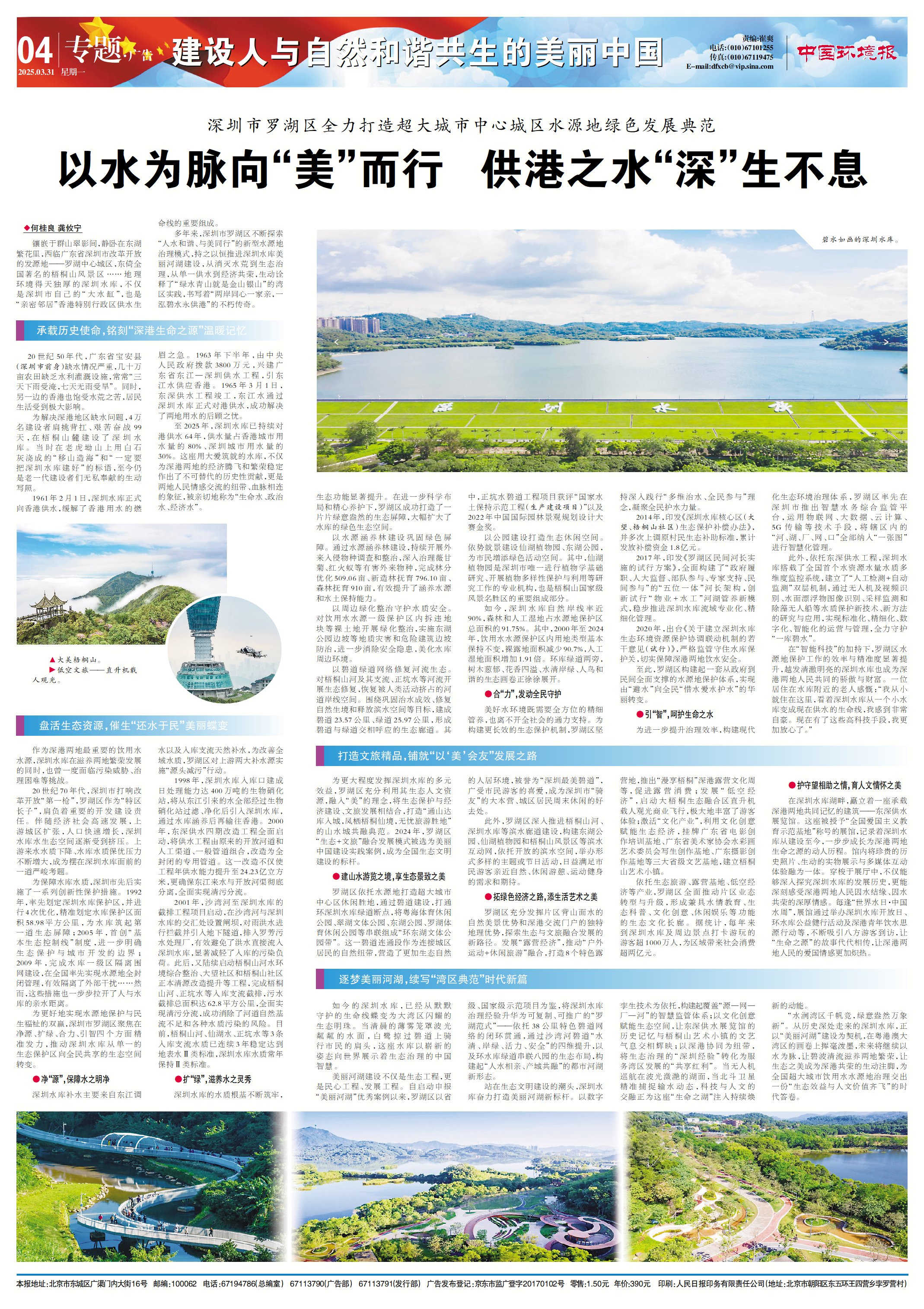
拉萨青少年研学活动观察黑颈鹤,跟随巡护员旦增体验生态守护
Xin Lang Cai Jing· 2026-01-18 15:19
Core Viewpoint - The article highlights an ecological and educational initiative involving youth participation in the conservation of the black-necked crane in Lhasa, Tibet, emphasizing the importance of wildlife protection and environmental awareness among the younger generation [1][3]. Group 1: Event Description - On January 17, a group of young representatives from the Lhasa SOS Children's Village participated in a day of wildlife patrol to observe and protect the black-necked cranes at the Karzi Reservoir in Linzhou County [1]. - The children enthusiastically observed the cranes, noting their behaviors and interactions, despite the cold weather [3][4]. - The event included educational discussions led by a local cultural guide, who explained the mating rituals of the black-necked cranes and their unique characteristics [4][6]. Group 2: Educational Impact - The children engaged in hands-on learning by feeding the cranes and asking questions about their habits and family structures, fostering a deeper understanding of wildlife [6][9]. - The initiative aimed to instill a sense of responsibility and appreciation for nature in the youth, with the patrol leader expressing a desire for future generations to witness these "highland spirits" [9]. - The day concluded with an artistic activity where the children created drawings of the cranes using local barley, further reinforcing their connection to the environment [10][13].

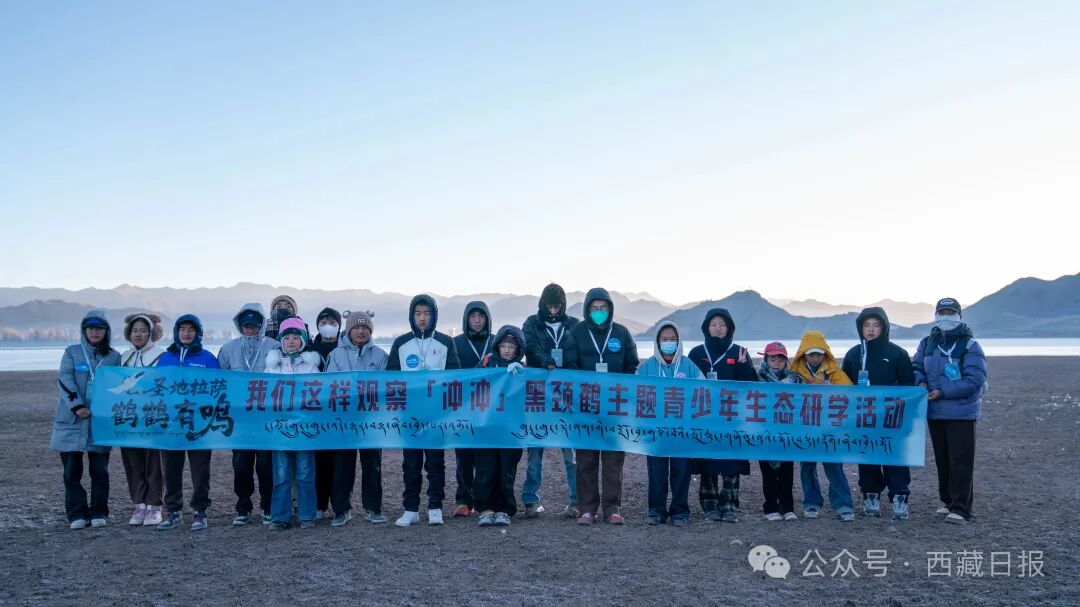
(乡村行·看振兴)改革为笔 山水为墨:浙江镇域“点绿成金”
Zhong Guo Xin Wen Wang· 2025-10-20 10:13
Core Viewpoint - The article highlights the transformation of KuaCang Town in Zhejiang into a model of green development and rural revitalization, leveraging natural resources and innovative practices to enhance local economy and community welfare [2][3]. Group 1: Development Initiatives - KuaCang Town has adopted the "Two Mountains" concept, focusing on ecological priority and green development to convert natural resources into economic advantages and shared prosperity for the community [2]. - The "YunJing Project," with a total investment of 570 million yuan, aims to integrate ecological tourism and outdoor activities, enhancing the area's infrastructure and expected to attract 1 million visitors annually, creating over 200 new jobs [3]. Group 2: Tourism and Events - The town has implemented an "event+" model to stimulate tourism, with recent events like the third Youth KuaCang Obstacle Challenge attracting nearly 1,000 participants and generating significant local tourism revenue [5]. - During the recent National Day and Mid-Autumn Festival, KuaCang received nearly 50,000 visitors, contributing over 500,000 yuan in tourism consumption [6]. Group 3: Community Collaboration - Local businesses, such as "Stone Coffee," are collaborating to create integrated service chains that combine outdoor activities, dining, and accommodation, enhancing the overall visitor experience [7]. - The town is fostering a collaborative approach among villages to share resources and develop a unified strategy for tourism and economic growth, emphasizing the creation of a new lifestyle that values environmental sustainability [8].
以“鱼”为媒 融文兴旅
Bei Jing Ri Bao Ke Hu Duan· 2025-09-28 02:46
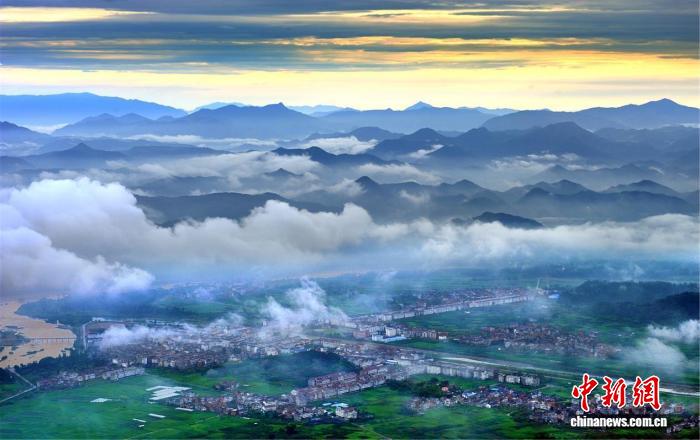
Core Insights - The article highlights the integration of ecological, cultural, and tourism development in Miyun District, Beijing, emphasizing the importance of the Miyun Reservoir as a vital water source and its role in promoting local agriculture and fisheries [1][4][6]. Group 1: Ecological and Agricultural Development - Miyun Reservoir is a crucial drinking water source for Beijing, maintaining a water quality standard of Class II for surface water, which supports a thriving fishery industry [4][6]. - The district has successfully branded its agricultural products, with items like "Miyun Fish" and "Chinese Honey" recognized as national ecological product certification examples [1][4]. Group 2: Cultural and Tourism Initiatives - The annual Beijing Miyun Fish King Food Culture Festival has evolved into a significant cultural event, integrating ecological, cultural, and tourism elements, and is now one of the most influential cultural festivals in North China [3][4]. - The festival features over 150 local tourism and dining businesses, offering various promotional activities, including a "Fish Feast" and a "Miyun Food Map" to enhance visitor experiences [4][6]. Group 3: Policy and Strategic Development - Miyun District plans to allocate nearly 10 million yuan annually to support the high-quality development of the tourism industry, including scenic spots, hotels, and rural tourism [6]. - The district's strategic approach to tourism development is exemplified by the Fish King Food Culture Festival, which serves as a platform for resource aggregation and distribution, showcasing innovations in ecological protection and cultural heritage [6][7]. Group 4: Thematic Tourism Routes - The article outlines several themed tourism routes for the autumn season, promoting diverse experiences such as cultural exploration, family-friendly activities, and culinary adventures [7][8][9].
打造生态文旅融合新标杆
Xin Hua Ri Bao· 2025-05-26 21:51
Core Viewpoint - Chengzi Lake is emerging as a shining gem in the field of ecological and cultural tourism integration, showcasing its vibrant development and potential through sustainable practices and strategic planning [1][2] Group 1: Development and Achievements - In 2024, Chengzi Lake is expected to receive approximately 1.9 million tourists and achieve a tourism revenue of about 9.8 million yuan, highlighting its growth and vitality [1] - The area has implemented a series of ecological restoration projects, including wetland restoration and landscape optimization, creating a seamless connection between the scenic area and the lake's water system [1] - Chengzi Lake has received multiple accolades, including being recognized as a national 3A-level scenic area and a provincial water landscape area, further enhancing its brand [1] Group 2: Project Planning and Diversification - Chengzi Lake is actively diversifying its offerings with projects in wellness retreats, ecological education, and family-oriented events, making it a comprehensive tourism destination [2] - The introduction of unique projects such as a patriotic education base and water sports facilities has enriched visitor experiences and contributed to the area's tourism vitality [2] - The area aims to continue its commitment to green development and deepen the integration of culture and tourism, aspiring to become a well-known ecological tourism destination both domestically and internationally [2]

以水为脉向“美”而行 供港之水“深”生不息——深圳市罗湖区全力打造超大城市中心城区水源地绿色发展典范
Zhong Guo Huan Jing Bao· 2025-03-31 01:46
Core Viewpoint - The Shenzhen Water Reservoir serves as a vital water source for both Shenzhen and Hong Kong, embodying the concept of harmonious coexistence between humans and nature while promoting ecological and economic prosperity [1][3][15]. Group 1: Historical Context - The Shenzhen Water Reservoir was constructed in the 1950s to address severe water shortages in both Shenzhen and Hong Kong, with 40,000 builders working tirelessly for 99 days to complete it [2][18]. - Since its official supply to Hong Kong began on February 1, 1961, the reservoir has become crucial, providing 80% of Hong Kong's urban water supply and 30% of Shenzhen's [3][18]. Group 2: Ecological and Environmental Initiatives - The reservoir has undergone significant ecological improvements, including the establishment of a green ecological barrier and the implementation of measures to combat invasive species [6][23]. - Various projects have been initiated to enhance water quality, including the construction of a biological nitrification station and the transformation of water supply systems to ensure clean water delivery [21][22]. Group 3: Community and Economic Development - The integration of ecological protection with community welfare has led to the transformation of the reservoir from a mere ecological protection zone to a shared ecological space for the public [20][27]. - The development of recreational areas and cultural tourism around the reservoir has attracted over 10 million visitors annually, generating significant social consumption [33][34]. Group 4: Technological Advancements - The introduction of smart water management systems utilizing IoT, big data, and 5G technology has improved the efficiency and precision of ecological governance [28][36]. - The establishment of a multi-dimensional monitoring system for water resources has enhanced the protection of water quality and the overall management of the reservoir [28][36]. Group 5: Future Vision - The Shenzhen Water Reservoir aims to set a benchmark for ecological civilization construction, promoting a model that combines ecological benefits with cultural values [36][37]. - The ongoing efforts to enhance the reservoir's ecological and cultural significance are expected to contribute to the prosperity of both Shenzhen and Hong Kong, reinforcing their interconnectedness [37].