
生成式智驾

Search documents
智驾的2025:辞旧迎新的一年
自动驾驶之心· 2026-01-04 01:04
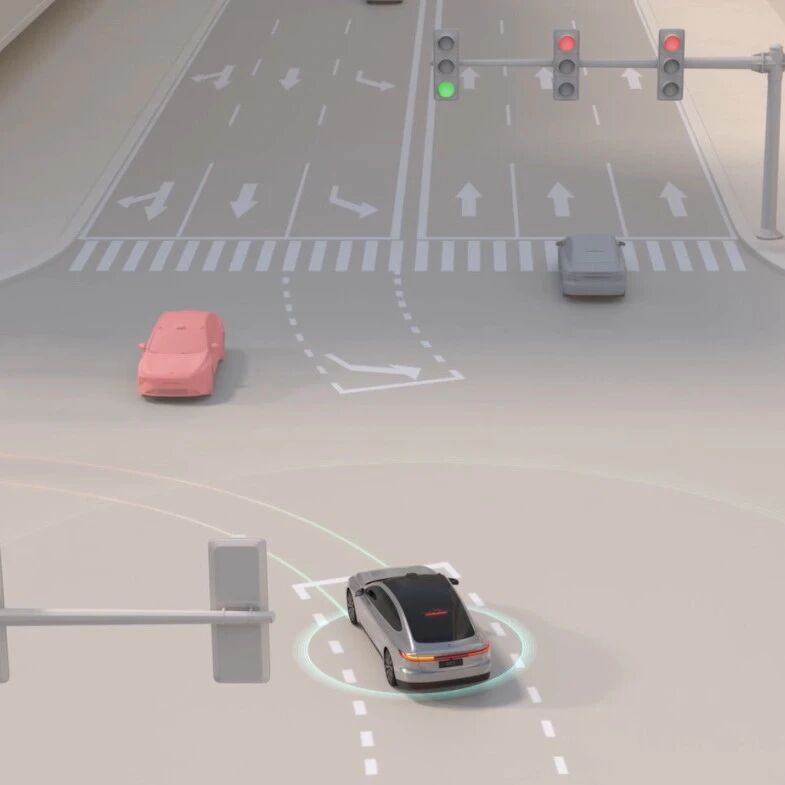
Core Viewpoint - The article discusses the evolution of the autonomous driving industry in 2025, highlighting the dual focus on technology proliferation and technical challenges, with traditional automakers pushing for accessibility and new players striving for technological advancements [4][5]. Group 1: Industry Trends - In 2025, traditional automakers like BYD, Geely, and Chery are leading the charge in making autonomous driving technology more accessible by integrating mid-level highway NOA features into vehicles priced over 100,000 yuan [4]. - New entrants and leading autonomous driving suppliers are focused on pushing the limits of technology, adhering to a model of annual technological iteration [4][5]. - The industry is witnessing a bifurcation, with one camp focused on accessibility and the other on technological challenges, particularly in the realm of algorithm development [4]. Group 2: Technological Advancements - The transition from "passive perception" to "active cognition" is marked by the introduction of world models, which represent a significant paradigm shift in autonomous driving technology [5][6]. - 2025 is characterized as a year of significant technological transition, with the widespread adoption of end-to-end systems and the emergence of world models and VLA (Vision-Language-Action) technologies [6][9]. - NIO is highlighted as a pioneer in the world model space, having launched its world model in 2024, transitioning from "perception-driven" to "cognition-driven" systems [5][6]. Group 3: Data Infrastructure and Chip Development - The importance of data infrastructure is emphasized, with companies like NIO benefiting from early investments in data collection and model training capabilities [7][8]. - The year 2025 is noted as a pivotal year for integrated hardware and software solutions, with companies like NIO and XPeng achieving self-developed chip integration [7][8]. - The article warns of the risks associated with outsourced chip development, contrasting it with NIO's genuine self-development efforts, which involve significant technical team investments [8]. Group 4: Regulatory and Market Dynamics - The issuance of L3 licenses is seen as a significant step towards the next phase of autonomous driving, indicating a shift from L2+ mass production to L3 and L4 capabilities [8][9]. - While traditional automakers have secured initial L3 licenses, their capabilities are questioned, suggesting that true advancements will come from new players and those with strong model capabilities [9][10]. - The ultimate value of autonomous driving technology is framed around enhancing driver convenience and significantly reducing traffic accidents, with a focus on safety as a primary goal [9].


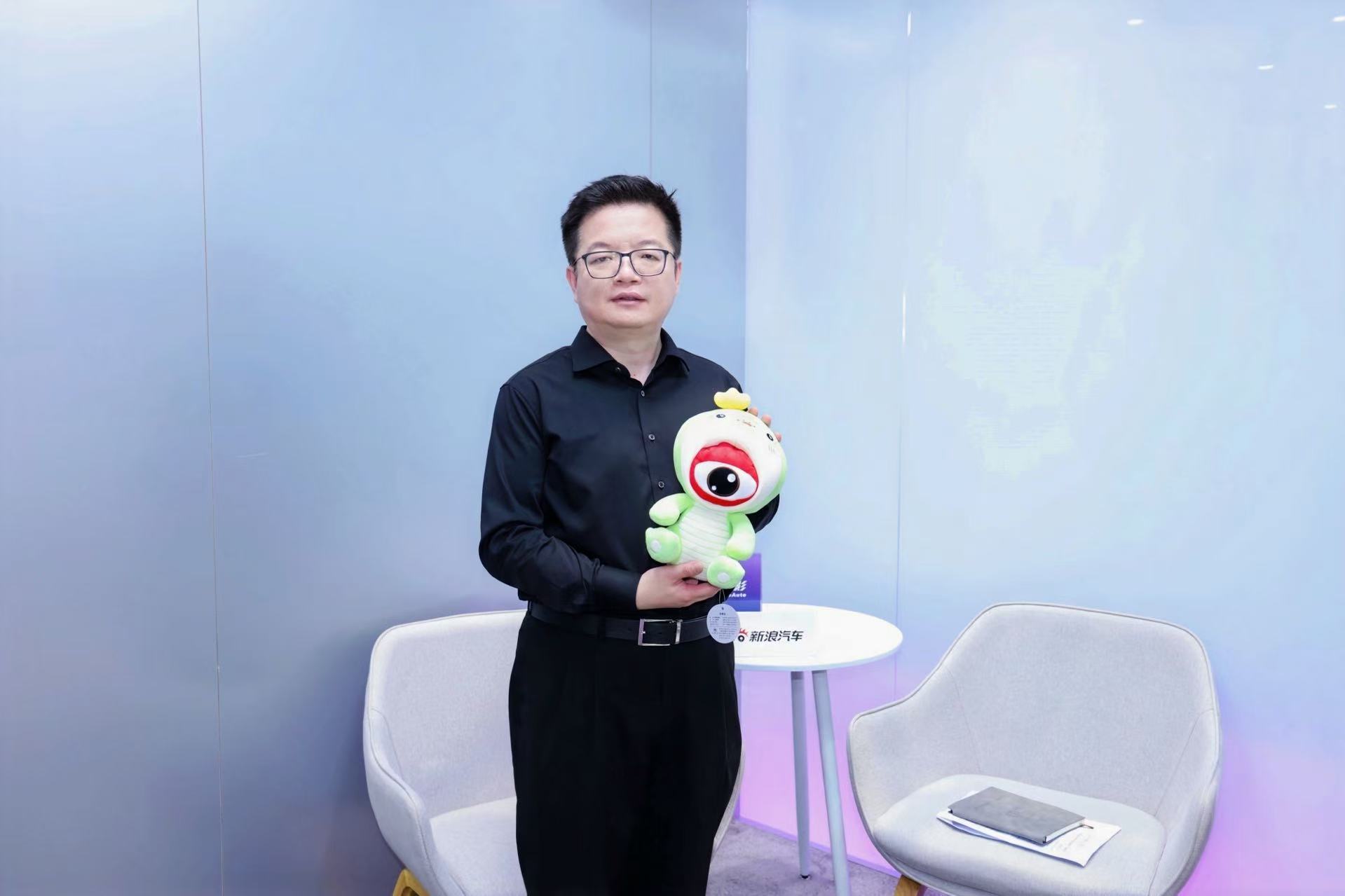
王晓刚:物理世界模型用于驾驶辅助训练很重要
Xin Lang Cai Jing· 2025-04-24 09:04
Core Insights - The Shanghai Auto Show, held on April 23, focuses on innovation and the future of the automotive industry, showcasing traditional fuel vehicles, new energy vehicles, smart driving, and supply chain technologies [1] - The event highlights the rapid advancement of technologies such as high-level intelligent driving, AI models, and multi-modal perception, with many new technologies and products set to be unveiled [1] Group 1: Industry Trends - The ongoing price war in the automotive sector has extended to supply chain companies, prompting a need for balance between pricing and cost management [3] - The consensus among industry leaders is shifting towards platformization in sensor design, which reduces the need for repetitive development and adaptation for specific vehicle models [4] Group 2: Technological Innovations - The development of generative intelligent driving is seen as a significant opportunity for the industry, addressing limitations of current end-to-end models that require vast amounts of high-quality data [5] - The concept of a "world model" is introduced, allowing for the reconstruction of physical driving scenarios to enhance model training through simulation and reinforcement learning [5][6] - Multi-modal large models are transforming user interaction within smart cabins, enabling more complex and engaging conversations rather than simple one-on-one interactions [6][10] Group 3: Data Utilization - It is noted that 99% of real user data may not be useful for training models, as most driving scenarios involve minimal information gain [7] - The importance of high-quality data is emphasized, with a focus on capturing complex driving behaviors in challenging scenarios [7][8] Group 4: Future Developments - The emergence of proactive interaction capabilities in smart cabins is anticipated to significantly enhance user experience, allowing for multi-party conversations and engagement [10][12] - The integration of AI with hardware is viewed as a trend that could lower costs and improve the overall ecosystem, with a focus on creating a robust software environment [13]
商汤绝影打造智能驾驶新路标——生成式智驾R-UniAD,让安全更有确定性,超越人类驾驶极限
Guan Cha Zhe Wang· 2025-04-24 01:18
Core Insights - The article discusses the advancements in autonomous driving technology by SenseTime's "绝影" (Jueying), particularly focusing on the R-UniAD technology framework that integrates reinforcement learning and world models to overcome existing limitations in end-to-end autonomous driving systems [1][2][3]. Group 1: Technology Advancements - SenseTime has developed the R-UniAD technology solution, which incorporates reinforcement learning to enhance the interaction between end-to-end autonomous driving systems and the real world, thereby improving safety and reliability [2][3]. - The VLAR architecture, which combines "vision-language-action-reinforcement learning," is a key breakthrough in achieving generative autonomous driving capabilities [6][9]. - The R-UniAD framework consists of a three-stage process: initial training through imitation learning, reinforcement learning with world model interaction, and efficient distillation for deployment in vehicles [9]. Group 2: Safety and Performance Improvements - The R-UniAD technology aims to significantly reduce the need for real-world data by generating virtual scenarios, thus lowering the requirement for high-quality corner case data by two orders of magnitude [9]. - The model's performance is designed to exceed human driving capabilities, with a reported reduction in collision rates by an order of magnitude compared to human drivers [9]. - The system's ability to handle complex scenarios, such as construction site interruptions, is enhanced through 4D simulation and reinforcement learning, allowing for better prediction and response to unforeseen obstacles [10][12][16]. Group 3: Commercialization and Partnerships - SenseTime's autonomous driving solutions are currently in collaboration with four automotive manufacturers, with seven vehicle models already equipped with their technology [1][21]. - The company is accelerating the mass production of its autonomous driving solutions, with plans for further deployment in 2025, including partnerships with major automotive brands like Dongfeng and Chery [21][23]. - The R-UniAD technology has received certification from the China Automotive Technology and Research Center, marking it as a leading product in the field of autonomous driving [23]. Group 4: Future Developments - The "绝影开悟" (Jueying Kaiwu) world model has been upgraded to version 2.0, enabling near real-time interaction and 4D scenario generation, which is crucial for training autonomous driving models [17][19][20]. - This upgraded model can generate diverse and complex driving scenarios, including extreme risk situations, which are essential for training robust autonomous systems [19][20]. - SenseTime aims to integrate its advanced AI technologies with the automotive industry to create a comprehensive ecosystem for intelligent driving, focusing on safety, adaptability, and user experience [24][25].
