电力优势

Search documents
看好白酒,认为电动车会死掉,段永平的观点符合西方对中国的期待
3 6 Ke· 2025-12-27 07:04
Group 1 - The core viewpoint of the article revolves around Duan Yongping's optimistic outlook on the liquor industry, particularly Moutai, despite the challenges faced by the sector [1][3] - Duan emphasizes the idea that buying stocks equates to buying companies, and he has not sold any shares during Moutai's price adjustments, instead opting to buy more [1][3] - He believes that Moutai is distinct from other liquors, as many of his acquaintances only drink Moutai, suggesting a niche market that he perceives as resilient [3] Group 2 - The article highlights the declining consumption of liquor among younger demographics, with health consciousness rising and a significant portion of the population over 50 being the primary consumers [5][6] - There is a societal shift towards not drinking and driving, which is further reducing the liquor-drinking population [8] - Duan's perspective on the electric vehicle (EV) market is pessimistic, predicting that most EV companies will fail, with Tesla being an exception [8][10] Group 3 - The article discusses the contrasting views on the electric vehicle industry, noting that while Duan is skeptical, the global trend shows China's dominance in the EV market, accounting for 70% of global production [12][14] - It mentions the significant technological advancements in China's electric vehicle sector, which are reshaping the global automotive landscape [14][16] - The article also points out that China's high-tech exports are leading the economy, with a notable increase in trade surplus, indicating a shift towards a technology-driven market [21] Group 4 - Duan's views reflect a Western perspective that favors the development of consumer goods like liquor over high-tech industries, which could pose competition to Western markets [19][20] - The article suggests that the rise of China's technology sector is an irreversible trend, with electric vehicles being a crucial component of this growth [20][21] - It concludes by advising investors to consider the underlying facts and data behind Duan's investment decisions rather than simply following his actions [23]



中国人工智能建立电力优势,主导全球,特朗普很愤怒
Sou Hu Cai Jing· 2025-12-15 04:11
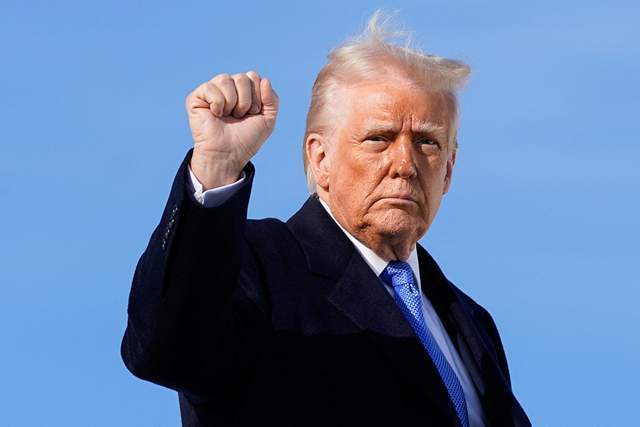
Core Viewpoint - The article discusses China's competitive advantage in artificial intelligence (AI) through its electricity resources, which has drawn criticism from former President Trump, who claims the U.S. remains superior in AI capabilities [1][4]. Group 1: China's Electricity Advantage - China possesses the world's largest power grid and has seen its electricity generation growth surpass that of all other regions combined from 2010 to 2024 [7] - Last year, China's electricity generation was more than double that of the U.S., with some Chinese data centers enjoying electricity prices that are only half of those in the U.S. [7] - By 2030, China's investment in its power grid is projected to reach approximately $560 billion, with an expected backup power capacity of around 400 gigawatts, three times the anticipated electricity demand of global data centers [7] Group 2: U.S. Electricity Challenges - Many U.S. tech giants are building their own power generation facilities alongside data centers, achieving self-sufficiency, but a significant number still rely on public power grids, leading to increased electricity prices and heightened risk of power outages [7] - In Pennsylvania, electricity prices have risen by 15% over the past year, double the national average, with the U.S. Energy Department acknowledging that peak electricity demand and outage risks will increase in the coming years due to data centers and AI [10] - Several data center projects in the U.S. have been delayed or halted, with total investments nearing $98 billion in the second quarter alone, indicating growing concerns over electricity supply [7][8] Group 3: Political Implications - The backlash against data centers is becoming a political issue, with residents in various states protesting against rising electricity prices and land use concerns [8] - The wave of opposition to data centers is just beginning, and the electricity pricing issue may become a significant challenge for the Republican Party in the next midterm elections [11]