
电诈

Search documents
柬首相:电诈正在摧毁国家合法经济
Xin Lang Cai Jing· 2026-02-27 04:58
Group 1: Cambodia-Thailand Border Tensions - Cambodian Prime Minister Hun Manet emphasized the commitment to de-escalate tensions with Thailand and resolve disputes peacefully during his visit to the U.S. and Belgium [1] - The Cambodian Deputy Prime Minister and Foreign Minister criticized Thailand for occupying Cambodian territory and called for the withdrawal of Thai troops during a UN Human Rights Council meeting [2] - Hun Manet stated that Cambodia does not seek military confrontation and aims for peaceful resolution despite ongoing provocations and border disputes [2][3] Group 2: Historical Context and Diplomatic Efforts - The long-standing border dispute between Cambodia and Thailand dates back to colonial times, with Cambodia requesting France's assistance to review historical documents and maps [3] - Cambodia proposed the establishment of a joint boundary commission to restart discussions on the border issue [3] - The Thai military spokesperson refuted claims of Cambodian territory occupation and emphasized adherence to the ceasefire agreement [4] Group 3: Economic Impact of Cybercrime - Hun Manet addressed the issue of cyber fraud, stating that it is damaging Cambodia's legitimate economy and national reputation, and must be eradicated [4] - The Cambodian government aims to eliminate cyber fraud activities by April, highlighting the negative impact on tourism, investment environment, and international image [5] - Despite some claims that cybercrime may have stimulated certain sectors, Hun Manet clarified that the majority of illegal profits do not benefit the national economy [4]
柬埔寨首相:希望缓和与泰国之间的关系
Yang Shi Xin Wen Ke Hu Duan· 2026-02-26 05:28
Group 1 - Cambodian Prime Minister Hun Manet expressed a desire to ease relations with Thailand [1] - Hun Manet stated that the electric fraud centers are "destroying" Cambodia's legitimate economy and damaging the country's reputation [1]
突发!柬埔寨太子集团创始人、电诈头目陈志落网,已被遣送回中国!
证券时报· 2026-01-07 13:19
Core Viewpoint - The founder and chairman of Prince Group, Chen Zhi, has been arrested in Cambodia and sent back to China for investigation [1]. Group 1: Company Overview - Chen Zhi, a Chinese national from Fujian, co-founded Prince Group, which was officially established in 2015 after entering the Cambodian market in 2009 [4][5]. - Over a decade, Prince Group has developed a diverse business portfolio that includes real estate, finance, energy, telecommunications, and banking, with notable subsidiaries such as Prince Real Estate Group and Prince Bank [5]. Group 2: Allegations and Activities - Since 2015, Chen Zhi has allegedly used Prince Group's extensive business network across over 30 countries as a cover to secretly construct and operate at least ten forced labor scam sites in Cambodia [6].

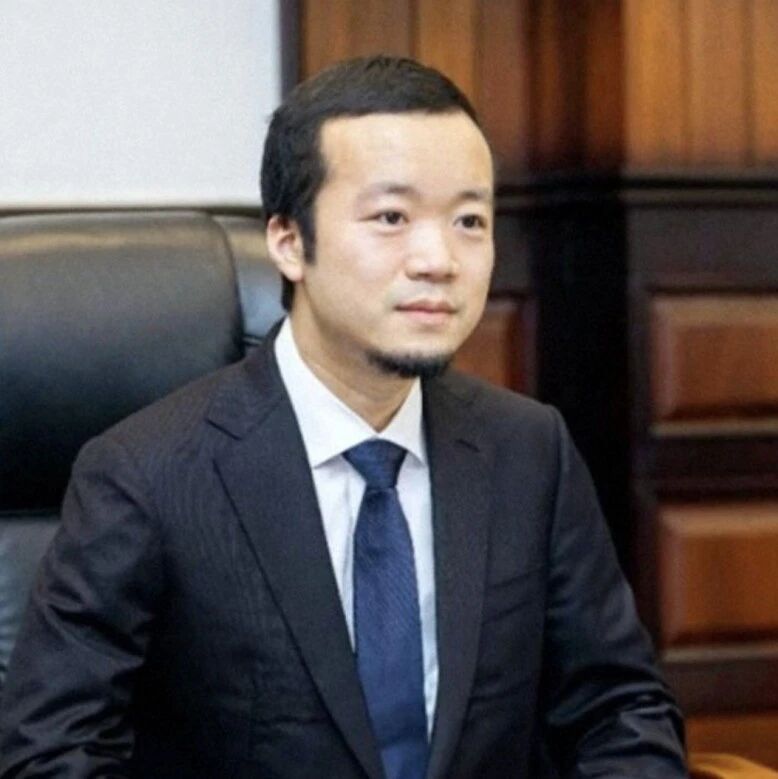
美国官方黑吃黑,柬埔寨电诈太子集团千亿比特币,全便宜了美国
Sou Hu Cai Jing· 2025-11-13 06:57
Core Insights - The U.S. government successfully seized 127,000 bitcoins from a Cambodian fraud group, valued at approximately $15 billion at the time of seizure, which raises questions about the methods used to access these decentralized assets [1][3][6]. Group 1: Background of the Fraud Group - The Cambodian fraud group, known as the "Prince Group," was founded by Chen Zhi, who transitioned from private server operations to telecom fraud after facing increased domestic crackdowns [5][6]. - The group established at least 10 fraud centers in Southeast Asia, employing coercive tactics to recruit individuals from over 60 countries, forcing them into fraudulent activities [5][6]. Group 2: U.S. Government's Seizure Operation - The U.S. Department of Justice's indictment revealed that the seizure operation took four years, indicating a high level of planning and execution [3][7]. - The bitcoins were reportedly stolen during a 2020 hacking incident, but they remained untouched until they were transferred to a wallet labeled "U.S. government" in June 2024 [6][7]. Group 3: Implications of the Seizure - The operation highlights the potential for state-level cyber actions, suggesting that the U.S. government may have controlled the bitcoins since the hacking incident [7][9]. - The seized funds, originally intended for fraud victims, are unlikely to be returned, raising ethical concerns about the handling of such assets by the U.S. government [9][10].
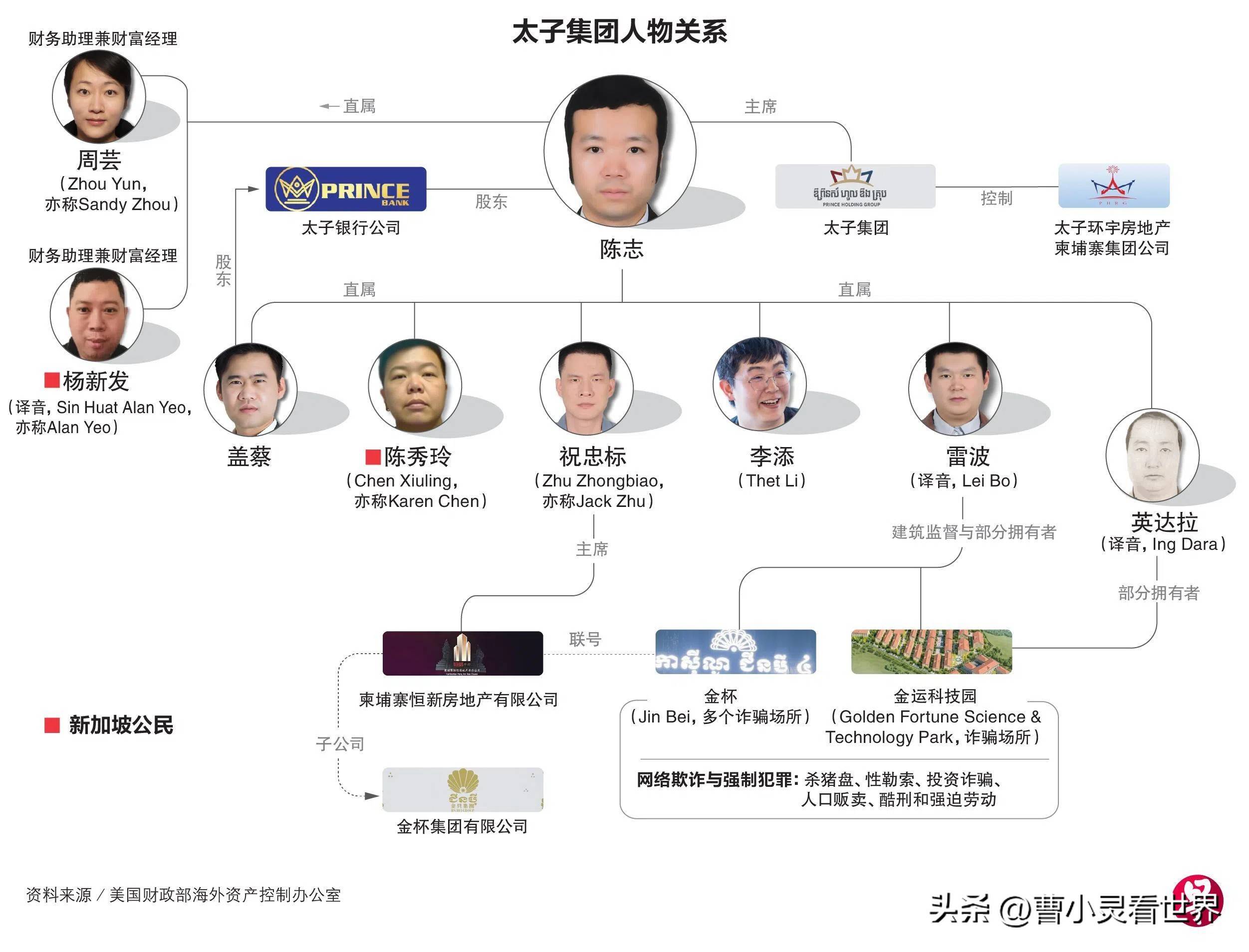
涉案超2.7万亿!佘智江将被引渡中国
第一财经· 2025-11-12 04:58
Core Viewpoint - The extradition of She Zhijiang, a Chinese national involved in cross-border gambling and fraud, from Thailand to China highlights the effective cooperation between China and Thailand in combating transnational crime [3][4]. Group 1: Criminal Activities - She Zhijiang is accused of creating and operating 239 illegal gambling websites, with involved funds exceeding 12.63 trillion Thai Baht (approximately 2.77 trillion RMB) [3]. - His criminal activities included luring Chinese citizens into illegal transactions through online platforms, primarily based in Myanmar and other Southeast Asian countries [3]. - From January 2018 to February 2021, he allegedly collaborated with others to register shell companies in Hong Kong, developing online gambling platforms and illegally profiting around 150 million RMB [3]. Group 2: Legal Proceedings - She Zhijiang was arrested by Thai police in August 2022, and the Thai prosecution subsequently submitted an extradition request to the criminal court [4]. - In May 2023, the Thai criminal court approved the extradition, which She Zhijiang appealed against [4]. - The appellate court upheld the initial ruling in October 2025, allowing for his extradition to China under the China-Thailand Extradition Treaty [4]. Group 3: International Response - The International Criminal Police Organization (Interpol) issued a red notice for She Zhijiang in May 2021, indicating the international concern regarding his activities [3]. - The United Nations Office on Drugs and Crime reported in 2024 that She Zhijiang has established a vast illegal economic network across Cambodia, Myanmar, Thailand, and the Philippines, prompting sanctions from the US and UK governments [3].

150亿美元比特币黑金账本:电诈大佬陈志的崛起与坍塌
Sou Hu Cai Jing· 2025-10-25 04:24
Core Points - Chen Zhi, a prominent figure in Cambodia's real estate sector, has been accused by U.S. authorities of leading a transnational fraud empire, with approximately $15 billion in Bitcoin seized [1][6][10] - The Prince Holding Group, founded by Chen, is implicated in extensive online gambling and fraud operations, with evidence suggesting that a significant portion of its revenue comes from illegal activities [10][21] - Chen's operations have drawn international scrutiny, leading to sanctions and asset freezes in multiple countries, including the U.S. and the U.K. [1][6][21] Group 1: Background and Rise - Chen Zhi, born in Fujian, China, founded Cambodia's largest real estate group at the age of 28, amassing significant wealth [1][4] - His business empire, Prince Holding Group, claims to operate over 100 entities across 30 countries, with investments exceeding $2 billion in real estate alone [10][21] - Chen's early ventures included managing internet cafes and running online gaming services, which laid the groundwork for his later success [4][10] Group 2: Criminal Activities - U.S. indictments reveal that Chen and his associates maintained detailed records of bribery and fraud operations, including the management of multiple scam centers in Cambodia [2][3][6] - The indictment highlights the use of "pig butchering" scams, where victims are lured into fraudulent investment schemes, resulting in substantial financial losses [8][10] - Chen's operations reportedly generated annual revenues of approximately $11 billion from these scams, significantly impacting victims worldwide [11][20] Group 3: Legal Actions and Consequences - The U.S. Department of Justice has initiated civil forfeiture proceedings to seize over 127,271 Bitcoins linked to Chen, marking one of the largest cryptocurrency asset seizures in history [6][15][17] - Chen faces serious charges, including wire fraud conspiracy and money laundering conspiracy, with potential penalties of up to 40 years in prison if convicted [9][10] - The investigation has led to the identification of 128 companies and 18 individuals associated with Chen's operations, many of which are shell companies with no legitimate business activities [21][23] Group 4: Public Perception and Impact - Despite his criminal allegations, Chen has cultivated a public image as a philanthropist in Cambodia, funding various charitable initiatives and educational programs [31][32] - The Cambodian government has expressed a willingness to cooperate with investigations but maintains that Chen's business operations comply with local laws [32][33] - The unfolding scandal has sparked significant public discourse in Cambodia, with citizens calling for accountability and expressing disillusionment with Chen's previously respected status [32][33]

起底陈志:从辍学少年到千亿电诈大佬
虎嗅APP· 2025-10-22 10:12
Core Viewpoint - The article discusses the rise and fall of Chen Zhi, a figure involved in a large-scale criminal operation spanning over 30 countries, focusing on his background, business ventures, and eventual legal troubles, particularly related to cryptocurrency and online gambling [3][4][5]. Group 1: Background and Early Ventures - Chen Zhi was born in a prosperous village in Fujian Province and had a modest upbringing, dropping out of school after the second year of junior high [5][6]. - His early career began as a network administrator in internet cafes, which were often associated with illegal gambling activities [8][10]. - He reportedly made his first significant income through operating private game servers, particularly for the popular game "Legend," which involved illegal activities [10][11]. Group 2: Transition to Cambodia and Gambling Operations - In 2009, Chen Zhi moved to Cambodia, where he initially attempted to start a net cafe but later shifted to real estate, establishing a company that lacked substantial projects [12][15]. - The legalization of gambling in Cambodia in 2014 provided Chen Zhi with opportunities to enter the gambling industry, obtaining a gambling license and citizenship [15][16]. - He capitalized on the decline of internet cafes in China, attracting many fellow Fujian natives to work in his gambling operations, which were often linked to illegal activities [16][17]. Group 3: Expansion and Criminal Activities - Chen Zhi's operations expanded significantly, with his business model combining elements of online gambling and fraud, commonly referred to as "killing pigs" scams [18][19]. - By 2015, he established the "Prince Group," diversifying into real estate and small loans, while maintaining connections to his gambling operations [19][20]. - His ventures reportedly generated immense wealth, with estimates suggesting that even his associates earned millions [22]. Group 4: Legal Troubles and Decline - In 2019, the Cambodian government announced a crackdown on online gambling, leading to a mass exodus of Chinese nationals and a significant decline in Chen Zhi's operations [28][29]. - The crackdown severely impacted his real estate and gambling businesses, leading to a loss of income and operational capacity [30][31]. - Chen Zhi's operations became increasingly violent, with reports of kidnappings and murders linked to his gambling enterprises [32][33]. Group 5: Final Downfall - In October 2025, Chen Zhi faced legal action from U.S. authorities, who accused him of running a major money laundering operation through his gambling and cryptocurrency activities [39].

电诈“太子”的百亿比特币,怎么就被美国“抄家”了?
Sou Hu Cai Jing· 2025-10-21 09:54
Core Insights - The U.S. Department of Justice announced the seizure of approximately 127,000 bitcoins from Chinese national Chen Zhi, valued at around $15 billion, marking a significant action against foreign assets [1][4]. Group 1: Background of Chen Zhi - Chen Zhi, born in 1987 in Fujian, China, initially made his fortune through private server gaming and later transitioned to telecom fraud, collaborating with Taiwanese scam groups [4][6]. - He established a powerful presence in Cambodia, leveraging connections with local authorities, particularly with Prime Minister Hun Sen, and created a conglomerate known as the Prince Group, which spans various industries including real estate and finance [6][9]. Group 2: Bitcoin and Seizure Details - A substantial portion of the seized bitcoins was mined by Chen's company, LuBian Mining, and the assets had been transferred to U.S. government-controlled wallets as early as June-July 2024 [9][10]. - The seizure raises questions about the security of cryptocurrencies, as the bitcoins were stored in a cold wallet, suggesting potential vulnerabilities in the encryption methods used or human factors leading to the compromise of private keys [10][11]. Group 3: Implications for the Cryptocurrency Industry - The incident has led to a crisis of faith among cryptocurrency advocates, highlighting the fragility of the perceived anonymity and decentralization of digital currencies when faced with state intervention [13][17]. - Historical precedents, such as the seizure of bitcoins from other individuals and entities, illustrate the reality that technological safeguards may not protect against governmental authority [13][17]. - The narrative surrounding cryptocurrencies as a means of escaping centralized control is challenged, as they become tools in geopolitical strategies, with the U.S. considering the inclusion of seized bitcoins into national reserves [13][17].
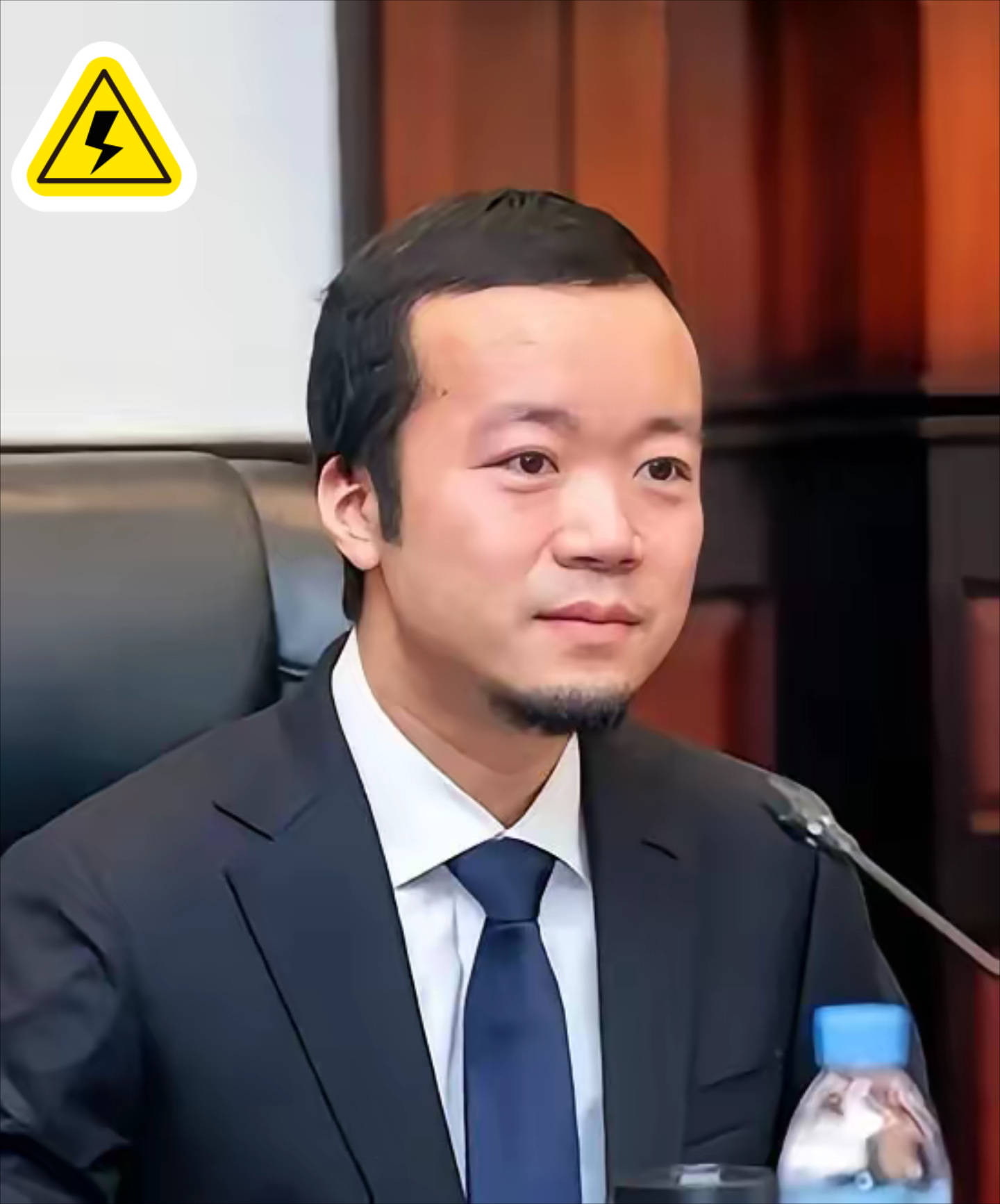
全球最大电诈集团被端!美国没收近13万枚比特币,价值1069亿元!
Sou Hu Cai Jing· 2025-10-20 03:53
Core Insights - A significant cross-border crackdown led to the seizure of 127,271 bitcoins, valued at approximately $15 billion, marking the largest asset forfeiture in U.S. history [1][3][34] - The operation targeted Chen Zhi, the owner of the Cambodian Prince Group, who is accused of telecom fraud and money laundering [3][22] - The seized bitcoins represent about 1/156 of the total global bitcoin supply, highlighting the scale of the operation [5][34] Group 1: Criminal Network and Operations - Chen Zhi established a vast criminal network in Cambodia, leveraging political connections to facilitate his operations [7][9] - The Prince Group, under Chen's leadership, was involved in various legitimate businesses while simultaneously running fraudulent schemes [9][11] - The criminal activities included a sophisticated scam operation using social media to defraud victims, alongside human trafficking practices [15][17] Group 2: International Response and Legal Actions - The U.S. and U.K. governments coordinated to freeze Chen's assets and impose sanctions on 146 individuals and entities linked to the criminal network [28][30] - The investigation utilized blockchain technology to trace the bitcoins, demonstrating the potential for law enforcement to track cryptocurrency transactions [26][41] - The crackdown is seen as a significant blow to global human trafficking and cyber fraud, with implications for future regulatory measures [30][41] Group 3: Future Implications and Victim Compensation - The fate of the seized $15 billion in bitcoins raises questions about compensation for victims, particularly in China, which has been heavily affected by such scams [37][39] - The incident underscores the need for a unified global regulatory framework for cryptocurrencies to prevent their use in criminal activities [39][41] - The downfall of the Prince Group signals a new phase in the fight against cyber fraud, emphasizing the importance of international cooperation in law enforcement [41]

X @外汇交易员
外汇交易员· 2025-10-17 03:11
Crime Investigation & Legal Proceedings - Public Security organs solved the Xu Faqi (Xu Lao Fa) criminal group case in Kokang, Northern Myanmar, and the case has been publicly tried in the first instance [1] - Cases of the Wei family and Liu family criminal groups have been prosecuted [1] - All cases of the "Four Big Families" criminal groups in Kokang, Northern Myanmar have entered judicial procedures [1] Industry Focus - Telecom Fraud - The Ministry of Public Security is directing local public security organs to fully advance the investigation of the "Four Big Families" criminal group cases [1] - The focus is on telecom fraud originating from Northern Myanmar [1]