白酒消费降级

Search documents
整体下滑超10%、旺季缩短、茅台断货……酒类春节动销“冰与火”
Sou Hu Cai Jing· 2026-02-13 19:30
Core Viewpoint - The Chinese liquor market, particularly the white liquor segment, is experiencing a significant downturn during the traditional peak sales season around the Spring Festival, with sales expected to decline over 10% compared to last year, indicating a challenging outlook for 2026 [2][3] Group 1: Market Dynamics - The sales peak for the Spring Festival has been notably shortened to about two weeks, compared to a month in previous years, disrupting the usual consumption rhythm [4] - Three main factors contributing to the market cooling include decreased consumer purchasing power, the lingering effects of alcohol bans leading to reduced consumption in social settings, and the impact of e-commerce promotions reducing foot traffic in physical stores [4][5] - The cautious approach of distributors, who are hesitant to stock up due to fears of excess inventory, reflects a broader lack of confidence in the market [4] Group 2: Competitive Landscape - The decline in sales has intensified competition, leading to thinner profit margins, with many distributors resorting to price cuts to attract customers [5] - The market is showing a structural divide, with products priced between 80-200 yuan and those above 800 yuan performing well, while the mid-range segment (300-600 yuan) is facing significant declines [6][7] - Moutai remains a standout performer, with sales growth exceeding 30%, particularly in online channels, while other premium brands like Wuliangye and Guojiao 1573 are also benefiting from Moutai's success [7] Group 3: Consumer Behavior and Trends - The 300-600 yuan price range, which is typically associated with business gifting and dining, has seen sales drop over 20%, highlighting the correlation with economic activity [8] - The current market environment is shifting focus from growth potential to survival and resilience, emphasizing the importance of brand strength, pricing health, and channel cohesion for companies to navigate through challenging times [8]


白酒市场寒意袭人,酒企如何应对“内卷”与消费降级挑战?
Sou Hu Cai Jing· 2025-05-10 13:25
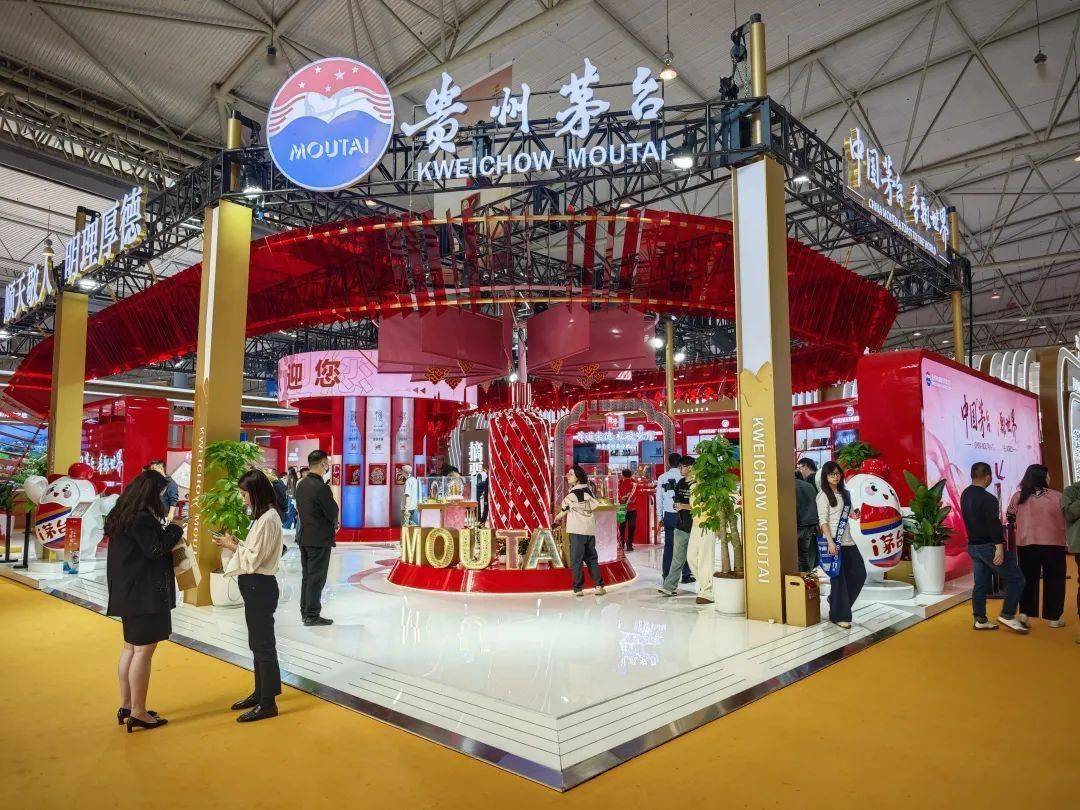
Industry Overview - The Chinese liquor market is currently facing a downturn, as evidenced by the subdued atmosphere at the Chengdu Spring Sugar and Wine Fair, which is typically a vibrant event [1][3] - Attendance at the fair has decreased significantly, with a reported drop of over 20% in foot traffic compared to the previous two years, reflecting the broader challenges in the liquor industry [3][6] Market Dynamics - Major liquor companies like Kweichow Moutai, Wuliangye, and Yanghe have reduced their promotional activities at the fair, indicating a shift in focus amid economic pressures [3][5] - The fair attracted over 6,600 exhibitors and covered an exhibition area of 325,000 square meters, marking a record high in terms of scale, despite the decline in visitor numbers [3][6] Consumer Trends - There is a noticeable trend of consumption downgrade in the liquor market, with high-end liquor demand weakening and inventory piling up [5][6] - Traditional consumer groups, such as those from real estate and finance, have been impacted, prompting premium liquor brands to pivot towards more affordable options [5][6] Competitive Landscape - Leading liquor companies are increasingly focusing on high-cost performance products priced under 100 yuan, which is intensifying competition and squeezing smaller local distilleries [5][6] - The industry is experiencing a consolidation trend, with larger companies gaining market share while smaller firms struggle to survive [6] Financial Performance - In 2024, the production of large-scale liquor enterprises is expected to decline by 1.8%, while sales revenue is projected to reach 796.4 billion yuan, a year-on-year increase of 5.3% [6] - Profit totals are anticipated to rise by 7.76% to 250.9 billion yuan, indicating that while profits are growing, the overall production is decreasing, highlighting the challenges faced by smaller enterprises [6]