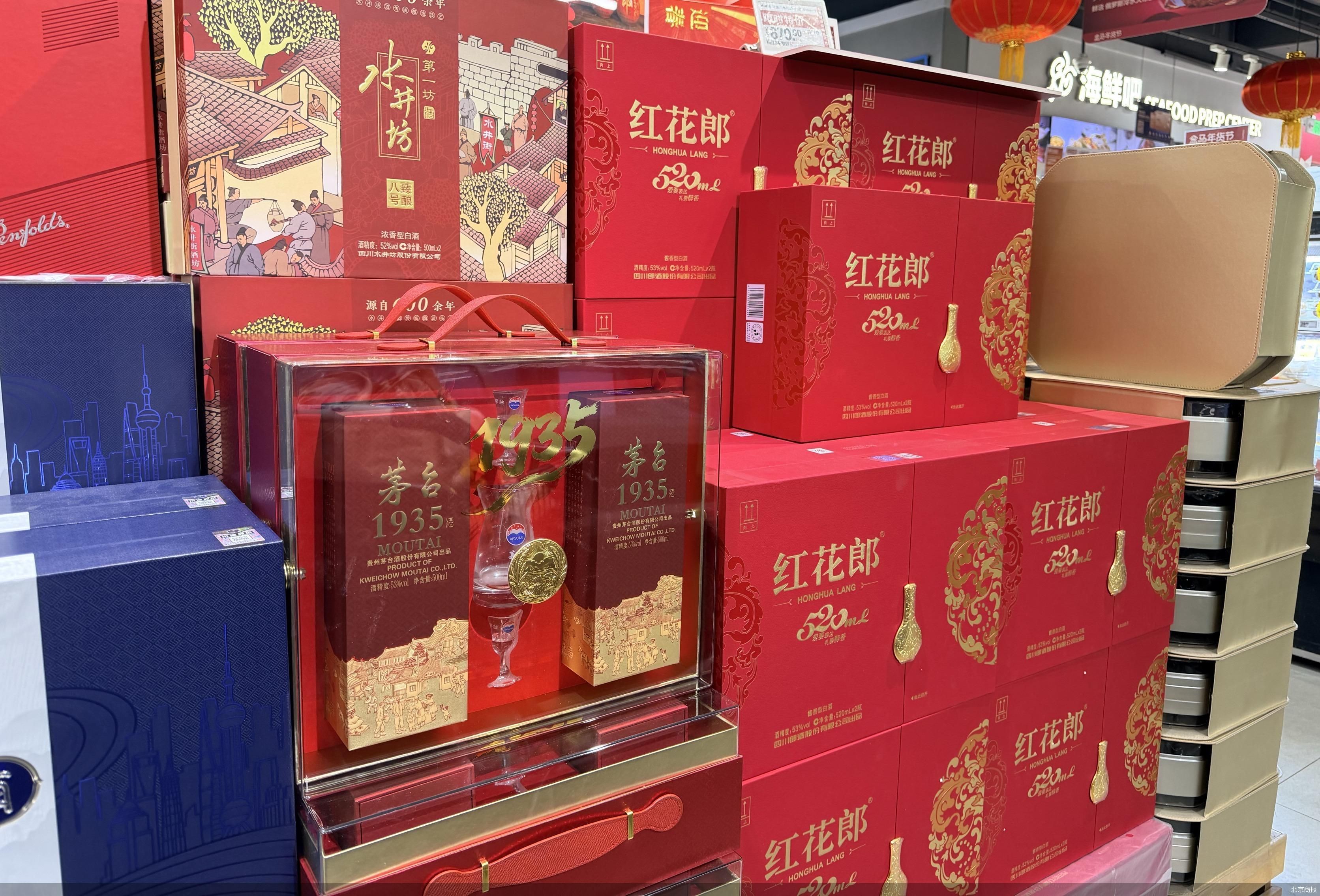
白酒行业弱复苏

Search documents
湘财证券晨会纪要-20260317
Xiangcai Securities· 2026-03-17 15:28
Industry Overview - The food and beverage industry experienced a slight increase of 1.08% from March 9 to March 13, 2026, while the Shanghai and Shenzhen 300 Index rose by 0.58% [2] - The overall valuation of the food and beverage industry is currently low, with a PE ratio of 20X as of March 13, 2026, ranking 26th among the Shenwan first-level industries [2] Alcohol Industry Insights - The liquor industry is undergoing a significant adjustment, with demand pressure becoming a norm. By Q3 2025, only a few major liquor companies reported slight revenue growth, indicating a shift from pure scale expansion to structural optimization [3] - Major liquor companies are adopting various strategies to adapt to the changing market. For instance, Moutai Group focuses on consumer-centric market transformation, while Wuliangye emphasizes brand value enhancement through marketing reforms [3][4] Liquor Industry Recovery Path - The liquor industry is expected to follow a weak recovery path in 2026, characterized by a "low first, high later" trend, rather than a rapid reversal like in 2016. The recovery will depend on a series of signals including inventory reduction and stabilization of prices [4][5] - The true turning point for the liquor industry is not a single event but a chain of validations, including inventory decline post-Spring Festival and positive sales in Q3 [5] Investment Recommendations - The food and beverage industry is currently at a historical low valuation, suggesting potential investment opportunities as market conditions improve. The report recommends focusing on three main lines: industry leaders with stable demand, companies innovating in products and channels, and segments with reasonable valuations post-adjustment [6] - Specific companies to watch include Baba Food, Yanjing Beer, Chongqing Beer, Yili Group, and Nanchao Food, with a maintained "buy" rating for the food and beverage sector [6]
白酒消费最差的时候过去了?
Sou Hu Cai Jing· 2026-01-27 03:55
Core Viewpoint - The Chinese liquor industry is experiencing a contrasting scenario where international markets, particularly in Southeast Asia, show growth potential, while the domestic market faces challenges with declining consumption and inventory issues [1][2]. Group 1: Market Dynamics - The "China Wine Carnival" in Bangkok highlights the growing interest from Southeast Asian buyers in Chinese liquor, indicating potential for market expansion [1]. - In 2025, the liquor consumption price index is projected to decline by 1.9%, with average inventory turnover days reaching 900 days, reflecting sluggish growth among liquor companies [1]. - Analysts suggest that the worst period for the liquor industry may have passed, with some institutions and companies expressing optimism about recovery [2][4]. Group 2: Recovery Signals - Analysts from Dongxing Securities believe the current liquor cycle has reached its bottom, driven by macroeconomic recovery and increased consumer spending [2]. - The easing of inventory pressure among major liquor companies and distributors is seen as a sign of stabilization in the pricing system [5]. - There is a consensus that the industry has moved past the panic phase of declining sales and is entering a "weak recovery" period characterized by cautious optimism [5]. Group 3: Structural Challenges - Despite some signs of recovery, the industry faces deeper structural challenges, including a continuous decline in liquor production, which has fallen for nine consecutive years [6][8]. - Key challenges include demographic shifts, changing consumer preferences towards health and value, and excess inventory in distribution channels [7][10]. - The overall consumer spending environment remains tight, with middle-class purchasing power declining, leading to a sustained downtrend in liquor production and sales [8][10]. Group 4: Future Outlook - The outlook for 2026 remains uncertain, with many industry insiders cautioning against premature optimism regarding a rebound in sales [6][11]. - The industry is expected to continue facing significant challenges, necessitating a focus on product quality, channel efficiency, and understanding consumer insights for true recovery [11].

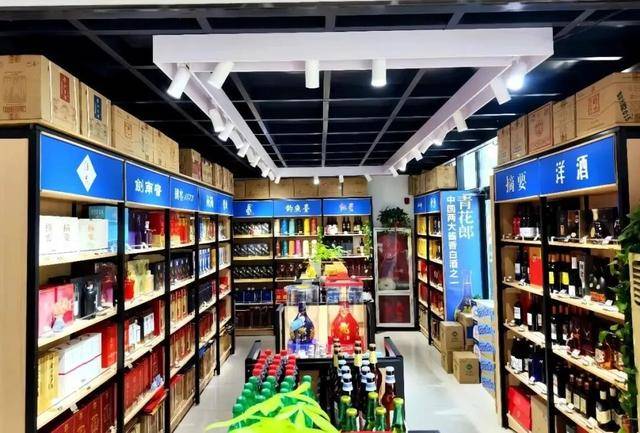
高端、次高端率先发力 元旦酒业市场勾勒2026年“双轨复苏”路线图
Bei Jing Shang Bao· 2026-01-06 12:29
Core Viewpoint - The Chinese liquor market is showing signs of recovery in 2026, particularly in the high-end and mid-range segments, driven by gifting and banquet demands during the New Year holiday season [1][4][8] Group 1: Market Trends - High-end liquor products, such as Wuliangye and Moutai, are prominently featured in supermarkets and liquor stores, indicating a shift in consumer preferences [4][6] - The price range of 300-500 RMB for mid-range products has become a sales powerhouse during the New Year, reflecting a dual demand from gifting and banquet markets [1][6] - Online channels are also witnessing strong sales of high-end liquor, with significant sales figures reported during live-streaming events [7] Group 2: Consumer Behavior - The liquor market is experiencing a transformation in consumer behavior, with a shift from excessive packaging to more rational consumption patterns [8] - The banquet market remains crucial for liquor sales, with a significant portion of consumption still tied to traditional gifting and business events [9] - The dual recovery in the market reflects both consumer rationality and the maturation of the market, with high-end products stabilizing and mid-range products gaining traction [8][10] Group 3: Future Opportunities - The liquor industry is expected to face a new normal characterized by rational consumption, channel flattening, and intensified competition [10] - Companies need to focus on niche markets and immediate retail channels to capture growth opportunities [10] - The instant retail market is projected to grow significantly, with estimates suggesting a market size of 720 billion RMB by 2025, indicating a competitive landscape for liquor companies [11]