渠道扁平化

Search documents
与临沂经销商合作纠纷落幕,千亿目标下郎酒渠道困局难解
Xin Lang Cai Jing· 2026-02-26 07:13
Core Viewpoint - The recent dispute between Sichuan Langjiu and its long-term partner, Linyi Dingtian, highlights significant issues in Langjiu's channel management, pricing system, inventory control, and financial structure, revealing multiple underlying vulnerabilities within the company [1][19]. Group 1: Background of the Dispute - The partnership between Linyi Dingtian and Langjiu began in 2007, initially thriving due to strong local channels and high consumer demand in the rising liquor market [4][21]. - A turning point occurred in 2022 when the liquor industry faced a downturn, leading to stagnant sales for Langjiu and significant inventory accumulation for Linyi Dingtian, which reached 50 million yuan [4][21]. Group 2: Channel Management Issues - In 2023, Langjiu implemented a channel flattening strategy, reducing the number of intermediaries, which disrupted the existing balance and led to a chaotic pricing system in the Linyi market [5][22]. - Price discrepancies became evident, with core products like Qinghua Lang being sold at prices significantly lower than their purchase prices, resulting in losses for distributors [5][22][23]. Group 3: Financial Strain and Inventory Challenges - The accumulation of inventory and the inability to sell products led to a drastic decline in Linyi Dingtian's cash flow, with annual returns dropping from millions to hundreds of thousands of yuan [6][24]. - Langjiu's sudden decision to terminate the partnership without prior notice was attributed to Linyi Dingtian's inability to meet performance targets due to reduced cash flow [6][24]. Group 4: Broader Industry Implications - The issues faced by Linyi Dingtian are not isolated; they reflect broader challenges within Langjiu's distribution network, including inventory pressure, price discrepancies, and distributor attrition [9][26]. - Langjiu's aggressive "inventory pressure" strategy from 2019 to 2022 has led to significant inventory issues across various regions, with some distributors facing inventory levels exceeding 1 million yuan [9][26]. Group 5: Strategic and Operational Challenges - Langjiu's ambitious "351 project" aims for revenue targets of 300 billion, 500 billion, and 1 trillion yuan by 2033, but this goal is viewed as unrealistic given current market conditions and competition [13][30]. - The company faces five major challenges, including weak product support, channel capacity issues, limited industry growth, financial structure concerns, and conflicting strategic objectives [31][32]. Group 6: Quality Control and Brand Reputation - Langjiu has faced multiple quality control issues, including reports of foreign substances in its products, which have raised concerns about its quality assurance capabilities [33][35]. - The emergence of counterfeit products and pricing irregularities in secondary markets has further damaged Langjiu's brand reputation and consumer trust [33][35]. Group 7: Future Considerations - The resolution of the Linyi Dingtian dispute does not eliminate the need for Langjiu to address its channel management, inventory control, and quality assurance issues to ensure sustainable growth and restore distributor confidence [18][35].


山姆刺破年份酒泡沫
Xin Lang Cai Jing· 2026-02-09 04:18
Core Viewpoint - The recent changes in the display and pricing of vintage liquor at Sam's Club indicate a shift towards transparency and standardization in the retail of aged spirits, challenging traditional distribution models and pricing mechanisms in the liquor industry [1][3][4]. Group 1: Changes in Retail Strategy - Sam's Club has reorganized its liquor shelves to display products by vintage year, marking a significant shift from traditional methods that relied on flavor or series categorization [1]. - The pricing of vintage liquors has become more accessible, allowing consumers to purchase older, higher-value products within similar budget constraints as before [1][4]. - The direct supply model employed by Sam's Club, bypassing traditional multi-tier distribution, reduces price markups and enhances price transparency for consumers [4][5]. Group 2: Impact on Traditional Distribution - The traditional distribution model of vintage liquor, which relied on a closed network of dealers and collectors, is facing unprecedented challenges due to increased price transparency [3][4]. - The shift to a more transparent pricing system is compressing profit margins for traditional distributors, as consumers can easily compare prices online [4][5]. - The emergence of new sales channels, such as direct partnerships between online platforms and liquor manufacturers, is further disrupting the traditional distribution landscape [5]. Group 3: Market Dynamics and Consumer Behavior - The overall liquor market is experiencing a downturn, with a significant increase in inventory turnover days and many companies facing price inversions [7]. - The demand for high-end liquor, particularly in business settings, has sharply declined, impacting sales volumes for brands like Moutai and Wuliangye [8]. - Despite the challenges, the vintage liquor market is still expanding, with projections indicating growth from 628 billion yuan in 2019 to 1,285 billion yuan in 2023 [10]. Group 4: Consumer Preferences and Market Trends - The preference for sauce-flavored liquor is dominant in the vintage market, with 43% of consumers favoring this type over others [11]. - Liquors produced after 2000 are the most popular among consumers, reflecting a balance between flavor enhancement and affordability [11]. - The lack of a unified and transparent certification system for vintage liquor remains a fundamental challenge, hindering the establishment of a stable valuation system in the market [12].



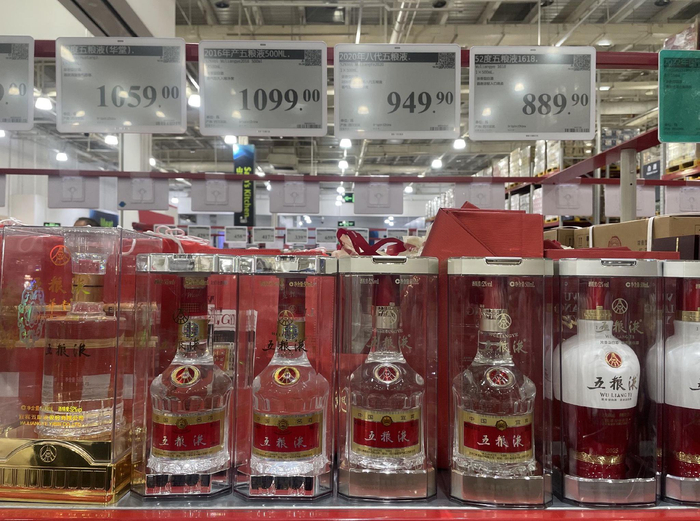
i茅台越火,五粮液越惨
Sou Hu Cai Jing· 2026-01-14 01:48
Core Viewpoint - The article highlights the contrasting fortunes of Kweichow Moutai and Wuliangye in the Chinese liquor industry, emphasizing Moutai's successful pricing strategy through the iMoutai app, while Wuliangye struggles with pricing chaos and declining performance [2][3][7]. Group 1: Moutai's Strategy - Moutai's use of the iMoutai app has effectively stabilized prices and increased direct sales, benefiting its financial performance while undermining competitors like Wuliangye [3][6]. - The app serves as a "price stabilizer" and "profit harvester," allowing Moutai to control pricing and combat scalpers, making the product more accessible to genuine consumers [2][3]. Group 2: Wuliangye's Challenges - Wuliangye is facing unprecedented difficulties, including price discrepancies, a significant drop in performance, and a chaotic distribution channel [2][7]. - The launch of Wuliangye's new retail platform in 2022 has not resolved its issues; instead, it has led to confusion among consumers due to inconsistent pricing across different sales channels [4][5]. - In Q3 2025, Wuliangye reported a revenue of 8.174 billion yuan, a year-on-year decline of 52.66%, marking its first revenue drop since 2015 [7]. - Wuliangye's reliance on its flagship product, the "Pu Wu," which accounts for over 50% of its revenue, has become a liability as it faces intense competition from brands like Moutai and others in the market [8][9]. Group 3: Competitive Landscape - Moutai's growth contrasts sharply with Wuliangye's decline, as Moutai's revenue and net profit showed slight increases, while competitors like Shanxi Fenjiu have surpassed Wuliangye in both revenue and profit [7][9]. - Wuliangye's struggle to maintain its "second place" status is compounded by the aggressive strategies of competitors, leading to a potential loss of market position if it fails to address its pricing and distribution issues [9].
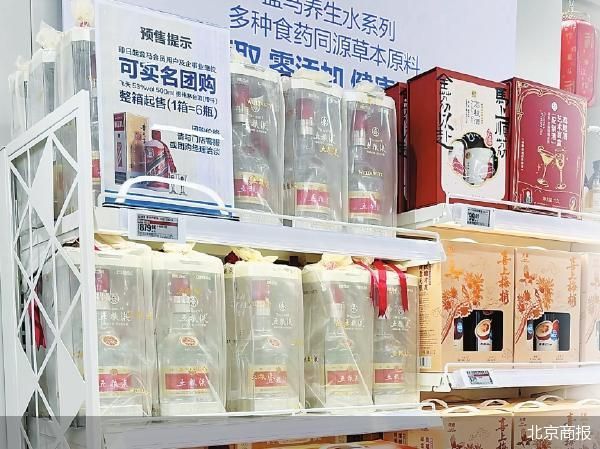
高端、次高端率先发力 白酒市场复苏显现
Bei Jing Shang Bao· 2026-01-06 15:52
Core Viewpoint - The Chinese liquor market is showing signs of recovery at the beginning of 2026, with high-end and mid-range products driving sales during the New Year holiday, supported by gifting and banquet demands [1][3][6]. Group 1: Market Trends - High-end liquor brands such as Wuliangye and Moutai are prominently featured in supermarkets and liquor stores, indicating a strong consumer preference for premium products [3][4]. - The mid-range price segment (300-500 RMB) is becoming a sales leader during the holiday season, reflecting a shift in consumer behavior towards more affordable yet quality options [1][3][4]. - The banquet market is recovering significantly, with a notable increase in demand for liquor during festive occasions like New Year and Spring Festival [3][6][7]. Group 2: Consumer Behavior - The gifting market is evolving from excessive packaging to more rational consumption, with consumers placing additional criteria on their product choices [6]. - High-end liquor brands are less affected by these changes compared to smaller brands, indicating a strong brand loyalty among consumers for top-tier products [6]. - The dual recovery in the market reflects a maturation of consumer preferences, with a balance between high-end and mid-range products [6][8]. Group 3: Market Opportunities - The banquet market remains crucial for liquor sales, with a capacity of approximately 2500 billion RMB, primarily driven by wedding banquets [7]. - Companies are encouraged to focus on niche markets and enhance their distribution channels to capitalize on the evolving consumer landscape [8][9]. - The rise of instant retail channels presents significant growth opportunities, with projections indicating a market size of 360 billion RMB by 2024 [8][9].
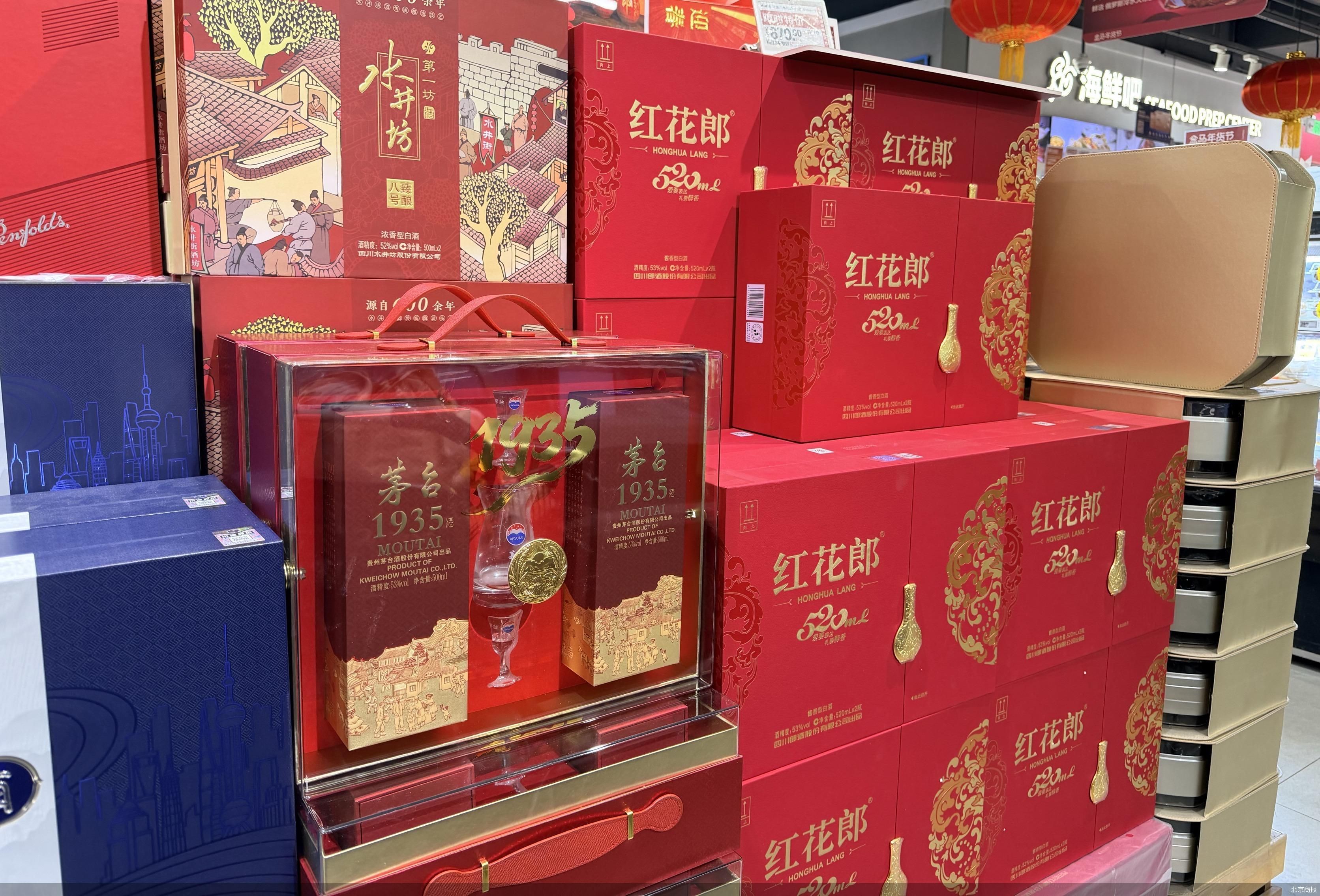
高端、次高端率先发力 元旦酒业市场勾勒2026年“双轨复苏”路线图
Bei Jing Shang Bao· 2026-01-06 12:29
Core Viewpoint - The Chinese liquor market is showing signs of recovery in 2026, particularly in the high-end and mid-range segments, driven by gifting and banquet demands during the New Year holiday season [1][4][8] Group 1: Market Trends - High-end liquor products, such as Wuliangye and Moutai, are prominently featured in supermarkets and liquor stores, indicating a shift in consumer preferences [4][6] - The price range of 300-500 RMB for mid-range products has become a sales powerhouse during the New Year, reflecting a dual demand from gifting and banquet markets [1][6] - Online channels are also witnessing strong sales of high-end liquor, with significant sales figures reported during live-streaming events [7] Group 2: Consumer Behavior - The liquor market is experiencing a transformation in consumer behavior, with a shift from excessive packaging to more rational consumption patterns [8] - The banquet market remains crucial for liquor sales, with a significant portion of consumption still tied to traditional gifting and business events [9] - The dual recovery in the market reflects both consumer rationality and the maturation of the market, with high-end products stabilizing and mid-range products gaining traction [8][10] Group 3: Future Opportunities - The liquor industry is expected to face a new normal characterized by rational consumption, channel flattening, and intensified competition [10] - Companies need to focus on niche markets and immediate retail channels to capture growth opportunities [10] - The instant retail market is projected to grow significantly, with estimates suggesting a market size of 720 billion RMB by 2025, indicating a competitive landscape for liquor companies [11]
飞天茅台价格跌至1490元
Xin Lang Cai Jing· 2026-01-05 02:08
Group 1 - The core point of the article highlights the ongoing decline in the wholesale price of Moutai liquor, with the retail price of the 2026 Flying Moutai bottle set at 1499 yuan, while the wholesale price dropped to 1490 yuan, marking a 5 yuan decrease over four consecutive days [2][3] - As of December 31, 2025, the stock price of Kweichow Moutai (600519.SH) fell by 0.9% to 1377.18 yuan per share, with a nearly 10% decline since the beginning of 2025 [2] - Kweichow Moutai announced a share repurchase plan approved on November 28, 2025, with a budget of 1.5 billion to 3 billion yuan, aiming to buy back shares at a price not exceeding 1863.67 yuan per share [2] Group 2 - The iMoutai app experienced high demand, with a limit of 6 bottles per person for the 2026 Flying Moutai, down from 12 bottles during the New Year period, and over 100,000 users purchased Moutai products during the holiday [3] - A promotional campaign was launched by a distributor, allowing customers to order 1-5 cases of the 2026 Flying Moutai at 1499 yuan per bottle, with shipments starting from January 10 [3] - The establishment of Guizhou Aimaotai Digital Technology Co., Ltd. with a registered capital of 600 million yuan aims to enhance Moutai's digital marketing and sales channels, contributing to a more integrated online and offline sales ecosystem [4]
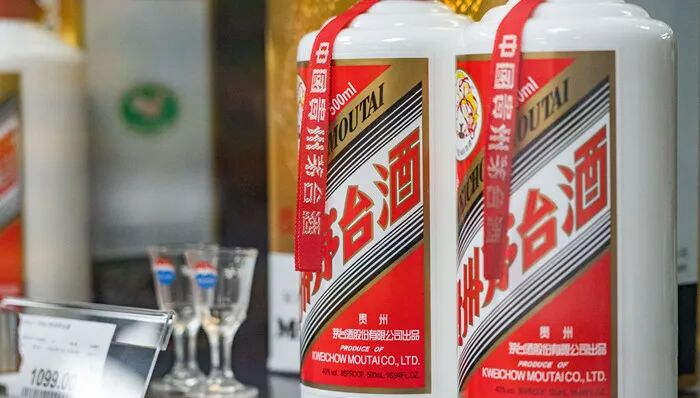
100吨半小时秒光!茅台直营能打破经销商体系吗?体系正在重构
Sou Hu Cai Jing· 2026-01-03 17:22
Core Viewpoint - The launch of the self-operated e-commerce platform "iMoutai" marks a significant shift in Moutai's sales strategy, allowing for direct sales of its flagship product at a lower price, which has led to overwhelming demand and rapid sellouts [1][3][5]. Group 1: Sales Performance and Market Response - On January 1, 2026, "iMoutai" sold out its initial stock of 53-degree 500ml Flying Moutai within 30 seconds, leading to the early conclusion of a sales event originally planned for two hours [1]. - The platform has over 80 million registered users, with a daily supply of 100 tons (approximately 21.4 million bottles) proving insufficient to meet demand [3]. - The official price of 1499 yuan per bottle is significantly lower than the market price of 1600-1800 yuan, contributing to the platform's popularity [3]. Group 2: Strategic Changes and Channel Reform - Moutai's chairman announced a shift in policy to eliminate mandatory inventory purchases for distributors, allowing them to order based on demand, which aims to alleviate financial pressure on distributors and promote a flatter distribution channel [3][5]. - The introduction of a tiered pricing system for different vintages of Flying Moutai (ranging from 1909 yuan to 2649 yuan) is designed to cater to various consumer needs while maintaining price flexibility for traditional channels [5]. Group 3: Impact on Distributors and Industry Dynamics - Despite the strong push for direct sales, Moutai recognizes the ongoing value of distributors for local market penetration and risk management during industry downturns [7]. - The shift towards direct sales is supported by a robust user base and logistics system, with plans to expand delivery services and establish 850 self-operated stores [7]. - The success of Moutai's direct sales model is attributed to its strong brand equity, which sets it apart from other liquor companies attempting similar strategies [7]. Group 4: Challenges and Adaptations for Distributors - Distributors are now required to adapt their business models, moving away from reliance on price arbitrage to enhancing value through services like tastings and membership programs [9]. - The new model ties profits to sales performance, which may increase cash flow pressure if sales slow down, as distributors face longer rebate cycles [9]. - Moutai maintains strict controls over cross-regional sales and online pricing to prevent channel chaos, indicating a careful approach to managing its distribution network [9].
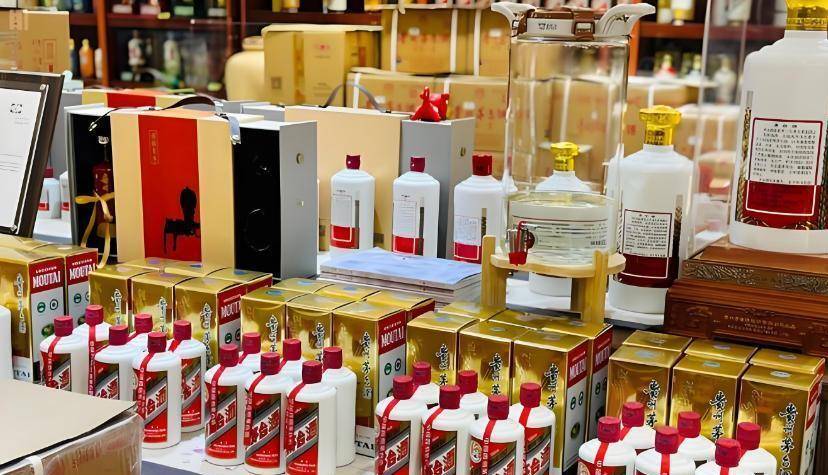
名酒打响取消“分销”第一枪?
Xin Lang Cai Jing· 2026-01-02 13:17
Core Viewpoint - The announcement by Kweichow Moutai to cancel the distribution model signifies a shift towards a more direct sales approach, reflecting the challenges faced by traditional distribution channels in the current market environment [1][2]. Group 1: Reasons for Cancellation of Distribution Model - The traditional distribution model has faced challenges due to excess inventory, pressure on distributors, and instability in pricing, leading to a need for channel flattening [2][4]. - The multi-tiered distribution system, which was effective during industry growth, has revealed its drawbacks in a cooling demand environment, resulting in squeezed profit margins and insufficient channel profits to sustain multiple distribution levels [2][4]. - The overall inventory pressure in the industry has led to some distributors reducing purchases or exiting the channel, while others are increasing their numbers to replace traditional distributors [4][6]. Group 2: Industry Trends and Changes - The trend towards channel flattening and diversification is driven by changes in consumer demand, industry structure, and market scenarios, prompting a reform in distribution channels [7][9]. - The increasing share of direct sales in Moutai's revenue, approaching 50%, indicates a strategic move to enhance control over pricing and market order [7][8]. - The rapid development of e-commerce, particularly live-streaming sales, is reshaping the distribution landscape, making it more decentralized and diverse [11][12]. Group 3: Future of Distribution and Role of Distributors - The evolution of distribution will lead to a more service-oriented role for traditional distributors, as they adapt to a direct-to-consumer model [12][14]. - The traditional advantages of distributors, such as local networks and information asymmetry, are diminishing due to the rise of direct sales and e-commerce platforms [12][14]. - Future distribution will focus on shorter chains, transparency, and enhanced service and experience, requiring distributors to shift from logistics providers to value service providers [14].
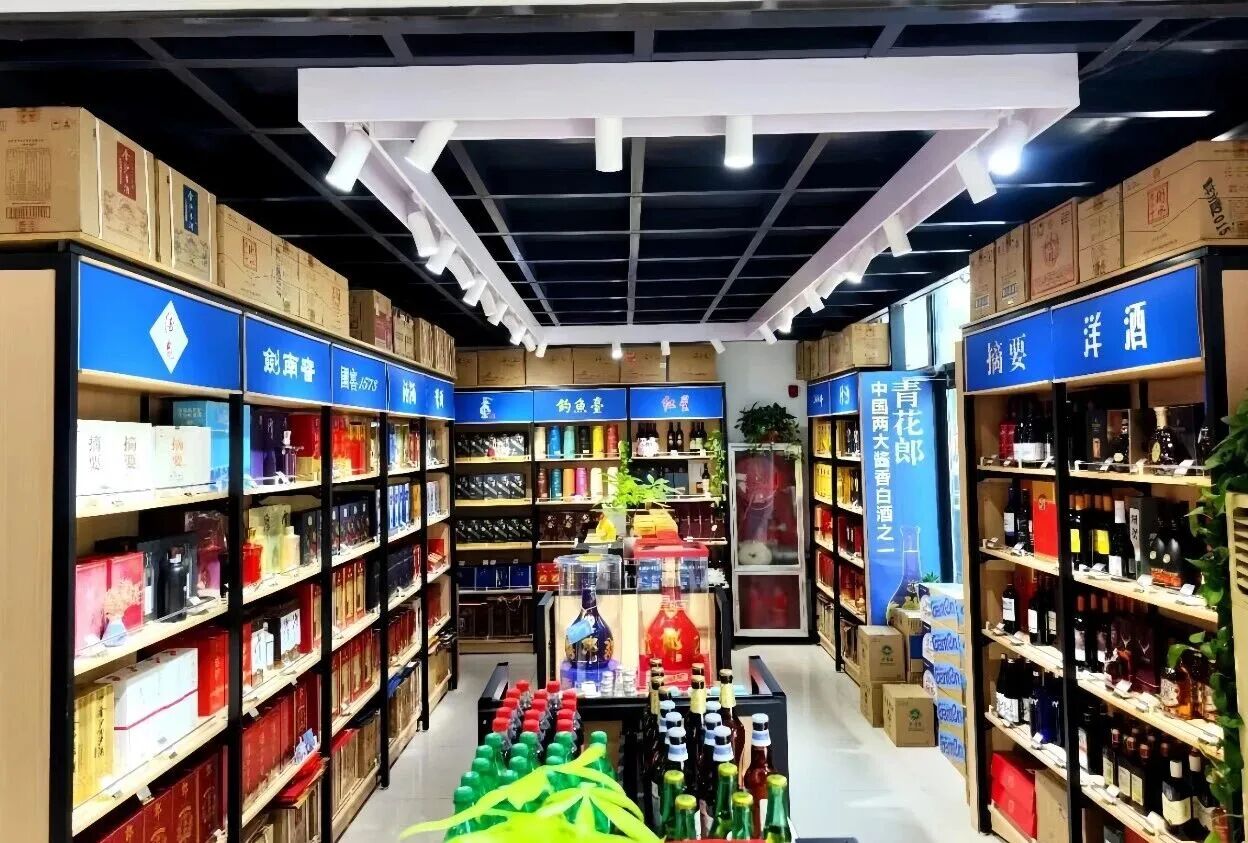
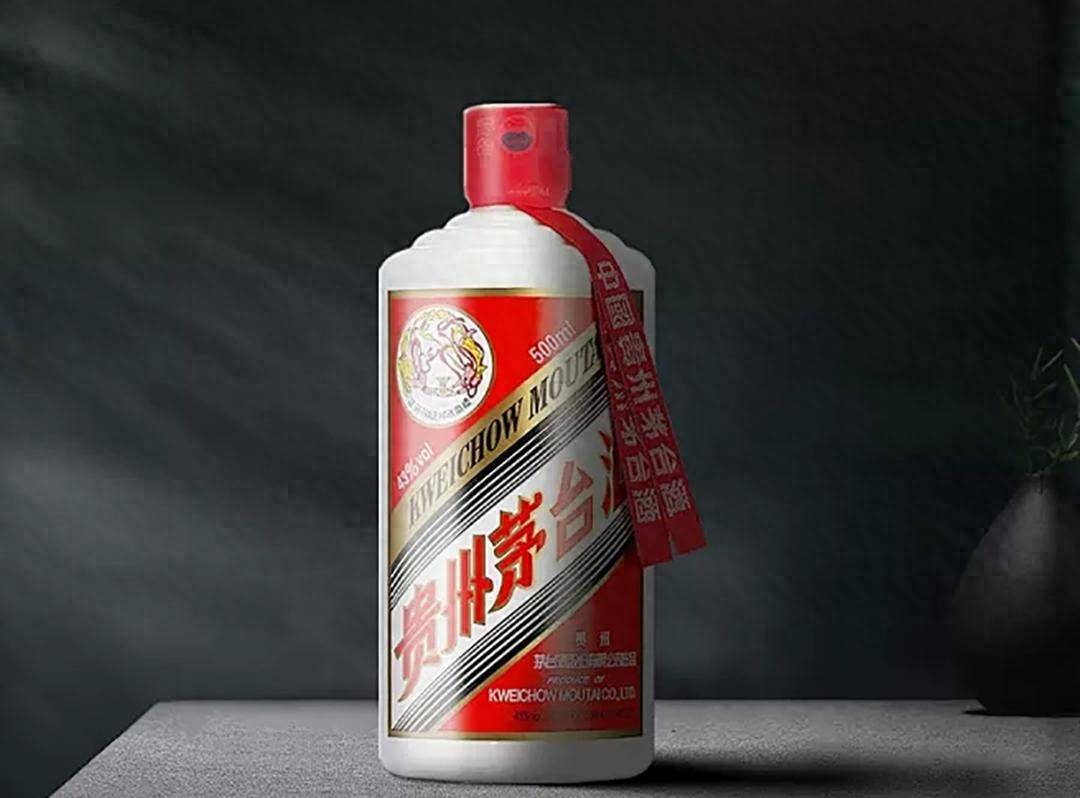
如果茅台只卖499,谁买?
Sou Hu Cai Jing· 2026-01-01 07:37
Core Viewpoint - The launch of the new 53% vol 500ml Flying Moutai at a price of 1499 yuan marks a significant shift in Moutai's marketing strategy towards a more market-oriented approach, aiming to stabilize prices and reduce speculation in the market [1][3][8]. Group 1: Product Launch and Sales Strategy - The new Flying Moutai was officially launched on January 1, 2026, through the "i Moutai" app, with a daily purchase limit of 12 bottles per person [1][3]. - Sales began at 9 AM, with stock selling out in less than 30 seconds, indicating high demand and consumer interest [3][11]. - The decision to not release the 2025 production of Flying Moutai is seen as a strategy to preserve price space for existing products in the market [8]. Group 2: Market Dynamics and Pricing - Moutai has historically operated under a dual pricing system, leading to significant price discrepancies between official prices and actual market prices, with some consumers paying up to 2000 yuan above the official price [8]. - The price of Moutai has been on a downward trend, dropping from a peak of 2750 yuan in 2024 to around 1780 yuan by December 2025 [8]. - The introduction of a fixed price of 1499 yuan for Flying Moutai aims to counteract speculative trading and establish a more rational market for consumers [11][13]. Group 3: Consumer Behavior and Market Perception - The current consumer base includes individuals treating Moutai as an investment product, which complicates the purchasing landscape [11]. - There are concerns that if Moutai were priced at 499 yuan, it could signal a decline in brand value, emphasizing the importance of maintaining price integrity [13]. - The collaboration between manufacturers and platforms to stabilize prices suggests a move towards a more sustainable consumption market for Moutai [13].
储能产业数字化实践:数商云渠道管理系统如何适配集成商与安装服务商的业务模式
Sou Hu Cai Jing· 2025-12-15 04:23
Core Insights - The energy storage industry is transitioning from scale expansion to high-quality development driven by global energy transformation and dual carbon strategies [2] - Traditional channel models face challenges such as cost increases, delayed responses, and fragmented services due to inefficiencies [2][3] - Shushangyun's S2B2B2B digital channel management system leverages technologies like blockchain, smart contracts, and AI to reconstruct the industry collaboration network [2][4] Group 1: Pain Points and Transformation Needs - The energy storage supply chain involves multiple stages, and traditional channel models exhibit three core contradictions [3] - There is a consensus in the industry on the need for channel flattening and digitalization to enhance efficiency [3] Group 2: Shushangyun's Solutions - The system integrates a "supplier portal + logistics platform + installer workstation" to create a real-time data synchronization network [4] - Blockchain technology is introduced to address issues of information silos and efficiency losses, with a notable project experiencing over 30% project delay due to data lag [4][6] - The intelligent supply chain collaboration breaks down information barriers, improving order tracking response times from 4 hours to 15 minutes for a battery manufacturer [4][6] Group 3: AI Decision Support and Mobile Tools - The system provides multi-dimensional data analysis tools for dynamic decision-making, optimizing resource allocation [5] - Mobile applications empower frontline services, enhancing standardization levels [5] Group 4: Future Outlook - As technologies like AI large models and digital twins mature, Shushangyun is advancing three major upgrades [5] - The flattening of channels is not only an efficiency tool but also a value creation engine, helping the energy storage industry build differentiated competitiveness in a trillion-level market [5]