
碳中和转型

Search documents
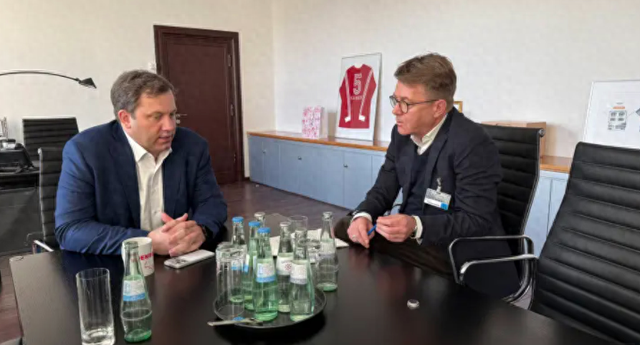
德国铁路公司订购中国电动公交车,德财长:让我十分恼火
Guan Cha Zhe Wang· 2025-12-22 04:43
Group 1 - The German railway company (DB) announced a procurement plan for 200 electric buses from China, which has sparked criticism from German Finance Minister Lars Klingbeil, who advocates for "rational domestic protectionism" [1][2] - Klingbeil expressed his frustration over DB's decision to purchase Chinese electric buses while also procuring buses from German manufacturer MAN, emphasizing the need for a domestic focus in such orders [1][2] - DB's procurement plan includes a total of 3,300 hybrid or fully electric buses, with a total order value exceeding €1 billion, and the Chinese buses will be produced at BYD's factory in Hungary [1] Group 2 - The German railway and transport union has also criticized DB's decision, with union chairman Martin Burkert stating that the government had previously called for more "domestic patriotism," making the procurement decision seem contradictory [2] - Klingbeil acknowledged the leading position of China in the electric vehicle transition, noting that the future of transportation is undoubtedly electric, and German automakers need to catch up [3] - Recent analysis from consulting firm EY revealed that the combined EBIT of major German automakers Volkswagen, BMW, and Mercedes-Benz fell to approximately €1.7 billion in Q3 2025, a 76% year-on-year decline, marking the lowest level since 2009 [8]


芝商所Hennig:黄金交易量创下新高 金属市场长期前景乐观
Zhong Guo Zheng Quan Bao· 2025-11-22 01:41
Group 1: Market Overview - The metal market in 2023 is described as "full of changes" and "exciting," with significant trading activity in metals like gold, silver, and cobalt [1] - CME Group's gold futures have an average daily nominal trading volume of approximately $85 billion this year, projected to decrease to about $60 billion in 2024 [1] - The average daily trading volume for CME's micro silver futures has increased by 22% year-on-year, reaching 22,000 contracts [1] Group 2: Retail Investor Activity - Overall trading volume for CME's gold futures and options has increased by 20% this year, following a record level last year [2] - Retail investors are significantly returning to the gold market, with trading volumes for micro gold futures and the newly launched one-ounce gold futures both doubling [2] - The average daily trading volume for micro gold futures exceeds 1 million contracts, while the one-ounce gold futures average around 180,000 contracts [2] Group 3: Central Bank Influence - A structural change is occurring in the gold market, primarily driven by continuous gold purchases by global central banks [2] - Central banks, including those from China, the U.S., Europe, and Japan, are increasing their gold reserves, which boosts demand for physical gold and impacts other precious metals like silver and platinum [2] Group 4: Market Dynamics and Trends - Despite increased volatility in gold prices since October, the overall performance of the gold futures market is considered healthier than before, with rising market participation [3] - The trading activity in the Asia-Pacific region is noteworthy, with Asian trading hours now accounting for nearly one-third of global trading volume [3] Group 5: Cobalt Market Insights - The cobalt market has experienced significant fluctuations due to export restrictions from the Democratic Republic of Congo, leading to a substantial price increase [4] - Demand for cobalt is rising as companies seek to lock in costs and hedge risks, with current positions in CME's cobalt products reaching approximately 20,000 contracts [4] Group 6: Risk Management Tools - The frequency of black swan events has increased the demand for risk management tools, prompting CME to introduce short-term options for gold and silver [5] - Market participants are increasingly utilizing short-term options in response to rapid macroeconomic changes [5] Group 7: China's Market Participation - Chinese clients are increasingly influential in CME trading, demonstrating high technical understanding and a preference for regulated trading environments [6] - China's demand for copper accounts for over 40% of global consumption, highlighting its significant role in the metal market [6] - The ongoing transition to carbon neutrality is expected to sustain long-term demand for both industrial and precious metals [6]
黄金交易量创下新高 金属市场长期前景乐观
Zhong Guo Zheng Quan Bao· 2025-11-21 22:41
Core Insights - The metal market in 2023 is characterized as "full of changes" and "exciting," with significant trading activity in gold, silver, and cobalt, driven by various market dynamics [1][4]. Trading Activity - CME Group's gold futures have seen an average daily nominal trading volume of approximately $85 billion in 2023, with projections of around $60 billion per day for 2024 [1]. - The trading volume for micro silver futures has increased by 22% year-on-year, averaging 22,000 contracts per day [1]. - Overall, CME's gold futures and options trading volume has increased by 20% compared to last year, reaching record levels [2]. Retail Investor Participation - Retail investors are significantly returning to the gold market, with micro gold futures and newly launched one-ounce gold futures seeing trading volumes more than doubling [2]. - The average daily trading volume for micro gold futures exceeds 1 million contracts, while one-ounce gold futures average around 180,000 contracts [2]. Central Bank Demand - Continuous gold purchases by global central banks, including those from China, the U.S., Europe, and Japan, are driving demand for physical gold, which also positively impacts other precious metals like silver and platinum [2]. Market Health and Activity - Despite increased volatility in gold prices since October, the overall performance of the gold futures market is described as healthier than before, with new positions being established alongside some profit-taking [3]. - The participation rate in the precious metals market remains strong, particularly in the Asia-Pacific region, where the trading volume during Asian hours has increased from 25% to nearly one-third of the global total [3]. Cobalt Market Dynamics - The cobalt market has experienced significant fluctuations due to export restrictions from the Democratic Republic of Congo, leading to a rise in cobalt prices [4]. - The demand for cobalt is driven by companies looking to lock in costs and hedge risks, with current positions in CME's cobalt products reaching approximately 20,000 contracts [4]. Risk Management Tools - The frequency of black swan events has increased the demand for risk management tools, prompting CME to introduce short-term options for gold and silver [5]. Chinese Market Participation - Chinese clients are increasingly influential in CME trading, showing a preference for regulated trading environments and contributing significantly to global demand, particularly in copper, where they account for over 40% of global consumption [6]. - The ongoing transition to carbon neutrality is expected to sustain long-term demand for both industrial and precious metals, with a focus on infrastructure and energy storage needs [6]. - The recycling of metals is anticipated to gain momentum, with China making notable progress in enhancing resource utilization efficiency through large-scale recycling initiatives [6].
芝商所Hennig: 黄金交易量创下新高 金属市场长期前景乐观
Zhong Guo Zheng Quan Bao· 2025-11-21 20:27
Group 1: Market Overview - The metal market in 2023 is characterized as "full of changes" and "exciting," with significant trading activity in metals like gold, silver, and cobalt [1] - CME Group's gold futures have an average daily nominal trading volume of approximately $85 billion this year, projected to decrease to about $60 billion in 2024 [1] - The average daily trading volume for CME's micro silver futures has increased by 22% year-on-year, reaching 22,000 contracts [1] Group 2: Retail Investor Activity - Overall trading volume for CME's gold futures and options has increased by 20% this year, building on last year's record levels [2] - Retail investors are significantly returning to the gold market, with micro gold futures and the newly launched one-ounce gold futures seeing trading volumes more than double [2] - The average daily trading volume for micro gold futures exceeds 1 million contracts, while the one-ounce gold futures average around 180,000 contracts [2] Group 3: Central Bank Influence - A structural change is occurring in the gold market, primarily driven by continuous gold purchases by global central banks [2] - Central banks, including those from China, the U.S., Europe, and Japan, are increasing their gold reserves, which boosts demand for physical gold and impacts other precious metals like silver and platinum [2] Group 4: Market Dynamics and Participation - Despite increased volatility in gold prices since October, the overall performance of the gold futures market is described as "healthier than ever" [3] - There is a notable increase in trading activity and new positions being established, indicating sustained market participation [3] - The trading volume during Asian hours has risen from 25% to nearly one-third of the global total [3] Group 5: Metal Market Challenges and Opportunities - The metal market faces various challenges, including trade tensions and tariff issues, yet gold remains a highly sought-after asset [4] - Silver is also performing well, with increased physical purchases from India and a shift of some investors from gold to silver due to high gold prices [4] - The cobalt market has experienced significant price increases due to export restrictions from the Democratic Republic of Congo, with a notable rise in CME's cobalt product holdings [4] Group 6: Risk Management and Short-Term Options - The demand for risk management tools has increased due to frequent black swan events, leading CME to introduce short-term options [5] - Market participants are increasingly utilizing short-term options to hedge against rapid macroeconomic changes [5] Group 7: China's Role in the Market - Chinese clients are increasingly influential in CME trading, showing high technical understanding and a preference for regulated trading environments [6] - China's demand accounts for over 40% of global copper consumption, highlighting its significant role in the metal market [6] - The ongoing energy transition is expected to sustain high demand for both industrial and precious metals, with a focus on recycling and resource efficiency [6]

黄金交易量创下新高金属市场长期前景乐观
Zhong Guo Zheng Quan Bao· 2025-11-21 20:09
Group 1: Market Overview - The metal market in 2023 is described as "full of changes" and "exciting," with significant trading activity in metals like gold, silver, and cobalt [1] - CME Group's gold futures have an average daily nominal trading volume of approximately $85 billion this year, projected to decrease to about $60 billion in 2024 [1] - Overall trading volume for CME's gold futures and options has increased by 20% this year, following a record level last year [1] Group 2: Retail Investor Activity - Retail investors are significantly returning to the gold market, with micro gold futures and one-ounce gold futures seeing trading volumes more than double [2] - The average daily trading volume for micro gold futures has exceeded 1 million contracts, while one-ounce gold futures have reached approximately 180,000 contracts [2] Group 3: Central Bank Demand - Central banks globally are increasing their gold reserves, which is a major driving factor for gold demand, particularly evident this year [3] - This ongoing central bank purchasing behavior is also positively impacting the demand for other precious metals like silver and platinum [3] Group 4: Market Dynamics - Despite increased volatility in gold prices since October, the overall performance of the gold futures market is considered "healthier" than before, with new positions being established [3] - The trading activity in the Asia-Pacific region has increased, with Asian trading hours now accounting for nearly one-third of global trading volume [3] Group 5: Silver and Cobalt Markets - Silver is performing well, often following gold's price movements, with increased physical purchases from India contributing to its demand [4] - The cobalt market has experienced significant fluctuations due to export restrictions from the Democratic Republic of Congo, leading to a rise in cobalt prices [4] Group 6: Risk Management Tools - The demand for risk management tools has increased due to frequent macro events, prompting CME to introduce short-term options for gold and silver [5] - Market participants are increasingly utilizing short-term options in response to short-term news and events [5] Group 7: China's Market Participation - Chinese clients are becoming increasingly influential in CME's trading activities, showing a preference for regulated trading models [5] - China accounts for over 40% of global copper demand, highlighting its significant role in the metal market [6] Group 8: Long-term Market Outlook - The long-term outlook for the metal market remains positive, driven by energy transition and infrastructure needs [6] - The recycling metal industry is expected to gain momentum in the energy transition, with China making notable progress in resource utilization efficiency [6]
德国汽车工业协会主席穆希雅: 欢迎中国车企来欧洲
Zhong Guo Qi Che Bao Wang· 2025-05-07 08:09
Core Insights - The interview with VDA President Muche highlights the importance of Sino-German cooperation in the automotive industry, particularly in the context of electric vehicle (EV) development and trade policies [2][3] Group 1: Market Dynamics - China is the world's largest new car market, significantly influencing the electric vehicle sector, and trade with China has created numerous job opportunities for Germany [3] - Over two-thirds of German automotive industry respondents plan to increase investments in China, particularly in R&D, production, and sales [4] - One-third of surveyed companies intend to expand production capacity in China, with 80% planning to maintain or increase their production scale in the long term [4] Group 2: Localization and Consumer Preferences - German automotive companies are adopting a "local for local" strategy, focusing on product localization to better meet the competitive environment in China [4] - There are notable differences in consumer preferences between Chinese and European markets, with Chinese consumers prioritizing vehicle space and digital features, while European consumers focus on safety and performance [4] Group 3: Trade Policies and Barriers - Muche expressed concerns about tariffs, particularly the impact of U.S. tariffs on German automotive exports and the uncertainty it brings to the global automotive supply chain [6] - The VDA opposes the EU's tariffs on Chinese electric vehicles and calls for collaborative efforts to eliminate trade barriers and promote market openness [6][7] - Muche emphasized the need for discussions to focus on removing trade barriers rather than creating new obstacles, advocating for solutions like minimum price standards and encouraging Chinese companies to establish factories in Europe [7] Group 4: Future Events and Collaboration - The upcoming Munich Motor Show is anticipated to provide a valuable platform for automotive companies and suppliers, with expectations for strong participation from Chinese enterprises [7]
