社交场景

Search documents
AI是为社交场景量身定制的工具
Xin Lang Cai Jing· 2026-02-25 03:32
Group 1 - The article emphasizes that early research often simplifies social interaction as an information exchange process between individuals, highlighting the importance of communication in sharing private information and enhancing collaborative efficiency [1] - AI is presented as a tool specifically designed for social scenarios, excelling in understanding language, extracting key points, and generating responses, which aligns with the capabilities of large models [1]
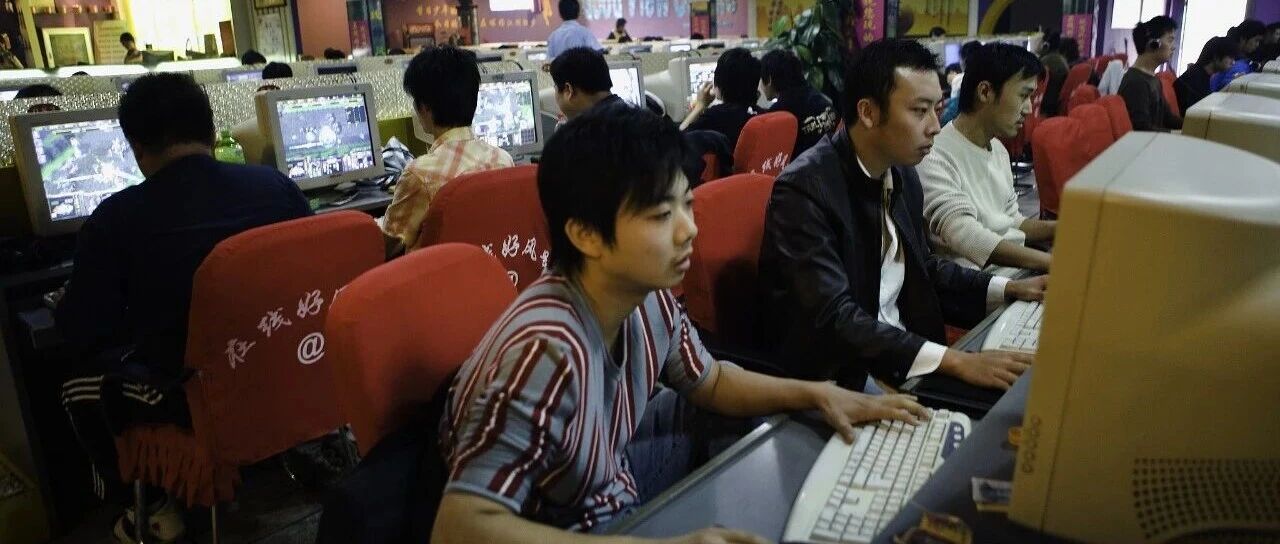
春节假期县城网吧人气旺,网吧又是一门好生意了?
虎嗅APP· 2026-02-19 09:20
Core Viewpoint - The article discusses the resurgence of internet cafes in China, highlighting their transformation into affordable entertainment options amidst economic adjustments, with a projected growth in the number of cafes and revenue by 2025 [6][7]. Group 1: Industry Growth and Changes - By 2025, the number of internet cafes in China is expected to reach 122,600, a year-on-year increase of 12.68%, with revenue surpassing 101.68 billion yuan [6]. - The industry has seen a significant recovery post-pandemic, with at least 40,000 new cafes opening in two years and over 100,000 new employees added in one year [6]. - The emergence of hybrid entertainment complexes combining internet cafes with other services like bathing and hotels is becoming increasingly common [6]. Group 2: Demand Drivers - The demand for internet cafes is rising as they offer a low-cost entertainment option during economic downturns, appealing to consumers who are cutting back on high-end spending [11]. - The popularity of computer games, particularly titles like "Black Myth: Wukong" and "Delta" in 2025, has revitalized interest in internet cafes, attracting a diverse player base, including an increase in female gamers from 7.5% to over 10% [12][14]. - The demographic of internet cafe users is shifting, with an increase in users over 30 years old from 10% in 2012 to over 20% in 2024, and longer usage times reported [14]. Group 3: Business Model and Revenue Streams - Internet cafes are diversifying their revenue streams by offering additional services such as small supermarkets, beverage bars, and dining options, with food and beverage sales accounting for 40% in urban areas and up to 60% in rural areas [17][18]. - High-end internet cafes are emerging, featuring advanced equipment and premium services, with some charging over 10,000 yuan for high-end rooms [19]. - The number of esports hotels is also on the rise, with 29,500 expected by 2025, reflecting a growing trend in combining internet cafes with hospitality services [20]. Group 4: Competitive Landscape and Challenges - Despite the growth, the return on investment for new cafes has become more challenging, with payback periods extending to two to two and a half years due to increased competition [22]. - The influx of new competitors has led to price reductions, with internet cafe fees returning to 2015 levels after a period of increases during the pandemic [22]. - The emergence of cloud internet cafes, which reduce equipment costs by utilizing cloud servers, is changing the operational landscape, with companies like Shunwang Technology providing services to over 700,000 terminals [25][26]. Group 5: User Engagement and Community Building - Internet cafes are enhancing their social aspects by organizing gaming competitions and collaborating with game developers to offer exclusive in-game content, fostering community engagement [27][28]. - The appeal of internet cafes lies in their ability to provide a unique social experience and high-value gaming environments, catering to users seeking immersive experiences [28].

为什么微信不直接在群里加AI?
乱翻书· 2026-01-28 03:54
Group 1 - The core competition during the 2026 Spring Festival is expected to be the most intense in the history of China's internet industry, with major players like ByteDance, Baidu, and Alibaba heavily investing in AI and cash giveaways [1][4][29] - ByteDance's Volcano Engine has become the exclusive AI cloud partner for the Spring Festival Gala, while Baidu announced a distribution of 500 million cash red envelopes through its app [1][4] - Tencent is making a notable return to the cash giveaway scene with its Yuanbao app, aiming to replicate the success of WeChat red envelopes from 11 years ago [4][29] Group 2 - Yuanbao is launching a Spring Festival event on February 1, distributing 1 billion cash red envelopes, with a focus on user engagement through AI features [2][4] - Tencent's Yuanbao Pai aims to create a social space where AI interacts with users, moving beyond traditional efficiency tools to become part of social interactions [6][15] - The design of Yuanbao Pai allows for group activities and AI interactions, differentiating it from existing products like WeChat and QQ by focusing on scene-based socialization rather than familiar relationships [17][24] Group 3 - The competition among companies is not just about technology but also about capturing user attention and creating unique social experiences that keep users engaged [28][29] - Companies like ByteDance and Alibaba are investing heavily to establish a foothold in the market before technology paths are fully defined, indicating a sense of urgency in their strategies [28][29] - The 2026 Spring Festival AI battle is seen as a pivotal moment, similar to the short video industry's explosive growth in 2018, with each company betting on its unique approach to AI and user engagement [30]