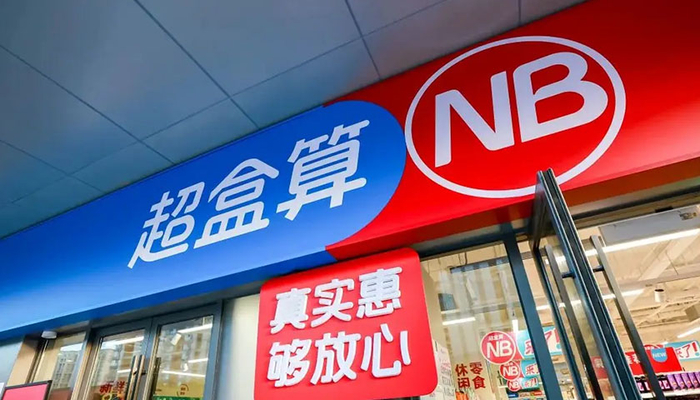
社区折扣超市

Search documents
量贩零食行业简析报告
MCR嘉世咨询· 2026-02-09 02:35
Investment Rating - The report does not explicitly state an investment rating for the snack wholesale industry [3]. Core Insights - The snack wholesale industry is characterized by a "hard discount" retail model that significantly reduces prices compared to traditional supermarkets, achieving approximately 25% lower prices [4][6]. - The industry is rapidly penetrating lower-tier markets, taking over market share from traditional small shops and outdated supermarkets [4]. - The core competitive advantage lies in a flat supply chain and digital management capabilities, which drastically reduce markup rates [4]. - Future developments will see the evolution from snack stores to comprehensive "community discount supermarkets," expanding into various product categories [4][41]. Summary by Sections Industry Definition - The snack wholesale industry is a vertical "hard discount" retail format that revolutionizes traditional snack sales through efficient supply chain management and direct procurement [5][7]. Business Model - The business model focuses on "high turnover, low margin," creating a win-win ecosystem by connecting suppliers and consumers through efficient operations [12][13]. Industry History - The industry has evolved through four stages: exploration (2010-2020), expansion (2021-2022), integration (2023-2024), and quality growth (2025-present), with competition shifting from price wars to value wars [10][11]. Demand Analysis - The retail market for snacks and beverages in China is projected to grow from 3,171.2 billion yuan in 2019 to 4,044.9 billion yuan by 2024, with the snack wholesale channel experiencing a compound annual growth rate of 77.9% [32][34]. - Lower-tier cities are expected to be the main growth drivers for the snack wholesale market, contributing 62% of GMV [34]. Future Opportunities - The industry is set to deepen its penetration into lower-tier markets, leveraging the combination of brand and low prices to capture market share from traditional retailers [41]. - The transition from "snack stores" to "community discount supermarkets" will create new growth opportunities by meeting community shopping needs [42]. - The focus on private label products will enhance profit margins as companies develop their own brands [44]. Supply Chain Efficiency - The industry's core competitiveness is rooted in a streamlined supply chain, which significantly lowers costs compared to traditional retail formats [45].
盒马再次猛踩油门,意欲何为?
2 1 Shi Ji Jing Ji Bao Dao· 2025-11-04 00:37
Group 1 - Hema has accelerated its expansion by opening 14 new stores of its discount supermarket brand, Super Box, in key cities of the Yangtze River Delta on the same day, indicating a strong push in the retail sector [2][5] - Hema has also been rapidly expanding its Hema Fresh business, opening 72 new stores in 2024, with plans to open nearly 100 more in the 2025 fiscal year [4][5] - The total number of Super Box stores has exceeded 350 as of October 31, with expectations for rapid growth in the future [5] Group 2 - Hema's strategic focus on Super Box is driven by its successful business model and the need to capture the growing demand for community discount supermarkets [6][8] - The Yangtze River Delta is a competitive retail market, and Hema aims to establish a strong presence there before expanding to other regions [7][8] - The hard discount market in China is projected to exceed 200 billion yuan in 2024, with significant growth potential as the penetration rate is only 8% [7][8] Group 3 - The discount supermarket sector is experiencing intense competition, with major players like Meituan and JD.com also entering the market [9][10] - Traditional supermarket brands are adapting by launching their own discount store formats to remain competitive [11] - The competition in the discount supermarket space is not just about speed but also about product differentiation and supply chain capabilities [12]