
量贩零食模式

Search documents
量贩零食行业简析报告
MCR嘉世咨询· 2026-02-09 02:35
Investment Rating - The report does not explicitly state an investment rating for the snack wholesale industry [3]. Core Insights - The snack wholesale industry is characterized by a "hard discount" retail model that significantly reduces prices compared to traditional supermarkets, achieving approximately 25% lower prices [4][6]. - The industry is rapidly penetrating lower-tier markets, taking over market share from traditional small shops and outdated supermarkets [4]. - The core competitive advantage lies in a flat supply chain and digital management capabilities, which drastically reduce markup rates [4]. - Future developments will see the evolution from snack stores to comprehensive "community discount supermarkets," expanding into various product categories [4][41]. Summary by Sections Industry Definition - The snack wholesale industry is a vertical "hard discount" retail format that revolutionizes traditional snack sales through efficient supply chain management and direct procurement [5][7]. Business Model - The business model focuses on "high turnover, low margin," creating a win-win ecosystem by connecting suppliers and consumers through efficient operations [12][13]. Industry History - The industry has evolved through four stages: exploration (2010-2020), expansion (2021-2022), integration (2023-2024), and quality growth (2025-present), with competition shifting from price wars to value wars [10][11]. Demand Analysis - The retail market for snacks and beverages in China is projected to grow from 3,171.2 billion yuan in 2019 to 4,044.9 billion yuan by 2024, with the snack wholesale channel experiencing a compound annual growth rate of 77.9% [32][34]. - Lower-tier cities are expected to be the main growth drivers for the snack wholesale market, contributing 62% of GMV [34]. Future Opportunities - The industry is set to deepen its penetration into lower-tier markets, leveraging the combination of brand and low prices to capture market share from traditional retailers [41]. - The transition from "snack stores" to "community discount supermarkets" will create new growth opportunities by meeting community shopping needs [42]. - The focus on private label products will enhance profit margins as companies develop their own brands [44]. Supply Chain Efficiency - The industry's core competitiveness is rooted in a streamlined supply chain, which significantly lowers costs compared to traditional retail formats [45].
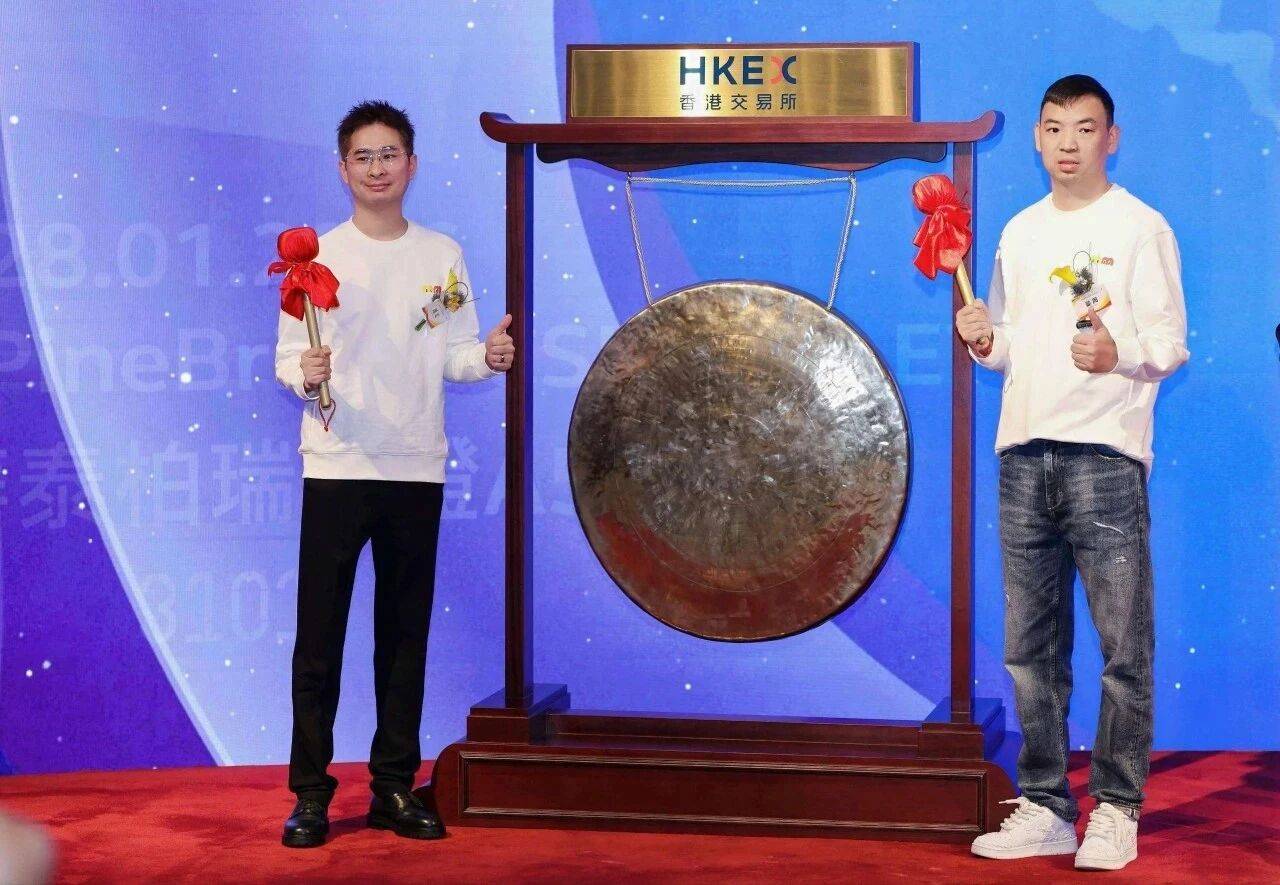
市值875亿!零食很忙港交所上市,开盘暴涨88.88%,碾压三只松鼠、卫龙登顶赛道
Sou Hu Cai Jing· 2026-02-09 01:58
Core Viewpoint - The successful IPO of "Snacks Are Busy" marks a significant milestone in the Chinese snack industry, reflecting the market's recognition of the bulk snack retail model and its rapid growth potential [1][4][12]. Group 1: Company Performance - "Snacks Are Busy" debuted on the Hong Kong Stock Exchange at a price of 445 HKD, a substantial increase of 88.88% from its issue price, resulting in a market capitalization exceeding 952.75 billion HKD (approximately 875 billion RMB) [1]. - The company achieved a GMV (Gross Merchandise Volume) of 661 billion RMB in the first three quarters of 2025, positioning it as the largest leisure food chain retailer in China [4][10]. - From 2022 to 2024, the number of stores increased from 1,902 to 14,394, with revenue rising from 4.286 billion RMB to 39.344 billion RMB, reflecting a compound annual growth rate of 203% [10]. Group 2: Market Trends - The rise of the bulk snack model is reshaping the competitive landscape of the snack industry, with bulk snack stores capturing 37% of the market share in 2024, surpassing traditional supermarkets (22%) and e-commerce platforms (20%) [8]. - Approximately 80% of snack sales in China still occur through offline channels, highlighting the importance of bulk snack stores in the retail landscape [8]. Group 3: Competitive Landscape - The competitive environment is intensifying, with "Snacks Are Busy" facing challenges from rivals like Wanchen Group, which has over 15,000 stores and reported a revenue of 36.562 billion RMB in the first three quarters of 2025 [12]. - Both companies are expanding their product categories to include non-snack items, indicating a shift towards broader retail strategies [12]. Group 4: Operational Strategy - "Snacks Are Busy" employs a unique franchise model where 99.5% of revenue comes from product sales, minimizing franchise fees and enhancing franchisee engagement [11]. - The company has established a logistics network with 36 warehouses, reducing inventory turnover days to 11.6 days and ensuring standardized operations across stores [11]. Group 5: Challenges Ahead - Despite rapid growth, the company faces challenges such as increasing competition and pressure on profit margins, with gross margins fluctuating between 7.5% and 9.7% and net margins at 3.4% [12][14]. - The expansion rate of stores has significantly slowed, dropping from 246.21% to 46.02% between 2023 and 2025, indicating potential difficulties in sustaining growth [14]. Group 6: Future Outlook - The overall market for food and beverage retail in China is projected to grow from 7.1 trillion RMB in 2024 to 8.7 trillion RMB by 2029, with a compound annual growth rate of only 4.3% [16]. - "Snacks Are Busy" aims to address sustainability in its low-margin model and manage the complexities of expanding into new product categories, which will be crucial for its long-term success [16].

鸣鸣很忙上市背后:量贩零食的狂欢与危机
Sou Hu Cai Jing· 2026-02-02 09:36
Core Insights - Hunan Mingming Henbang Commercial Chain Co., Ltd. successfully listed on the Hong Kong Stock Exchange on January 28, 2026, becoming the "first stock of bulk snack food," marking its entry into the capital market [2] - The company operates 21,041 stores as of the listing date, with revenues projected to grow from 42.86 billion yuan in 2022 to 393.44 billion yuan in 2024, reflecting a compound annual growth rate of 203.0% [2][6] - The unique business model, which includes supply chain efficiency, franchise expansion, and digital empowerment, supports its rapid growth [4] Business Model - Mingming Henbang's success is attributed to its "supply chain efficiency + franchise expansion + digital empowerment" closed-loop business model, with franchising being a crucial component [4] - The company employs a "light asset franchise" model with low entry barriers, including zero franchise fees, management fees, training fees, service fees, and renovation profits, facilitating rapid store expansion [5] - From 2022 to Q3 2025, the number of stores grew from 1,902 to nearly 20,000, showcasing impressive expansion speed [6] Pricing and Supply Chain - The average price of Mingming Henbang's products is approximately 25% lower than similar products in offline supermarkets, enhancing its presence in lower-tier markets [7] - The company has restructured its supply chain by adopting a "factory-direct to store" model, collaborating with over 2,500 food enterprises to eliminate intermediaries and gain strong bargaining power [8] - As of the end of 2024, the company offers 3,380 SKUs, with each store maintaining at least 1,800 SKUs, significantly exceeding traditional supermarkets [8] Target Demographic - Over 60% of the snack consumption market is dominated by the "post-90s" and "post-00s" generations, whose consumption preferences have shifted towards value for money, emotional value, and situational consumption [9] - Young consumers are increasingly rational and practical, seeking cost-effective options, which aligns with Mingming Henbang's low-price strategy [9][10] - The diverse product range meets the varied and personalized needs of young consumers, with a flexible purchasing model that reduces waste [11] Market Challenges - Despite its success, Mingming Henbang faces challenges such as intensified industry competition, supply chain pressures, and evolving consumer demands post-IPO [3][14] - The snack food sector has transitioned from a blue ocean to a red ocean, with numerous brands entering the market, leading to fierce competition [14] - The industry suffers from severe product homogeneity, making it difficult for brands to maintain a competitive edge [14] Supply Chain and Cost Management - The expansion of stores increases procurement, warehousing, and distribution complexities, which could erode profit margins if not managed properly [15] - Fluctuations in raw material prices, such as nuts, which have seen increases of over 30%, pose additional challenges for maintaining low prices [15] - The light franchise model, while accelerating growth, presents management challenges, as increased store numbers may lead to inconsistent quality and service [15]
鸣鸣很忙国配获超44倍认购创近年来港股消费IPO之最,募资总额达36.7亿港元
IPO早知道· 2026-01-27 14:43
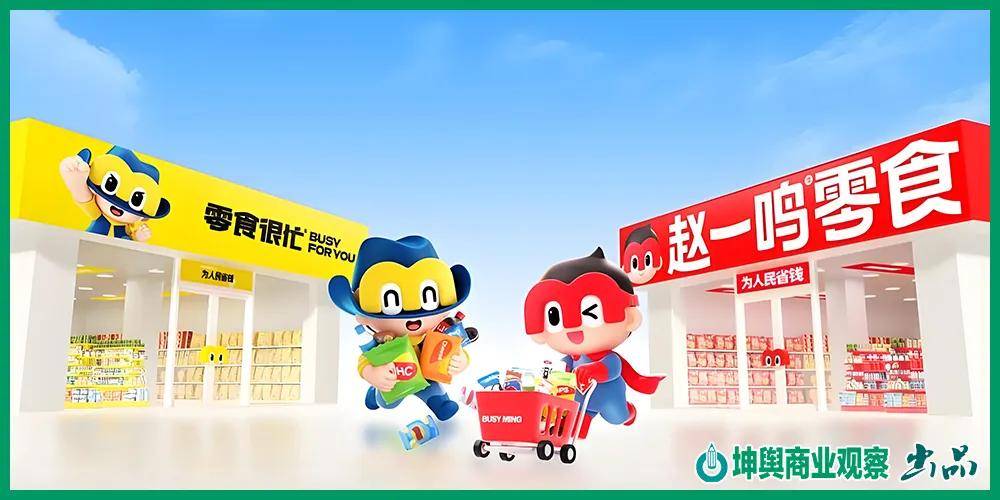
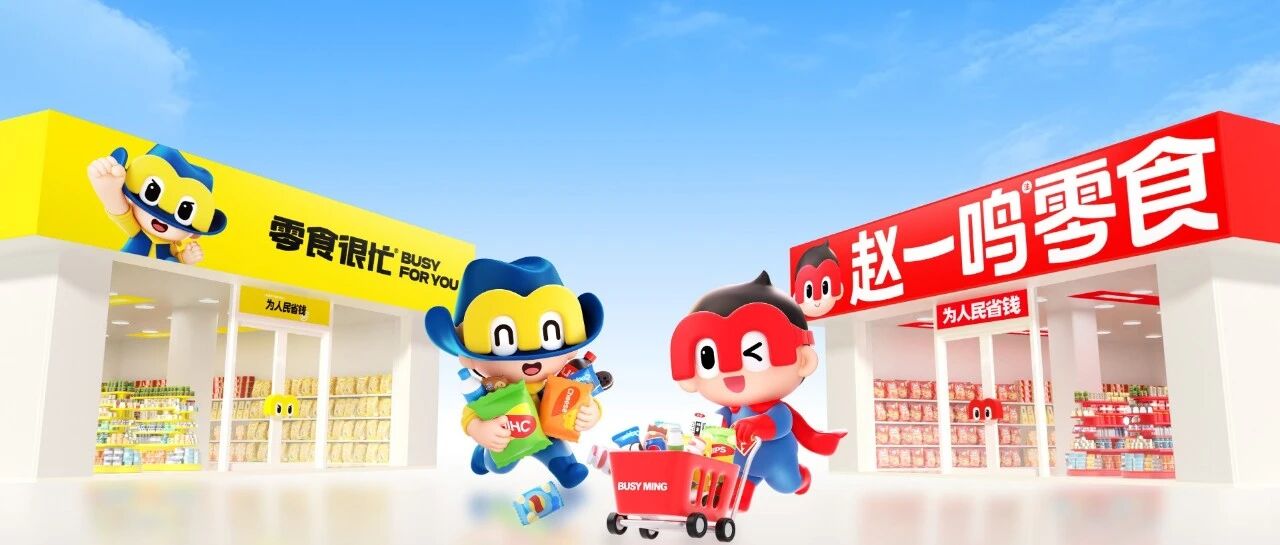
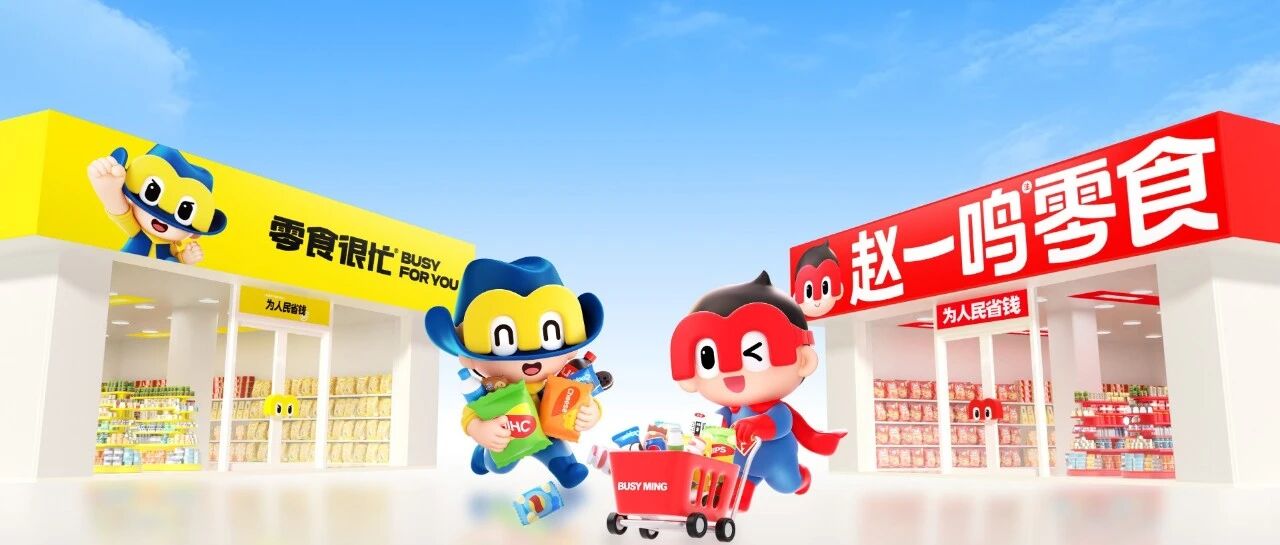
Core Viewpoint - Hunan Mingming Hen Mang Commercial Chain Co., Ltd. is set to become the first "bulk snack stock" in Hong Kong, having raised a total of HKD 3.67 billion through its IPO, with significant oversubscription rates in both public and international offerings [2][3]. Group 1: IPO Details - The company issued a total of 15,511,200 H-shares, with a public offering oversubscription rate of 1,899.49 times and an international offering oversubscription rate of 44.44 times, marking one of the highest rates for consumer IPOs in recent years [2][3]. - The total funds raised of HKD 3.67 billion surpassed the fundraising amounts of previous consumer IPOs, such as Mixue Ice City [2][3]. Group 2: Investor Participation - The IPO attracted a prestigious lineup of cornerstone investors, with eight investors collectively subscribing approximately USD 195 million, including Tencent and Temasek, each investing USD 45 million [3][4]. - Other notable investors included BlackRock, Fidelity, and various domestic and international asset management firms [3][4]. Group 3: Business Model and Operations - As the largest leisure food and beverage retail chain in China, the company operates under two brands, "Snacks Are Busy" and "Zhao Yiming Snacks," enhancing operational efficiency through a unified organizational structure [4][5]. - By September 30, 2025, the company had 19,517 stores across 28 provinces and all tiered cities in China, with plans to exceed 20,000 stores [4][5]. Group 4: Financial Performance - For the first three quarters of 2025, the company reported revenue of RMB 46.371 billion, a year-on-year increase of 75.2%, and an adjusted net profit of RMB 1.81 billion, reflecting a significant growth of 240.8% [7]. - From 2022 to 2024, revenue grew from RMB 4.286 billion to RMB 39.344 billion, with a compound annual growth rate (CAGR) of 203%, while adjusted net profit increased from RMB 0.081 billion to RMB 0.913 billion, achieving a CAGR of 234.6% [7]. Group 5: Market Position and Growth Potential - The Chinese leisure food retail market is projected to grow from RMB 3.7 trillion in 2024 to RMB 4.9 trillion by 2029, positioning the company as a unique investment opportunity in the Hong Kong market due to its scale advantages and supply chain barriers [7].
鸣鸣很忙今起招股:获腾讯、淡马锡、贝莱德、富达等豪华基石阵容约2亿美元认购
IPO早知道· 2026-01-20 00:35
Core Viewpoint - Hunan Mingming Hen Mang Commercial Chain Co., Ltd. plans to launch its IPO, aiming to become the "first stock of bulk snack food" in Hong Kong, with a fundraising target between HKD 32.37 billion and HKD 33.36 billion, and a market valuation between HKD 491.58 billion and HKD 506.56 billion [2][8]. Group 1: IPO Details - The IPO will issue 14,101,100 H-shares, with 1,410,200 shares available for public offering in Hong Kong and 12,690,900 shares for international offering [2]. - The price range for the shares is set between HKD 229.60 and HKD 236.60 [2]. Group 2: Investor Participation - The IPO has attracted a prestigious cornerstone investor lineup, with eight investors committing approximately USD 195 million, including Tencent and Temasek, each investing USD 45 million [3][4]. - Other notable investors include BlackRock with USD 35 million and Fidelity with USD 30 million [3]. Group 3: Business Model and Market Position - Mingming Hen Mang is the largest leisure food and beverage retail chain in China, operating under the brands "Snacks Are Busy" and "Zhao Yiming Snacks," with a focus on integrated operations and standardized management [5]. - As of September 30, 2025, the company operates 19,517 stores across 28 provinces and all tiered cities in China, aiming to exceed 20,000 stores by 2025 [5]. Group 4: Financial Performance - For the first three quarters of 2025, the company reported a revenue of RMB 46.371 billion, a year-on-year increase of 75.2%, and an adjusted net profit of RMB 1.81 billion, up 240.8% [8]. - From 2022 to 2024, revenue grew from RMB 4.286 billion to RMB 39.344 billion, with a compound annual growth rate (CAGR) of 203% [8]. Group 5: Supply Chain and Digitalization - The company has established partnerships with over 2,500 quality manufacturers, achieving a 24-hour efficient replenishment system supported by a robust supply chain [6]. - Mingming Hen Mang has developed comprehensive digital capabilities across its operations, enhancing efficiency and standardization, and is recognized for its innovative use of data in supply chain management [7].
从双强视角看行业发展:量贩零食行业深度研究:从豆蔻时代,到万里繁花
Changjiang Securities· 2026-01-18 14:24
Investment Rating - The report maintains a "Positive" investment rating for the industry [11] Core Insights - The bulk snack industry has successfully captured current consumer trends through "extreme cost performance" and "efficient supply chains," leading to a stable "dual strong" market structure with significant scale effects for leading companies [4][6] - The market for leisure food and beverages is expected to approach 4 trillion yuan by 2025, with a compound annual growth rate (CAGR) of over single digits from 2025 to 2029 [6][30] - The two leading companies, Mingming and Wancheng, have established themselves as industry champions, with Mingming showing stronger profitability and Wancheng focusing on operational efficiency and turnover speed [4][7] Market Structure and Growth - The snack industry is transitioning from fragmented operations to brand and chain development, entering an innovative phase represented by bulk snack stores [19][21] - The leisure food and beverage market is projected to grow significantly, with the down-market segment expected to see a growth rate of 6.8% from 2024 to 2029, surpassing the high-line market's 4.1% [6][33] - The retail market for bulk snacks is expected to exceed 200 billion yuan by 2025, with significant contributions from lower-tier markets [36][38] Company Performance - As of mid-2025, both leading companies have over 15,000 stores, with Mingming's store count reaching 21,041 by November 2025, while Wancheng is enhancing its presence in lower-tier markets [7][54] - Mingming has approximately 180 million registered members, with a repurchase rate of about 77%, while Wancheng has over 150 million registered members and an average monthly purchase frequency of 2.9 times [54][55] - Profitability for both companies is improving, with Mingming's gross margin at 9.7% and Wancheng's at 11.7% for the first three quarters of 2025 [8][55] Future Outlook - The report suggests that the future growth of bulk snack companies will rely on scale effects and operational efficiency, with potential for category expansion and overseas market penetration [9][30] - The Southeast Asian snack and beverage market is projected to reach approximately 48.4 billion USD by 2025, presenting opportunities for Chinese snack companies to expand internationally [9][30]
量贩零食头部企业齐谋上市,行业体量仍在扩大但模式天花板已现
Di Yi Cai Jing· 2026-01-08 01:33
Core Insights - The snack retail industry, particularly the bulk snack store model, has rapidly transformed the domestic snack retail ecosystem in China, with leading companies preparing for IPOs on the Hong Kong Stock Exchange [1][2] Group 1: Industry Overview - The bulk snack store model has become one of the most common retail formats in commercial areas, alongside milk tea shops [1] - The industry is experiencing intense competition, with innovation in business models and supply chain capabilities being crucial for future success [2] - The bulk snack industry is projected to grow significantly, with estimates suggesting over 56,000 stores by 2025 and a sales scale reaching 220 billion RMB [4] Group 2: Company Performance - Hunan Mingming Hen Mang Commercial Chain Co., Ltd. (Mingming Hen Mang) is set to become the first bulk snack stock on the Hong Kong Stock Exchange, reporting a GMV of 66.1 billion RMB for the nine months ending September 30, 2025, a 74.5% year-on-year increase [2] - Mingming Hen Mang's revenue for the first three quarters of 2025 reached 46.371 billion RMB, up 75.2% year-on-year, with a net profit of 1.559 billion RMB, reflecting a 218% increase [3] - Wanchen Group, the parent company of another leading brand, Hao Xiang Lai, reported a revenue of 36.562 billion RMB for the same period, a 77% increase, with a net profit of 855 million RMB, up 917% [3] Group 3: Market Dynamics - The bulk snack model is characterized by low prices and streamlined supply chains, allowing it to capture increasing market share, prompting traditional snack companies to adjust their pricing strategies [3] - The competition is expected to intensify in 2024, with leading companies increasing store openings and engaging in price wars to accelerate expansion [4] - There is a significant opportunity for further store openings, with over 50% potential growth remaining for leading bulk snack companies [4] Group 4: Challenges and Limitations - Despite the industry's growth potential, the bulk snack model faces limitations, including a lack of technological depth and vulnerability to imitation, which could lead to price wars [5] - Future competitive advantages will depend on innovation in flavors and product categories, as well as technological advancements [5]
港股“量贩零食第一股”要来了?鸣鸣很忙通过聆讯
Xin Jing Bao· 2026-01-07 03:04
Group 1 - The core viewpoint of the article is that Hunan Mingming Hen Mang Commercial Chain Co., Ltd. is set to become the first "bulk snack stock" in Hong Kong after passing the listing hearing at the Hong Kong Stock Exchange [1] - The company was formed by the merger of "Snacks Hen Mang," established in March 2017, and "Zhao Yiming Snacks," founded in January 2019, which completed their merger in November 2023 [1] - Mingming Hen Mang aims to address pain points in China's leisure food and beverage retail industry by implementing a bulk sales model that enhances user product demand and improves supply chain efficiency [1] Group 2 - The company has accumulated deep insights into consumer demand through its bulk sales model, allowing for product selection and customization [2] - As of the first three quarters of 2025, the company achieved a retail sales volume (GMV) of 66.1 billion yuan, a year-on-year increase of 74.5%, surpassing the total for 2024 [2] - By September 30, 2025, the company operated 19,517 stores across 28 provinces, with a revenue of 46.371 billion yuan, reflecting a 75.2% year-on-year growth, and an adjusted net profit of 1.81 billion yuan, up 240.8% [2]
万辰集团(300972):首次覆盖报告:量贩零食龙头加速成长,向上势能强劲
Shanghai Aijian Securities· 2025-12-24 07:58
Investment Rating - The report assigns a "Buy" rating for the company, marking its first coverage [2][3]. Core Insights - The company, a leader in the snack retail industry, has established a strong position through a network of over 15,000 stores, leveraging supply chain scale effects to thrive in a rapidly changing market. Revenue projections for 2025, 2026, and 2027 are estimated at 497.2 billion, 625.1 billion, and 715.8 billion yuan, respectively, with year-on-year growth rates of 53.8%, 25.7%, and 14.5%. Net profit attributable to shareholders is expected to reach 10.7 billion, 17.5 billion, and 24.0 billion yuan, reflecting growth rates of 266.0%, 63.2%, and 36.7% [3][5]. Summary by Sections Investment Rating and Valuation - The company is rated "Buy" based on its leading position in the snack retail sector and robust revenue growth forecasts. The estimated price-to-earnings (PE) ratios for 2025, 2026, and 2027 are 32.5X, 19.9X, and 14.6X, respectively [2][3]. Industry and Company Analysis - Originally focused on edible fungi, the company entered the snack retail market in 2022 through acquisitions, rapidly increasing its revenue share from this segment to 98.9% by Q1-Q3 2025. The snack retail market in China has grown from 21.1 billion yuan in 2019 to 80.9 billion yuan in 2023, with a compound annual growth rate (CAGR) of approximately 40%, and is projected to reach 123.9 billion yuan by 2025 [3][5]. Key Assumptions - The company plans to maintain a steady pace of store expansion, with the number of stores expected to reach 18,000, 21,000, and 22,500 by the end of 2025, 2026, and 2027, respectively. Single-store revenue is projected to stabilize and grow, with estimates of 273.2, 295.1, and 315.7 thousand yuan for the same years [3][5]. Market Dynamics - The company is positioned to benefit from ongoing expansion in the East China region and penetration into untapped areas. The number of stores in East China reached 8,727 in H1 2025, contributing significantly to profits. The company’s supply chain infrastructure, including a 90,000 square meter warehouse system, provides a competitive edge [5][3]. Financial Projections - Total revenue is projected to grow significantly, with estimates of 9.3 billion yuan in 2023, increasing to 71.6 billion yuan by 2027. The net profit is expected to turn positive by 2024, reaching 3.4 billion yuan by 2027 [5][24].
万辰集团(300972) - 福建万辰生物科技集团股份有限公司投资者关系活动记录表
2025-11-26 12:24
Group 1: Business Performance and Strategy - The company maintains a balance between store quality and quantity, focusing on steady development and improving single-store performance gradually [2] - The consumer demand-driven model effectively addresses profit loss from traditional distribution channels, enhancing product quality and store experience [2] - The company aims for sustainable growth by continuously improving its operational system and integrating supply chains [3] Group 2: Store Improvement and Customer Engagement - The company emphasizes food safety and product innovation, enhancing core competitive advantages through product iteration and the introduction of popular self-owned products [3] - Efforts to refine the membership system have successfully increased customer loyalty and repurchase rates [3] - The company is committed to building a strong trust relationship with consumers to convert it into stable foot traffic [4] Group 3: Product Development and Market Adaptation - The company focuses on consumer needs in its self-owned brand strategy, introducing products like natural water and sugar-free beverages that meet market demands [5] - Future product development will be guided by a flexible mechanism rather than rigid quantitative targets, ensuring responsiveness to consumer insights [5] Group 4: Inventory Management and Profitability - The core business model relies on efficient turnover, with a focus on precise product selection and rapid response to consumer needs [6][7] - The company prioritizes dynamic balance in product categories, avoiding the introduction of high-margin but slow-turnover items that could jeopardize sustainable growth [7] Group 5: Organizational Structure - The core management team for the snack business remains stable, with ongoing enhancements to the overall structure and active recruitment of talent across all levels [7]