
神经技术

Search documents
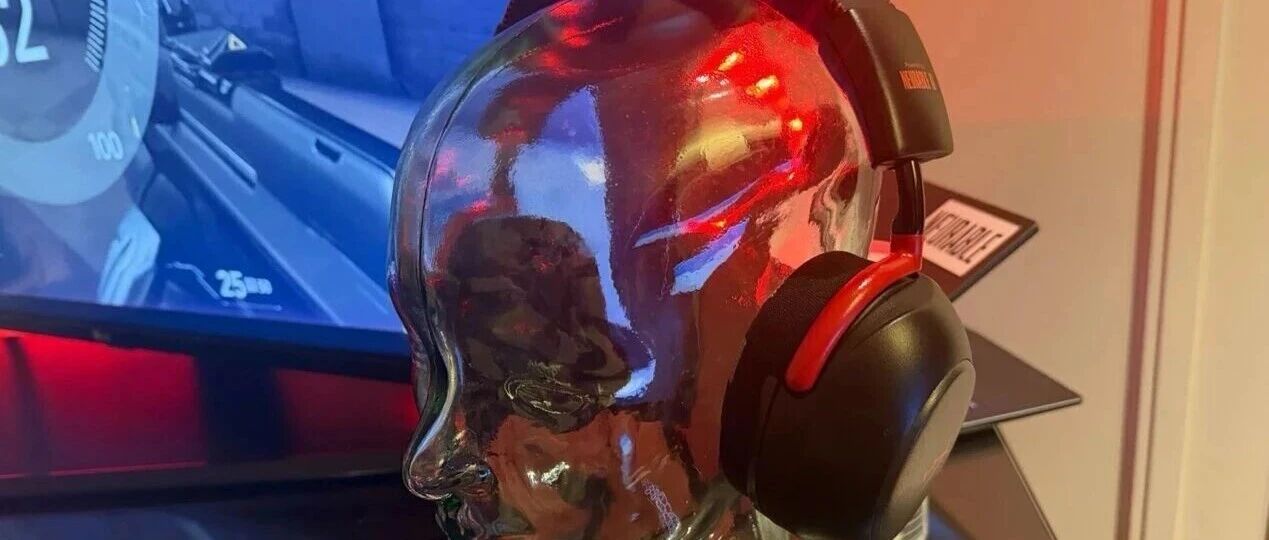
CES 2026 上最狠的电竞外设,Neurable 把脑机接口做进无线耳机
深思SenseAI· 2026-01-08 02:37
Core Insights - Neurable announced a strategic partnership with HP's gaming brand HyperX to develop the industry's first gaming headset integrated with neural technology, combining AI and non-invasive sensors to interpret EEG signals in real-time during gameplay [1][3]. Product Development - The new headset utilizes Neurable's micro brain-computer interface (BCI) technology, allowing for a thinner, lighter, and more discreet design compared to traditional EEG devices, enhancing user experience [3][9]. - Neurable's previous collaboration with Master & Dynamic in 2024 resulted in the MW75 Neuro LT, a high-end headset that also incorporated EEG technology, showcasing the company's commitment to miniaturizing and wearable EEG sensors [9]. Performance Improvement - Initial studies indicated that Neurable's neural feedback system, Prime, significantly improved performance metrics for semi-professional esports players, with average reaction times decreasing by 43 milliseconds and hit rates increasing by 0.53% [3]. - Among university and professional esports players, improvements were even more pronounced, with hit rates increasing by nearly 3% and reaction times shortening by 38 milliseconds [3]. User Experience - A journalist's experience with the Prime training process demonstrated the system's ability to help users achieve a focused state, although individual results may vary [4][6]. - The system also provides attention regulation strategies, although effectiveness may differ among users [6]. Market Potential - The gaming wearable market is projected to grow from approximately $5 billion to $20 billion by 2034, indicating a significant shift towards integrating neural data processing in gaming peripherals [23]. - Neurable's technology positions neural monitoring as a next-generation essential tool for competitive gaming, moving beyond traditional audio and tactile peripherals [23].

深圳医学科学研究院i-BRAIN纳米制造设施招聘高级工程师,推动脑机接口发展
生物世界· 2026-01-05 08:30
Core Insights - Shenzhen Medical Academy of Research and Translation (SMART) aims to pave new paths in future medical science by fostering original innovation and developing a top-tier talent team to address urgent challenges in healthcare [3] - SMART employs a comprehensive approach to break down barriers between clinical medicine, basic research, and industrial transformation, positioning Shenzhen as a hub for biomedical science [3] Group 1: Organizational Overview - SMART is dedicated to transforming scientific technology into public health, emphasizing the importance of innovation in biomedical research [3] - The organization is rooted in Shenzhen and aspires to make the city a gathering place for talent and a powerful force in global biomedical science [3] Group 2: Job Overview - The i-BRAIN Nanofabrication Facility at SMART is a world-class international facility supporting cutting-edge brain-computer interface (BCI) and neurotechnology research [6] - The facility is seeking proactive senior engineers to lead in one of four technical areas, focusing on process development, tool operation, and user training [6] Group 3: Responsibilities and Qualifications - Key responsibilities include process development and optimization, equipment operation and maintenance, and collaboration for facility support [9][10] - Candidates should have a bachelor's degree or higher in relevant fields, with a minimum of 5 years of hands-on experience in cleanroom environments and expertise in areas such as EBL, DUV Stepper, Photolithography, or PVD/Metrology [13][11] Group 4: Benefits of Joining - Joining SMART offers the opportunity to contribute directly to transformative BCI and medical device development, work with advanced lithography and deposition systems, and be part of a global team shaping the future of neurotechnology [18]

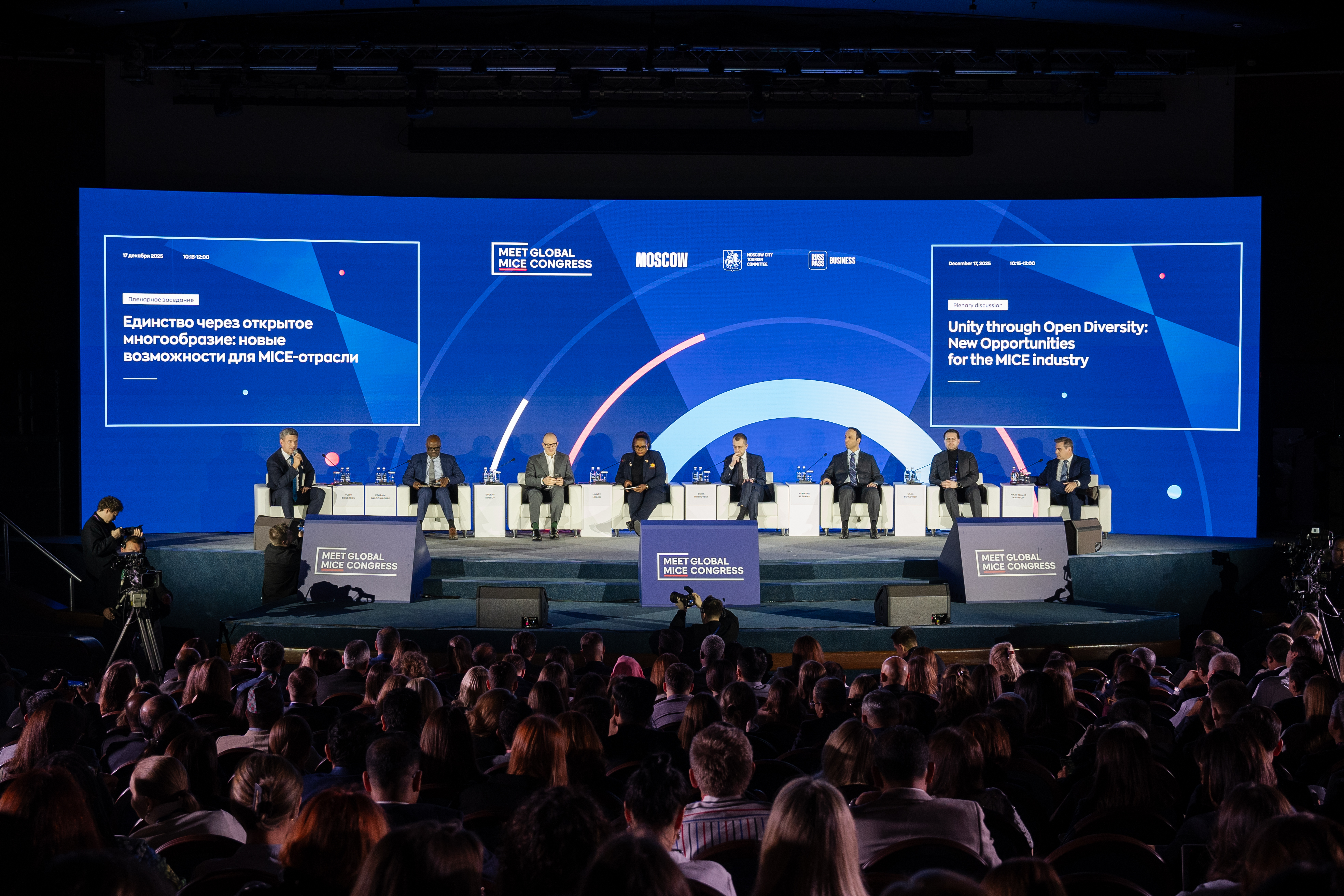
第三届全球会展大会(Meet Global MICE Congress)在莫斯科成功举办 2025年参会人数同比增长一倍
Cai Fu Zai Xian· 2025-12-22 03:00
Core Insights - The successful hosting of the international conference highlights Moscow's significant position as a global hub for business tourism and the MICE (Meetings, Incentives, Conferences, and Exhibitions) industry [1][3] - The conference attracted over 2,500 participants from 37 countries, doubling the attendance compared to the previous edition, showcasing the growing international influence and appeal of the forum [3][6] - The event featured diverse activities focusing on the development of MICE destinations, evaluation of business activities, trends in experiential economy, and the future application of neurotechnology in the industry [1][10] Participation and Representation - The conference saw active participation from the Chinese market, with 41 representatives from the MICE tourism sector attending, reflecting the importance of international professional exchange platforms for Chinese enterprises [1][3] - High-level attendees included approximately 70% executives and decision-makers, facilitating direct cooperation intentions and partnerships during the event [3][11] - Notable international figures from various countries, including China, India, and Qatar, were present, indicating the forum's broad international influence [5][11] Business Networking and Discussions - Over 8,000 business negotiations took place during the event, focusing on establishing new partnerships and expanding client resources [6][11] - The conference included 15 business thematic meetings covering key topics such as meetings and exhibitions, destination and industry associations, global trends, and technological innovations [8][10] - Discussions centered on personalized services, gamified experiences, and the impact of artificial intelligence and neurotechnology on the MICE industry [10][11] Exhibition and Promotion - The exhibition area featured over 130 participating organizations from BRICS and "Global South" countries, highlighting the potential for emerging market development [11][13] - Special thematic booths showcased local brands and city-specific projects, drawing significant attention from attendees [11][13] - The event aimed to enhance Moscow's image as an attractive destination for international tourism and business, with a focus on promoting the city's tourism resources [13]
联合国教科文组织通过首个神经技术伦理建议书
Xin Hua She· 2025-11-06 02:35
Core Viewpoint - The UNESCO member states have officially adopted the first global ethical framework for neurotechnology, titled "Recommendations on Ethical Issues in Neurotechnology," aimed at ensuring the technology benefits those in need while protecting human rights [1]. Group 1: Neurotechnology Overview - Neurotechnology includes tools that interact directly with the nervous system to measure, regulate, or stimulate it, with significant potential in the medical field [1]. - Applications such as deep brain stimulation can alleviate symptoms of depression and Parkinson's disease, while brain-machine interfaces enable disabled individuals to control prosthetics or communicate through thought [1]. Group 2: Regulatory and Ethical Considerations - Despite strict regulations in medical applications, there is a lack of standards in other areas where consumers use neurotechnology through everyday devices like smart headbands and headphones [1]. - The collected sensitive data from these devices can potentially reveal thoughts, emotions, and reactions, raising concerns about unauthorized sharing [1]. - The recommendations urge governments to ensure inclusivity and affordability of neurotechnology while establishing protections for the inviolability of human thought [1]. Group 3: Risks and Limitations - The framework highlights risks associated with neurotechnology, particularly recommending that its use in children and adolescents, whose brains are still developing, be limited to therapeutic purposes [1]. - It warns against using neurotechnology in workplaces to monitor productivity or create employee data profiles, emphasizing the need for explicit consent and transparency [1].
ONWARD Medical Receives FDA IDE Approval to Initiate the Empower BP Pivotal Study with the ARC-IM System
Globenewswire· 2025-08-18 16:30
Core Viewpoint - ONWARD Medical N.V. has received FDA approval for an investigational device exemption for its ARC-IM System, enabling the initiation of the Empower BP pivotal study to evaluate the safety and efficacy of its implantable spinal stimulation system for managing blood pressure instability after spinal cord injury (SCI) [2][7]. Group 1: Study Details - The Empower BP study is the second global pivotal study for ONWARD and the first to assess the ARC-IM System, involving approximately 20 leading neurorehabilitation and neurosurgical centers across the US, Canada, and Europe, with patient enrollment expected by year-end [3][7]. - The study will focus on participants with spinal cord injuries at levels C2-T6, with injury severities of AIS A-D, and those experiencing chronic orthostatic hypotension and episodes of autonomic dysreflexia [3]. Group 2: Market Need and Impact - Over 50% of individuals with SCI experience blood pressure instability, affecting nearly 350,000 people in the US and Europe, which can threaten neurological recovery and negatively impact cardiovascular health and quality of life [4][5]. - Addressing blood pressure instability is critical for improving long-term outcomes for SCI patients, as it is a significant but often unrecognized complication that can lead to increased cardiovascular disease risk [5][8]. Group 3: Technology Overview - The ARC-IM System is an implanted neuromodulation platform designed to deliver targeted spinal cord stimulation, specifically aimed at managing blood pressure instability in SCI patients [5][9]. - The system includes the ONWARD Neurostimulator and the ARC-IM Thoracic Lead, which is optimized for placement in the thoracic spinal cord's "Hemodynamic Hotspot," a location identified through research partnerships [5][6]. Group 4: Previous Results and Future Outlook - In December 2022, ONWARD announced positive interim clinical results from feasibility studies showing improved blood pressure regulation and hemodynamic stability after SCI, with participants reporting enhanced well-being and reduced symptoms of orthostatic hypotension [6]. - The FDA has awarded ONWARD one of its 10 Breakthrough Device Designations for the ARC-IM System, indicating its potential to address significant unmet medical needs and providing regulatory and reimbursement advantages [8].
不对标马斯克,脑机接口的故事还能怎么讲?
Hu Xiu· 2025-07-26 02:16
Core Insights - The article highlights the significant advancements and investments in the brain-computer interface (BCI) industry, particularly in China, where policies and clinical trials are paving the way for commercialization [1][16][26]. Group 1: Industry Developments - The BCI technology has been recognized as one of the ten landmark products for future industries, with specific pricing standards established for medical services related to BCI [1]. - Several startups in the BCI space are transitioning from laboratory research to clinical trials, with hospitals across the country beginning to establish clinical research wards for various neurological conditions [1][16]. - The year 2025 is anticipated to be a pivotal year for the BCI industry in China, marking the beginning of large-scale clinical trials for fully implanted micro-systems [1][15]. Group 2: Investment Trends - Investment in the BCI sector surged in 2022, with notable funding rounds, including Neuralink's $650 million financing, which raised its valuation to $9 billion [4]. - New investors from the TMT medical sector are entering the BCI market, driven by optimism about new technologies and the potential for high returns [5][6]. - The influx of capital and supportive policies have encouraged major hospitals to participate in BCI research and development [6][26]. Group 3: Challenges and Perspectives - Companies in the BCI field face significant challenges, including the need for continuous funding to support clinical trials and product development [12][22]. - The industry is experiencing a "淘汰赛" (elimination race), where companies must demonstrate clinical progress and secure funding to survive [27]. - There is a growing concern among BCI entrepreneurs about the sustainability of their businesses amid rising competition and the need for substantial investment [22][29]. Group 4: Clinical Applications and Future Outlook - BCI technology has the potential to treat various neurological disorders, with a focus on developing systems that can provide real-time monitoring and support during surgeries [46][47]. - The article emphasizes the importance of practical applications and the need for BCI products to prove their effectiveness in clinical settings [50][52]. - The long-term vision for BCI technology is to create high-performance medical devices that can significantly improve the quality of life for patients with neurological conditions [52][53].