深思SenseAI

Search documents
海外火了!这款硬件让你的"龙虾"第一次有了身体!
深思SenseAI· 2026-03-27 09:53
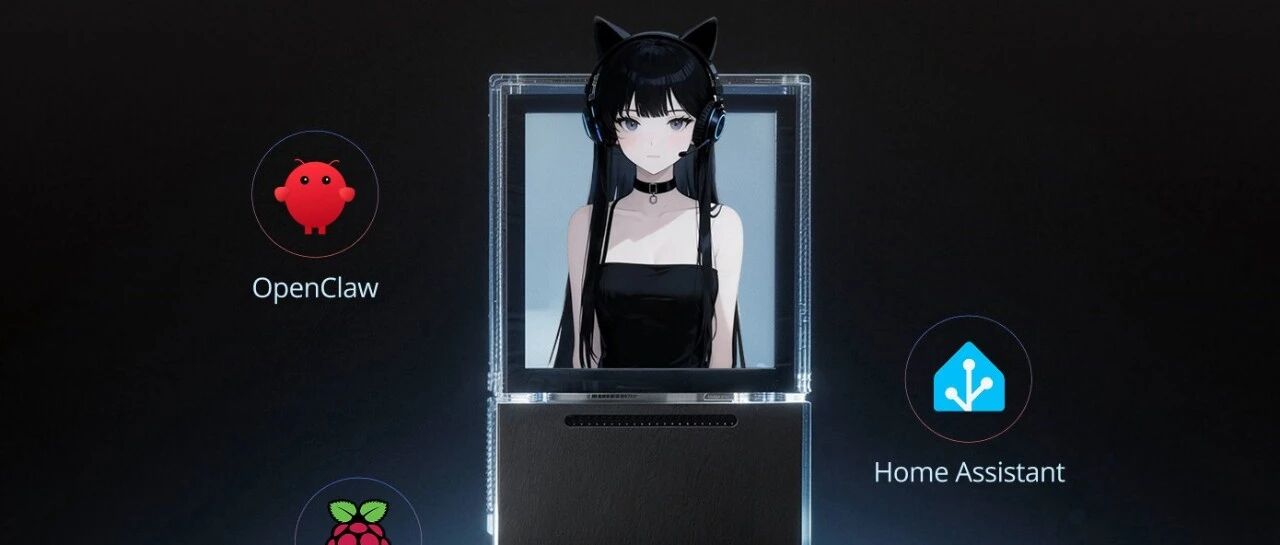
最近,Kickstarter 上一个叫 ClawStage 的小方块,把不少人的"好奇心"给勾起来了。 刚刚上线,就已经快速 冲破20万美元, 目前仍在飞速增长 ! 据官网披露,ClawStage是一个放在桌上、长了"眼睛"和"脑子"的小方块。 它最吸引我的地方,在于 "让云端的 AI 有了躯体" 。这背后,藏着一套叫 OpenClaw 的自托管 AI 框架 ,还有我们熟悉的 Raspberry Pi 5 硬件支撑。 以前 OpenClaw 只是活在代码和屏幕里的灵魂, 虽然聪明但总觉得隔着一层冰冷的屏幕。 如今有了ClawStage,它进到这个实体盒子里,有了"身体", 也有了可以 和你对视的眼神 。 这也让人不禁开始思考一个很具体的画面:当这个有"记性"、有"眼神"、甚至能帮你分担脑力的小方块真正住进你的桌角, 像个老友一样陪你开启每一天时 ,是否 会发生一些我们过去从未想象过的"桌面新常态"? 01 你的"第二大脑" 很多人工作时的常态是这样的:主屏幕上开着几十个标签页,手头正忙着赶一份 PPT,但心里总想着另一件事。 可能是某个项目的最新进展,或者是某个正在刷屏热点。你不得不每隔几分钟就切一下窗口,或 ...

当所有人都在讲Ego视频,这里有全球首款AI数采眼镜
深思SenseAI· 2026-03-23 08:18
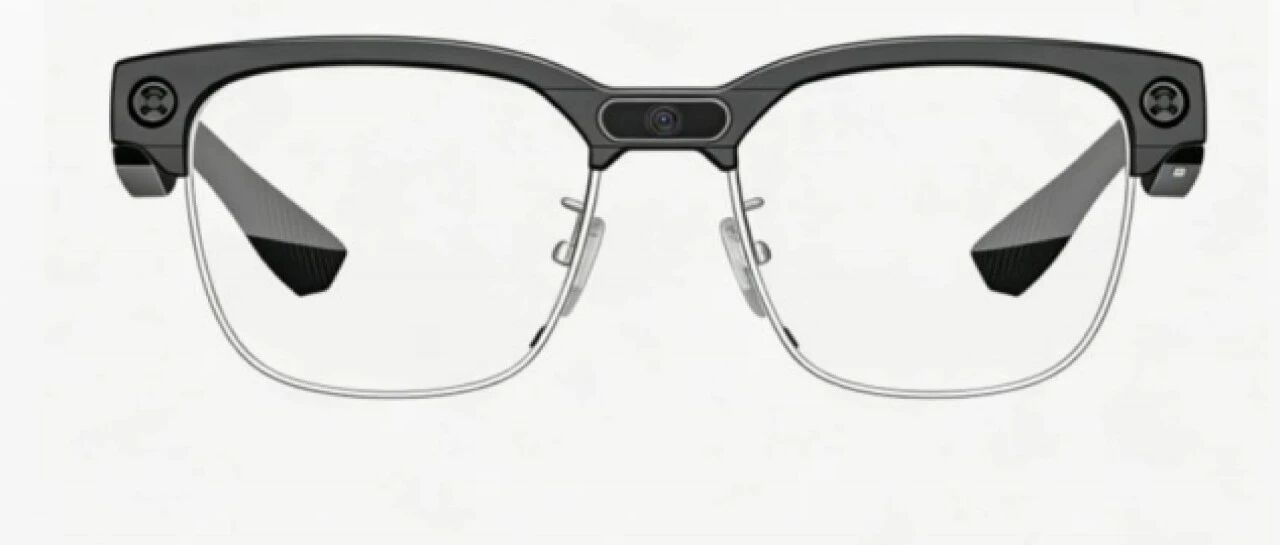
2026 年开春,具身智能行业的风向出现了一次集体转弯。 编者荐语: AI眼镜是第一性原理出发解决第一视角人类具身数据采集的关键终端,成本更低,采集更无感。幂特以稀缺的纯视 频毫米级动捕眼镜终端技术栈,完善的数据管线能力,正在通过数据即智能的路径加速具身时代的到来。 以下文章来源于具身纪元 ,作者Marilyn Liu 具身纪元 . 见证具身浪潮,书写智能新纪元 英伟达一系列文章将视频数据推向高峰,Build AI 一口气开源了上万小时的 Ego 视频。 几乎在同一个季度, 头部玩家不约而同地把筹码压在了同一个方向:人类视频。 因为人类视频相对于任何一种采集方式来说都是最简单,最容易scale up的,最有前景做到无感采集,不影响操作者的生活从而带来 源源不断地数据。 互联网上有近乎无穷的人类操作视频,如果能把它们变成机器人可用的训练数据, 具身智能最大的瓶颈就有了一个看起来很性感的 解法。 但如果你去问真正在做 视频数据的团队 ,得到的回答往往是同一句话:视频很多, 但也没有那么容易用。 热起来的是概念, 但还有很多工程上的问题需要解决 。 行业为什么突然重新盯上视频数据 就像我们在上一篇深度文章说的那样, ...
黄仁勋 2026 GTC 演讲全解析
深思SenseAI· 2026-03-18 06:59
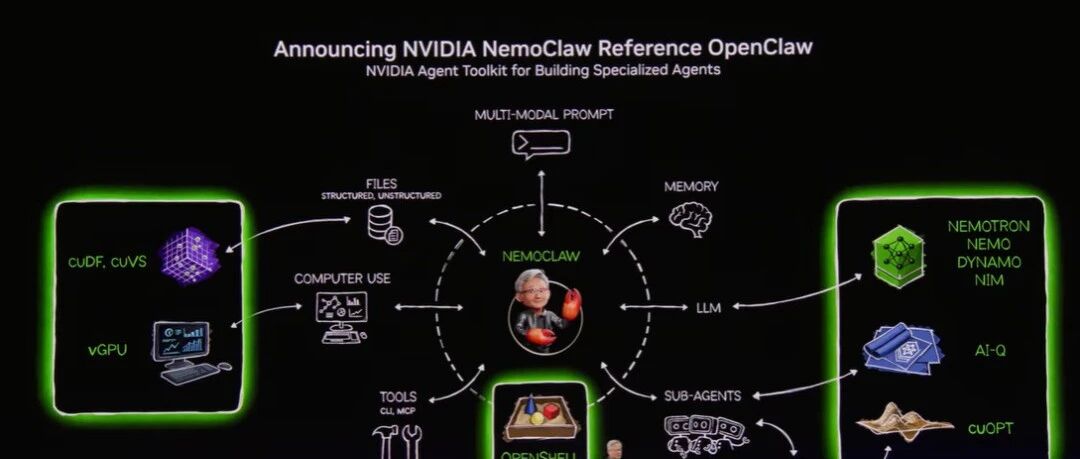
今年 GTC 的开场极其明确!NVIDIA 官方将 Token 定义为 AI 时代的基本单位。 黄仁勋强调过去两年是 AI 史上最重要的转折期。 ChatGPT 点燃生成式 AI 浪 潮,推理模型赋予了 AI 反思与规划能力,而 Codex 与 Cusor 等 AI 助手的问世,则让 AI 首度具备了真正"做事"的能力。这三个节点构成了 AI 从"感知 到 生成 到 推理 到 执行"的演化轴线。 在开场中, 黄仁勋宣示了 NVIDIA 战略声明。全栈五层架构:战略能源、芯片、基础设施、模型、应用。 核心观点速览: 未来基建: NVIDIA 正从芯片公司转型为基础设施级计算公司,通过 Omni verse DSX 平台重塑全球 AI 工厂。 01. CUDA 20年造就绝对护城河 NVIDIA 专注 CUDA 已经整整 20 年。黄仁勋称其为一项真正的革命性发明。其单指令多线程(SIMT)架构让开发者只需编写标量代码,就能轻松生成多线程 应用,这比传统的 SIMD 架构要简单得多。最近,CUDA 又加入了 tile 技术,极大地方便了开发者对张量核心进行编程,而这些数学结构正是今天人工智能的 坚实基础。 如今, ...

A16Z 合伙人解读2026年 TOP 100应用榜单背后的趋势
深思SenseAI· 2026-03-13 01:00
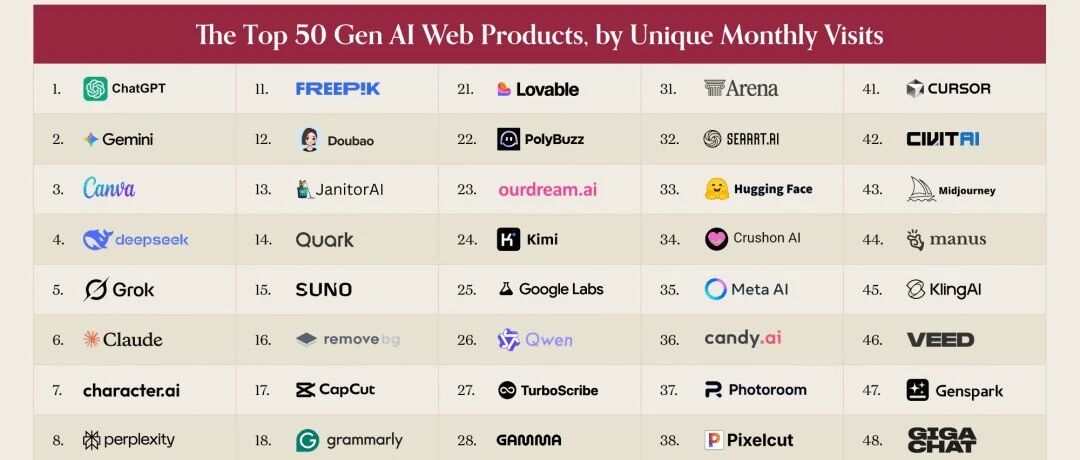
Core Insights - The AI industry is experiencing rapid growth, with significant competition emerging among major players like ChatGPT, Claude, and Gemini, indicating a shift from model capability to user scale wars [5][7][8] - The AI application landscape is diversifying, moving beyond traditional chat interfaces to include browsers, desktop applications, and creative software [3][6][20] - The global AI ecosystem is becoming fragmented, with different usage patterns emerging in markets like China, Russia, and India, while the US and China remain central to model development [13][15] Group 1: Competitive Landscape - ChatGPT remains the leading AI product, with a user base significantly larger than its competitors, having 2.7 times the web users of Gemini and nearly 30 times that of Claude [7][8] - Claude is gaining traction among professional users, focusing on collaboration and specialized applications, while Gemini excels in creative tools [8][9] - The competition is intensifying as platforms accumulate "composite advantages," making user acquisition critical for survival [5][6] Group 2: Application Trends - The report highlights the inclusion of non-AI-native products that have integrated AI features, such as Canva and Notion, indicating a broader application of AI in various tools [6] - AI usage is expanding beyond web and app interfaces, with new forms like AI browsers and desktop applications gaining popularity [20][22] - The emergence of AI agents, such as OpenClaw and Manus, signifies a new trend in consumer-level AI tools that can operate across multiple platforms [20][21] Group 3: Global AI Usage Patterns - The report reveals that Singapore ranks first in AI usage per capita, while the US is positioned at 20th, reflecting cultural attitudes towards AI and its integration into daily life [15][16] - In China and Russia, local AI ecosystems are thriving, with products like Doubao and GigaChat dominating due to regulatory and access constraints on Western models [13][15] - The report indicates a potential for tailored AI products in markets like India, where existing models do not adequately support diverse languages [15] Group 4: Future Directions - The concept of "memory" in AI products is emerging as a critical feature, enhancing user experience but also raising privacy concerns [24] - Voice interaction is expected to become mainstream, with predictions that voice assistants will significantly penetrate consumer markets within the next six to nine months [24] - The evolution of creative tools is shifting, with foundational models like ChatGPT and Gemini now capable of handling many image generation tasks, leading to a decline in standalone image generation tools [17][18]

SenseAI 荐读|2026年 A16Z GenAI 应用 Top 100
深思SenseAI· 2026-03-12 10:48
Core Insights - The latest A16Z Top 100 Generative AI Consumer Applications report reveals three significant structural shifts in the AI landscape, moving beyond mere rankings [1][3]. Group 1: Platform Evolution - ChatGPT and Claude have evolved from a model competition to two distinct platform species, with products like OpenClaw and Manus gaining real user traction [2][3]. - The AI battleground is shifting from browsers and standalone apps to native desktop tools, operating systems, and even hardware layers [3][66]. Group 2: Market Dynamics - The boundary between "AI-native" companies and traditional software players has blurred, with products like CapCut and Canva integrating AI as core experiences [6][8]. - ChatGPT remains the largest consumer AI product, with a significant lead over competitors like Gemini, boasting a weekly active user increase of 500 million to reach 900 million [8][15]. Group 3: User Engagement and Retention - ChatGPT's web traffic is 2.7 times that of Gemini, and its mobile monthly active users are 2.5 times higher, indicating strong user retention [8][15]. - The competitive landscape is intensifying, with Gemini and Claude experiencing rapid growth in paid subscriptions, although they still lag behind ChatGPT [15][19]. Group 4: Geographic Fragmentation - The AI market is fracturing into three distinct ecosystems, with Western tools primarily used in the U.S., India, Brazil, the U.K., and Indonesia, while facing restrictions in China and Russia [33][37]. - DeepSeek is notable for its cross-border appeal, with significant user bases in China, Russia, and the U.S., highlighting a shift in market dynamics [38]. Group 5: Creative Tools Transformation - The creative tools landscape is evolving, with traditional image generation tools losing dominance to video, music, and voice products [41][46]. - The rise of integrated AI capabilities in existing platforms, such as Google Workspace and Microsoft Office, is reshaping user engagement with creative tools [72][73]. Group 6: Emergence of Agentic AI - The trend towards Agentic AI is gaining momentum, with platforms like OpenClaw and Manus allowing users to delegate tasks to AI, marking a shift in user interaction [56][64]. - These platforms are competing with general-purpose AI assistants, as they offer more integrated and task-oriented experiences [65]. Group 7: AI Integration into Browsers and Desktop Tools - AI is increasingly embedded into browsers and desktop applications, with products like OpenAI's Atlas and Claude in Chrome enhancing user experiences [66][67]. - The growth of native AI tools among developers is notable, with applications like Claude Code achieving significant revenue milestones [71][72].

a16z开年观点:当供给侧跃迁,我们需要全新的思考框架
深思SenseAI· 2026-01-27 01:00
Core Viewpoint - The article discusses the concept of a "supply-side revolution," emphasizing that true innovation arises from creating unprecedented supply, which in turn generates new demand, rather than merely optimizing existing demand. This shift can lead to opportunities that are magnitudes larger than traditional growth metrics would suggest [1]. Group 1: Media Liberation - The current information environment is characterized by being "neutral," "anarchic," and "liberated," indicating a shift towards a more open world [4]. - The acquisition of Twitter by Elon Musk and the resilience of Substack in maintaining free speech are highlighted as pivotal moments in this transformation [5][6]. Group 2: Investment Logic in Supply-Driven Markets - The investment in Substack is framed as a bet on the potential for a new generation of high-quality content that has yet to emerge due to a lack of monetization mechanisms [6]. - Substack is seen as a significant enabler for creators, allowing them to monetize their work and thus create previously non-existent demand [7]. Group 3: Market Size Analysis - Traditional market size analysis becomes ineffective when there is a fundamental breakthrough on the supply side, such as the advent of AI, which can create markets that are 10, 100, or even 1,000 times larger than previously estimated [11]. - The potential value of Substack is suggested to be 1,000 times that of the existing content industry, driven by a massive latent demand for high-quality content [10]. Group 4: Transition from Inventor to CEO - The importance of helping founders transition from being inventors to effective CEOs is emphasized, as this shift is crucial for the success of their companies [13]. - Building confidence through connections and support is essential for founders to make effective decisions and grow their companies [14]. Group 5: Reputation as an Intangible Asset - Reputation is identified as a core competitive advantage, with the ability to attract talent, customers, and investors being significantly enhanced by a strong reputation [17]. - The process of building and maintaining reputation is highlighted as a long-term investment that pays off in the form of trust and partnership opportunities [18]. Group 6: Future Outlook - The potential of the Z generation (Zoomers) is discussed, with their unique relationship with technology and AI positioning them as key players in future innovations [21]. - The article concludes with an optimistic view of the future, likening the current technological advancements to historical breakthroughs like the steam engine and electricity, suggesting a significant improvement in quality of life [20].

【具身领域大咖云集】2026开年首场具身智能产业界的「灯塔级」盛会|第四期「具身纪元·智创百家」论坛重磅来袭
深思SenseAI· 2026-01-22 05:12
Core Viewpoint - The article announces a significant event titled "Reviewing the Embodied Moon Landing Journey · Looking Forward to the Standard Leap New Chapter," scheduled for January 28, 2026, in Shanghai, focusing on the embodied intelligence industry and its future developments [4][12]. Event Details - The forum is supported by the Shanghai Yangpu District Science and Technology Commission and co-hosted by various organizations, including Tencent, Robot Home, and China Merchants Securities [4][7]. - The event will feature keynote speeches, a launch ceremony for the "Global Embodied Intelligence Industry Leap Alliance," and the release of the "2026 Global Embodied Intelligence Industry Investment Direction" white paper [12]. Agenda Highlights - The event will include a welcome address from government officials and industry leaders, followed by keynote speeches from prominent figures in the field, such as the chairman of XPeng Motors and the co-founder of SenseTime [7][8]. - There will be multiple roundtable discussions focusing on the commercialization of humanoid robots, technological barriers, and the path to large-scale application [9][10][12]. Industry Focus - The forum aims to facilitate deep dialogues on core technological breakthroughs, standard co-construction, and commercial landing within the embodied intelligence sector, emphasizing resource connection and ecological collaboration [12].

谷振宇:合唱团、伯格曼、听诊器——谈AI时代的贴身之物
深思SenseAI· 2026-01-21 01:00
Core Insights - The article emphasizes the dual nature of human tools, which serve both external and internal purposes, highlighting the importance of understanding oneself alongside external advancements [10][11] - It discusses the evolution of tools that help individuals understand their bodies and emotions, from the stethoscope to modern wearable technology, suggesting that these tools translate bodily signals into comprehensible language [12][34] - The integration of AI with wearable technology is seen as a potential means to democratize health management, making self-care accessible to a broader audience [39][42] Group 1: Understanding Tools and Self - The article reflects on the historical significance of tools that help humans understand themselves, such as the stethoscope, which transformed subjective feelings into measurable data [12][15] - It argues that modern individuals often struggle to articulate their internal states, leading to a disconnect between bodily experiences and verbal expression [17][21] - The need for a new form of translation is highlighted, one that respects individual experiences without imposing rigid interpretations [21][35] Group 2: The Role of AI and Wearables - AI is positioned not just as a tool for productivity but as a means to facilitate self-understanding, helping individuals make sense of their emotional and physical states [32][34] - The article points out that many wearable devices have high sales but low user engagement, indicating a gap between product functionality and user needs [31] - It suggests that the future of AI in health management should focus on providing gentle guidance rather than overwhelming users with data, promoting a sense of ease and understanding [30][35] Group 3: The Concept of "悦己" (Self-Pleasing) - The article introduces the concept of "悦己," which encompasses both self-care and self-expression, emphasizing the importance of being attuned to one's own needs while also expressing individuality [26][27] - It argues that true self-care involves both internal reflection and external expression, creating a holistic approach to personal well-being [27] - The significance of personal items that reflect identity and taste is discussed, illustrating how these items serve as both comfort and expression [23][25]

前 Bose 团队创立,睡眠耳塞是下一个入口级机会 ?
深思SenseAI· 2026-01-13 08:18
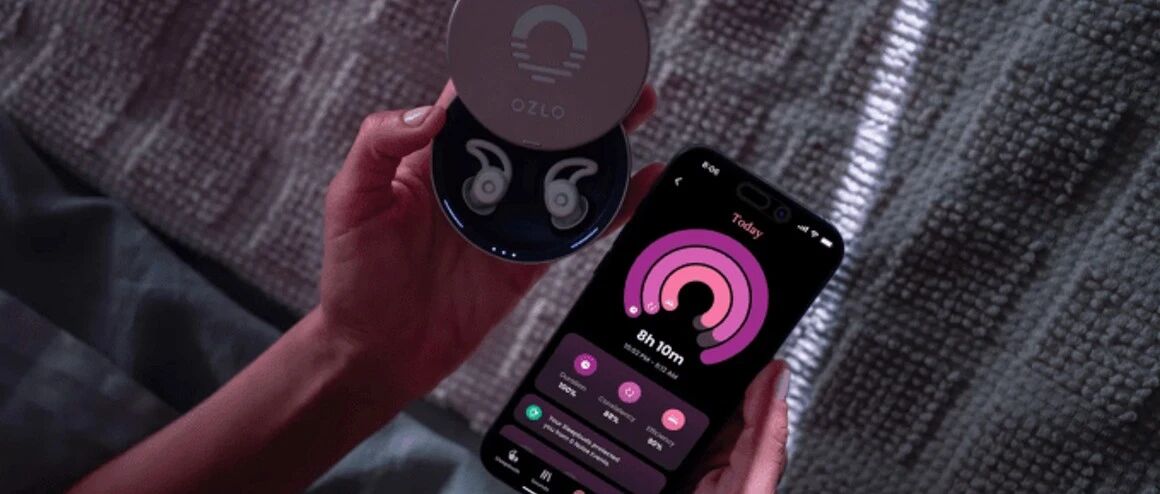
Core Insights - The article discusses the emerging trend of sleep-related wearable technology, highlighting Ozlo as a key player in this niche market, which is gaining traction due to the increasing prevalence of sleep disorders and the demand for effective sleep solutions [1][7]. Group 1: Ozlo's Product Development - Ozlo Sleepbuds are designed specifically for sleep, offering a comfortable fit with four silicone earplug sizes and noise-canceling features, distinguishing them from general-purpose headphones [5][6]. - The product includes significant upgrades over previous models, such as streaming capabilities, automatic noise masking upon detecting sleep, and a 10-hour battery life, along with biometric sensors for monitoring user movements [5][6]. - Priced at $299, Ozlo Sleepbuds are positioned as a premium product, with a subscription model (Ozlo Flex) available at $20/month to lower the initial cost barrier for users [5][6]. Group 2: Market Potential and Growth - The global market for sleep-related products is projected to grow from $91.76 billion in 2025 to $128.1 billion by 2030, reflecting a compound annual growth rate (CAGR) of 6.9% [9]. - The sleep wearable market is expected to expand from approximately $13.4 billion in 2023 to $27.76 billion by 2030, with a CAGR of 10.8% [9]. - The demand for sleep solutions is underscored by research indicating that around 850 million adults globally suffer from insomnia, with a significant portion seeking effective interventions [9]. Group 3: Competitive Landscape - The article notes that domestic manufacturers are entering the sleep wearable market, with companies like Anker Soundcore and Amazfit developing products that focus on user experience and health monitoring [13][16]. - Anker Soundcore's Sleep series has evolved to include features like active noise cancellation and partnerships with content providers to enhance user engagement [14][15]. - Amazfit's ZenBuds prioritize health monitoring over multimedia capabilities, positioning themselves as a health data entry point rather than just a sleep aid [16]. Group 4: Future Outlook - The evolution of sleep wearables is seen as a transformation of a high-frequency, long-term usage scenario, emphasizing the importance of user experience and long-term value [18]. - As technology in sensors and algorithms matures, sleep earbuds are expected to become integral products that connect hardware, software, and health services [18].
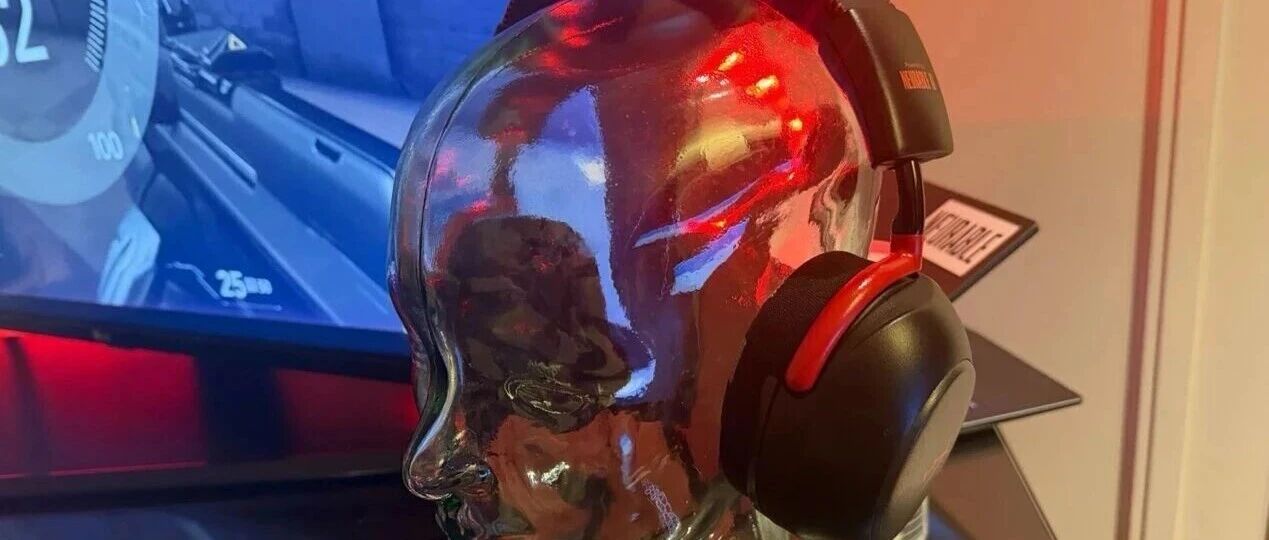
CES 2026 上最狠的电竞外设,Neurable 把脑机接口做进无线耳机
深思SenseAI· 2026-01-08 02:37
Core Insights - Neurable announced a strategic partnership with HP's gaming brand HyperX to develop the industry's first gaming headset integrated with neural technology, combining AI and non-invasive sensors to interpret EEG signals in real-time during gameplay [1][3]. Product Development - The new headset utilizes Neurable's micro brain-computer interface (BCI) technology, allowing for a thinner, lighter, and more discreet design compared to traditional EEG devices, enhancing user experience [3][9]. - Neurable's previous collaboration with Master & Dynamic in 2024 resulted in the MW75 Neuro LT, a high-end headset that also incorporated EEG technology, showcasing the company's commitment to miniaturizing and wearable EEG sensors [9]. Performance Improvement - Initial studies indicated that Neurable's neural feedback system, Prime, significantly improved performance metrics for semi-professional esports players, with average reaction times decreasing by 43 milliseconds and hit rates increasing by 0.53% [3]. - Among university and professional esports players, improvements were even more pronounced, with hit rates increasing by nearly 3% and reaction times shortening by 38 milliseconds [3]. User Experience - A journalist's experience with the Prime training process demonstrated the system's ability to help users achieve a focused state, although individual results may vary [4][6]. - The system also provides attention regulation strategies, although effectiveness may differ among users [6]. Market Potential - The gaming wearable market is projected to grow from approximately $5 billion to $20 billion by 2034, indicating a significant shift towards integrating neural data processing in gaming peripherals [23]. - Neurable's technology positions neural monitoring as a next-generation essential tool for competitive gaming, moving beyond traditional audio and tactile peripherals [23].