科创走廊

Search documents
最高规格!武汉连续五年部署,释放重要信号
Chang Jiang Ri Bao· 2026-02-26 07:58
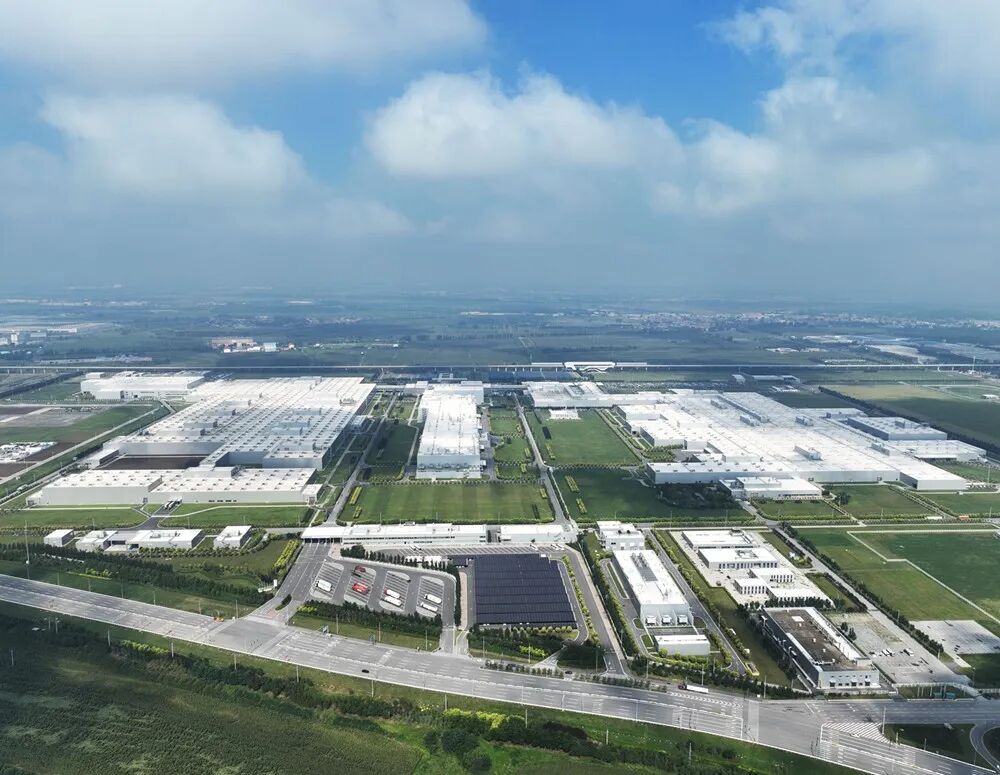
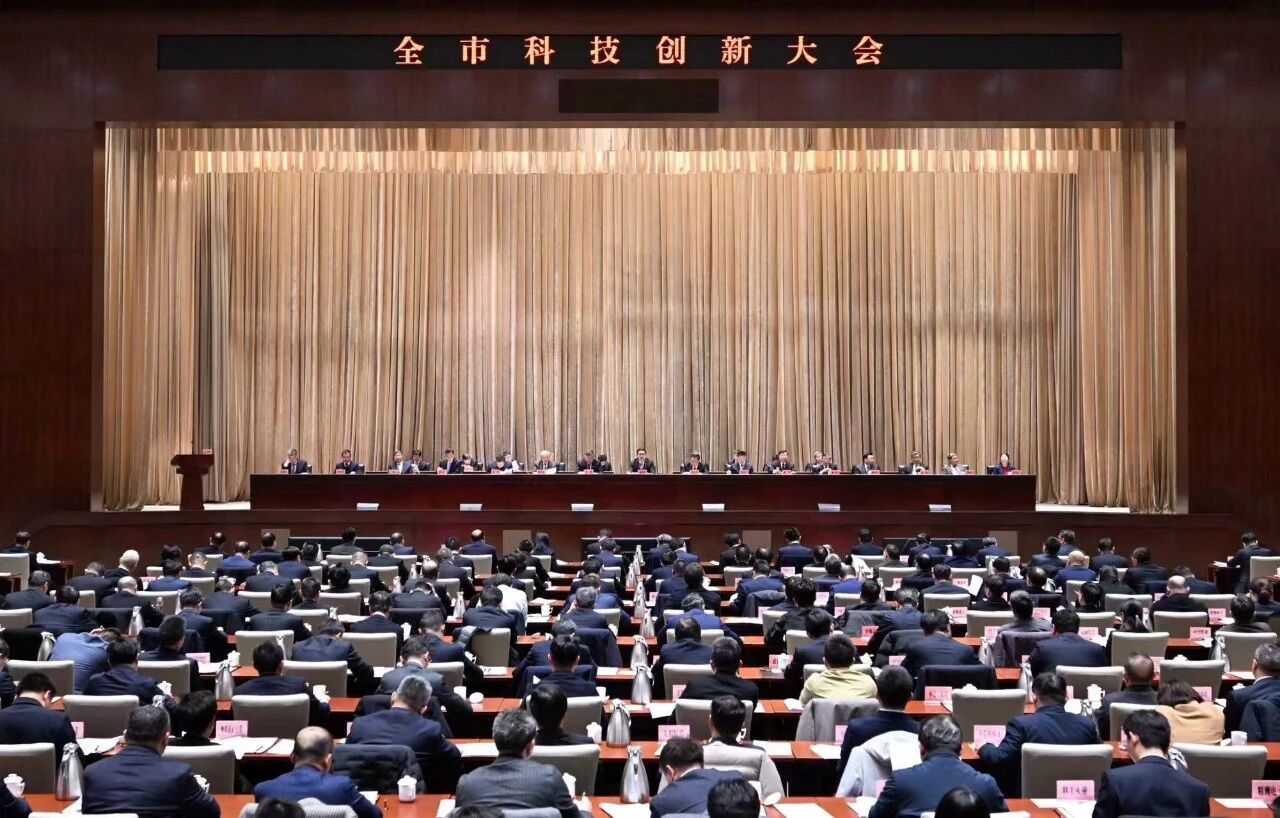
Core Insights - Wuhan's strategic initiative "One City, Three Corridors, Multiple Belts" aims to reshape urban innovation space and integrate innovation, industry, finance, and talent chains, positioning technology innovation at the core of development [1][22][23] Policy Framework - The "New Spring First Meeting" in Wuhan unveiled several key policy documents, including action plans for the "Vehicle Valley Industrial Innovation Corridor" and "Wuhan Riverside Digital Innovation Corridor," targeting the establishment of a nationally influential technology innovation center [2][8] - The comprehensive policy matrix aims to promote innovation through spatial restructuring, addressing challenges such as resource dispersion and limited carrying capacity [8][10] Functional Focus - The "One City" (East Lake Science City) focuses on innovation sourcing, while the "Multiple Belts" (University Innovation Development Belt) emphasizes transformation, and the "Three Corridors" (Optics Valley, Vehicle Valley, and Riverside Digital Innovation Corridors) concentrate on large-scale industrialization [4][9] - This initiative aims to convert historical trade flows into modern "innovation flows" and "data flows," enhancing the city's functional capabilities [4][14] Innovation Ecosystem - Wuhan's innovation capacity is on the rise, with seven large scientific facilities established, contributing to a collaborative innovation system that radiates nationwide [10][16] - The city has achieved significant industrial innovation, with 65 key results in three major fields, aligning with the goal of becoming a national technology innovation hub [10][16] Regional Collaboration - The initiative is part of a broader regional strategy, aiming to create a collaborative innovation network that extends beyond the city to include surrounding areas, enhancing resource sharing and competitive strength [19][20] - The "One City, Three Corridors, Multiple Belts" model represents an evolution in China's innovation corridor approach, focusing on horizontal connectivity and resource integration [9][19] Economic Impact - The Riverside Digital Innovation Corridor has seen a 32% revenue growth in digital economy enterprises over the past three years, with nearly 300 new companies established in the first half of 2025, marking a 200% year-on-year increase [15][19] - The initiative aims to create a "1-hour innovation circle" that connects major urban centers, enhancing regional economic integration and innovation capabilities [20][22]

上海下一个爆点!曾经爱搭不理的这个郊区,正在成为最强潜力股!
Sou Hu Cai Jing· 2025-12-12 18:06
Core Insights - Songjiang has transformed from a perceived remote area to a key engine of Shanghai's innovation, with strategic emerging industries accounting for nearly 60% of its economy, significantly higher than the city average [1] - The region's strong R&D investment intensity of 7.24% is comparable to developed countries, with 92% of this funding coming from enterprises, indicating a robust belief in profitability and effective industry-academia collaboration [1] - Songjiang's economic structure is characterized by a "2+4" system, featuring two trillion-yuan industries in new-generation information technology and high-end equipment, alongside four hundred-billion-yuan industries, including advanced materials and life health [2] Industry Development - The new-generation information technology sector includes smart terminals, intelligent computing services, and satellite internet, while high-end equipment encompasses new energy facilities and instrumentation, indicating vast future growth potential [2] - The region is home to significant advancements in satellite internet, with plans to produce 300 satellites annually by 2027, and it accounts for half of the city's computing power, positioning itself in the "future computing" sector [2] - Songjiang University Town has evolved into a "source of innovation," fostering industry-academia integration, with notable research outputs and rapid technology transfer, including 55 Shanghai Science and Technology Awards from 2023 to 2024 [2] Infrastructure and Investment - A major transportation hub is being developed in Songjiang, expected to handle 21 million passengers annually, enhancing connectivity to over 80% of cities in the Yangtze River Delta [4] - Vanke has invested 2.5 billion yuan in the second phase of the Songjiang Impression City project, aiming to create Shanghai's largest single commercial complex, reflecting confidence in Songjiang's development prospects [4] - Songjiang has been recognized as a national model for rural revitalization, achieving top assessments for five consecutive years, with its rice brand gaining national geographical indication protection [4] Future Outlook - The five-year goal for Songjiang is to establish itself as an internationally influential innovation corridor and a comprehensive node city in the Yangtze River Delta, emphasizing the importance of industrial vitality and innovation [6] - The transformation of Songjiang serves as a case study for other suburban areas, highlighting that development should focus on internal dynamics rather than geographical location [8] - The narrative of Songjiang illustrates a story of transformation, innovation, and opportunity, encouraging other regions to seek similar paths to success [8]

长三角空间蓝图落地:科创走廊架起“创新三角”,都市圈分层协同
2 1 Shi Ji Jing Ji Bao Dao· 2025-12-04 12:45
Core Viewpoint - The approval of the "Yangtze River Delta Land Space Planning (2023-2035)" establishes a comprehensive spatial development blueprint for the region, promoting integration and sustainable development across Shanghai, Jiangsu, Zhejiang, and Anhui provinces [1][2]. Group 1: Spatial Integration and Urban Development - The planning aims to transition from a fragmented urban cluster model to a more integrated approach, emphasizing the role of innovation corridors and facilitating the efficient flow of talent, capital, and technology among the four provinces [1][2]. - The approval clarifies the relationship between urban clusters and city groups, ensuring that no region is overlooked in the spatial layout, thus enhancing the overall effectiveness of regional development [2][3]. - The focus on optimizing the spatial structure led by urban clusters supports Shanghai's role as a leading city, fostering collaboration with surrounding urban areas like Suzhou, Wuxi, and Changzhou [2][3]. Group 2: Industrial Transfer and Innovation - The planning highlights the importance of industrial transfer and innovation, particularly through the establishment of three key innovation corridors: the G60 Science and Technology Corridor, the Shanghai-Nanjing Industrial Innovation Belt, and the Ningbo-Hangzhou Ecological Economic Belt [4][5]. - Each corridor has distinct functions: the G60 focuses on technology application, the Shanghai-Nanjing belt on major application technology development, and the Ningbo-Hangzhou belt on ecological and green technology [5][6]. - The planning aims to facilitate a gradient transfer of industries from core cities to surrounding areas, ensuring that the transfer aligns with regional strengths and fosters a collaborative mechanism between research and production [6][7]. Group 3: Marine and Land Coordination - The planning emphasizes the need for coordinated development of land and marine resources, proposing a comprehensive spatial layout that integrates the Yangtze River and East China Sea [8][9]. - It aims to shift from nearshore development to deep-sea utilization, unlocking potential for marine economic growth and exploring new industries such as marine renewable energy [9][10]. - The integration of port, industry, and urban functions is crucial for developing a port-city urban cluster model, drawing on successful international examples [10].
“复制”长三角,东北机会来了?
3 6 Ke· 2025-12-04 12:04
Core Viewpoint - The recent "14th Five-Year Plan" proposals from the northeastern provinces of China signal a strategic shift towards regional economic restructuring, particularly emphasizing the establishment of influential regional science and technology innovation centers and the "Harbin-Changchun-Shenyang Industrial Innovation Corridor" [1][4]. Group 1: Innovation Corridor Development - The concept of "innovation corridors" is gaining traction, with over ten existing across China, including the well-established Yangtze River Delta G60 corridor, which has inspired similar initiatives nationwide [1]. - The northeastern region has historically struggled with technology transfer and innovation, often referred to as having a "thick base but thin transformation," indicating a need for a more integrated approach to innovation [1][5]. - The Harbin-Changchun-Shenyang corridor aims to integrate research resources, industry chains, and talent flow, potentially transforming the region into a science and technology innovation hub in Northeast Asia [4][10]. Group 2: Collaborative Efforts and Challenges - There is a growing consensus on the need for collaborative efforts among the three northeastern provinces to overcome issues of homogeneous competition and lack of synergy in industrial development [3][5]. - The region's automotive industry exemplifies both the potential for collaboration and the challenges faced, as major automotive parts companies are absent from the northeast despite the region's automotive strengths [3]. - Experts emphasize the importance of breaking the "each city for itself" mentality to facilitate resource optimization and enhance regional innovation capabilities [3][5]. Group 3: Strategic Focus on Industry - The Harbin-Changchun-Shenyang corridor distinguishes itself by prioritizing industrial integration alongside technological innovation, aiming to create a comprehensive innovation ecosystem that spans from basic research to industrial application [12][13]. - The corridor's strategy includes focusing on sectors where the northeast has existing strengths, such as new materials, intelligent manufacturing, and biomedicine, to foster differentiated innovation [15][16]. - The initiative is expected to attract talent and create new economic opportunities, addressing the region's talent outflow and enhancing its competitive edge [16].