
科学减盐

Search documents
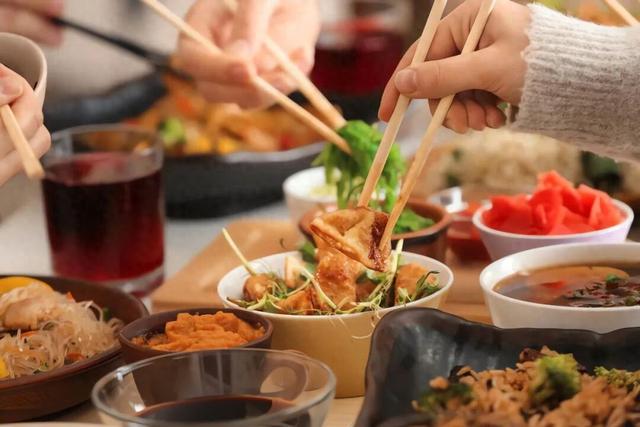
每次下馆子后,为什么都觉得特别渴?
Xin Lang Cai Jing· 2026-02-25 14:53
Core Viewpoint - The article discusses the high sodium content in restaurant meals, which leads to increased thirst after dining, primarily due to the sodium binding with water in the body [1][6]. Group 1: Sodium Sources in Restaurant Meals - Restaurant dishes are often seasoned with various sodium-rich ingredients such as salt, soy sauce, oyster sauce, and MSG, leading to high sodium intake [3][4]. - For example, 15 grams of oyster sauce contains 678 milligrams of sodium, equivalent to 1.7 grams of salt, while 15 grams of steamed fish soy sauce contains 1,091 milligrams of sodium, equivalent to 2.8 grams of salt [3]. Group 2: Effects of High Sodium Intake - High sodium intake causes the body to retain water, increasing blood pressure and leading to a feeling of swelling or bloating [7][8]. - The body takes time to eliminate excess sodium, which can result in prolonged swelling as sodium and the water it binds are slowly excreted [8]. Group 3: Recommendations for Reducing Sodium Intake - After consuming a salty meal, it is advised to eat low-sodium foods in subsequent meals to allow the body to recover [9][10]. - Suggestions for home cooking include adding vinegar instead of salt, using spices for flavor, and delaying the addition of salt during cooking to minimize sodium absorption [12][13][14].

坚持20年科学减盐,六月鲜遵循自然系列引领调味品健康化新趋势
Zhong Guo Shi Pin Wang· 2025-10-09 04:31
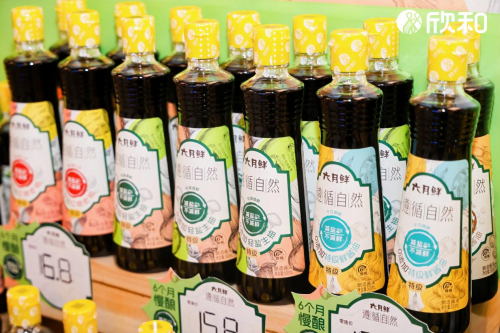
Core Insights - The article emphasizes the growing consumer focus on health-conscious eating, with taste and health being the two most important factors in choosing condiments [1] - The "Zhongyuxian" brand has maintained a commitment to "true salt reduction without dilution" for 20 years, launching the "Natural Series" as a prominent representative in the healthy condiment market [1][6] Group 1: Product Features - The "Natural Series" by Zhongyuxian uses scientific methods to achieve "true salt reduction without dilution," incorporating natural ingredients like matsutake, monk fruit, rock sugar, and dried scallops to enhance flavor while reducing salt [3] - The product line features a clean and simple ingredient list, with as few as four ingredients, meeting consumer expectations for "fewer additives" while preserving the umami flavor of soy sauce [3] - All products in the series undergo a six-month constant temperature fermentation process, ensuring a stable and delicious taste [3] Group 2: Consumer Engagement - Zhongyuxian has leveraged social media to create a word-of-mouth effect, making the concept of healthy, low-salt eating tangible and practical for consumers [4] - Many users, including homemakers and health-conscious individuals, share their cooking experiences using Zhongyuxian's low-salt soy sauce, reinforcing the brand's image as healthy, safe, and flavorful [4] Group 3: Industry Positioning - As health-conscious eating becomes a societal consensus, Zhongyuxian leads innovation in the condiment industry with its core value of "true salt reduction without dilution" [6] - The "Natural Series" not only provides delicious and healthy solutions for Chinese families but also showcases the brand's forward-thinking approach and responsibility in the salt reduction sector [6]
“盐”防死守 科学减盐有技巧
Ren Min Wang· 2025-09-16 09:08
Group 1 - Sodium is an essential element for the human body, playing a crucial role in maintaining fluid balance and ensuring normal nerve and muscle function. However, excessive sodium intake can be harmful to health [1] - Daily sodium intake primarily comes from three sources: home cooking, dining out/takeout, and processed foods. To avoid excessive salt consumption, it is necessary to address these three areas [1][2] - In home cooking, using salt-limiting tools such as salt shakers and measuring spoons can help control sodium intake. Additionally, substituting regular salt with low-sodium salt, which contains 60%-70% of the sodium found in regular salt, can reduce sodium consumption while still satisfying taste [1] Group 2 - When dining out, restaurant dishes typically have a higher salt content than home-cooked meals. It is advisable to reduce the frequency of eating out and ordering takeout. If necessary, customers can request "lightly salted" options from restaurants and avoid high-sodium dishes [2] - When purchasing pre-packaged foods, consumers should carefully check the sodium content on nutrition labels and prioritize products with lower sodium levels. It is also recommended to limit the purchase of processed meats, salted nuts, and preserved fruits, which are high in hidden salt [2]