科技实力

Search documents
中国大陆科技实力迈上新台阶,介文汲:成长速度令人惊愕
Xin Lang Cai Jing· 2026-01-17 06:23
Core Insights - The technological strength of mainland China has reached a new level, showcasing astonishing growth rates [2] Group 1 - The growth speed of China's technology sector is described as shocking, indicating a significant advancement in capabilities [2]
以色列人预测,未来10年世界上科技实力最强大的“6个国家”
Xin Lang Cai Jing· 2025-12-08 10:23
Core Insights - The report titled "Great Power Competition: Future Global Technology Development Trends Forecast" predicts that by 2033, the top six countries in technological strength will be the United States, Israel, Germany, Japan, China, and Russia, based on 82 indicators such as R&D investment and patent numbers [3][5]. Group 1: Country Rankings and Strengths - The United States holds the top position, with a projected global innovation index ranking of third by 2025, leading in technology output, particularly in AI and quantum computing [8][10]. - Israel ranks second, with a high-tech industry that contributes significantly to its GDP, and an R&D expenditure of 6.35% of GDP, which is double the OECD average [12][13]. - Germany is ranked third, with a strong industrial base and a projected innovation index ranking of ninth by 2025, heavily investing in smart manufacturing and industrial 4.0 [15]. - Japan is in fourth place, with an innovation index ranking of twelfth by 2025, known for its meticulous attention to detail in technology and high R&D spending [16]. - China ranks fifth, showing rapid progress with a projected innovation index ranking of tenth by 2025, leading in patents and advancements in quantum computing and 5G technology [18]. - Russia is sixth, with a strong legacy in aerospace and nuclear energy, and a focus on advancing its scientific research capabilities [20]. Group 2: Future Outlook and Trends - The report anticipates that by 2025, the total number of patents among these six countries will increase by 15%, indicating a growing trend in international collaboration and project partnerships [22]. - By 2033, advancements in quantum networks and sustainable energy are expected to reshape the global technological landscape, benefiting the general public through improved technologies in mobile payments, healthcare, and green energy [24].


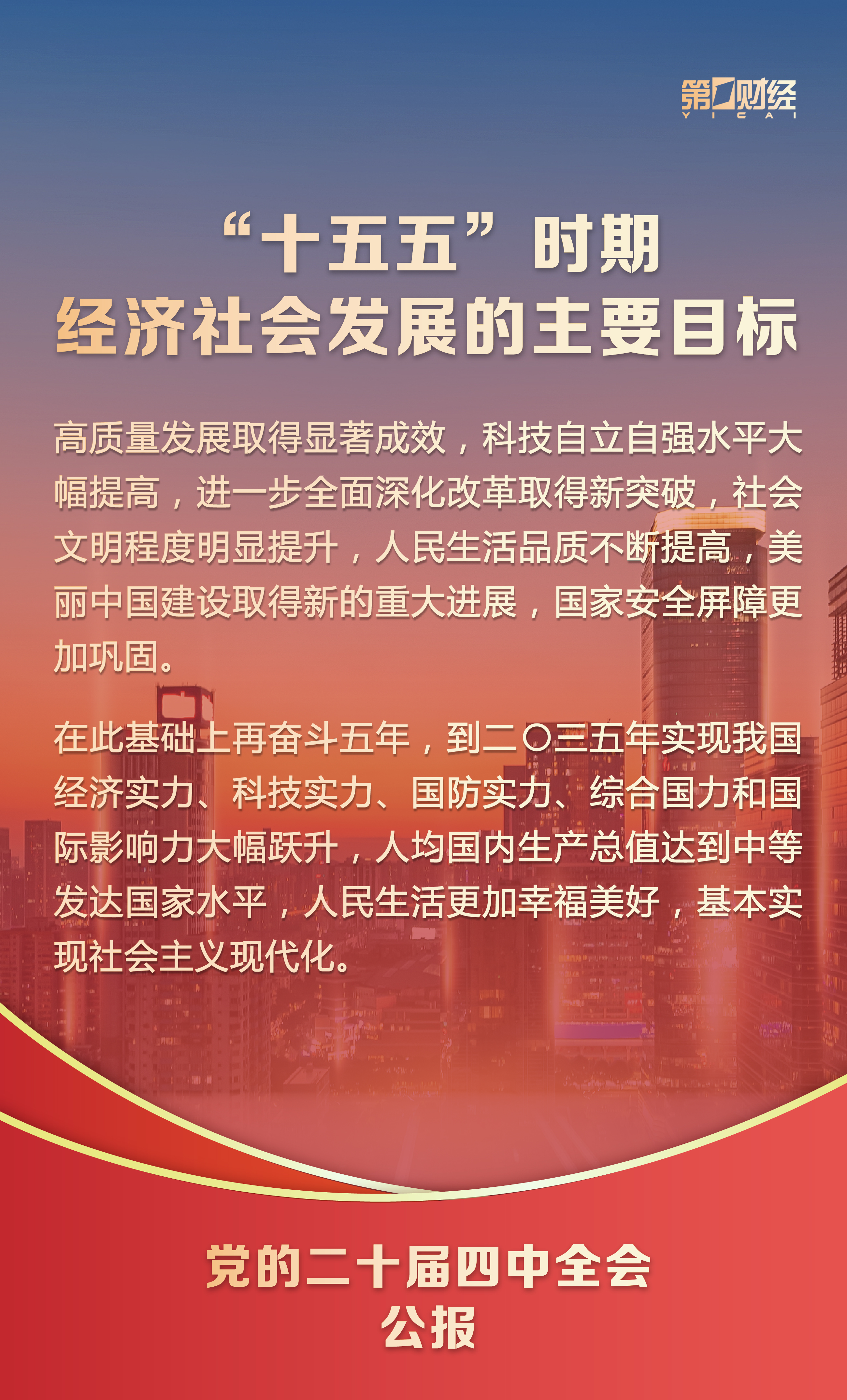
速览!“十五五”时期经济社会发展的主要目标
Di Yi Cai Jing· 2025-10-23 11:13
Group 1 - The level of civilization has significantly improved, indicating progress in societal development [2] - New achievements in the construction of a prosperous society have been made, suggesting a consolidation of previous efforts [2] - The international influence of the economy has greatly increased, reflecting a broader impact on global markets [2]
中国家用机器人“出海”忙
Jing Ji Ri Bao· 2025-10-17 21:40
Core Insights - Chinese-made household robots are gaining significant global presence, dominating the market in various regions including North America, Europe, and Southeast Asia [1][2] Group 1: Market Performance - In the first half of this year, the global vacuum robot market shipped 11.263 million units, marking a year-on-year growth of 16.5% [1] - Chinese brands occupy four out of the top five positions in the global vacuum robot market, with Stone Technology leading at 20.7% market share, followed by Ecovacs, Dreame, and Xiaomi, collectively holding 57% of the market [1] - The lawn mower robot market is projected to grow from $2.2 billion in 2024 to $3.9 billion by 2029, with a compound annual growth rate (CAGR) of 11.5% [2] Group 2: Product Innovation and Technology - Chinese household robot brands are characterized by high performance and energy efficiency, with innovations tailored to meet diverse international needs [2][3] - The robust supply chain in China, particularly in regions like the Pearl River Delta and Yangtze River Delta, allows for rapid production and lower costs [3] - Chinese companies have seen a 20% annual increase in patent applications over the past decade, with 2024 projections indicating that they will account for two-thirds of global robot patent applications [3] Group 3: Competitive Pricing and Market Strategy - Chinese household robots typically offer higher specifications at more competitive prices, exemplified by vacuum robots in Europe being priced about 33% lower than similar products from iRobot [4] - The growth of cross-border e-commerce has made household robots one of the fastest-growing categories, with an annual growth rate exceeding 80% [4] Group 4: Future Outlook - The trend indicates that household robots will transition from luxury items to essential household appliances as technology advances and markets mature [5]


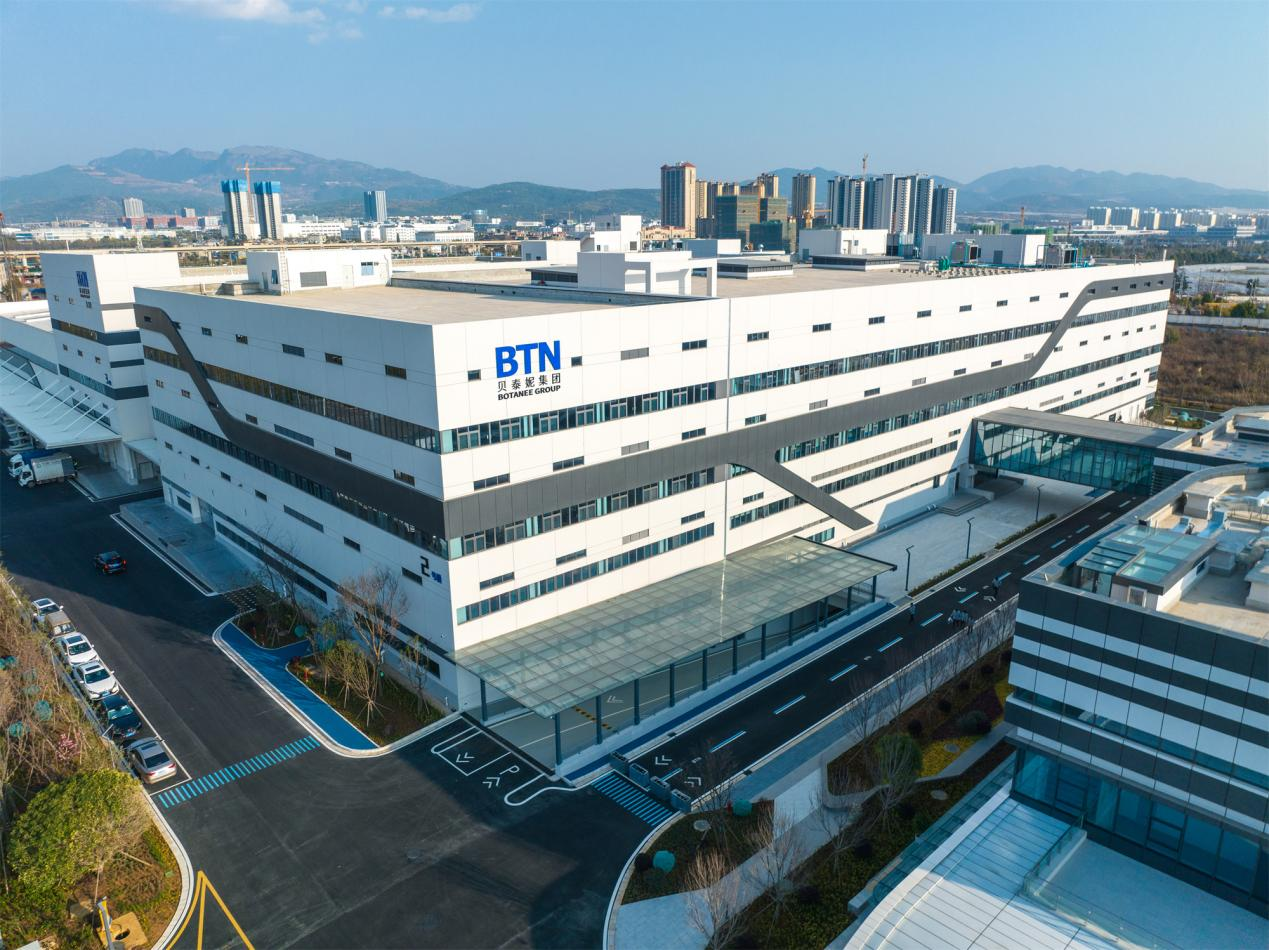
美妆行业革新加速:贝泰妮研发费用率超5%背后的长期主义博弈
Mei Ri Jing Ji Xin Wen· 2025-05-08 01:02
Core Insights - The Chinese beauty industry is undergoing a significant transformation, shifting from a focus on traffic competition to one centered on technological strength and brand value [1] - Strategic elevation and differentiated competition are essential for domestic beauty brands, with companies like Betaini redefining industry rules through "hard technology" [1][3] Financial Performance - Betaini reported a total revenue of 5.736 billion yuan, a year-on-year increase of 3.87%, with a net cash flow from operating activities of 695 million yuan, up 13.83% [3][4] - The overall retail sales of cosmetics in China decreased by approximately 1.10% year-on-year, highlighting Betaini's ability to achieve growth in a challenging market [4] Brand Ecosystem - Betaini has developed a multi-brand ecosystem, with its core brand Winona maintaining a leading market share in the domestic dermatological skincare segment [6] - New businesses within Betaini's brand matrix, such as Winona Baby and AOXMED, have shown significant growth, with sales increases of approximately 34.03% and 65.59% respectively [6][7] R&D Investment - Betaini's R&D investment reached 337 million yuan in 2024, accounting for 5.87% of its revenue, positioning the company among the top tier in the industry [7][10] - The company has established a strong advantage in the field of Yunnan specialty plant extraction, completing the development of 13 unique plant raw materials [10] Industry Standards and Leadership - Betaini has set six national standards and 68 group standards in 2024, aiming to establish industry authority and influence [11] - The company is actively involved in creating standards for children's skincare products, addressing the challenges of an immature market [11][13] Strategic Vision - Betaini's three-step strategy of "R&D foundation, ecological layout, and standard leadership" illustrates its transition from marketing competition to value competition [13] - The company's focus on technological core competencies is expected to distinguish it as a leader in the beauty industry as market conditions evolve [13]