科技慈善

Search documents
中国公益慈善迈向“善治”新阶段
Xin Lang Cai Jing· 2025-12-26 12:21
Core Insights - The core viewpoint of the articles emphasizes the transformation of China's public welfare and charity sector from quantity growth to quality improvement during the "14th Five-Year Plan" period, highlighting the importance of legal frameworks and digital transformation as key drivers [2][3][4]. Group 1: Growth and Development - During the "14th Five-Year Plan," the number of registered charity organizations in China increased by 70% compared to the end of 2020, reaching over 16,000, while the number of registered charitable trusts grew nearly fourfold [2][3]. - The total annual charitable donations exceeded 200 billion yuan, showcasing the increasing role of public welfare in areas such as third distribution and social security [2][3]. - The Ministry of Civil Affairs reported that charitable organizations spent 150 billion yuan annually, focusing on key areas like elderly care, child welfare, education, and healthcare [4][15]. Group 2: Legal and Regulatory Framework - The legal framework for charity in China has seen significant advancements, with the amendment of the Charity Law providing stronger legal support for emergency charity systems and improved supervision [3][4]. - A series of supporting policies, including the "Charity Organization Recognition Measures" and "Charity Organization Public Fundraising Management Measures," have been introduced to create a more comprehensive regulatory system [3][4]. Group 3: Digital and Community Charity - The dual drive of technology charity and community charity has emerged as a significant highlight in the innovation and development of public welfare during the "14th Five-Year Plan" [5][16]. - Internet fundraising platforms designated by the Ministry of Civil Affairs raised over 160 billion yuan, significantly supporting rural revitalization and poverty alleviation efforts [5][16]. - Community charity initiatives have gained unprecedented attention, becoming an essential part of grassroots governance, with various cities exploring innovative community charity models [5][16]. Group 4: Challenges and Future Directions - Despite notable achievements, the charity sector faces challenges in balancing regulation and promotion, as well as maintaining vitality while ensuring order [8][18]. - The growth rate of social organizations has slowed, partly due to difficulties in registration and a tendency to prioritize regulation over promotion [8][18]. - The digital divide poses challenges, as smaller organizations may become marginalized due to a lack of resources compared to larger entities [19][20]. Group 5: Talent and Structural Issues - The charity sector is experiencing a dual challenge of optimizing talent structure while facing salary competitiveness issues, which affects the attraction of skilled professionals [19][20]. - The integration of diverse talents, including technology and management professionals, is injecting new vitality into the sector, but low salaries for grassroots workers remain a significant barrier [19][20]. Group 6: Vision for the Future - Looking ahead to the "15th Five-Year Plan," balancing order and vitality, and enhancing the functions of the charity sector will be crucial [9][21]. - The emphasis on high-quality development and the promotion of charity will guide the sector's future direction, with a focus on transparency, community charity, and the application of artificial intelligence [9][21].


中国公益慈善迈向“善治”新阶段|2025中国经济年报
Sou Hu Cai Jing· 2025-12-26 11:22
Core Viewpoint - The article discusses the significant advancements and challenges in China's public welfare and charity sector during the "14th Five-Year Plan" period, emphasizing a shift from quantity growth to quality improvement in charity initiatives [2][3]. Group 1: Growth and Achievements - During the "14th Five-Year Plan," the number of registered charity organizations in China increased by 70% from the end of 2020, reaching over 16,000, while the number of registered charity trusts grew nearly fourfold [2]. - The total annual charitable donations exceeded 200 billion yuan, highlighting the increasing role of public welfare in areas such as third distribution and social security [2]. - The charity sector has seen a significant increase in the establishment of technology-related social organizations, with 24,000 active in the field of technological innovation [4]. Group 2: Legal and Regulatory Framework - The legal framework for charity in China has seen substantial improvements, with the recent amendment to the Charity Law providing stronger legal guarantees for the healthy and orderly development of the sector [3]. - A series of supporting policies, including the "Charity Organization Recognition Measures" and "Charity Organization Public Fundraising Management Measures," have been introduced to create a more comprehensive regulatory system [3]. Group 3: Quality Development and Governance - The transition from quantity growth to high-quality development is characterized by enhanced regulatory requirements for charity organizations regarding governance structure, transparency, and compliance [4]. - The "Sunshine Charity" initiative has been implemented to improve the credibility and transparency of the charity sector through a comprehensive governance framework involving government oversight, industry self-regulation, social supervision, and internal controls [4]. Group 4: Technological and Community Innovations - The dual drive of technological charity and community charity has emerged as a key highlight of innovation in the public welfare sector, with digital tools significantly enhancing operational efficiency [5]. - Internet fundraising platforms have raised over 160 billion yuan, supporting rural revitalization and poverty alleviation efforts [5]. - Community charity has gained unprecedented attention, becoming an essential part of grassroots governance, with various local models being explored [5]. Group 5: Challenges and Future Directions - Despite notable achievements, the charity sector faces challenges in balancing regulation and promotion, as well as maintaining vitality amidst a slowdown in the growth of social organizations [7]. - The digital divide poses a risk, as smaller organizations may become marginalized due to disparities in resources and capabilities [8]. - The sector's talent structure is improving, but issues such as low compensation for professionals and grassroots workers remain barriers to attracting and retaining talent [9]. Group 6: Strategic Outlook - The future of China's charity sector is expected to focus on balancing order and vitality, with an emphasis on promoting and regulating charity development [9]. - The sector is anticipated to play a significant role in job creation and third distribution during the "15th Five-Year Plan," necessitating a collaborative effort to enhance policy incentives and address development bottlenecks [10]. - The establishment of a modern charity system that is both orderly and vibrant, capable of serving national strategies and meeting public needs, is a critical goal for the upcoming period [10].

全球TOP 10的顶级富豪,为什么一半都要“挤”在这个地方?
虎嗅APP· 2025-11-27 09:46
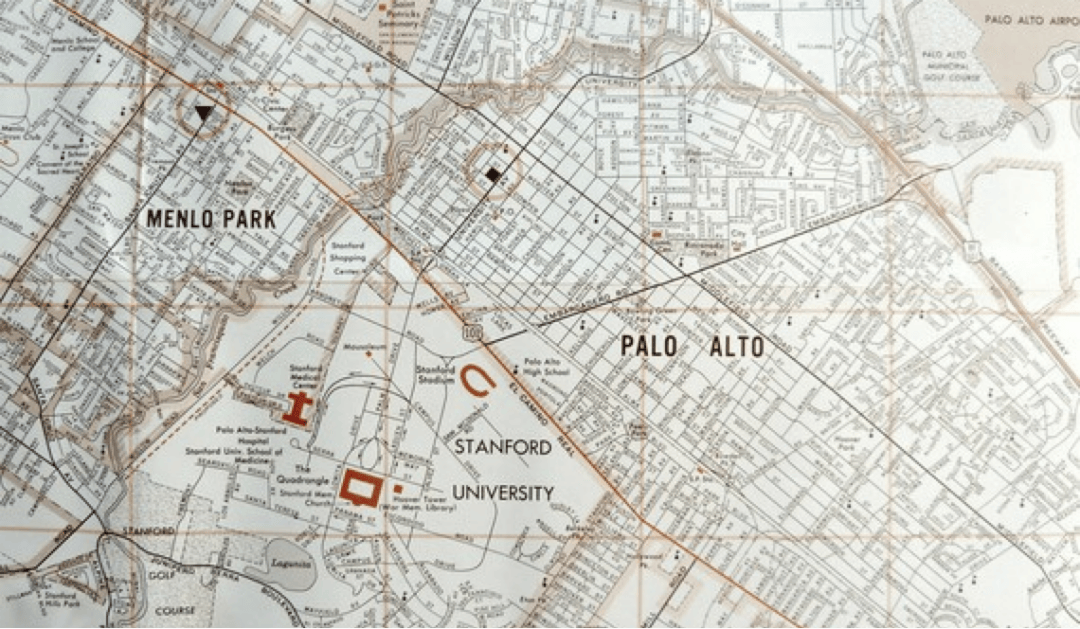
Core Insights - The article discusses the concentration of wealth among five tech billionaires residing in California's Midpeninsula, highlighting their combined wealth exceeding $1.1 trillion, which is comparable to the GDP of a medium-developed country [6][7]. Group 1: The Five Tech Billionaires - Larry Ellison (Oracle) represents the first wave of tech wealth, having built a strong foundation in enterprise software, which continues to generate stable cash flow despite challenges in the cloud era [9][10]. - Sergey Brin and Larry Page (Google/Alphabet) commercialized the search behavior through AdWords, establishing a significant revenue stream by organizing internet information [11][12]. - Mark Zuckerberg (Meta) capitalized on the human need for connection, transforming social networks into a lucrative "attention economy" through targeted advertising [13][14]. - Jensen Huang (Nvidia) exemplifies the AI revolution, with Nvidia's GPUs becoming essential for AI model training, leading to explosive wealth growth [14][15]. Group 2: Silicon Valley's Unique Ecosystem - Knowledge spillover effects from institutions like Stanford University create a seamless connection between research and industry, fostering continuous innovation [18][19]. - Venture capital in Silicon Valley provides not just funding but also strategic support, encouraging bold and disruptive innovations [20][21]. - The engineer culture in Silicon Valley promotes data-driven decision-making and challenges conventional norms, attracting top talent [23]. Group 3: Wealth Concentration and Social Impact - The concentration of wealth in Silicon Valley has led to significant social disparities, with the wealth gap expanding at twice the national average [33][35]. - The rising cost of living has made it difficult for low-income families to afford housing, with a family of four needing an annual income of $159,550 to be considered "low income" [37][39]. - The phenomenon of "Silicon Valley folding" illustrates the social divide, where the affluent and service workers coexist in stark contrast [41][42]. Group 4: Tech Philanthropy - Tech billionaires are increasingly engaging in "tech philanthropy," with initiatives like the Chan Zuckerberg Initiative aiming to address social issues through a business-like approach [49][50]. - Critics argue that this model allows wealthy individuals to influence public policy without democratic oversight, raising concerns about accountability [51][52]. - The article questions whether such philanthropy genuinely addresses the societal problems created by their business models, emphasizing the need for a more inclusive approach to wealth distribution [54].





全球TOP 10的顶级富豪,为什么一半都要“挤”在这个地方?
Sou Hu Cai Jing· 2025-11-27 07:44
Core Insights - The article discusses the concentration of immense wealth among a few tech billionaires residing in California's Midpeninsula, highlighting the socio-economic implications of this wealth concentration [5][24]. Group 1: Wealth Concentration - Half of the top ten billionaires globally reside in the Midpeninsula, with a combined wealth exceeding $1.1 trillion, comparable to the GDP of a medium-developed country [5][24]. - The wealth of these tech giants is rooted in their foundational companies, which have established significant market positions and revenue streams [5][11][12]. Group 2: Individual Billionaires - Larry Ellison (Oracle) represents the enterprise software revolution, maintaining a strong cash flow despite challenges in the cloud era [5][7]. - Larry Page and Sergey Brin (Google) commercialized the search behavior through AdWords, exemplifying the internet platform revolution [5][9]. - Mark Zuckerberg (Meta) capitalized on social connectivity, transforming user engagement into revenue through targeted advertising [5][11]. - Jensen Huang (Nvidia) has seen explosive wealth growth due to the AI revolution, positioning Nvidia as a key player in AI model training [5][12][18]. Group 3: Silicon Valley Ecosystem - The unique ecosystem of Silicon Valley fosters knowledge spillover, particularly through institutions like Stanford University, which connects academic research with industry needs [14][16]. - Venture capital in Silicon Valley is characterized by a willingness to take risks and provide smart money, supporting bold innovations [14][16]. - The engineering culture in Silicon Valley promotes data-driven decision-making and a rebellious spirit, attracting top talent [16][18]. Group 4: Socio-Economic Issues - The wealth concentration has led to a widening wealth gap, with the top 0.1% of families owning 71% of the wealth, exacerbating social inequalities [24][26]. - Rising living costs in Silicon Valley have made it increasingly difficult for lower-income families to afford housing, leading to a phenomenon termed "Silicon Valley folding" [24][26][29]. - The local government's financial struggles are partly due to Proposition 13, which limits property tax growth, affecting public services [31][32]. Group 5: Philanthropy and Social Responsibility - Tech billionaires are engaging in "tech philanthropy," using their wealth to address social issues through initiatives like the Chan Zuckerberg Initiative [37][39]. - Critics argue that this form of philanthropy allows a few wealthy individuals to influence public policy without democratic oversight, raising concerns about accountability [39][40]. - The article questions whether the innovations and wealth generated by these billionaires consider the external costs and contribute to a more equitable society [42][44].