非遗文化传承

Search documents
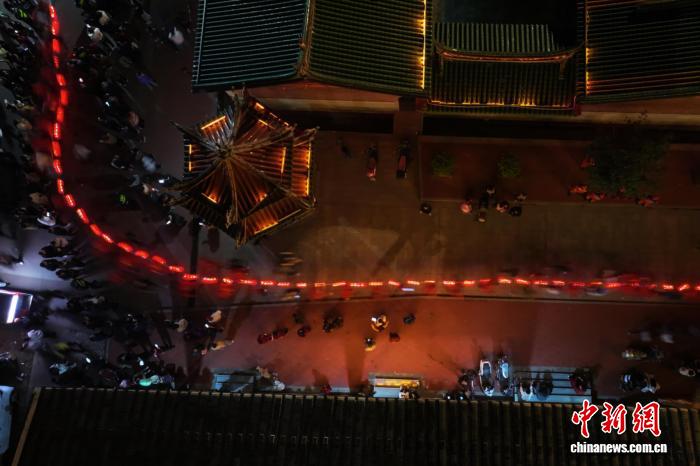
侨乡福建南安“拔拔灯” 千米“灯龙”闹新春
Zhong Guo Xin Wen Wang· 2026-02-27 00:50
Core Viewpoint - The annual "Ba Ba Lantern" folk activity in Yingdu Town, Fujian, showcases a vibrant cultural heritage, attracting nearly 10,000 participants and emphasizing community spirit and tradition [1][3]. Group 1: Event Overview - The "Ba Ba Lantern" event took place on the night of February 25, coinciding with the ninth day of the lunar new year, featuring a procession of lanterns forming a "dragon" that paraded through the town [1][3]. - The event included various performances such as drum and dance, creating a festive atmosphere as participants celebrated and prayed for good fortune [1][3]. Group 2: Historical Context - Historical records indicate that Yingdu Town, surrounded by mountains, was part of the ancient "Maritime Silk Road," with the lantern festival originating from a tradition started by a Chen family boatman during the Southern Song Dynasty [3]. - The festival has evolved from a simple lantern display to a significant annual event, recognized as one of China's top nine lantern festivals and listed as a national intangible cultural heritage in 2008 [3]. Group 3: Community Engagement - Many expatriates return to participate in the festival, highlighting its role in strengthening familial and community bonds [4]. - The event has seen increased participation from younger generations, indicating a strong recognition and acceptance of local cultural heritage [6]. Group 4: Cultural Preservation and Innovation - Yingdu Town is actively promoting the preservation and innovation of the "Ba Ba Lantern" tradition, introducing modern elements like street dance and fashion shows to engage younger audiences [4]. - Plans are underway for a cultural tourism project that aims to integrate the ancient wharf site with the "Ba Ba Lantern" culture, enhancing its visibility and relevance [4].

新春走基层丨老庙会新玩法,非遗如何圈粉年轻人?
Xin Hua She· 2026-02-26 11:37
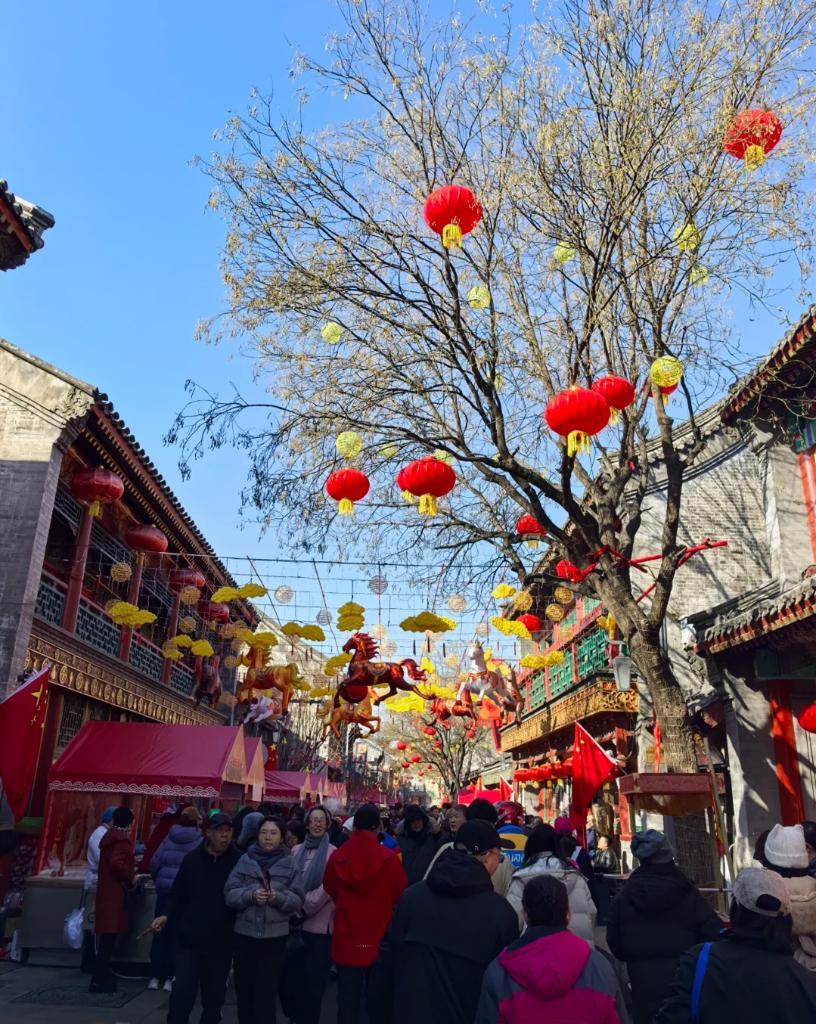
Core Viewpoint - The article highlights the transformation of the Changdian Temple Fair into a vibrant cultural event that appeals to younger generations, blending traditional elements with modern experiences and technology. Group 1: Cultural Significance - The Changdian Temple Fair, with over 400 years of history, has evolved to attract young visitors, becoming a popular destination during the Spring Festival [1][4] - The fair features traditional cultural elements, but this year, it has adopted a more youthful approach, showcasing innovative designs from time-honored brands [4] Group 2: Interactive Experiences - The fair introduced various interactive activities, allowing young attendees to engage actively rather than just observe, creating a new way to enjoy the Spring Festival [5] - Activities such as traditional games and performances by costumed characters have revitalized ancient customs, making them more accessible and enjoyable for visitors [5] Group 3: Thematic Activities - The "Searching for the Changdian Horse" event encourages visitors to explore the fair while learning about Chinese horse culture through an artistic scavenger hunt [8] - The "Horse Show" area features traditional performances like shadow puppetry, allowing audience interaction, which enhances the overall experience [9] Group 4: Technological Integration - The incorporation of technology, such as a humanoid robot performing at the opening ceremony, adds a futuristic element to the traditional fair [10] - Special tech-driven items, like a 3D phone sticker, engage younger audiences and encourage social media interaction, blending heritage with modern trends [10]
新春走基层丨拓印绘福马 文博年味浓
He Nan Ri Bao· 2026-02-22 23:15
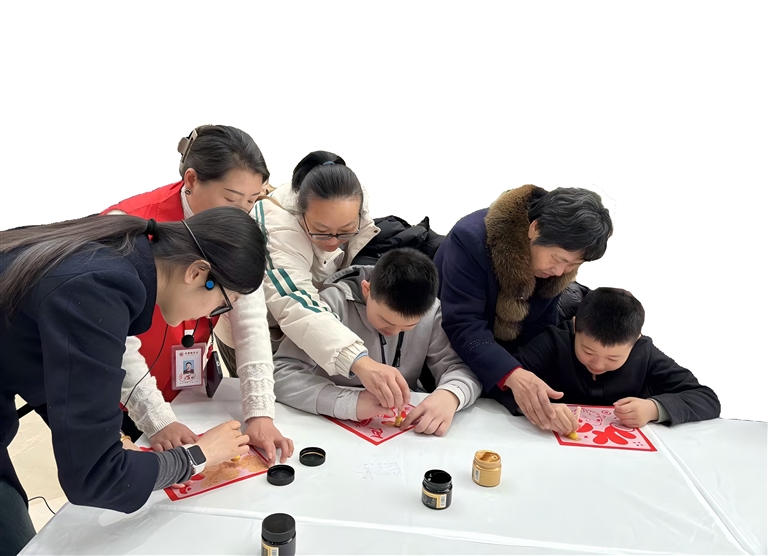
Core Viewpoint - The article highlights the vibrant cultural activities and traditional craftsmanship showcased at various museums in Zhengzhou during the Spring Festival, attracting numerous visitors and enhancing the festive atmosphere. Group 1: Cultural Activities - The "Non-Heritage New Year Handicraft Workshop" at Zhengzhou Museum featured a traditional printing activity where participants, including families, engaged in creating prints of horses, symbolizing good fortune for the New Year [1]. - The Zhengzhou Shangdu Ruins Museum hosted a lively atmosphere on the first day of the Lunar New Year, with a "New Year Wish Wall" where visitors left their hopes and wishes for the year ahead [1][3]. Group 2: Traditional Crafts - A colorful event at the museum allowed visitors to participate in a collective art project, where they added colors to a large mural depicting ancient bronze patterns and horses, fostering creativity among attendees [2]. - The Zhengzhou Confucius Temple held a New Year market featuring over ten traditional crafts, including egg carving, paper cutting, and wood carving, where artisans demonstrated their skills, attracting families and children [4]. Group 3: Visitor Experience - Visitors expressed nostalgia and joy as they participated in traditional activities, with families traveling from various locations to experience the festive atmosphere and cultural heritage [4]. - The article emphasizes the blend of old traditions with new spring celebrations, creating a lively and memorable experience for all attendees [5].
逛聊城古城,赴一场民俗非遗的新春之约|新春走基层
Xin Lang Cai Jing· 2026-02-22 12:45
Core Viewpoint - The annual Liaocheng Folk Culture Festival has successfully revitalized traditional culture and boosted local tourism, showcasing intangible cultural heritage and enhancing community engagement during the Spring Festival [2][16]. Group 1: Festival Overview - The festival runs from the second to the fifteenth day of the lunar new year, featuring various folk performances, intangible cultural heritage exhibitions, and specialty markets, creating a vibrant festive atmosphere [2][15]. - This year marks the third edition of the festival, themed "Galloping Horse Welcomes Spring: Intangible Heritage Shines," with activities including folk performances, opera shows, and cultural exhibitions spread across multiple venues [5][16]. Group 2: Cultural Significance - The festival aims to promote intangible cultural heritage, providing a platform for artisans to showcase their skills and connect with the market, thereby enhancing cultural transmission and community bonding [2][6]. - The event has become a cultural emblem for Liaocheng, reflecting the city's cultural charm and fostering emotional connections among residents [15][18]. Group 3: Economic Impact - The festival has significantly increased local tourism, with the number of visitors to the ancient city reaching 484,100, a 72.52% increase year-on-year, positively impacting local consumption and promoting the integration of culture and tourism [16][18]. - The festival's activities have led to a noticeable rise in spending in the surrounding areas, including dining, accommodation, and retail, with a focus on enhancing visitor experience and extending their stay [18].
我们的节日丨胡同小院里,非遗年味暖西城
Xin Lang Cai Jing· 2026-02-21 12:09
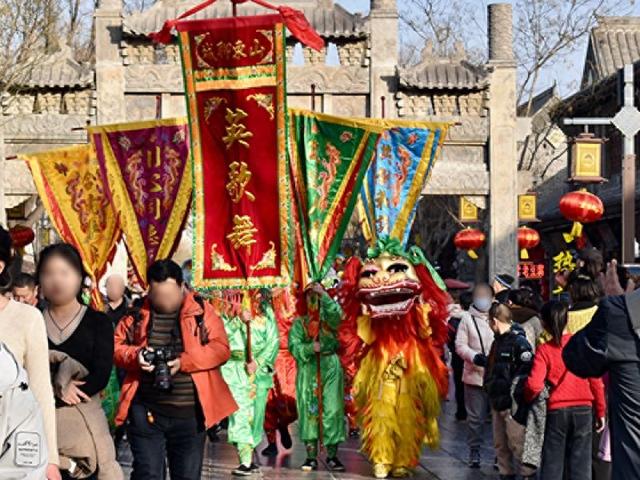
Core Viewpoint - The article highlights the efforts of the 93rd Courtyard Museum in Beijing's Xicheng District to break the tradition of closing during the Spring Festival, instead inviting visitors to engage with traditional culture through hands-on experiences with intangible cultural heritage [3][10]. Group 1: Cultural Engagement - The museum hosted multiple intangible cultural heritage inheritors during the Spring Festival, allowing visitors to experience traditional crafts firsthand [3][10]. - Visitors participated in activities such as making螺钿 (mother-of-pearl inlay) and painting Peking opera masks, enhancing their understanding and appreciation of these art forms [6][8]. - The museum's director expressed pride in transforming the space into an "accessible cultural living room" rather than a mere repository of artifacts [10]. Group 2: Community Involvement - Staff members, including volunteers, actively participated in the museum's operations during the holiday, reflecting a strong community commitment to cultural preservation [11]. - The initiative attracted nearly 100 teams and individuals to promote the protection of historical and cultural heritage in Xicheng District, emphasizing the importance of integrating cultural heritage into everyday life [13]. Group 3: Visitor Experience - Visitors expressed excitement and pride in creating their own cultural artifacts, such as螺钿胸针 (mother-of-pearl brooches) and京剧脸谱 (Peking opera masks), which they viewed as meaningful additions to their celebrations [6][8][15]. - The museum's approach to cultural transmission was highlighted as a successful model for ensuring that intangible heritage remains vibrant and relevant [15].
热气腾腾的中国年 | 非遗守匠心 福马贺新春
Xin Lang Cai Jing· 2026-02-21 11:04
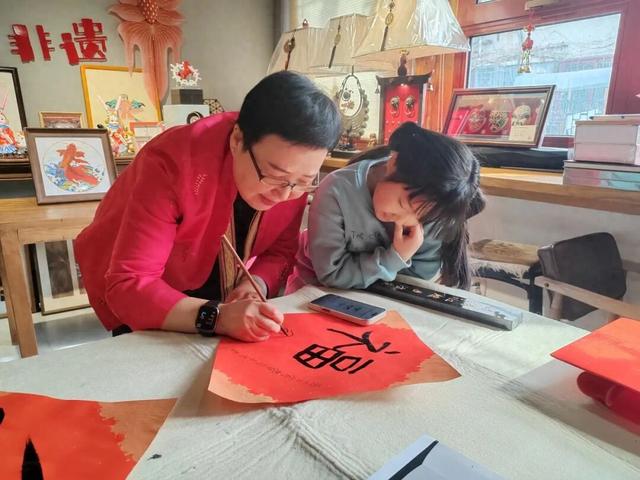
Core Viewpoint - The article highlights the cultural significance of the Year of the Horse in Chinese tradition, showcasing various traditional crafts and artworks that celebrate this theme, particularly through paper-cutting and other intangible cultural heritage (ICH) forms [2] Group 1: Cultural Significance - The horse symbolizes perseverance and courage in Chinese traditional culture, and artisans in Jiangsu's Xuzhou and Yangzhou are creating ICH works themed around the Year of the Horse [2] - Liu Guanyu, a representative inheritor of Xuzhou paper-cutting, created "Hundred Horses Welcoming Spring," featuring 100 horses in various poses, to celebrate the New Year [2] - Zhang Zhenmei, a Yangzhou paper-cutting inheritor, designed the "Fortune Horse" series, combining the horse with the character for fortune, symbolizing prosperity [2] Group 2: Artistic Innovations - Artisans are integrating contemporary cultural elements into traditional crafts, using national style to express modern festive sentiments and convey good wishes for the new year [2] - Gu Xiaoci, a Yangzhou woodblock printing inheritor, collaborated with Tsinghua University to create the "Cloud Steed Presenting Auspiciousness" design, featuring a horse leaping on clouds [2] - Chen Zhikang, a Yangzhou lantern artisan, mentioned that decorative items can be used in cars, symbolizing wealth and success [2] - Meng Xiaohong, a Yangzhou dough figurine inheritor, created both traditional and modern interpretations of horses, including a trendy version called "Chosen Black Horse," wishing for success and prosperity [2]
市图书馆举办剪纸讲座
Xin Lang Cai Jing· 2026-02-21 04:52
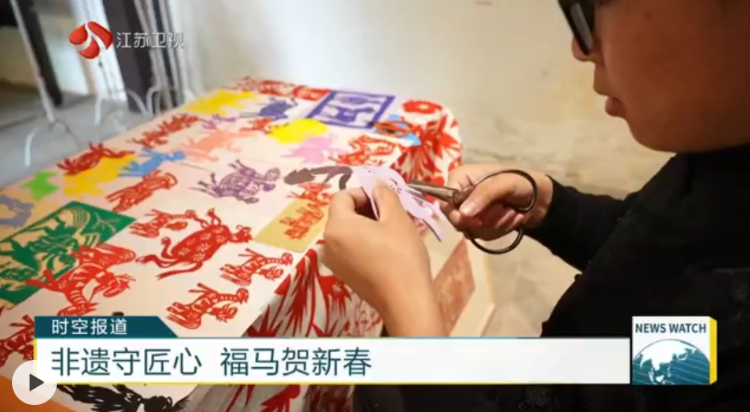
Core Viewpoint - The series of lectures titled "Dancing Scissors: Cultural Inheritance - Non-Heritage Inheritors Teach You to Learn Paper-Cutting (Season 7)" aims to immerse participants in the unique charm of paper-cutting, promoting the transmission of traditional culture through hands-on experience [1][2] Group 1 - The paper-cutting lecture series consists of four sessions, focusing on traditional themes such as group flowers, butterflies, the character "Fu," and the zodiac horse [1] - The instructor, Ai Junbo, is a non-material cultural heritage inheritor and vice secretary-general of the Chinese Paper-Cutting Artists Association, who engages readers with enthusiasm and approachable teaching methods [1] - The lectures combine theoretical knowledge with practical sessions, allowing participants to create their own paper-cutting works under professional guidance, enhancing their understanding and appreciation of the art form [1][2] Group 2 - The teaching method breaks away from static displays of non-heritage culture, facilitating dynamic transmission of paper-cutting art through interactive learning [2] - Participants not only learn paper-cutting techniques but also develop a love for traditional culture, resulting in the creation of beautiful works during the hands-on sessions [2] - An exhibition of the paper-cutting works created during the lectures will be held in the main hall of the Tangshan Library [2]

非遗小巷里的“楚味年”
Xin Lang Cai Jing· 2026-02-19 23:03
Core Viewpoint - The article highlights the vibrant cultural heritage and culinary traditions of the Zhiqu County in Yichang City, Hubei Province, particularly during the Spring Festival, showcasing local delicacies and traditional crafts as a means of cultural preservation and community engagement [1][2]. Group 1: Culinary Traditions - The streets of Zhiqu are filled with the aroma of various local foods, including fried potato chips, crispy snacks, and traditional steamed dishes, attracting large crowds [1]. - Local residents express nostalgia for traditional flavors, with one citizen recalling the taste of childhood during festive seasons [1]. Group 2: Cultural Heritage Activities - The "Non-material Cultural Heritage Street" spans 1500 square meters and features over 20 calligraphy volunteers creating traditional characters and couplets, enhancing the festive atmosphere [1]. - The event "Non-material Heritage Celebrating the New Year" aims to bring cultural heritage to life during the Spring Festival, emphasizing the importance of cultural continuity [2]. Group 3: Craftsmanship and Community Engagement - Local artisans, such as Luo Guanglin, demonstrate traditional crafts like grass weaving, creating various cultural products that incorporate local culture [2]. - The "Qu Yuan Reception Hall" allows visitors to engage with Qu Yuan culture through interactive poetry recitations, fostering a connection to historical literary traditions [2].
精心打磨 精彩绽放
Xin Lang Cai Jing· 2026-02-19 21:59
Core Viewpoint - The performance of Longjiang Shadow Play "Snow Girl Welcomes Spring" at the 2026 Spring Festival Gala in Harbin represents a blend of traditional culture and modern aesthetics, showcasing the unique charm of Longjiang's intangible cultural heritage [7][9]. Group 1: Performance Overview - The shadow play narrates the story of local customs in Longjiang's snowy countryside, emphasizing the theme of "Ice and Snow Warm the World" [7]. - The creative team, led by Wang Pei, aimed to innovate while preserving traditional elements, resulting in the creation of the character "Snow Girl" [7][9]. Group 2: Challenges Faced - The extreme cold posed significant challenges for the performance, affecting the adhesion of props and requiring the team to implement emergency solutions [8]. - The use of traditional materials was abandoned in favor of plastic due to time constraints, which introduced new difficulties in maintaining visual quality on stage [8]. Group 3: Creative Process - The creative team meticulously planned the 90-second performance, focusing on details such as the choice of spring couplet fonts and the design of children's costumes to reflect Longjiang's regional characteristics [9]. - The team faced challenges in ensuring performers could operate effectively in cold conditions, ultimately opting for medical gloves to balance warmth and dexterity [9]. Group 4: Cultural Significance - The success of "Snow Girl Welcomes Spring" highlights the dedication of generations of Longjiang shadow play artists, emphasizing the behind-the-scenes efforts that contribute to the art form's vitality [9].
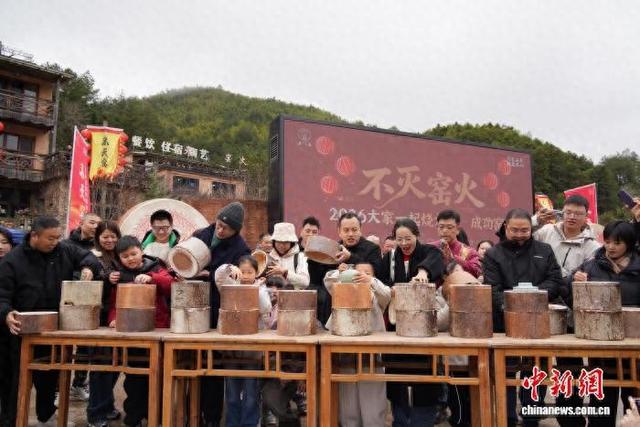
(新春走基层)千年青瓷映新春 浙江龙泉不灭窑火“烹”年味
Xin Lang Cai Jing· 2026-02-19 08:40
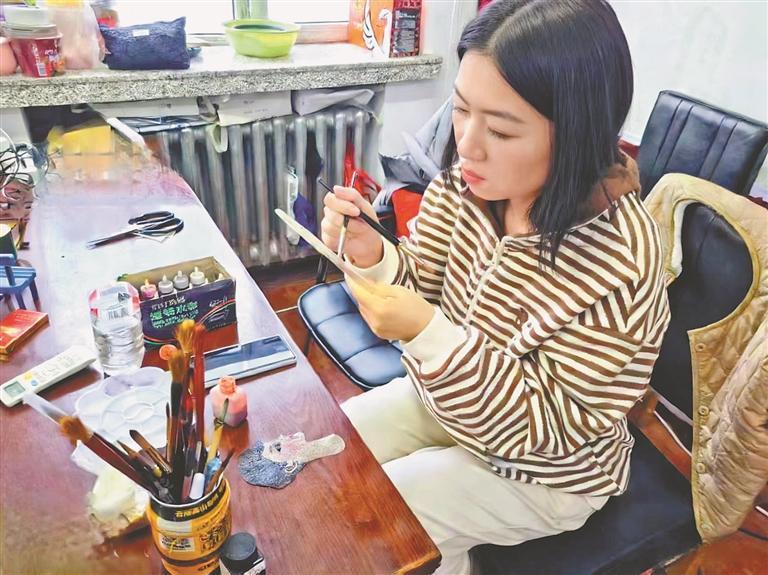
Core Viewpoint - The opening ceremony of the "Successful Kiln" in Longquan City, Zhejiang, marks the beginning of the Year of the Horse, showcasing the rich heritage of Longquan celadon and its significance in both cultural and economic contexts [1]. Group 1: Cultural Significance - Longquan celadon has been recognized as a UNESCO Intangible Cultural Heritage since 2009, highlighting its historical importance in global trade and as a medium for understanding Eastern aesthetics [1]. - The opening ceremony featured traditional rituals performed by kiln workers, emphasizing the cultural practices associated with celadon production [1]. Group 2: Economic Impact - Over 600 pieces of celadon were successfully produced in the "Successful Kiln," indicating a robust production capacity and the potential for economic growth in the local ceramics industry [1]. - The event attracted numerous visitors, including tourists who participated in the "blind box" experience, suggesting a growing interest in cultural tourism and local craftsmanship [3]. Group 3: Community Engagement - Special gifts were provided to visitors born in the Year of the Horse, fostering community spirit and enhancing the festive atmosphere [3]. - The "Qingyun Chengxin, Cema Yingchun" celadon exhibition featured over 40 works from young artisans, promoting local talent and innovation within the traditional craft [5].