经济发展模式转变

Search documents
国泰海通|策略:越世界,越中国——中国企业全球化与出海系列一
国泰海通证券研究· 2025-12-24 13:38
Core Viewpoint - Chinese enterprises are entering a new era of globalization, focusing on high-end segments of the global value chain, driven by the need for economic transformation and high-quality development [1][2]. Group 1: Industry Trends - The trend of Chinese companies going global is characterized by a systematic approach, moving from product exports to a model that includes "capacity + brand + channel" [2]. - China's trade competitiveness has significantly improved, especially in capital and technology-intensive sectors such as power equipment, engineering machinery, and motorcycles, with notable gains in passenger vehicles, machine tools, new materials, optical communications, and medical devices [2]. - The overseas gross profit margins of non-financial listed Chinese companies have surpassed domestic margins in the first half of 2023, indicating a shift towards higher value-added segments [2]. Group 2: Global Economic Context - The global industrial and infrastructure capital expenditure is entering an upward cycle, with emerging markets accelerating their capital spending due to previous high-interest rate constraints [3]. - Southeast Asian countries, with GDP per capita between $3,000 and $10,000, are experiencing explosive demand for electricity, infrastructure, production equipment, and durable consumer goods [3]. - Developed markets are also seeing a surge in demand for energy infrastructure updates driven by green transitions and AI-related needs, which is expected to boost demand for Chinese power equipment [3]. Group 3: Investment Recommendations - Recommended sectors include power equipment, machinery, automotive, new materials, innovative pharmaceuticals, and gaming, driven by industrialization in emerging markets and infrastructure updates in developed countries [4]. - High-value components are highlighted due to China's significant technological and cost advantages, with recommendations for communication equipment, automotive parts, innovative pharmaceuticals, and new materials [4]. - Consumer exports are expected to grow due to urbanization in emerging markets and the enhancement of China's cultural soft power, with recommendations for motorcycles, passenger vehicles, and gaming content [4].


上半年GDP10强城市基本确定:上海第1,杭州甩开武汉,青岛无缘
Sou Hu Cai Jing· 2025-07-27 19:16
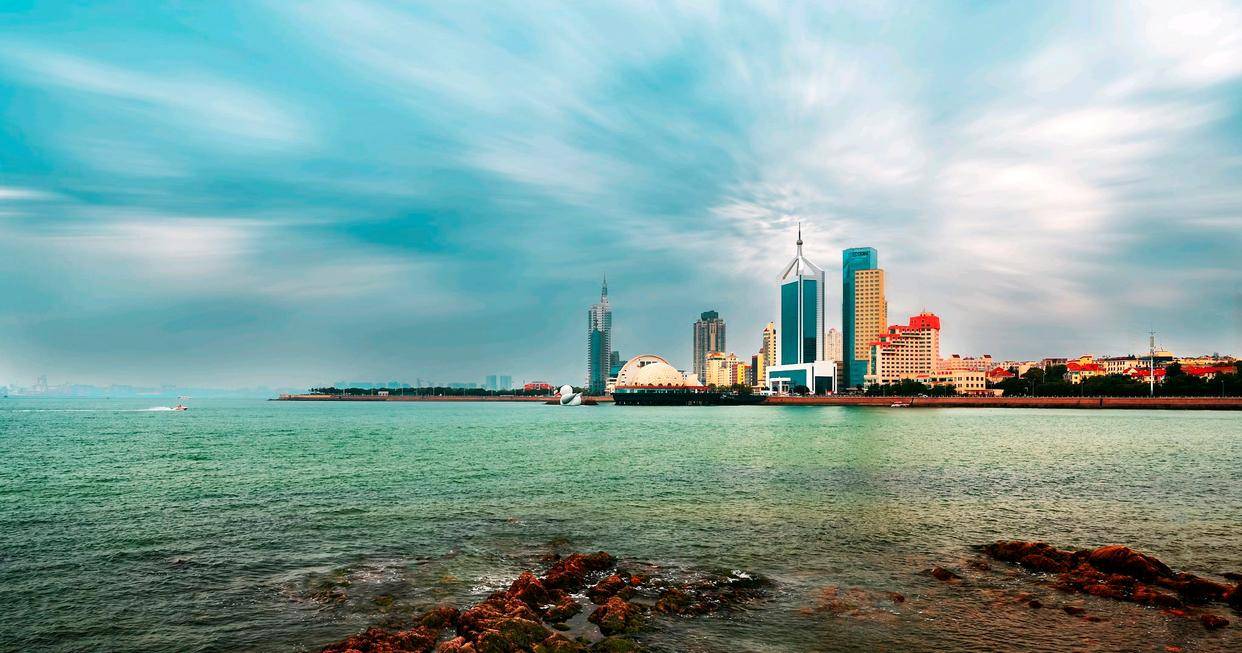
Group 1: Economic Performance - Shanghai leads the GDP rankings with 26,222.15 billion yuan, followed by Beijing and Shenzhen [1] - Chongqing enters the top four for the first time with a GDP of 15,929.58 billion yuan, indicating strong economic growth [1] - Hangzhou shows remarkable growth with an 11.5% nominal increase, surpassing Wuhan by over 700 million yuan [1][4] Group 2: Structural Changes - Shanghai's 4.61% growth rate masks significant structural adjustments, with traditional manufacturing declining by 3.2% while strategic emerging industries like integrated circuits and AI grow by 14.5% [2] - The rise of the Lingang New Area is notable, with offshore trade settlement exceeding 800 billion yuan, accounting for 28% of the national total [2] Group 3: Industry Dynamics - Hangzhou's digital economy core industry value reaches 4,380 billion yuan, making up 38.7% of its GDP [4] - In contrast, Wuhan's growth in traditional industries is only 4.8%, highlighting a disparity in industrial evolution [6] - Qingdao's economic transformation faces challenges, with a decline in the contribution rate of the marine economy and lagging digital transformation compared to Ningbo-Zhoushan Port [7] Group 4: Future Trends - The competition among cities reflects a generational shift in China's economic development model, emphasizing innovation as a core driver [8] - The narrowing GDP gap among cities indicates a transition from factor-driven to efficiency-driven growth, which will shape urban development in the next decade [8]