
经济高质量增长

Search documents
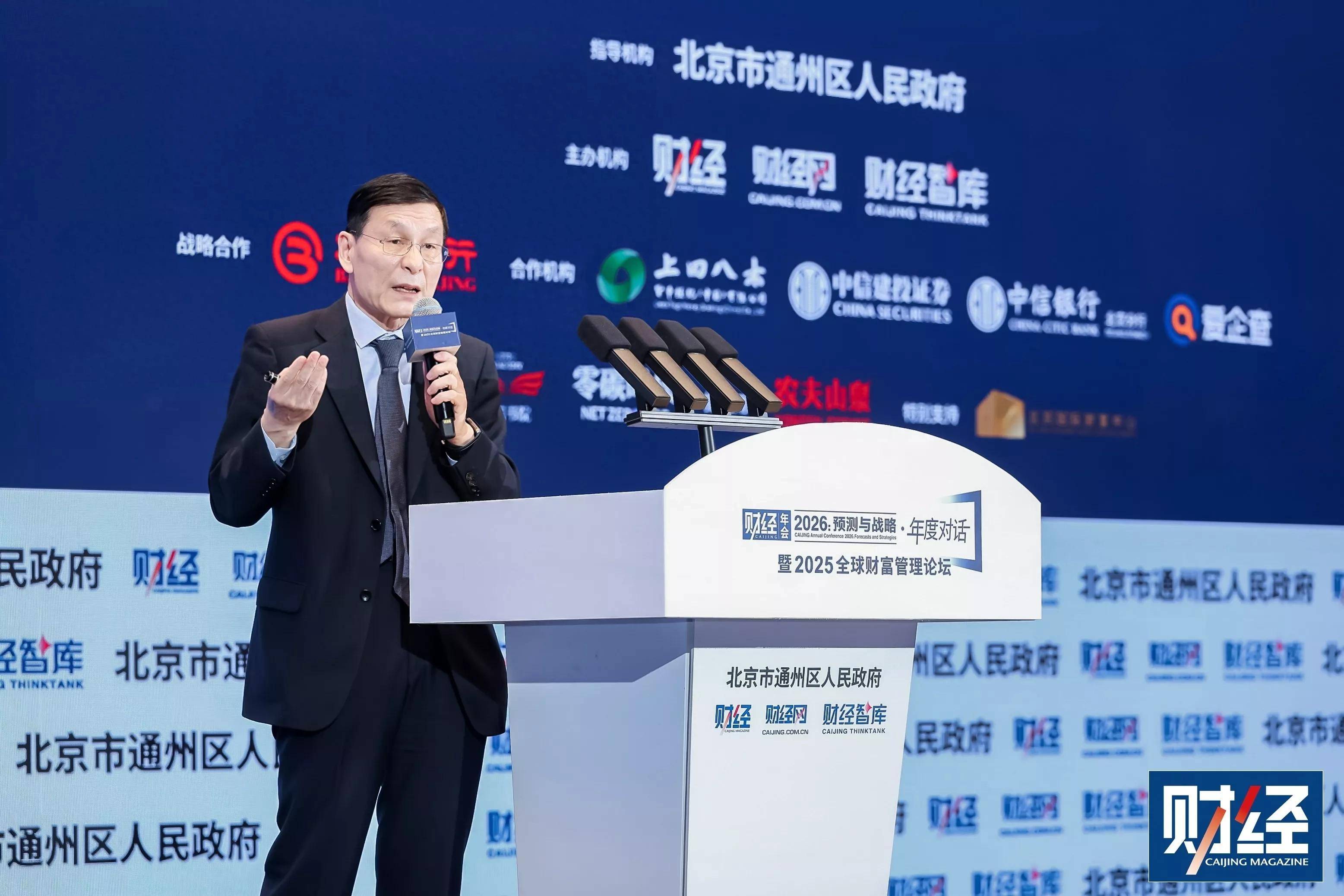
朱云来:经济高质量增长需要考虑效率问题,提升投资产出率与劳动生产率
Sou Hu Cai Jing· 2025-12-19 04:38
Core Insights - The forum "2026 Annual Dialogue and Global Wealth Management Forum" emphasizes the theme "China's Resilience in Changing Circumstances" and discusses the historical context of China's economic growth through its five-year plans [1] - The former CEO of China International Capital Corporation, Zhu Yunlai, highlights the need for China to achieve an average annual GDP growth of approximately 4.2% over the next decade to reach a per capita GDP of around $20,000 by 2035 [4][11] - The focus has shifted from high-speed growth to high-quality growth, emphasizing the efficiency of economic growth and the quality of investments [5][15] Economic Growth and Investment - Historical data shows that China's per capita GDP surpassed low-income countries in 1988, middle-income countries in 2007, and the world average in 2021, nearing high-income status by 2023 [11] - A study of 210 global economies indicates that for every 1% increase in economic growth, the net investment rate must increase by 3% [13] - To achieve the targeted growth, China's net investment rate may need to reach 13% [13] Quality of Growth - High-quality growth is defined by higher returns and better quality of investments, necessitating a focus on efficiency in growth [16][22] - Investment output rates have shown fluctuations, with a current rate of approximately 34%, indicating the need for improved asset return efficiency [16][18] Green Transition Opportunities - The green transition presents significant opportunities, with costs in solar and battery storage technologies decreasing rapidly, enhancing their economic viability [25][43] - The solar industry has seen an average cost reduction of 15% annually from 2010 to 2024, with cumulative reductions of about 70% [25] - Battery storage costs have also decreased by nearly 50% over five years, supporting the integration of renewable energy sources [25][43] Consumption and Economic Structure - The relationship between consumer spending and total factor productivity is highlighted, suggesting that improving healthcare and pension systems can boost consumption [30][32] - Urbanization is linked to increases in both income and consumption, indicating a need for policies that address urban-rural disparities [34] External Trade and Investment - Post-pandemic, China's exports have maintained rapid growth, but the correlation with imports has decreased, suggesting a need for flexible trade strategies [41] - The emphasis on "going out" and "bringing in" strategies for international competition and resource acquisition is crucial for sustaining economic vitality [41] Conclusion - The "14th Five-Year Plan" and economic development are complex systemic issues that require a comprehensive analytical framework for future research and planning [44]

图解:释放了哪些重要信号?券商首席解读中央经济工作会议
Zhong Guo Jing Ji Wang· 2025-12-12 08:25
Group 1 - The Central Economic Work Conference emphasized the need for a stable and effective policy environment, focusing on innovation, reform deepening, and risk prevention [4] - The conference highlighted the implementation of a moderately loose monetary policy and introduced the flexible and efficient use of various policy tools such as reserve requirement ratio (RRR) cuts and interest rate reductions [5] - The meeting's focus on "quality improvement and efficiency enhancement" indicates a shift towards policies that prioritize effectiveness over timing, aiming for high-quality economic growth through coordinated fiscal and monetary policies [6][7] Group 2 - The conference reiterated a proactive macroeconomic policy stance, continuing with an active fiscal policy and moderately loose monetary policy to support economic recovery and improve the fundamentals of listed companies [8] - For 2026, the focus will shift towards quality improvement, structural adjustments, and technological self-reliance, with expectations for a "technology growth" style in the A-share market [8] - The meeting indicated that the policy intensity will remain stable, with new measures aimed at destocking in the real estate market and promoting reasonable price recovery [9][10] Group 3 - Fiscal funding is expected to shift towards a balanced approach between investment and consumption, with increased emphasis on household welfare and social security measures [11] - The monetary policy is projected to maintain a moderately loose stance, with potential interest rate cuts and RRR reductions anticipated, while focusing on directing financial resources towards technology innovation and green development [12] - The conference also confirmed the need to reform the housing provident fund system to support housing needs, particularly for new citizens and young people in urban areas [14]

7月份制造业景气水平有所回落 非制造业整体继续保持扩张
Yang Shi Xin Wen· 2025-07-31 02:39
Group 1 - The manufacturing purchasing managers' index (PMI) for July in China is reported at 49.3%, a decrease of 0.4 percentage points from the previous month, indicating a decline in manufacturing sentiment [2] - The manufacturing new orders index has fallen into the contraction zone, reflecting weak performance, while the production index remains in the expansion zone at 50.5%, marking three consecutive months of growth [2] - The manufacturing raw material purchase price index has risen to 51.5%, an increase of 3.1 percentage points, returning to the expansion zone after four months below 50% [2] Group 2 - The non-manufacturing business activity index for July is at 50.1%, down 0.4 percentage points from the previous month, but still indicates expansion [5] - The service sector shows stability, with business activity indices for transportation and tourism-related industries remaining above 60%, indicating robust growth [5] - The business activity expectation index for the service sector has risen to above 55%, suggesting optimism among service enterprises regarding market prospects [5]