美元体系信任危机

Search documents
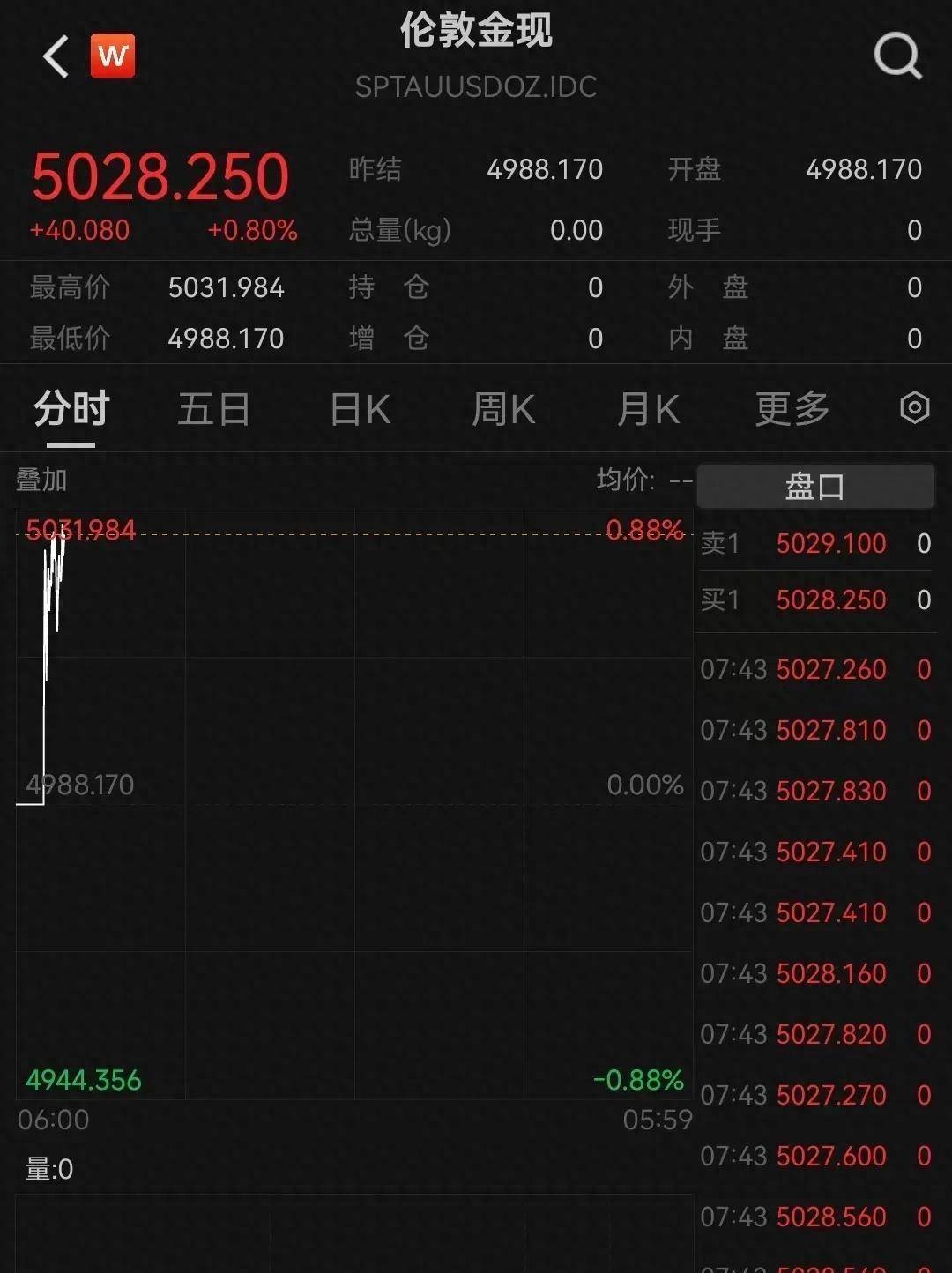
黄金冲上5000美元,德国出手了!千吨黄金正从美国撤走
Sou Hu Cai Jing· 2026-02-07 21:41
Core Viewpoint - Germany plans to repatriate over 1,230 tons of gold stored in the New York Federal Reserve, which constitutes 37% of its total gold reserves, amid rising global economic volatility and geopolitical tensions [1][2][6][12]. Group 1: Historical Context - The gold stored in New York was not voluntarily placed there by Germany; it was a product of historical circumstances following World War II and the establishment of the Bretton Woods system [7][9]. - The gold was accumulated post-war through industrial manufacturing and export trade, serving as a hard currency and a financial safety net for the country [4][5]. Group 2: Current Economic Climate - The current global economic instability and frequent geopolitical conflicts have heightened the importance of gold as a secure asset [6]. - The price of gold has surged, reaching approximately $5,000 per ounce, making the value of the 1,236 tons of gold nearly $200 billion [10][11]. Group 3: Trust and Security Concerns - Trust in the U.S. financial system has eroded, particularly after actions taken by the Trump administration that undermined alliances and raised concerns about the security of assets held abroad [13][15][27]. - The freezing of Russian foreign reserves, including gold, has prompted countries like Germany to reconsider the safety of their assets stored in foreign banks [15][17]. Group 4: Strategic Shift - Germany's decision to repatriate gold signifies a strategic shift from reliance on allies for security to a focus on self-sufficiency and control over core resources [23][24]. - The action reflects a broader trend among central banks to increase domestic gold reserves and reduce dependence on foreign storage [17][29]. Group 5: Implications for Global Financial System - The repatriation of gold by Germany could trigger a chain reaction, prompting other countries to reassess their gold storage strategies and potentially leading to a significant decrease in gold held in New York [20][35]. - This movement away from centralized storage in New York may alter the global gold pricing mechanism and the liquidity of the U.S. dollar [39][41].

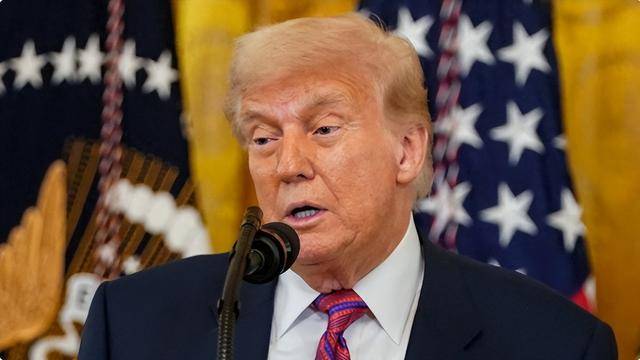
美债被集中抛售,特朗普作出决定,美联储将换帅,最大赢家已浮现
Sou Hu Cai Jing· 2026-01-31 08:31
Group 1 - The core issue is the trust crisis in the dollar system, with the U.S. facing significant debt problems and policy instability, leading to a global sell-off of U.S. Treasuries [7][11][23] - The U.S. federal government debt exceeded $38.5 trillion by the end of 2025, with annual interest payments surpassing $1 trillion, which is more than the defense budget [7][11] - Major financial institutions in Denmark, Sweden, and Germany, as well as emerging economies like India and Brazil, have begun to reduce their holdings of U.S. Treasuries [8][10] Group 2 - China has been steadily reducing its U.S. Treasury holdings, which fell to $688.7 billion by October 2025, marking a decrease of over $580 billion from its peak of $1.3 trillion in January 2013 [10][14] - The political shift in the U.S. Federal Reserve, with the nomination of Kevin Walsh, indicates a move towards a more politically influenced monetary policy, raising concerns about the independence of the Fed [5][11] - The depreciation of U.S. Treasury prices and rising yields are increasing borrowing costs for American households and businesses, leading to greater financial strain [11][13] Group 3 - China is emerging as a significant beneficiary of the current financial crisis, leveraging stable financial strategies and diversifying its foreign exchange reserves [14][18] - By providing low-interest dollar loans to developing countries like Argentina and Indonesia, China is facilitating the repayment of U.S. Treasuries while promoting trade in renminbi [16][19] - The ongoing de-dollarization process is accelerated by the U.S.'s long-term credit overextension and misuse of financial hegemony, positioning China favorably in the evolving global financial landscape [23][25]
金银狂飙:地缘风暴下的避险狂欢
Sou Hu Cai Jing· 2026-01-22 16:51
Group 1 - The core catalyst for the surge in gold and silver prices was the announcement by former President Trump regarding tariffs on eight European countries, which sparked market panic [2] - This event reflects a broader trend of U.S. strategic contraction and unilateralism, indicating a significant backlash from Europe against American hegemony [3] - The weaponization of tariffs has raised doubts about the dollar's status as a safe-haven asset, leading to a crisis of confidence in the dollar system [4] Group 2 - The surge in silver prices was driven by both industrial demand due to the green transition and AI development, as well as tight supply conditions [7] - Gold's price increase is supported by long-term factors such as central bank purchases and expectations of a loosening monetary policy from the Federal Reserve [8] Group 3 - Despite the long-term bullish outlook for gold and silver, short-term volatility poses significant risks, including the potential for a protracted negotiation over tariffs [10] - Technical indicators suggest that both gold and silver are currently overbought, indicating a likelihood of price corrections [11] - A rebound in the dollar could exert downward pressure on gold and silver prices, although long-term trends suggest a systemic support for higher gold prices [12] Group 4 - Investment strategies should differentiate between gold and silver, with gold being suitable for long-term holding and silver for more tactical trading [14] - Risk management is crucial, including setting stop-loss levels and diversifying investments to mitigate concentration in precious metals [14]

黄金热背后的冷思考
He Nan Ri Bao· 2025-10-09 22:50
Core Viewpoint - The recent surge in gold prices, surpassing $4,000 per ounce, reflects a significant shift in the macroeconomic environment, driven by high U.S. government debt, rising expectations of interest rate cuts by the Federal Reserve, and a growing distrust in the U.S. dollar system [2] Group 1: Gold Price Surge - Gold prices have increased over 50% year-to-date, leading to a widespread "gold rush" sentiment among investors [2] - The continuous buying by central banks, including China's increase in gold reserves to 74.06 million ounces, reinforces the upward trend in gold prices [2] - High-profile reports, such as from Goldman Sachs, predict that central banks will maintain high net gold purchases in the coming years to diversify their reserves [2] Group 2: Investment Risks - The recent spike in gold prices has led to concerns about potential investment risks, with prices for gold futures and jewelry reaching significant highs [3] - Historical data indicates that gold prices can experience substantial declines, as seen in 2011 when prices fell nearly 50% over four years after peaking [3] - Gold does not generate cash flow, and its value is contingent on maintaining high prices; significant volatility could lead to losses for holders [3] Group 3: Investment Strategy - A rational investment approach suggests incorporating gold into a long-term asset allocation rather than engaging in short-term speculation [3] - Physical gold is more suitable for collection or gifting, while financial products like ETFs and paper gold offer better liquidity and risk diversification [3] - The ongoing trend of de-dollarization and persistent sovereign debt pressures indicate that gold's strategic importance is likely to remain stable, despite unpredictable short-term price fluctuations [3]