美元地位削弱

Search documents
美股震荡似2008!英伟达循环交易推泡沫,影子银行融资风险扩大
Sou Hu Cai Jing· 2025-12-03 04:20
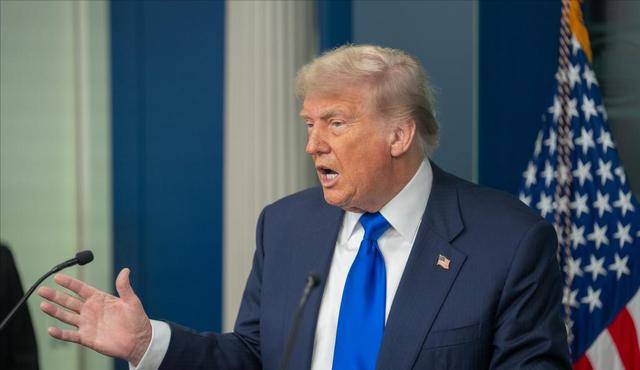
Group 1 - The article discusses concerns over Trump's tariff policies, suggesting they may lead to economic issues in the U.S. and undermine confidence in the dollar-based financial system globally [1][13] - The U.S. stock market is experiencing a rise, but underlying mechanisms appear "virtual," with companies like Nvidia inflating valuations through internal financing arrangements [3][5] - There is a growing risk associated with cryptocurrency, as traditional financial institutions are integrating it despite its volatility, which could lead to significant financial instability [7][19] Group 2 - The U.S. national debt has reached $38 trillion, which is 1.25 times the annual GDP, with interest payments nearing $1 trillion annually, diverting funds from public welfare [11][13] - Japan's debt situation is also alarming, with a debt-to-GDP ratio of 2.6, raising concerns about the sustainability of its financial practices [13][15] - The International Monetary Fund (IMF) reports a decline in the dollar's share of global foreign exchange reserves to its lowest in decades, indicating a potential shift away from dollar reliance in international trade [15][17] Group 3 - The article highlights that countries like Brazil and India are increasingly opting for local currencies in trade, reducing their dependence on the dollar, which could further erode the dollar's dominance [17][19] - The interconnectedness of global economies means that financial issues in the U.S. could have widespread repercussions, potentially leading to a re-evaluation of the existing financial system [19][21] - The article concludes that without addressing these accumulating risks, the consequences could be severe, affecting not just the U.S. but the global population [21]


美政府“停摆”已超半月 孕育“新历史纪录” 两党却还斗得火热
Yang Shi Xin Wen· 2025-10-17 04:42
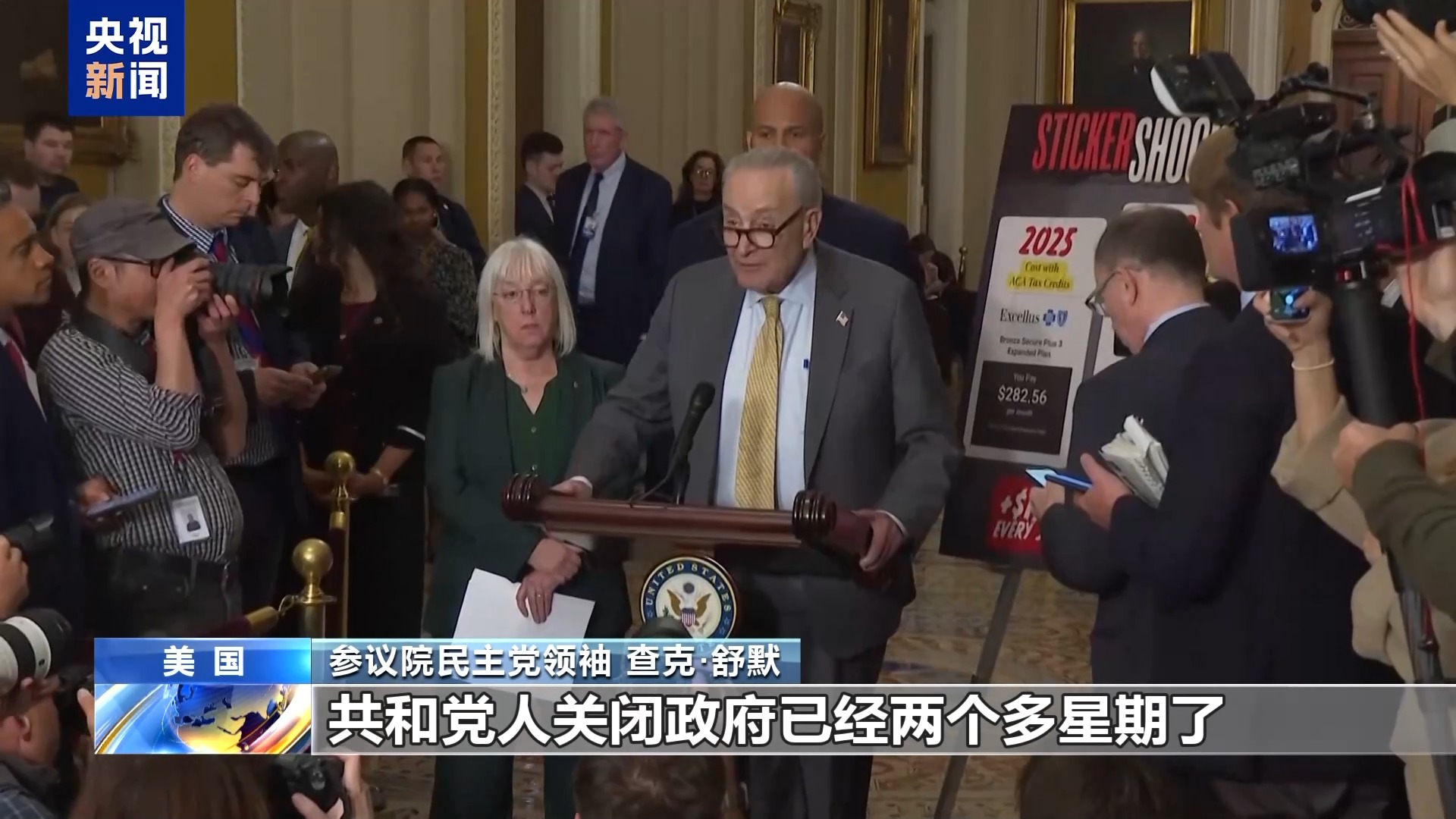
Core Points - The U.S. government shutdown has reached 16 days, potentially becoming the second-longest in history if it continues beyond 17 days [4][6] - The ongoing shutdown is causing significant economic repercussions, including delays in key economic data releases and a negative impact on the U.S. economy [13][15] - Political tensions between the Republican and Democratic parties are escalating, with accusations and blame being exchanged regarding the shutdown [7][11] Economic Impact - The shutdown has led to the freezing or cancellation of funding for over 200 projects across the U.S., totaling nearly $28 billion, primarily affecting Democratic-led states and projects [11][12] - The U.S. Labor Department has postponed the release of the Consumer Price Index (CPI) and employment data, which could hinder decision-making by the Federal Reserve [13][15] - The ongoing shutdown is estimated to cost the U.S. economy approximately $15 billion per day, raising concerns about long-term economic damage [15][17] Political Dynamics - Senate Democratic leader Chuck Schumer criticized Republicans for the shutdown, attributing it to their refusal to negotiate [2] - Senate Republican leader John Thune expressed frustration over the Democrats' inaction, emphasizing the financial strain on American workers [3] - The Department of Homeland Security has attempted to shift blame to Democrats for the shutdown, although some airports have refused to broadcast this message due to political content regulations [7][9]
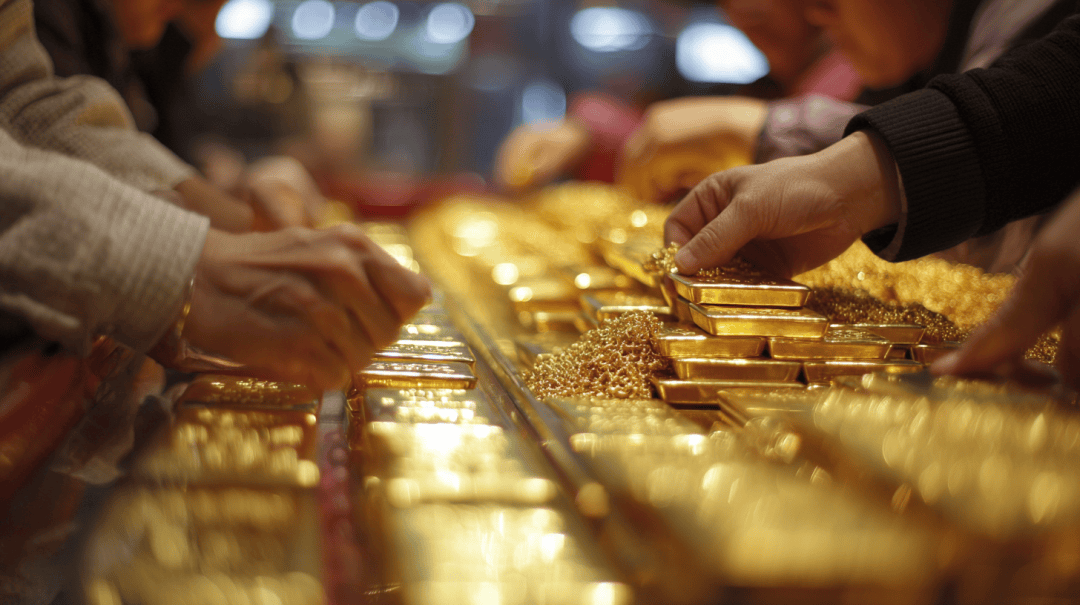
黄金暴动,但很多人已经下车了
Sou Hu Cai Jing· 2025-09-04 05:42
Group 1 - Gold prices have recently surged, breaking the $3,500 per ounce mark, reaching a historical high, while silver prices have also risen above $40 per ounce for the first time since 2011 [1][3] - The market is speculating that gold could reach $4,000 per ounce in the near future, indicating strong bullish sentiment [1] - The rise in gold prices is attributed to two main factors: the impending interest rate cuts by the Federal Reserve and growing concerns about stock market bubbles, particularly in technology stocks [3] Group 2 - Central banks, especially in emerging markets, are diversifying their foreign exchange reserves by increasing gold holdings, which is a significant trend impacting gold prices [3] - The proportion of gold in foreign central banks' international reserves has surpassed that of U.S. Treasury securities for the first time since 1996, marking a historic shift in reserve management [3] - The long-term outlook for gold remains strong, but short-term price movements may be influenced by upcoming U.S. employment data and investor behavior following holidays [5] Group 3 - Various ways for individuals to participate in the gold market include physical gold (bars and coins), gold ETFs, and gold stocks, each with different risk and liquidity profiles [5][6] - Gold stocks may offer higher returns compared to gold itself during a bull market, but they also come with greater volatility [6] - For those looking to hedge against market risks, physical gold or gold ETFs are recommended over gold stocks [6]