美国经济加速增长

Search documents
从金属到股市,海外市场正在重新定价“美国经济加速增长”
Sou Hu Cai Jing· 2025-12-16 13:38
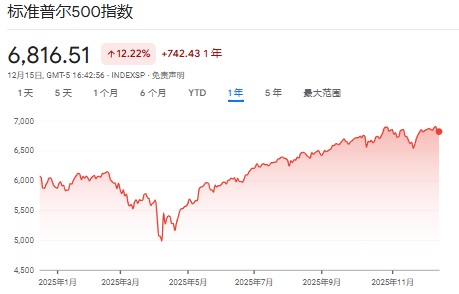
Core Viewpoint - The global financial markets are undergoing a significant repricing driven by a reassessment of the U.S. economic growth outlook, with cyclical assets outperforming defensive sectors and a notable rebound in risk appetite indicators [1][3]. Group 1: Market Dynamics - Goldman Sachs' risk appetite indicator reached 0.75, the highest level since January, indicating a strong performance of risk assets driven by improved growth expectations [3]. - The PC1 "global growth" factor recorded one of its largest rebounds since 2000 over the past three weeks, reflecting a significant reassessment of growth expectations [3]. - The market's growth reassessment is highly synchronized with global macro surprise indices, with macro data from developed and emerging markets generally exceeding expectations [3]. Group 2: Sector Performance - Cyclical sectors, particularly materials and financials, have significantly outperformed defensive sectors in this growth reassessment, with the S&P 500 expected to see a 12% growth in earnings per share by 2026 [4]. - The rise in U.S. and German 10-year government bond yields is primarily driven by real interest rates, while inflation pricing has lagged behind the rebound in cyclical assets [4]. - The commodity market has also benefited from improved growth expectations, with copper prices showing strong performance as an economic growth indicator [7]. Group 3: Asset Allocation Strategy - Goldman Sachs maintains a moderately risk-on asset allocation strategy for 2026, recommending an overweight in equities over the next 3 to 12 months, with neutral positions in bonds, commodities, and cash, and an underweight in credit [8]. - The importance of diversification and hedging strategies is emphasized to protect equity overweight positions, with tools such as front-end rate receivers and CDS buyers being considered effective for hedging against negative growth shocks [8]. - Current U.S. equity pricing reflects growth expectations close to market consensus but has further upside potential if economic data continues to exceed expectations, particularly if U.S. growth reaches Goldman Sachs' forecast of 2.5% [8].


从金属到股市,海外市场正再重新定价“美国经济加速增长”
Hua Er Jie Jian Wen· 2025-12-16 13:28
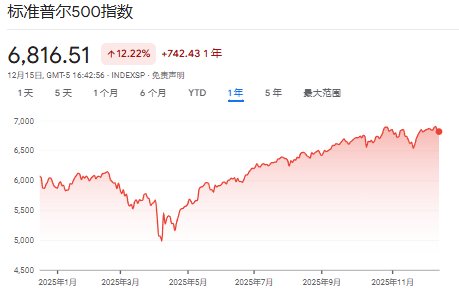
Core Viewpoint - The global financial markets are undergoing a significant repricing driven by a reassessment of the U.S. economic growth outlook, with notable improvements in risk appetite and asset performance [1][3]. Group 1: Market Dynamics - Goldman Sachs' risk appetite indicator reached 0.75, the highest level since January, indicating strong performance in risk assets driven by improved growth expectations [3]. - The "global growth" factor from Goldman Sachs recorded one of its largest rebounds since 2000 over the past three weeks, suggesting a robust market reassessment [3]. - The current pricing of U.S. equities reflects a consensus GDP growth of approximately 2.0% for 2026, which is below Goldman Sachs' forecast of 2.5%, indicating potential for further asset repricing if economic data continues to exceed expectations [1][4]. Group 2: Sector Performance - Cyclical assets have shown significant strength, with materials and financial sectors leading the global stock market, outperforming defensive sectors [4]. - The S&P 500 index is projected to see a 12% growth in earnings per share by 2026, reflecting positive sentiment in cyclical sectors [4]. - In the bond market, rising yields on U.S. and German 10-year government bonds are primarily driven by increasing real interest rates, while inflation pricing has lagged behind the rebound in cyclical assets [4]. Group 3: Commodity Market - The commodity market has benefited from improved growth expectations, with copper prices showing strong performance as a key economic growth indicator [7]. - Gold prices have remained resilient despite pressures from a strengthening dollar and rising real interest rates [7]. Group 4: Asset Allocation Strategy - Goldman Sachs maintains a moderately risk-on asset allocation strategy for 2026, recommending an overweight in equities while maintaining neutral positions in bonds, commodities, and cash, and underweighting credit [8]. - The importance of diversification and hedging strategies is emphasized to protect equity positions, with tools such as front-end rate receivers and put options on cyclical stocks being highlighted as effective hedges against negative growth shocks [8]. - The ongoing global repricing of U.S. economic growth is reflected across various asset classes, with the sustainability of this trend dependent on upcoming economic data validating current optimistic sentiments [8].