
老旧小区加装电梯

Search documents
老旧小区加装电梯纳入国补, 项目“启动难”痛点迎刃而解
Mei Ri Jing Ji Xin Wen· 2026-01-09 06:05
Core Viewpoint - The recent policy by the National Development and Reform Commission and the Ministry of Finance includes subsidies for the installation of elevators in old residential communities, addressing the challenges of project initiation and enhancing competition in the industry [1][4]. Group 1: Policy Changes and Impacts - The 2026 "Two New" policy introduces subsidies for the installation of elevators in old residential communities, marking a significant step in improving living conditions and stimulating domestic demand [4]. - The subsidy standards have been refined to provide differentiated support based on the number of elevator stops, moving away from a flat-rate subsidy [1][4]. - The policy aims to accelerate previously slow projects due to funding issues, positively impacting the entire elevator manufacturing, installation, and service industry [4][5]. Group 2: Current Status and Statistics - Since the beginning of the 14th Five-Year Plan, Beijing has installed 3,391 elevators, benefiting approximately 35,000 households [5]. - In 2025, Beijing plans to complete the installation of 6,073 elevators in old residential buildings, with significant progress already reported [5][6]. - The highest number of elevator installations in Beijing is in Haidian District, with 1,375 units installed [7]. Group 3: Installation Models and Challenges - There are three main models for elevator installation: self-funded by residents, funded by property units or collectives, and a leasing model encouraging private investment [8]. - The new policy alleviates cash flow pressures for companies and activates more projects, but government subsidies may not fully cover costs, serving primarily as a catalyst for additional funding from residents and private sectors [10][21]. - Concerns remain among residents regarding the long-term maintenance costs and potential impacts on property values, complicating consensus on installation [11][14]. Group 4: Market Dynamics and Future Considerations - The new policy is expected to reshape market demand and competition, benefiting manufacturers, installation companies, and maintenance service providers [20]. - Increased participation from small and medium-sized enterprises in bidding for government projects is anticipated, leading to heightened competition in the industry [20]. - Companies may need to explore integrated construction and maintenance models to gain competitive advantages in this evolving market landscape [20][21].

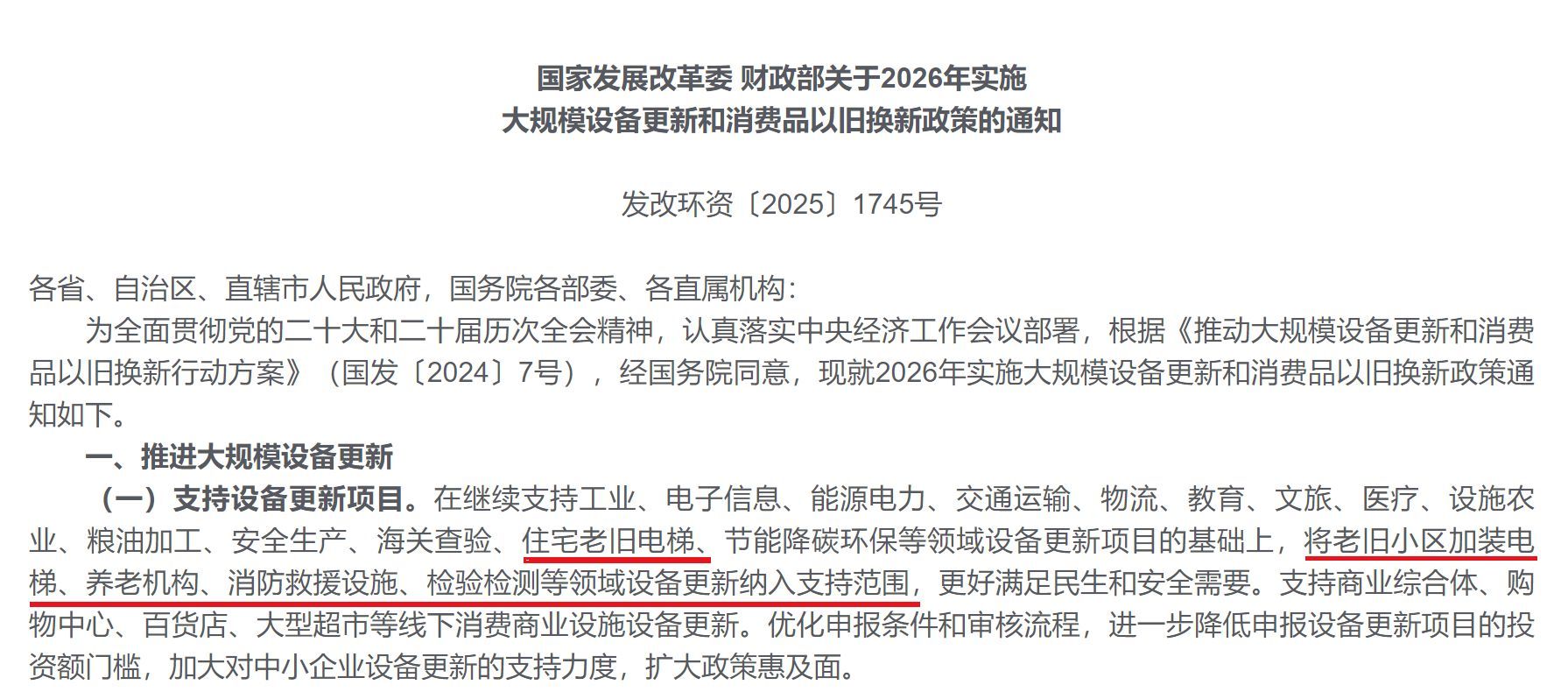
国补托底!小区加装电梯告别“启动难”
Xin Lang Cai Jing· 2026-01-08 20:05
Core Viewpoint - The introduction of national subsidies for elevator installation and updates in old residential communities is expected to significantly alleviate financial burdens and facilitate quicker consensus among residents, addressing long-standing challenges in the process [1][3]. Group 1: Policy Changes - The new national subsidy policy includes both the installation of new elevators and the updating of old ones, expanding the support beyond previous local subsidy measures [3]. - The subsidy model has shifted from a fixed amount to a tiered system based on the number of elevator stops, providing more financial support for higher floors [3]. - A total of 625 billion yuan in special long-term bonds has been allocated to ensure robust funding for these projects [3]. Group 2: Community Impact - The subsidy reduces the financial burden on residents, enhancing their overall quality of life and happiness [3]. - The alleviation of financial pressure facilitates smoother negotiations among neighbors, leading to improved community relations [3]. - The implementation of a "party building + resident autonomy" model has proven effective in helping communities reach agreements more quickly [3]. Group 3: Industry Outlook - The policy is expected to stimulate the entire elevator manufacturing, installation, and maintenance industry, attracting more companies to participate [3]. - Future trends indicate a move towards large-scale implementation of elevator installations in eligible communities, creating a favorable environment for widespread adoption [4]. - Innovative models such as "managed elevator installation" and "shared elevators" from other cities may be adopted to further reduce the upfront costs for residents [4].
国补托底!长沙老旧小区加装电梯将告别 “启动难”
Xin Lang Cai Jing· 2026-01-08 14:51
Core Viewpoint - The introduction of national subsidies for elevator installation in old residential communities is expected to significantly alleviate financial burdens and expedite the process of adding elevators, addressing long-standing challenges faced by residents [1][3]. Group 1: Policy Changes - The new national subsidy policy includes both the installation of new elevators and the updating of old ones, expanding the support scope compared to previous local policies [3]. - The subsidy model has shifted from a fixed amount to a tiered system based on the number of elevator stops, providing more financial support for higher floors [3]. - A total of 625 billion yuan in special long-term bonds has been allocated to ensure funding for these projects, strengthening financial backing for implementation [3]. Group 2: Current Challenges - Many old residential communities in Changsha face significant challenges in elevator installation due to funding and coordination issues, with previous costs reaching tens of thousands of yuan per unit [2]. - The failure rate of elevators over 15 years old is significantly higher than that of new elevators, contributing to safety concerns [2]. Group 3: Community and Industry Impact - The subsidy policy is expected to enhance residents' quality of life by reducing their financial contributions and fostering smoother negotiations among neighbors [3]. - The policy is likely to stimulate the entire elevator manufacturing, installation, and maintenance industry, attracting more companies to participate [3]. Group 4: Future Trends - The installation of elevators in old residential communities is anticipated to progress on a larger scale, with more eligible communities being included in the installation plans [4]. - Innovative models such as "managed elevator installation" and "shared elevators" may be promoted to further reduce the financial burden on residents [4].
老旧小区加装电梯纳入国补 项目“启动难”迎刃而解
Mei Ri Jing Ji Xin Wen· 2026-01-07 13:46
Group 1 - The National Development and Reform Commission and the Ministry of Finance have issued a notice to optimize the implementation of the "Two New" policy for 2026, which includes subsidies for the installation of elevators in old residential communities [1] - The new policy aims to accelerate the installation of elevators in old residential areas, addressing the needs of elderly residents and enhancing domestic demand [1][5] - Beijing has completed the installation of 3,391 elevators since the 14th Five-Year Plan, benefiting approximately 35,000 households, with significant government support for elevator updates [2][3] Group 2 - The new policy is expected to alleviate cash flow pressures for companies and stimulate more projects, transitioning from reliance on resident funding to central government support [5][10] - Different funding models for elevator installation in old communities include self-funded by residents, funded by property units, and leasing models involving social capital [4] - The competitive landscape in the elevator installation market is likely to change, with more small and medium-sized enterprises participating in government projects due to lowered investment thresholds and optimized review processes [10]
老旧小区加装电梯纳入国补, 项目启动难
Mei Ri Jing Ji Xin Wen· 2026-01-06 23:55
Core Viewpoint - The recent policy issued by the National Development and Reform Commission and the Ministry of Finance aims to optimize the implementation of the "Two New" policy for large-scale equipment updates and consumer goods replacement by enhancing support for old residential communities, particularly in adding elevators [1][4]. Group 1: Policy Implementation - The 2026 "Two New" policy introduces new subsidies for adding elevators in old residential communities, signaling a significant push by the government to improve living conditions and stimulate domestic demand [4]. - The subsidy standards have been refined, transitioning from flat-rate subsidies to tiered, differentiated subsidies based on the number of floors served by the elevator [1][4]. Group 2: Market Impact - The policy is expected to accelerate the previously slow progress of elevator installations in old communities due to funding issues, positively impacting the entire elevator manufacturing, installation, and service industry [4][5]. - Data shows that since the start of the 14th Five-Year Plan, Beijing has completed the installation of 3,391 elevators, benefiting approximately 35,000 households [5]. Group 3: Funding and Support - The government has provided substantial support through special bonds for the renovation and elevator installation projects, with over 11,000 elevators receiving funding, and 9,919 of these have commenced work [5]. - In 2024, 911 elevators in Beijing received funding support, all of which have been completed, while over 10,000 elevators are expected to receive funding in 2025 [5]. Group 4: Installation Models - There are three primary models for elevator installation in old communities: owner-funded self-construction, collective funding by property units, and a leasing model encouraging private investment [8]. Group 5: Challenges and Considerations - Despite the push for elevator installations, there are concerns among residents regarding maintenance costs and the impact on property values, particularly for lower-floor units [12][13]. - The policy aims to alleviate cash flow pressures for companies and stimulate more projects, but the subsidies may not fully cover costs, necessitating additional funding from residents and private sectors [10][19]. Group 6: Industry Dynamics - The new policy is anticipated to reshape market demand and competition within the elevator industry, prompting companies to explore integrated service models to maintain a competitive edge [19]. - Companies may need to adjust pricing strategies to reflect the differentiated subsidies and construction costs associated with varying building structures [19].
湖墅街道为老旧小区加装电梯注入资金活水
Hang Zhou Ri Bao· 2025-08-29 02:59
Core Viewpoint - The introduction of the "Jia Ti Dai" (elevator loan) service aims to facilitate the installation of elevators in old residential communities, addressing the financial challenges faced by residents and enhancing their living conditions [3][4]. Group 1: Financial Support Mechanism - The "Jia Ti Dai" service allows elevator installation companies to apply for a bank loan of up to 200,000 yuan, enabling residents to only need to gather 300,000 yuan to commence the project [4]. - Each elevator installation project receives a government subsidy of 200,000 yuan, but this subsidy is only disbursed after the project is completed and passes inspection, requiring residents to initially cover the full project cost [4]. Group 2: Community Support Initiatives - The initiative includes measures to support low-income families, such as waiving three years of elevator operation fees for eligible households, thereby reducing their long-term financial burden [5]. - The project is being piloted in the Hushu Street area, with plans for gradual expansion across the district and city to benefit more residents [5].
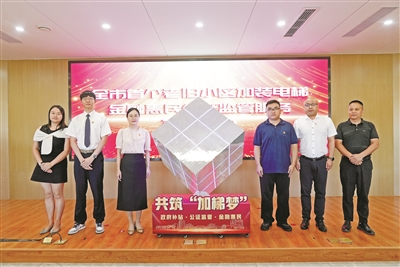
“垂直困境”:老旧小区加装电梯的“高低之争”
Xin Lang Cai Jing· 2025-07-02 03:04
Core Viewpoint - The installation of elevators in old residential buildings in China is a complex issue that highlights the conflicting interests of residents on different floors, leading to disputes and challenges in implementation [2][9][13] Group 1: Elevator Installation Challenges - The process of adding elevators is often met with resistance from lower-floor residents who perceive it as a threat to their property value and quality of life, while higher-floor residents view it as a necessity [2][5] - Legal disputes frequently arise, with higher-floor residents suing lower-floor residents for obstructing elevator installation, indicating a significant divide in interests [5][6] - The lack of a unified homeowners' organization in large old communities complicates the decision-making process and increases communication costs [5][10] Group 2: Policy and Government Initiatives - The Sichuan provincial government has implemented policies to promote elevator installation, including financial support and regulatory frameworks to facilitate the process [13][15] - Nationally, there is a significant market potential for elevator installation, estimated at approximately 2.6 trillion yuan, which presents opportunities for elevator manufacturers and service providers [15] - The government aims to enhance the living conditions of residents, particularly the elderly, through initiatives that include elevator installations as part of broader urban renewal efforts [13][15] Group 3: Community Dynamics and Social Impact - The social dynamics within communities are strained due to the conflicts over elevator installations, leading to a deterioration of neighborly relations [6][8] - Successful elevator installations can significantly improve residents' quality of life and foster a sense of community, bridging the emotional gap created by building height differences [15] - Innovative community practices, such as pre-defined maintenance funding plans, have emerged to address long-term operational challenges associated with newly installed elevators [11][12]
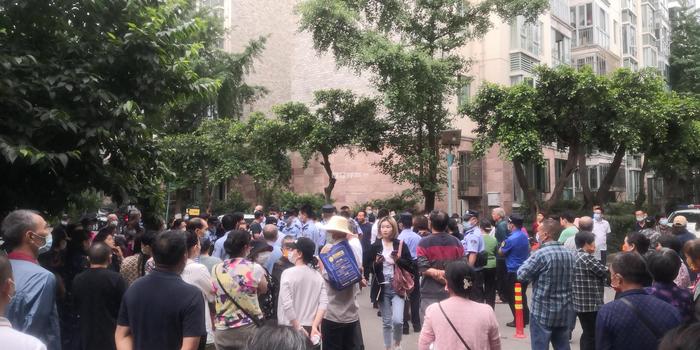
老旧小区装电梯遇采光纠纷如何解决?最高法发布典型案例
Yang Shi Xin Wen· 2025-05-26 07:25
Group 1 - The core viewpoint of the article emphasizes the importance of judicial support in resolving disputes related to the installation of elevators in old residential communities, highlighting the need for mutual understanding among neighbors [1][2][3] - The case involving the installation of an elevator in a residential building in Wuxi illustrates the legal process and community consensus required for such projects, as the majority of homeowners agreed to the installation [2][3] - The court ruling reinforces the principle that neighboring property owners should accommodate reasonable uses of property that enhance living conditions, particularly for vulnerable groups like the elderly and children [2][3] Group 2 - The second case discusses the obligation of property management companies to facilitate the installation of electric vehicle charging stations, reflecting the growing demand for sustainable energy solutions [4][5][6] - The court determined that property management companies must support homeowners' requests for charging facilities, aligning with national energy-saving initiatives and enhancing residents' living experiences [5][6] - This ruling serves as a precedent for addressing the installation challenges of charging infrastructure, promoting environmental sustainability while protecting homeowners' rights [6][7]
果然收不上钱了
猫笔刀· 2024-07-12 14:14
昨晚的文章发出后,有东莞的网友说李嘉诚在当地开发的海逸豪庭,是一个持续多年的项目,拿地成本很低,就算打折卖依然是赚钱的。 我去网上搜了一下,确实,1999年拿的地,然后就一直闲置在手里不开发。甚至2006年的时候因为长期闲置被政府追加过一笔7915万的罚款,可即便交了 罚款,依然开发的很慢,墨墨迹迹拖到2024年依然没有卖完。 这还真就是李嘉诚做生意的风格,之前在北京、上海、广州、重庆、成都也因为拿了地后拖着多年不开发而搞到天怒人怨,真的是一个重利益,责任感淡 漠的商人,也难怪乎社会口碑不好,一直有人对他骂骂咧咧的。 政府把地卖给开发商当然是希望尽快开发建设,李嘉诚捂盘不卖本质上就是拿着筹码让别人给自己抬轿,假如开发商都像他这样,中国的城市化进度连现 在的1/3都没有。 通常富豪的资产达到一定程度后,或多或少会希望得到社会的正面评价和历史肯定,像他们李家首富那么多年,行商还这么锱铢必较,真不多见。很多时 候我都佩服老李头的战略眼光和风险意识,但真不喜欢他这个人。 …… 这几天看到一条新闻,可能在未来具备一定的普遍性。 事情讲的是北京某个老旧小区2018年的时候加装电梯,总成本65万,政府补贴30万,电梯公司自 ...