股市成长性

Search documents
中金研究 | 本周精选:宏观、策略
中金点睛· 2025-11-29 01:07
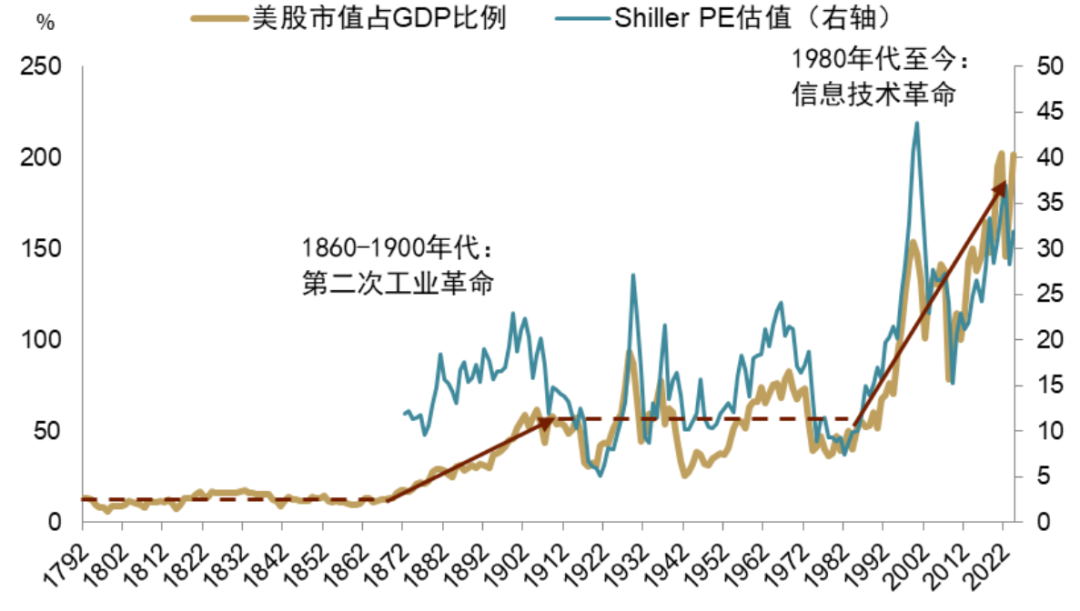
Group 1: Strategy - The international monetary system exhibits a stable "center-periphery" structure, where dominant currencies have changed over time, but the underlying order remains consistent. This order is rooted in trust and the "high-order belief" in sovereign currencies, which are supported by national credit and legal tender, creating liquidity premiums and network effects, thus exhibiting natural monopoly characteristics [6]. - The formation of central currencies relies on economic, financial, and institutional advantages, maintained through positive feedback loops. However, when debt expansion exceeds fiscal and institutional constraints, emerging countries may seize the opportunity to rise as old centers decline. Currently, the foundation of the dollar system is weakening, and global economic diversification is accelerating. If the RMB can leverage institutional reforms and market openness, it may enhance asset depth and international trust, potentially leading to a more balanced multi-center global currency system [6]. Group 2: Macroeconomy - Since 2022, geopolitical factors, "de-dollarization," and the continuous growth of U.S. debt have driven gold prices higher. The demand for gold is primarily influenced by central bank purchases, which have become a significant source of demand in recent years. However, as gold prices rise, some central banks have begun to reduce their gold holdings temporarily, as the ratio of gold to reserve assets exceeds their targets. Overall, there may still be room for an increase in the global allocation of gold by central banks [10]. - The U.S. stock market has experienced a long-term bull market since the 1980s, driven by economic structural transformation and the information technology revolution, which provided substantial expansion opportunities for companies. Stable capital inflows have translated future economic potential into current stock market valuations, resulting in stock market growth rates significantly exceeding economic growth rates [12]. - Japan's economy underwent a structural transformation during the "lost two decades" post-1990, which created investment opportunities despite overall macroeconomic challenges. The structural rise in Japan's stock market reflects this transformation, driven by corporate globalization, high-tech leadership, and improved corporate governance. Excluding the "old economy" sectors heavily exposed to domestic real estate and deflation, the "new economy" sectors have shown strong trends since the 1990s [14].


中金 | 股市长牛之美国经验:呵护成长性
Jin Shi Shu Ju· 2025-11-24 12:31
Core Viewpoint - The U.S. stock market has experienced a long-term bull market since the 1980s, driven by economic structural transformation and the information technology revolution, leading to a significant increase in market capitalization relative to GDP, from 60% in the 1980s to over 200% currently [1][3][4]. Macro Policy: "Replacing Old with New" - The Reagan administration's "Replacing Old with New" industrial policy enhanced U.S. economic efficiency by promoting the exit of outdated industries and fostering high-tech sectors [16][19]. - Specific measures included expanding international trade to phase out basic industries, reducing subsidies, and stimulating high-tech manufacturing through tax reforms and military industrial development [16][19]. Micro Enterprises: Focus on Profit Quality and Shareholder Returns - Companies began to prioritize operational efficiency and shareholder returns, with a shift in market focus from growth narratives to profitability metrics, particularly cash flow [21][26]. - The introduction of SEC Rule 10b-18 in 1982 facilitated stock buybacks, allowing companies to manage their stock prices more effectively [26][27]. Asset Side: Incremental Capital Flow - Long-term capital has steadily flowed into the U.S. stock market, supported by the rise of institutional investors and changes in retirement savings plans, significantly increasing household participation in equity markets [32][33]. - The share of long-term investors, such as pensions and mutual funds, rose to 40% in the 1980s, enhancing market stability and price discovery [33][37]. Globalization: Continuous Inflow of Overseas Capital - The formation of a "dollar cycle" and the influx of overseas capital have been crucial for the long-term bull market, with foreign investors significantly increasing their holdings in U.S. stocks since the 1980s [40][42]. - From 1980 to mid-2025, foreign investors accumulated $2.36 trillion in U.S. stocks, compared to $633.3 billion from domestic investors, highlighting the importance of foreign capital in supporting the bull market [40][42]. Federal Reserve Put: Guardian of the Bull Market - The strengthening of the Federal Reserve's "put" option has provided market stability, with the Fed intervening during crises to support liquidity and market confidence [44]. - This trend began in the late 1980s and has continued through various market downturns, establishing a market expectation that the Fed will act to stabilize the stock market during significant declines [44].