能源自主权

Search documents
委内瑞拉石油没进入中国,却出口以色列,证明美国有个隐秘路线图
Sou Hu Cai Jing· 2026-02-14 05:10
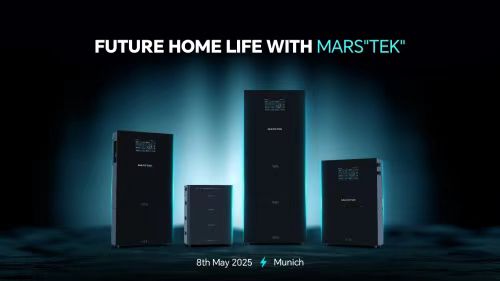
Core Viewpoint - The article highlights the fragility of energy trade agreements in the face of geopolitical tensions, emphasizing that control over shipping routes and financial systems ultimately dictates energy supply security, rather than mere contractual agreements [1][5][11]. Group 1: Energy Trade Dynamics - Venezuela's ambassador to China claimed that the country has full autonomy over its oil exports to China, unaffected by U.S. sanctions, reflecting a strong confidence in energy cooperation [1] - A U.S. military operation intercepted a tanker carrying Venezuelan oil destined for China, illustrating the practical implications of geopolitical tensions on energy trade [3] - The incident underscores that control over shipping routes equates to control over energy supply, as military and financial interventions can disrupt trade regardless of contractual agreements [5][11] Group 2: Geopolitical Implications - The successful delivery of another tanker carrying Venezuelan oil to Israel, while the one bound for China was intercepted, indicates that the destination of oil exports significantly influences the outcome of trade [7] - The U.S. has utilized intelligence related to Middle Eastern armed groups and money laundering networks to justify sanctions against Venezuela, framing the issue within national security and counter-terrorism contexts [7][9] - Venezuela's economy has faced immense pressure due to escalating sanctions, leading to a significant reduction in export pathways and limiting negotiation leverage [9] Group 3: Energy Security Considerations - The article warns that energy supply is no longer merely a commercial issue but has become a strategic asset, with the distribution of energy resources being influenced by geopolitical power dynamics [9][15] - For China, the incident serves as a stark reminder that even stable trade relationships can be restructured under higher-level geopolitical contests, challenging the notion of energy autonomy [11][20] - The U.S. strategy involves a comprehensive approach that includes sanctions, maritime enforcement, and financial restrictions, affecting the entire energy supply chain from production to transportation and settlement [13] Group 4: Future Preparedness - The article raises critical questions about preparedness for potential disruptions in energy supply chains, emphasizing the need for alternative solutions, sufficient reserves, and risk diversification strategies [18][20] - As energy issues evolve from trade topics to systemic competition, the ability to establish a robust and independent energy security framework will determine a country's position in future global fluctuations [20]

明抢5000万桶石油后,特朗普转头才发现,中国连一桶都不肯买了
Sou Hu Cai Jing· 2026-01-14 11:19
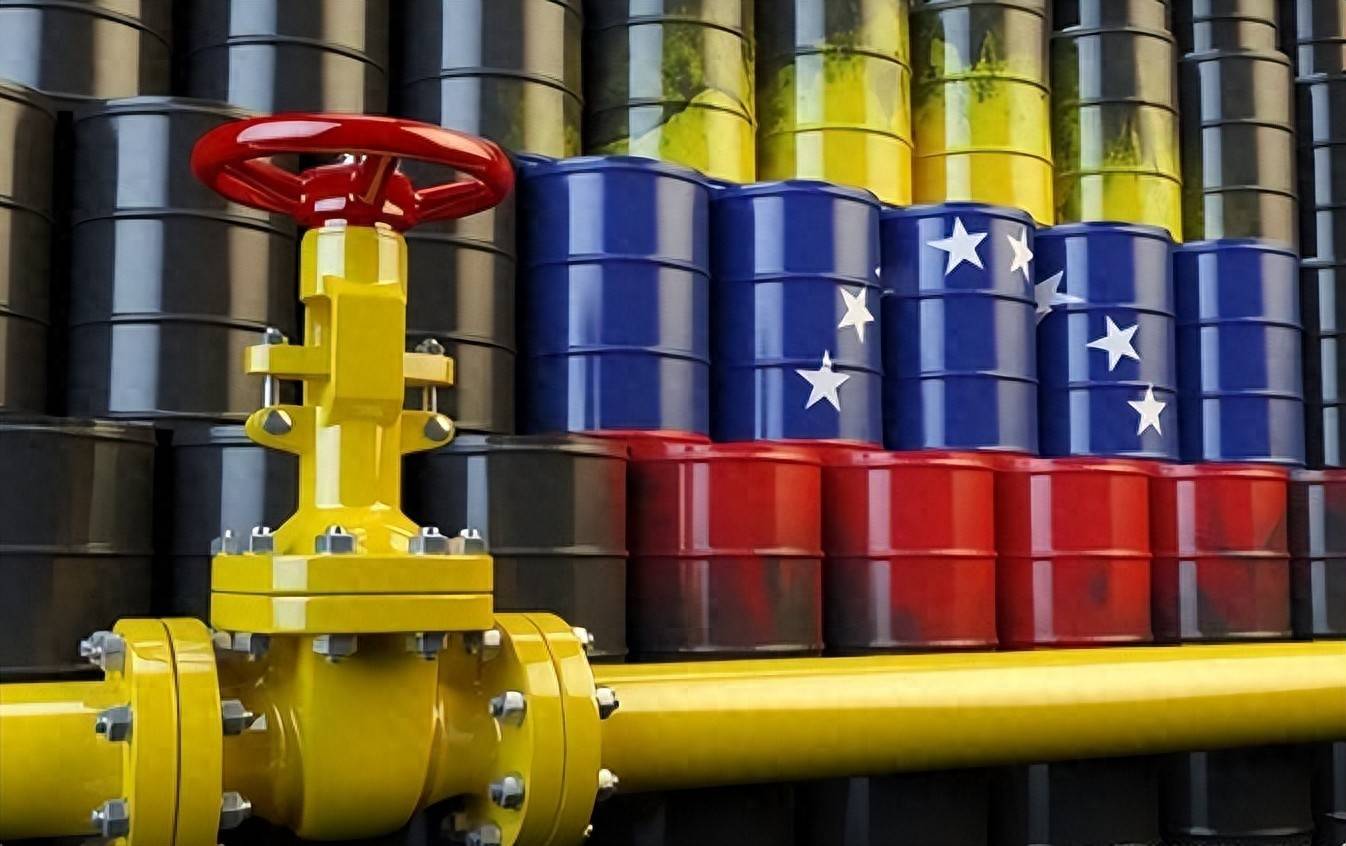
Group 1 - The U.S. has a long history of intervening in Venezuela's oil resources, particularly through sanctions aimed at undermining the Maduro government's economic foundation [2] - The Trump administration's strategy included inviting potential buyers to purchase seized oil resources, but faced market resistance [4] - Venezuela's oil production is low, accounting for only 1% of global output, which limits its market influence [18] Group 2 - The oil supply landscape is expected to change by 2025, with Saudi Arabia, Russia, and Iran dominating China's imports, while Venezuela's share declines [6] - China's energy procurement strategy has evolved to emphasize risk assessment and diversification, reflecting the complexities of global energy trade [4][14] - The U.S. Navy's deployment in the Caribbean has increased logistical difficulties, further complicating Venezuela's oil exports [9] Group 3 - Trump's shift from economic sanctions to direct asset control aimed to accelerate resource monetization but has sparked international controversy [14] - The response from oil companies like ExxonMobil highlights concerns over legal and political risks, which have historically led to uncertain investment returns [12] - Venezuela's oil industry requires significant investment to restore production capacity due to aging infrastructure [11] Group 4 - The global oil market is showing signs of tightening supply by early 2026, but China's inventory system provides a buffer [24] - The lessons from Trump's resource control attempts indicate that buyer autonomy cannot be overlooked in investment strategies [29] - The future of energy trade is leaning towards diversification, with the U.S. intervention in Venezuela having short-term resource gains but long-term implications for global dynamics [31]
贸易战不奏效,美国转移了话题,美财长放话,敲定中美下一个战场
Sou Hu Cai Jing· 2025-07-28 05:01
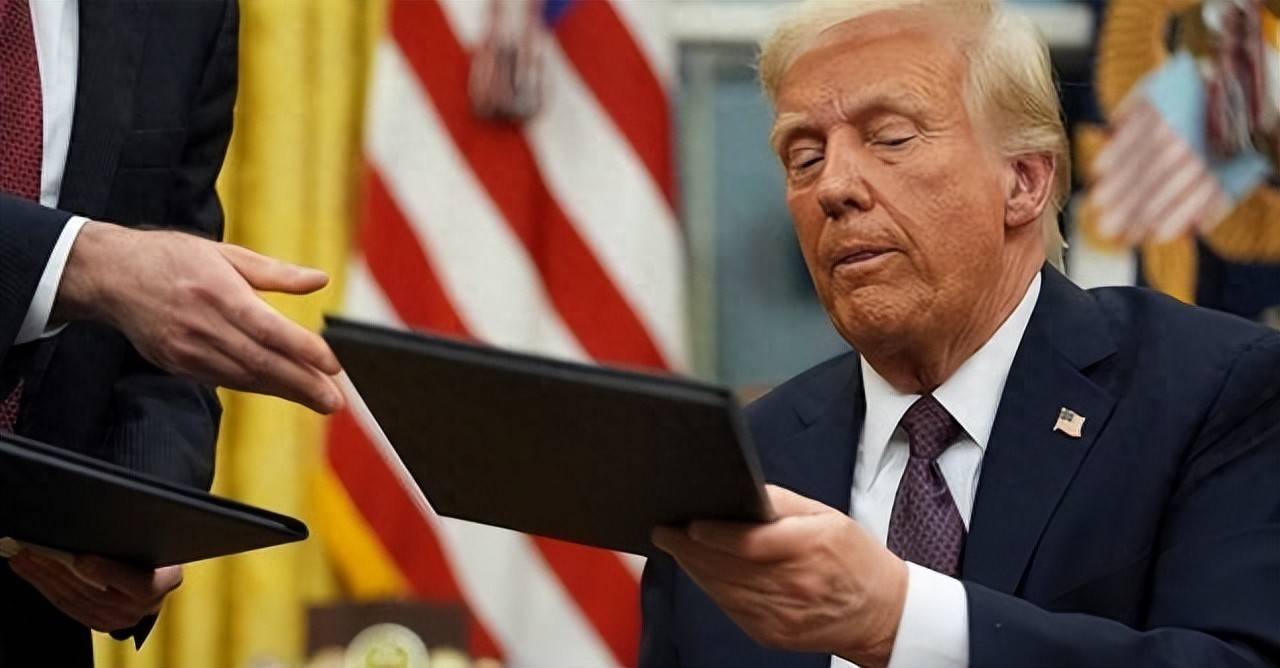
Group 1 - The core issue in the upcoming US-China talks will shift from traditional trade disputes to China's purchase of oil from Russia and Iran, with the US potentially imposing secondary tariffs of up to 500% [1] - Since February 10, China has imposed tariffs of 94% and 99% on US crude oil and LNG respectively, leading to a significant drop in US energy exports to China, with the US falling to the 15th position among China's crude oil import sources [1][3] - The US strategy aims to link energy with geopolitical issues, threatening to sever energy ties between China and Russia/Iran, which is critical for China's energy supply chain, as trade between China and Russia is expected to exceed $300 billion by 2025, with energy accounting for over 40% [1][3] Group 2 - If China yields to pressure and abandons oil from Russia and Iran, it would not only increase energy costs but also signify a geopolitical concession to the US [3] - The US's call for European allies to follow suit with secondary sanctions faces challenges, as many European countries, including Germany and France, have expressed reluctance to participate in unilateral sanctions due to potential increases in their own energy costs [3] - The US shale oil industry is already suffering from the impact of tariffs, with many companies nearing breakeven points, indicating a strategic contradiction in the US's approach to containing China while trying to protect its domestic energy market [3][5] Group 3 - The proposed 100% tariffs on Russia and 500% on China and India after the expiration of a ceasefire deadline could lead to a surge in global oil prices, potentially exceeding $100 per barrel, which would exacerbate inflation in the US [5] - The ongoing energy conflict reveals the harsh reality of US-China competition, as the US attempts to use energy as leverage against China, while China is proactively seeking to break free from US dominance through various strategies, including controlling graphite exports and rare earth processing technologies [5][7] - The outcome of this energy struggle will not be determined by tariffs or sanctions, but by who can achieve energy autonomy, with China focusing on technological upgrades and diversified energy sources, while the US shows signs of fatigue due to strategic overreach and disunity among allies [7]
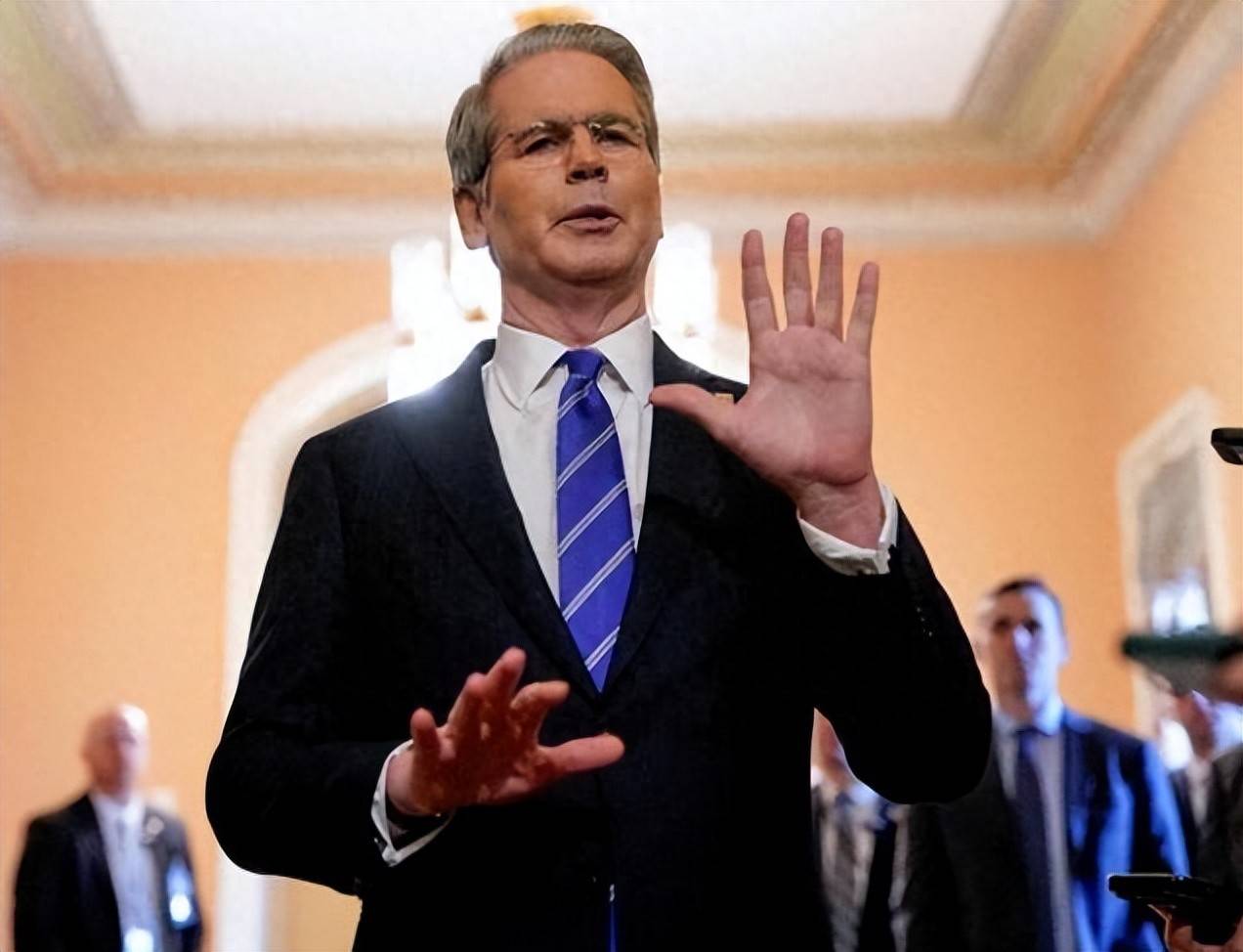
MARSTEK慕尼黑发布会揭幕四大能源解决方案:重新定义未来家庭能源生活
Zhong Guo Neng Yuan Wang· 2025-05-09 06:03
Core Insights - MARSTEK launched four revolutionary home and balcony energy storage systems at a press conference in Munich, Germany, aimed at enhancing energy autonomy for European households and significantly reducing electricity costs [1][3] Product Overview - The new product matrix integrates cutting-edge technology with user-friendly design, offering customized solutions for DIY enthusiasts and professional installers [3] - The design philosophy emphasizes "minimal operation, ultimate reliability, and a clean future," redefining the home energy experience [3] Product Details 1. **VENUS D**: 4kW 4 MPPT balcony storage system - Efficient solar energy collection with 4 MPPT inputs supporting up to 4kW solar capture, providing 2.2kW bidirectional power output and backup for critical loads [3] - Plug-and-play design allows for quick installation in 5 minutes, with modular design expandable to 6 battery packs (single pack 2.56kWh, expandable to a maximum of 15.36kWh) [3] - Smart energy-saving system with AI price management, potentially saving up to €1,797 in annual electricity costs [3] 2. **VENUS X**: Dual-mode intelligent coupling solar storage system - Flexible deployment options with DIY plug-and-play mode and professional mode, fully compatible with existing photovoltaic systems [3] - Elastic capacity configuration starting from a single battery pack of 5.12kWh, expandable to 30.72kWh with V-Boost smart boost battery [3] - Real-time energy management through a 10.1-inch HD touchscreen, enabling localized energy management [3] 3. **MARS II & MARS I PLUS**: 7-in-1 1000V V-Boost home storage system - Comprehensive energy hub integrating a 15kW hybrid inverter, 24kW MPPT, 1000V V-Boost battery pack, 40kW DC vehicle charging, 15kW V2X, heat pump management system, and localized EMS [3] - Provides all-weather power supply with millisecond backup power switching, prioritizing critical loads for intelligent cycling of "sunny day storage, rainy night power" [3] - Flexible expansion capability with a base unit of 46.08kWh, expandable to 184.32kWh with four units [3] Sustainability Vision - MARSTEK aims to not only provide products but also to build a smart and green lifestyle, envisioning every balcony and rooftop as a step towards energy freedom [3]